
The Hidden Calendar: Decoding Expiration Dates in Your Volcano Emergency Kit

Welcome to Volcano Explorers, where we venture into the heart of fiery landscapes. Think you're prepared for anything a volcano might throw your way? You've packed your emergency kit, but have you considered everything? Dive into our latest article, "The Hidden Calendar: Decoding Expiration Dates in Your Volcano Emergency Kit," and discover if your preparedness plan is truly ready to weather the storm. What secrets are lurking within those expiration dates, and how could they impact your safety? Let's uncover the truth together...
- Why Volcano Emergency Kit Expiration Dates Matter: Staying Safe During Eruptions
- Decoding the Dates: What Do Those Numbers on Your Volcano Survival Kit Really Mean?
- Key Components of Your Volcano Emergency Kit and Their Expiration Considerations
- Extending the Life of Your Volcano Preparedness Kit: Best Practices for Storage and Maintenance
- Replacing Expired Items: Where to Buy Quality Volcano Emergency Supplies
- Creating a Volcano Emergency Kit Expiration Date Tracker: Stay Organized and Prepared
- Real-Life Examples: How Expired Supplies Can Impact Volcano Survival
- Conclusion: Prioritizing Freshness for Volcano Emergency Preparedness
-
Frequently Asked Questions
- What's the main reason for checking expiration dates in my volcano emergency kit?
- Which items in a volcano emergency kit are most likely to have expiration dates?
- How often should I check the expiration dates in my volcano emergency kit?
- What should I do with items in my volcano emergency kit that have expired?
- Does the environment in which I store my volcano emergency kit affect expiration dates?
- Final Reflection: Embracing Preparedness, Confronting Uncertainty
- Unearth Your Preparedness: Take Action Now!
Why Volcano Emergency Kit Expiration Dates Matter: Staying Safe During Eruptions
The Critical Role of Fresh Supplies in a Volcanic Emergency
In the unpredictable and often chaotic aftermath of a volcanic eruption, a well-stocked volcano emergency kit is your lifeline. However, the effectiveness of this kit hinges not just on its contents, but also on the condition of those supplies. Imagine relying on stale food, contaminated water, or ineffective medications when facing the stresses of volcanic ashfall, evacuation orders, or potential isolation.
Fresh supplies within your volcano emergency kit are not merely a convenience; they are a critical component of your safety and survival strategy during a volcanic event. From the nutritional value of food rations providing essential energy to the potency of medications addressing health issues, every item in your kit is designed to perform a specific function. When these items degrade due to age or improper storage, their ability to fulfill these vital roles diminishes, potentially jeopardizing your well-being in a crisis.
The importance of fresh supplies extends across all categories within your volcano emergency kit. Consider water: essential for hydration and sanitation, its quality can degrade over time, especially if stored improperly. Food rations, designed to provide sustenance in emergency situations, can lose nutritional value and become unpalatable or even unsafe to consume past their expiration dates.
First aid supplies, including medications and antiseptics, lose their efficacy, rendering them less capable of treating injuries or preventing infections. Even essential tools like respirator masks, designed to protect against volcanic ash, can degrade, losing their seal and filtration capabilities, leaving you vulnerable to respiratory problems. Therefore, maintaining fresh supplies in your volcano emergency kit is not an optional task, but a fundamental aspect of responsible volcano preparedness, ensuring that when you need these items most, they will perform as intended, safeguarding your health and safety.
Understanding the Risks of Expired Emergency Supplies: Water Contamination and Reduced Effectiveness
Using expired items from your volcano emergency kit can introduce a range of risks, from mild discomfort to serious health complications, precisely when you are most vulnerable. One of the most significant concerns is water contamination. While commercially bottled water is generally considered safe for extended periods, plastic can degrade over time, especially under fluctuating temperatures, potentially leaching chemicals into the water.
Moreover, even sealed containers can develop microscopic cracks, allowing bacteria to enter and proliferate, particularly if the water was not initially sterile or if stored in unsanitary conditions. Consuming contaminated water can lead to gastrointestinal illnesses like diarrhea and vomiting, further dehydrating you and weakening your body during a stressful emergency situation.
Beyond water, expired food rations pose risks of reduced nutritional value and potential foodborne illnesses. Emergency food bars, while designed for long shelf life, can become rancid or lose their palatability over time, making them less appealing to consume when you need energy most. Freeze-dried meals, while generally more stable, can also degrade, with fats becoming rancid and protein quality diminishing, reducing their nutritional benefit.
Consuming expired food can lead to digestive upset, and in some cases, bacterial growth in improperly stored or damaged packaging can result in food poisoning. Furthermore, the efficacy of first aid supplies, particularly medications, is directly impacted by expiration dates. For example, pain relievers like ibuprofen (Advil) and antihistamines like diphenhydramine (Benadryl) can lose their potency, meaning they will be less effective at alleviating pain, reducing fever, or controlling allergic reactions if used after their expiration date.
Antibacterial ointments and antiseptic wipes can also become less effective, increasing the risk of infection from injuries sustained during a volcanic event. Even seemingly inert items like bandages and respirator masks can degrade; bandages can lose their sterility and adhesive properties, while respirator mask filters can become less effective at trapping volcanic ash particles, compromising respiratory protection. In essence, relying on expired supplies undermines the very purpose of your volcano emergency kit, potentially turning a preparedness measure into a source of danger during a crisis.
Decoding the Dates: What Do Those Numbers on Your Volcano Survival Kit Really Mean?
"Use By" vs. "Best By": Deciphering the Labeling Language
Navigating the dates on your volcano survival kit can feel like deciphering a secret code, especially with terms like "Use By" and "Best By" often appearing on packaging. Understanding the difference between these labels is crucial for ensuring the safety and effectiveness of your emergency supplies. "Use By" dates are typically found on perishable items, particularly food products, and indicate the date after which the manufacturer no longer guarantees the product's safety and quality.
For items with a "Use By" date, it is generally recommended to consume or use the product before or on that date for optimal safety and quality. For instance, certain types of emergency food rations, especially those containing moist components or fresh ingredients (though rare in long-term rations), might carry a "Use By" date. Exceeding a "Use By" date increases the risk of spoilage and potential health issues if consumed.
"Best By" dates, on the other hand, are more about quality than safety. They indicate the date until which the manufacturer guarantees the product will be at its peak quality in terms of taste, texture, and nutritional value. While a product might still be safe to consume after its "Best By" date, its quality may have diminished.
Many long-term emergency food supplies, such as freeze-dried meals and food bars, often carry "Best By" dates. For these items, while they might still be edible and provide sustenance after the "Best By" date, their taste and nutritional content might not be optimal. For example, emergency food bars might become drier or less flavorful, and freeze-dried meals might experience slight changes in texture or taste.
In the context of a volcano emergency kit, while adhering to both "Use By" and "Best By" dates is ideal, prioritizing "Use By" dates is paramount for safety, especially for items like water purification tablets or certain first aid medications that might have "Use By" dates. For items with "Best By" dates, while replacement at or before the date is recommended to ensure optimal quality, they might still be usable for a period beyond that date, particularly in a survival situation where sustenance is critical, but regular inspections and quality checks are still advisable.
Manufacturing Dates vs. Expiration Dates: Knowing the Difference
Adding another layer of complexity to date labels is the presence of manufacturing dates, which are distinct from both "Use By" and "Best By" dates, but equally important to understand for managing your volcano emergency kit expiration dates. A manufacturing date, often indicated by terms like "MFG," "Manufactured Date," or "Date of Production," signifies when a product was produced.
This date is not directly related to safety or quality in the same way as expiration dates, but it serves as a starting point for calculating the product's shelf life, especially when a clear expiration date is not explicitly provided. For certain items in your volcano emergency kit, particularly durable goods or items with exceptionally long shelf lives, manufacturers might only provide a manufacturing date, relying on general guidelines for product lifespan.
Understanding the manufacturing date becomes crucial when expiration dates are not clearly marked or are difficult to locate. For example, some types of emergency food rations, especially those designed for military or institutional use, might only display a manufacturing date. In such cases, you need to know the typical shelf life of that product category to estimate its effective lifespan.
For instance, if an emergency food bar has a manufacturing date of January 2023 and is known to have a shelf life of 5 years, its estimated expiration would be January 2028. Similarly, for items like plastic water bottles, while they often don't have explicit expiration dates, the manufacturing date can help you gauge their age and assess the potential for plastic degradation. Knowing the manufacturing date also allows you to track the age of items in your kit and implement a proper rotation system.
By consistently noting manufacturing dates during your regular kit inspections, you can prioritize the use of older items first, ensuring that supplies are used before they degrade and are replaced before they become unusable. Therefore, while expiration dates are the primary indicators of usability, understanding and utilizing manufacturing dates is an essential skill for effectively managing the longevity and safety of your volcano emergency kit supplies.
Key Components of Your Volcano Emergency Kit and Their Expiration Considerations
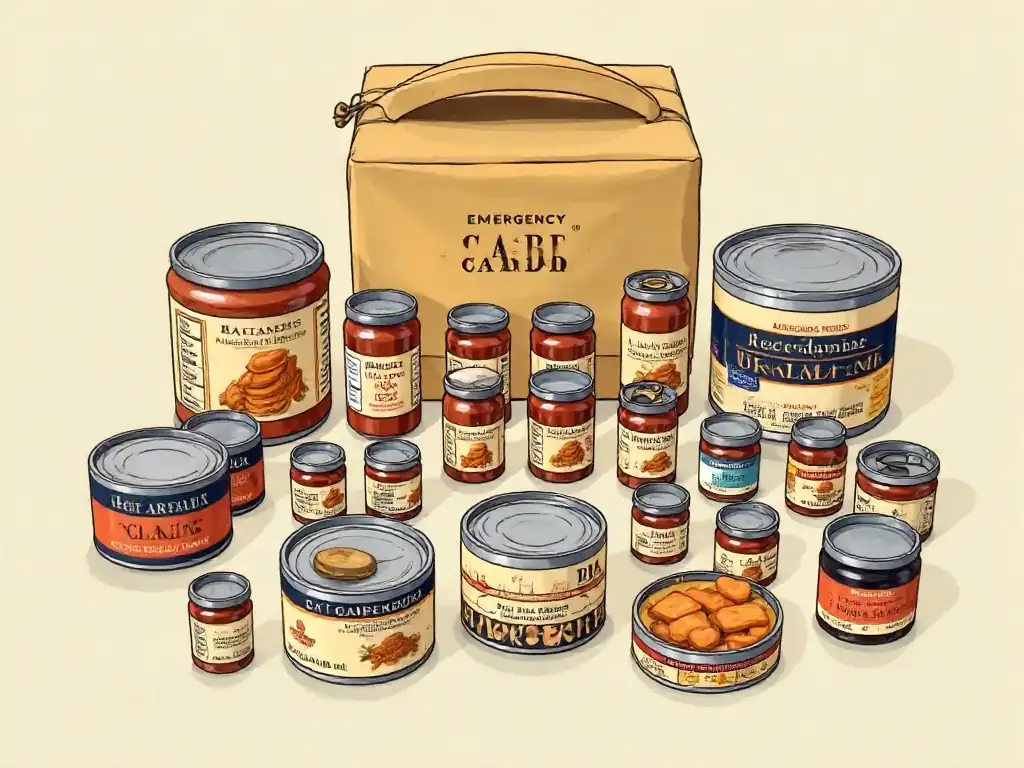
Water Storage: How Long Does Bottled Water Last? (And What About Alternatives?)
Understanding Water Storage Shelf Life: Plastic vs. Collapsible Water Containers
Water, the most critical element of any emergency kit, including your volcano emergency kit, has a surprisingly nuanced shelf life influenced by storage containers and conditions. Commercially bottled water, typically in PET plastic bottles, generally has a "Best By" date of about 2 years from the manufacturing date. This date is more about the plastic integrity than the water itself, as properly processed and sealed water is inherently stable.
However, over time, PET plastic can slowly degrade, especially when exposed to heat and sunlight. This degradation can potentially lead to chemicals leaching into the water, though in most cases, the levels are considered very low and not immediately harmful.
The primary concern with prolonged storage is the potential for plastic to impart a taste or odor to the water, affecting its palatability. For practical purposes, bottled water stored in a cool, dark place can often be safely consumed for several years beyond its "Best By" date, but regular inspection for leaks, discoloration, or unusual odors is crucial.
Collapsible water containers, often made of thicker, more durable plastics or specialized materials, offer an alternative to rigid plastic bottles, particularly for space-saving in a volcano emergency kit. Their shelf life is also influenced by the material and storage conditions. High-quality collapsible containers made from food-grade, BPA-free plastics are designed for longer-term water storage.
Some manufacturers claim shelf lives of 5 years or more for these containers when stored in optimal conditions – cool, dark, and away from direct sunlight. However, it’s essential to check the manufacturer's recommendations for specific shelf life and storage guidelines for your chosen collapsible containers. Lower-quality or thinner plastic collapsible containers may degrade faster than thicker, more robust bottles.
Regardless of the container type, water stored for extended periods should ideally be purified before consumption in an emergency situation, especially if there's any doubt about its storage history or container integrity. Water purification tablets or filters, also components of a well-rounded volcano emergency kit, provide an extra layer of safety, ensuring that even if the stored water's quality has slightly degraded over time, it can be rendered safe for drinking.
Water Purification Methods: Expiration Dates of Aquatabs and Sawyer Squeeze
While storing water is essential, having reliable water purification methods in your volcano emergency kit is equally critical, especially considering the potential for water sources to become contaminated after a volcanic eruption due to ashfall or disrupted infrastructure. Water purification tablets, such as Aquatabs, are a compact and effective chemical method for disinfecting water.
Aquatabs, which primarily use sodium dichloroisocyanurate (NaDCC), typically have an expiration date of around 3 to 5 years from the manufacturing date, depending on the specific product and packaging. This expiration date is crucial because the active ingredient, NaDCC, can degrade over time, particularly if exposed to moisture or heat.
Expired Aquatabs may not release the effective concentration of chlorine needed to kill harmful microorganisms in water, rendering them ineffective for purification. It’s vital to regularly check the expiration dates of Aquatabs in your volcano emergency kit and replace them before they expire to ensure reliable water disinfection.
The Sawyer Squeeze water filter, a popular example of a portable water filtration system, offers a physical purification method, removing bacteria, protozoa, and particles from water. Unlike chemical tablets, the Sawyer Squeeze itself does not have a definitive expiration date in terms of filtration capability. The filter membranes are designed to last for up to 1 million gallons of water, assuming proper backflushing and maintenance according to the manufacturer's instructions.
However, components of the Sawyer Squeeze system, such as the squeeze bags and hoses, can degrade over time, especially with repeated use and storage in harsh conditions. Squeeze bags can become brittle or develop leaks, and hoses can crack or become clogged. While the filter cartridge itself might remain functional for a very long time, it's recommended to inspect the entire Sawyer Squeeze system periodically for signs of wear and tear.
Consider replacing squeeze bags and hoses every few years, or more frequently if they show signs of damage, to ensure the system remains reliable when needed. While the Sawyer Squeeze filter itself may not "expire" in the traditional sense, maintaining its components and understanding the potential degradation of accessories is crucial for its long-term effectiveness as a water purification tool in your volcano emergency kit.
Emergency Food Bars: Datrex vs. SOS Food Labs - A Shelf Life Comparison
Emergency food bars are a staple in many volcano emergency kits due to their compact size, high calorie density, and relatively long shelf life. Two prominent brands in this category are Datrex and SOS Food Labs, both known for producing non-perishable food rations designed for survival situations. Datrex food bars are widely recognized for their robust packaging and extended shelf life.
Typically packaged in airtight, waterproof foil pouches, Datrex bars are designed to withstand harsh conditions and have a stated shelf life of 5 years from the date of manufacture. This long shelf life is attributed to their composition, which usually includes a blend of wheat flour, vegetable shortening, sugar, and water, formulated to be stable and resistant to spoilage. The vacuum-sealed packaging further contributes to their longevity by preventing oxygen and moisture from degrading the food.
SOS Food Labs food bars are another popular choice, also known for their long shelf life and durable packaging. Similar to Datrex, SOS food bars are typically packaged in vacuum-sealed, heavy-duty foil pouches and boast a stated shelf life of 5 years from the date of manufacture. Their composition is also comparable to Datrex, generally consisting of wheat flour, vegetable shortening, sugar, and other stabilizing ingredients.
Both Datrex and SOS food bars are designed to provide a concentrated source of calories for survival, prioritizing energy content over taste appeal. While both brands claim a 5-year shelf life, it's important to note that this is a "Best By" date. In many cases, when stored properly in cool, dry conditions, these food bars can remain safe and palatable for somewhat longer than 5 years.
However, to ensure optimal quality and nutritional value, it's best practice to adhere to the stated shelf life and replace them every 5 years. Regularly checking the manufacturing dates on your Datrex or SOS food bars and setting reminders for replacement is a key aspect of maintaining a well-prepared volcano emergency kit.
Freeze-Dried Meals: Maximizing the Life of Mountain House Meals
Freeze-dried meals, like those offered by Mountain House, represent another excellent option for long-term food storage in a volcano emergency kit, offering a wider variety of meal options and often better taste compared to emergency food bars. Mountain House meals are renowned for their exceptional shelf life, largely due to the freeze-drying process which removes nearly all moisture, inhibiting bacterial growth and enzymatic activity that lead to spoilage. Mountain House pouches are typically nitrogen-flushed and hermetically sealed, further protecting the food from oxygen and moisture.
This combination of freeze-drying and robust packaging allows Mountain House to claim a shelf life of up to 30 years for many of their meals, when stored under optimal conditions. This extended shelf life makes them particularly attractive for long-term volcano preparedness.
To maximize the lifespan of Mountain House meals in your volcano emergency kit, proper storage is crucial. The ideal storage conditions are cool, dark, and dry. High temperatures, humidity, and direct sunlight can accelerate the degradation process, even in freeze-dried food.
Storing pouches in a cool basement, closet, or pantry, away from heat sources and direct sunlight, will help maintain their quality for as long as possible. While Mountain House claims a 30-year shelf life, this is a "Best By" date, and it's based on ideal storage conditions. For practical emergency preparedness, it's still advisable to inspect your Mountain House meals periodically, perhaps every 5-10 years.
Check the pouches for any signs of damage, such as punctures, tears, or bulging, which could indicate compromised seals. While the food inside might still be safe for consumption even after the "Best By" date, its taste, texture, and nutritional value might gradually decline over very long storage periods. However, the extended shelf life of Mountain House meals provides a significant advantage for volcano emergency preparedness, offering a reliable and relatively palatable food source that requires less frequent replacement compared to items with shorter shelf lives.
First Aid Supplies: Are Your Bandages and Medications Still Effective?
Expiration Dates of Common First Aid Medications: Advil & Benadryl
A well-stocked first aid kit is an indispensable component of your volcano emergency kit, and ensuring the effectiveness of its contents, particularly medications, hinges on understanding expiration dates. Common over-the-counter medications like Advil (ibuprofen) and Benadryl (diphenhydramine), frequently included in first aid kits, have expiration dates clearly printed on their packaging.
Advil, an anti-inflammatory pain reliever, and Benadryl, an antihistamine for allergies, typically have expiration dates ranging from 2 to 5 years from the date of manufacture, depending on the specific formulation and packaging. These expiration dates are not arbitrary; they represent the period during which the manufacturer guarantees the full potency and safety of the medication.
Medications expire because the active ingredients can degrade over time due to chemical processes like oxidation and hydrolysis. Exposure to factors like heat, light, and humidity can accelerate this degradation. Expired medications may not be as effective as intended, meaning they might not provide the same level of pain relief, fever reduction, or allergy symptom control.
In some cases, while less common for over-the-counter medications, expired medications can potentially break down into harmful compounds. While the risk of serious harm from using most expired over-the-counter medications is generally low, their reduced efficacy is a significant concern in a volcano emergency situation where prompt and effective treatment of injuries or allergic reactions might be crucial.
Therefore, it is essential to regularly check the expiration dates of medications like Advil and Benadryl in your first aid kit, ideally every 6 to 12 months, and replace them before they expire. Maintaining a list of medications and their expiration dates can help you stay organized and ensure your first aid kit remains fully functional when needed.
Bandages and Antiseptics: Protecting Against Infection After a Volcanic Event
While seemingly simple, bandages and antiseptics are vital for preventing infection after injuries, a significant concern in the aftermath of a volcanic event where debris and unsanitary conditions may prevail. Even though bandages and antiseptic wipes or solutions are not medications, they also have shelf lives and expiration considerations crucial for maintaining their effectiveness in your volcano emergency kit. Sterile bandages, such as adhesive bandages (Band-Aids) and gauze pads, are typically packaged to maintain sterility.
While the bandage material itself might not degrade significantly over time, the sterility of the packaging can be compromised. The adhesive on bandages can also dry out or lose its stickiness over time, especially under fluctuating temperatures and humidity. While bandages may not have explicit expiration dates, manufacturers often recommend replacing them every 3 to 5 years to ensure sterility and adhesive effectiveness are maintained.
Antiseptic wipes and solutions, such as those containing isopropyl alcohol or benzalkonium chloride, also have expiration dates, typically ranging from 2 to 3 years from the date of manufacture. The active antiseptic ingredients can evaporate or degrade over time, reducing their ability to kill bacteria and prevent infection.
Expired antiseptic wipes might be drier and less effective, while antiseptic solutions might lose their potency. Using expired antiseptics could compromise wound cleaning and increase the risk of infection, particularly in a volcanic environment where exposure to ash and debris can introduce bacteria into even minor injuries.
Therefore, it's important to check for expiration dates on antiseptic wipes and solutions in your first aid kit and replace them accordingly. Regularly inspecting bandages for adhesive quality and antiseptic products for expiration dates is a critical step in ensuring your first aid kit remains fully capable of protecting against infection, a key concern in a volcano emergency.
Essential Tools and Equipment: When Do They Need Replacing?
Respirator Masks and Filters: Protecting Yourself from Volcanic Ash - 3M Respirator Masks
Respirator masks, particularly those designed to filter out fine particles like volcanic ash, are essential for respiratory protection during a volcanic eruption. 3M respirator masks, a widely trusted brand, are commonly included in volcano emergency kits. While the masks themselves are relatively durable, the filters have a limited lifespan and require careful attention to expiration and usage guidelines. Unused, NIOSH-approved particulate respirator masks, like N95 masks from 3M, generally have a shelf life of 5 years from the date of manufacture, as indicated by 3M.
This shelf life is primarily related to the degradation of the elastic straps and the filter material itself. Over time, the elastic straps can lose their elasticity, affecting the mask's seal and fit, and the filter material can degrade, reducing its filtration efficiency. Storing respirator masks in their original packaging, in a cool, dry, and dark place, helps to maximize their shelf life.
Once a respirator mask has been used, its lifespan is significantly reduced, especially in a volcanic ash environment. Volcanic ash is abrasive and can quickly clog the filter, reducing its breathability and effectiveness. 3M recommends that particulate respirators should be replaced when they become damaged, soiled, or breathing becomes difficult.
In heavy volcanic ash conditions, a respirator mask might only be effective for a few hours of continuous use before needing replacement. For reusable respirators with replaceable filters, like some 3M models, the filters themselves have expiration dates and need to be replaced according to the manufacturer's recommendations, typically after a certain number of hours of use or if they become damaged or breathing becomes difficult.
It's crucial to store spare respirator masks and filters in your volcano emergency kit and understand the usage guidelines and replacement intervals to ensure effective respiratory protection during a volcanic ashfall event. Regularly checking the manufacturing dates and condition of respirator masks and filters is essential for maintaining this critical component of your volcano emergency preparedness.
Emergency Radios: Ensuring Communication During a Volcanic Crisis - Midland ER310
Emergency radios, such as the Midland ER310, are vital for receiving critical information and warnings during a volcanic crisis, especially when normal communication channels might be disrupted. While radios themselves don't "expire" in the same way as food or medications, they require maintenance and have components with limited lifespans that need consideration in your volcano emergency kit. The primary component with a limited lifespan in most emergency radios is the battery.
The Midland ER310, for example, features a rechargeable lithium-ion battery, as well as the option for hand-crank power and AA batteries. Rechargeable lithium-ion batteries have a lifespan that is influenced by usage and storage conditions. While they don't have a strict expiration date, their capacity to hold charge gradually diminishes over time and with charge cycles.
If stored fully discharged for extended periods, lithium-ion batteries can degrade faster. It's recommended to charge and discharge lithium-ion batteries periodically, perhaps every 3 to 6 months, to maintain their health and longevity.
Alkaline AA batteries, used as backup power in radios like the Midland ER310, do have expiration dates printed on them, typically ranging from 5 to 10 years from the date of manufacture. Expired alkaline batteries are more prone to leaking, which can damage the radio and render the batteries unusable. It's important to check the expiration dates of AA batteries in your emergency radio and replace them before they expire.
Beyond batteries, the radio's physical components, such as the antenna, buttons, and casing, can also degrade over time due to environmental factors like humidity and temperature fluctuations. While the radio itself might last for many years, regular testing is essential to ensure it remains functional.
Periodically test your emergency radio, check battery charge levels, and inspect for any signs of physical damage or corrosion. Replacing AA batteries before expiration and maintaining the rechargeable battery are key steps in ensuring your emergency radio remains a reliable communication tool in your volcano emergency kit.
Extending the Life of Your Volcano Preparedness Kit: Best Practices for Storage and Maintenance
Proper Storage Conditions: Temperature, Humidity, and Light
Extending the lifespan and effectiveness of your volcano preparedness kit hinges significantly on proper storage conditions. Temperature, humidity, and light are the primary environmental factors that can accelerate the degradation of emergency supplies, reducing their shelf life and potentially rendering them unusable when needed most. High temperatures are detrimental to many items in your kit, particularly food, water, and medications. Heat can accelerate chemical reactions, causing food to spoil faster, plastic to degrade and leach chemicals, and medications to lose potency.
Ideally, your volcano emergency kit should be stored in a cool location, with temperatures consistently below 70°F (21°C). Avoid storing your kit in attics, garages, or car trunks, where temperatures can fluctuate dramatically and reach extreme highs, especially during summer months. A cool basement, a temperature-controlled closet, or a pantry in a shaded area of your home are better storage options.
Humidity is another significant factor that can negatively impact your emergency supplies. High humidity can promote mold growth, corrosion, and the degradation of packaging materials. Food items, especially those in pouches or boxes, can absorb moisture, leading to spoilage. Metal components in tools and equipment can corrode, and paper products like first aid instructions can become damp and unusable.
Store your volcano emergency kit in a dry location, away from areas prone to moisture, such as bathrooms or laundry rooms. If you live in a humid climate, consider using moisture absorbers or desiccants in your storage container to help control humidity levels. Direct sunlight and artificial light can also degrade certain materials, particularly plastics and medications. UV radiation from sunlight can cause plastic to become brittle and break down, and light exposure can reduce the potency of some medications.
Store your volcano emergency kit in a dark location, away from direct sunlight and prolonged exposure to artificial light. Using opaque storage containers can further protect your supplies from light exposure. By carefully considering and controlling temperature, humidity, and light exposure, you can significantly extend the life and maintain the effectiveness of your volcano preparedness kit, ensuring that your supplies remain reliable when a volcanic emergency strikes.
Regular Inspections: Creating a Checklist for Your Volcano Emergency Supplies
Regular inspections are not just a good practice, but a fundamental requirement for maintaining a functional and reliable volcano emergency kit. Just assembling a kit and storing it away is insufficient; periodic checks are crucial to identify expired items, damaged components, and ensure everything is in working order. Establishing a regular inspection schedule, ideally every 6 months, is recommended.
Creating a checklist is an invaluable tool for systematic inspections, ensuring that no item is overlooked. Your checklist should include every item in your volcano emergency kit, categorized by type (food, water, first aid, equipment, etc.). For each item, the checklist should prompt you to verify the expiration date, if applicable, and assess its physical condition.
When inspecting food and water supplies, check expiration dates and "Best By" dates. Look for signs of damage to packaging, such as punctures, tears, or bulging, which could indicate compromised seals and potential contamination. For bottled water, check for leaks, discoloration, or unusual odors. For first aid supplies, meticulously check expiration dates on all medications, antiseptic wipes, and solutions.
Inspect bandages for adhesive quality and sterility. For equipment, test the functionality of your emergency radio, check battery charge levels, and inspect respirator masks for damage to straps and filter material. Ensure that tools like can openers and multi-tools are in good working order and free from rust. Your checklist should also include a section for consumable items that might need replenishment, such as batteries, fuel for portable stoves (if included), and personal hygiene items.
During each inspection, document the date of inspection and any actions taken, such as replacing expired items or replenishing supplies. This documentation helps track the maintenance history of your kit and provides a reminder for future inspections. Regular inspections using a comprehensive checklist transform your volcano emergency kit from a static collection of items into a dynamic and reliably maintained resource, ready to serve its purpose when a volcanic emergency occurs.
Rotation Strategies: FIFO (First In, First Out) for Emergency Food and Water
Implementing a rotation strategy, particularly the FIFO (First In, First Out) method, is essential for managing emergency food and water supplies in your volcano preparedness kit and minimizing waste due to expiration. FIFO is a simple yet effective system that ensures older supplies are used before newer ones, preventing items from sitting in your kit past their expiration dates. The principle of FIFO is straightforward: when adding new food or water items to your kit, place them behind or underneath existing supplies.
When using items from your kit, always take from the front or top of your storage, ensuring that you are using the oldest items first. This systematic approach naturally rotates your stock, ensuring that items with earlier expiration dates are consumed or replaced before they expire.
To effectively implement FIFO, organize your emergency food and water supplies in a way that makes it easy to access and identify older items. Using clear plastic bins or shelves can help visualize your inventory and facilitate rotation. When you purchase new emergency food rations or bottled water to replenish your kit, clearly mark them with the purchase date or expiration date. When adding them to your storage, place them behind or below the existing stock.
During your regular kit inspections, take the opportunity to rotate your supplies. Bring older items to the front and place newer items in the back. If you find items nearing their expiration dates, consider using them in your household consumption and replacing them with fresh supplies, if feasible and safe to do so outside of an emergency.
For example, if you have bottled water nearing its "Best By" date, you could use it for watering plants or for non-potable purposes and replace it with new bottles. For emergency food rations, if nearing their "Best By" date and still safe, consider incorporating them into a camping trip or outdoor activity to consume them before they expire. By consistently applying the FIFO method, you minimize the risk of having expired food and water in your volcano emergency kit, ensuring that your supplies remain fresh and usable, and reducing unnecessary waste of emergency resources.
Replacing Expired Items: Where to Buy Quality Volcano Emergency Supplies
Recommended Retailers for Emergency Food and Water: ReadyWise
When it comes to replacing expired food and water in your volcano emergency kit, choosing reputable retailers that specialize in emergency preparedness supplies is crucial for ensuring quality and reliability. ReadyWise is a well-regarded company that offers a wide range of emergency food and water solutions specifically designed for long-term storage and emergency situations. ReadyWise is known for its diverse selection of freeze-dried meals, emergency food buckets, and water pouches, catering to various needs and preferences for emergency preparedness.
Their freeze-dried meals are particularly popular for their long shelf life, often up to 25 years, and their relatively palatable taste compared to some other emergency food options. ReadyWise offers a variety of meal types, including breakfast, lunch, and dinner options, providing a more diverse and potentially more appealing food supply for emergency situations.
ReadyWise also provides emergency water pouches and water storage solutions designed for long-term storage. Their water pouches are compact and durable, ideal for including in emergency kits. ReadyWise products are readily available online through their website and various online retailers, making it convenient to replenish your volcano emergency kit supplies.
They often offer bulk purchasing options, which can be cost-effective for stocking up on emergency food and water. When purchasing from ReadyWise, pay attention to product descriptions and shelf life information to ensure you are selecting items with appropriate longevity for your emergency preparedness needs.
Check customer reviews and product ratings to gauge the quality and reliability of their offerings. ReadyWise's focus on emergency preparedness and its wide range of long-shelf-life food and water options make it a recommended retailer for sourcing replacement supplies for your volcano emergency kit, ensuring that you are equipping yourself with quality products designed for crisis situations.
Trusted Sources for First Aid Supplies and Safety Equipment: MRE Mountain
For replenishing first aid supplies and safety equipment in your volcano emergency kit, sourcing from trusted and specialized retailers is paramount to ensure you are obtaining genuine, high-quality items that will perform effectively when needed. MRE Mountain is a reputable online retailer that specializes in military-grade MREs (Meals Ready to Eat), first aid kits, and survival gear, making them a valuable resource for sourcing reliable emergency supplies.
While primarily known for MREs, MRE Mountain also offers a curated selection of first aid kits and individual first aid components, ranging from basic kits to more comprehensive trauma kits. They stock first aid supplies from reputable brands known for their quality and effectiveness, ensuring that you are purchasing products designed to meet emergency medical needs.
MRE Mountain also carries a range of safety equipment relevant to volcano preparedness, such as respirator masks, emergency blankets, and survival tools. Their selection of respirator masks often includes NIOSH-approved particulate respirators suitable for protection against volcanic ash. MRE Mountain is known for its commitment to providing military-grade or similarly high-quality products, emphasizing durability and reliability.
Purchasing from MRE Mountain can provide assurance that you are acquiring first aid and safety equipment that meets stringent standards and is designed to perform effectively in demanding situations. When sourcing first aid and safety equipment for your volcano emergency kit, prioritize quality and reliability over price. MRE Mountain's focus on military-grade and high-quality survival supplies makes it a trusted source for replenishing these essential components of your volcano emergency kit, ensuring that you are equipped with dependable gear to address potential health and safety challenges during a volcanic event.
Creating a Volcano Emergency Kit Expiration Date Tracker: Stay Organized and Prepared
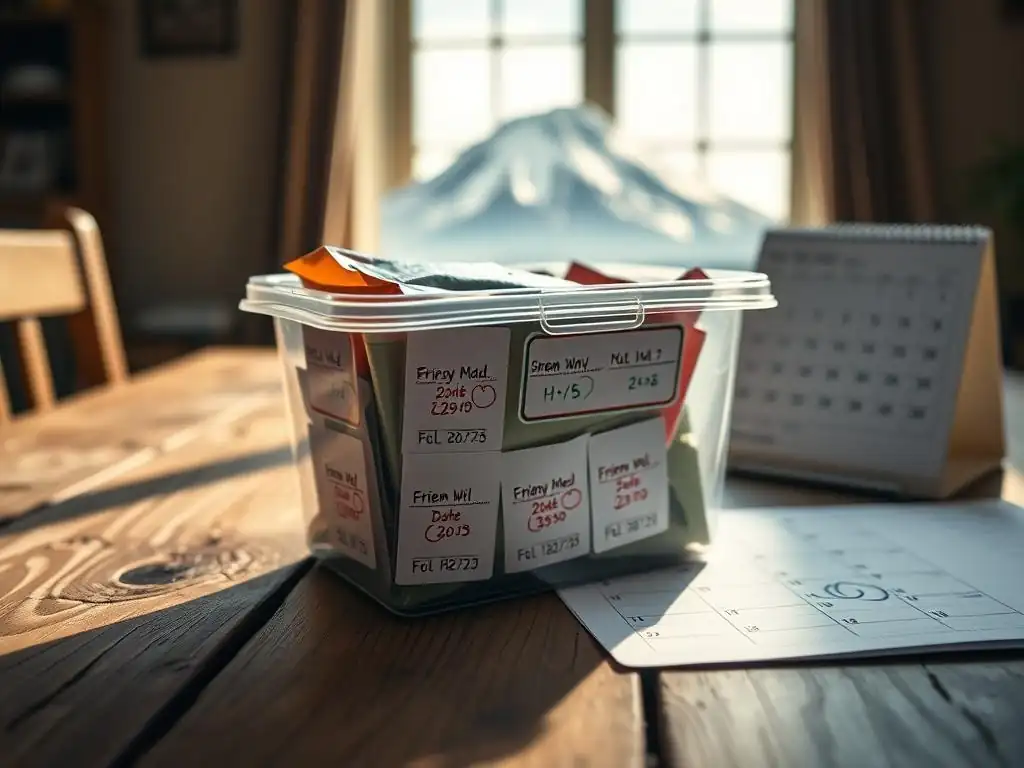
Using Spreadsheets or Apps to Manage Your Emergency Supplies
Staying organized and proactively managing the expiration dates of items in your volcano emergency kit is significantly enhanced by using a dedicated expiration date tracker. Spreadsheets and mobile apps offer effective digital solutions for creating and maintaining such a tracker, providing a centralized and easily accessible record of your emergency supplies and their expiration information. Creating a spreadsheet using programs like Microsoft Excel, Google Sheets, or LibreOffice Calc is a versatile and customizable approach.
In your spreadsheet, create columns for item name, category (food, water, first aid, etc. ), purchase date, manufacturing date (if applicable), expiration date, location in your kit, and notes. Populate the spreadsheet with all items in your volcano emergency kit, diligently recording the relevant dates for each item.
The spreadsheet format allows for easy sorting and filtering. You can sort by expiration date to quickly identify items that are expiring soonest. You can also filter by category to focus on specific types of supplies during inspections.
Mobile apps specifically designed for inventory management or expiration tracking offer even more streamlined solutions. Apps like "Expiration Date Tracker," "Grocery List & Expiration Date Tracker," or general inventory management apps can be adapted for tracking volcano emergency kit supplies. These apps often offer features such as barcode scanning for quick item entry, customizable categories, expiration date reminders, and visual dashboards displaying expiring items.
Many apps allow you to set up recurring reminders to check your kit and update expiration dates, automating the process of regular maintenance. Some apps also offer cloud syncing, allowing you to access your expiration date tracker from multiple devices.
Whether you choose a spreadsheet or a mobile app, the key benefit of using a digital tracker is improved organization, reduced risk of overlooking expiration dates, and proactive management of your volcano emergency supplies. Regularly updating your tracker after inspections and replacements ensures that it remains an accurate and valuable tool for maintaining a well-prepared and effective volcano emergency kit.
Setting Reminders for Replacements
Beyond simply tracking expiration dates, proactively setting reminders for replacements is crucial for ensuring your volcano emergency kit remains consistently up-to-date. Relying solely on manual checks might lead to oversights, and setting reminders ensures that you are prompted to take action before items expire and become unusable.
Utilize calendar applications on your smartphone, computer, or digital calendar services like Google Calendar or Outlook Calendar to set recurring reminders for checking and replacing items in your volcano emergency kit. Create calendar events with titles like "Volcano Emergency Kit Inspection" or "Check Volcano Kit Expiration Dates," and set them to repeat every 6 months or annually, depending on your preferred inspection frequency.
Within the calendar event description, include a checklist of key tasks, such as "Check expiration dates on food, water, medications," "Test emergency radio," "Inspect respirator masks," and "Replenish any used items." Set reminder notifications for these calendar events, giving yourself sufficient advance notice, perhaps a week or two before the scheduled inspection date. For items with shorter shelf lives, or for medications with specific expiration dates, consider setting individual reminders closer to their expiration dates.
For example, if you have medications expiring in 3 months, set a reminder for 2 months from now to prompt you to replace them. Many expiration tracking apps also offer built-in reminder features, allowing you to set notifications for specific items approaching their expiration dates.
Leverage these app features to automate reminders for individual items within your kit. Combining calendar reminders for overall kit inspections with item-specific reminders from tracking apps creates a multi-layered reminder system that minimizes the risk of overlooking expiration dates and ensures timely replacements, keeping your volcano emergency kit consistently ready for any potential eruption.
Real-Life Examples: How Expired Supplies Can Impact Volcano Survival
Case Study 1: Giardiasis Outbreak Due to Expired Water Purification Tablets
Imagine a scenario following a moderate volcanic eruption near a populated area. Volcanic ash has contaminated local water sources, and residents are relying on their volcano emergency kits for survival. One family, the Millers, diligently prepared their kit several years ago, including water purification tablets. When they need to purify water from a nearby stream, they use the water purification tablets from their kit.
Unbeknownst to them, the Aquatabs in their kit expired two years prior. The active ingredient, sodium dichloroisocyanurate, has degraded significantly, rendering the tablets ineffective at killing microorganisms like Giardia lamblia. Despite using the expired tablets, the Millers believe they are drinking purified water.
Within a few days, several family members develop symptoms of giardiasis, including severe diarrhea, abdominal cramps, and nausea. The local medical facilities are overwhelmed due to the volcanic eruption, and the Millers are unable to access timely medical care. Their dehydration from diarrhea further weakens them, making it more difficult to cope with the ongoing volcanic ashfall and disruption.
This hypothetical case study illustrates the real-life consequences of relying on expired water purification tablets. While the Millers had the foresight to include purification tablets in their volcano emergency kit, neglecting to check and replace them rendered this critical component useless, leading to a preventable waterborne illness that significantly impacted their health and well-being during a crisis. This example underscores the importance of not just having emergency supplies, but ensuring they are fresh and effective by diligently managing expiration dates.
Case Study 2: Allergic Reaction Exacerbated by Ineffective Antihistamines During Volcanic Ashfall
Consider another scenario where volcanic ashfall is causing widespread respiratory irritation and allergic reactions in a community near an erupting volcano. Sarah, a resident with a known history of seasonal allergies, experiences a severe allergic reaction to volcanic ash, manifesting as intense itching, hives, and difficulty breathing. Knowing the risks, Sarah had included Benadryl (diphenhydramine) antihistamine tablets in her volcano emergency kit to manage potential allergic reactions.
During the ashfall event, Sarah takes Benadryl tablets from her kit to alleviate her symptoms. However, the Benadryl tablets in her kit expired three years ago. The active ingredient, diphenhydramine, has lost much of its potency.
Despite taking the expired Benadryl, Sarah experiences minimal relief from her allergic reaction. Her symptoms worsen, and her breathing becomes increasingly labored. Due to the volcanic eruption, emergency services are delayed and overwhelmed. Sarah's untreated allergic reaction escalates, requiring more intensive medical intervention when she eventually reaches a medical facility.
This case study highlights the potential dangers of relying on expired medications in a volcano emergency. Sarah's proactive inclusion of antihistamines in her volcano emergency kit was a sound preparedness measure. However, neglecting to replace the expired medication rendered it ineffective, failing to provide the necessary relief during a critical allergic reaction triggered by volcanic ash. This example emphasizes that maintaining the efficacy of medications in your volcano emergency kit through regular expiration date checks and replacements is crucial for ensuring they can effectively address health issues during a volcanic crisis.
Conclusion: Prioritizing Freshness for Volcano Emergency Preparedness
In the face of a volcanic eruption, the effectiveness of your volcano emergency kit is directly tied to the freshness and functionality of its contents. As we've explored, expiration dates on essential supplies are not arbitrary markings, but critical indicators of safety and efficacy.
From water and food to medications and respirator masks, every item in your kit has a limited lifespan and can degrade over time, compromising its ability to protect and sustain you during a volcanic crisis. Ignoring volcano emergency kit expiration dates is akin to neglecting a vital insurance policy – it might seem inconsequential in normal times, but its absence can have devastating consequences when disaster strikes.
Prioritizing freshness in your volcano emergency preparedness is a continuous process that involves regular inspections, diligent tracking of expiration dates, and timely replacements of expired items. By understanding the difference between "Use By" and "Best By" dates, recognizing manufacturing dates, and implementing rotation strategies like FIFO, you can proactively manage your emergency supplies and minimize the risk of relying on ineffective or unsafe items.
Utilizing spreadsheets or apps to track expiration dates and setting reminders for replacements further streamlines this process, ensuring that maintenance becomes an integral part of your volcano preparedness routine. The real-life examples of giardiasis outbreaks and exacerbated allergic reactions due to expired supplies serve as stark reminders of the tangible impact of neglecting expiration dates.
Ultimately, maintaining a fresh and well-stocked volcano emergency kit is an investment in your safety and well-being. It is a proactive step that empowers you to face the challenges of a volcanic eruption with greater confidence and resilience, knowing that your emergency supplies are ready to perform as intended, safeguarding you and your loved ones when you need them most.
Frequently Asked Questions
What's the main reason for checking expiration dates in my volcano emergency kit?
Expiration dates indicate when items may become less effective or unsafe to use. For example, medications might lose potency, and food could become spoiled. This is crucial during a volcanic emergency.
Which items in a volcano emergency kit are most likely to have expiration dates?
Items like food rations, medications (pain relievers, anti-diarrheals), and certain protective gear (respirator masks with filters) often have expiration dates. Check these regularly.
How often should I check the expiration dates in my volcano emergency kit?
It's recommended to check your kit at least twice a year, perhaps when you change your clocks for daylight saving time. This ensures everything is still usable and effective.
What should I do with items in my volcano emergency kit that have expired?
Properly dispose of expired items according to local regulations. Immediately replace them with fresh, unexpired items to maintain the kit's effectiveness.
Does the environment in which I store my volcano emergency kit affect expiration dates?
Yes, extreme temperatures and humidity can accelerate the degradation of items in your kit. Store your kit in a cool, dry place to maximize the lifespan of its contents.
Final Reflection: Embracing Preparedness, Confronting Uncertainty
The exploration of volcano emergency kit expiration dates transcends mere logistical planning; it's a stark reminder of our vulnerability in the face of nature's power. Understanding the lifespan of essential supplies is not just about ticking off boxes on a checklist, but about fostering a mindset of proactive preparedness that could ultimately save lives when disaster strikes.
This awareness ripples far beyond the immediate threat of volcanic activity. It underscores the broader importance of responsible stewardship of resources and the need to anticipate future challenges, both natural and man-made. By failing to prepare, you are preparing to fail.
- Benjamin Franklin. This quote resonates deeply, reminding us that vigilance and foresight are paramount in safeguarding ourselves and our communities.
So, let us not simply file away this knowledge, but rather integrate it into our daily lives. Take a moment to assess your own emergency preparedness, not just for volcanic eruptions, but for any potential crisis. Reflect on the expiration dates of your supplies, the resilience of your plans, and the strength of your community. Only then can we truly face the future with confidence and a spirit of unwavering preparedness.
Okay, I understand. Here's a Call to Action (CTA) tailored for a web article on "The Hidden Calendar: Decoding Expiration Dates in Your Volcano Emergency Kit" on the website Volcano Explorers (volcanoexplorers.org):
Unearth Your Preparedness: Take Action Now!
Thank you for delving into the vital world of expiration dates and ensuring your volcano emergency kit is ready for anything! Now that you understand how to decode those critical dates, it's time to put that knowledge into action and be truly prepared.
Here's how you can fortify your readiness:
- Immediately inspect your volcano emergency kit. Pay close attention to the expiration dates of all food, water, medications, and batteries. This is your primary action!
- Share this vital information with your local volcano preparedness group or community. Help spread awareness and empower others to be ready.
- Consider adding a personalized logbook to your kit to track expiration dates and replacement schedules. This ensures you're always one step ahead.
What unexpected expiration date did you uncover in your kit, and what immediate steps will you take to replace it?