
Volcanic Rock Formations: A Hidden World of Geologic Wonders Beyond Basalt

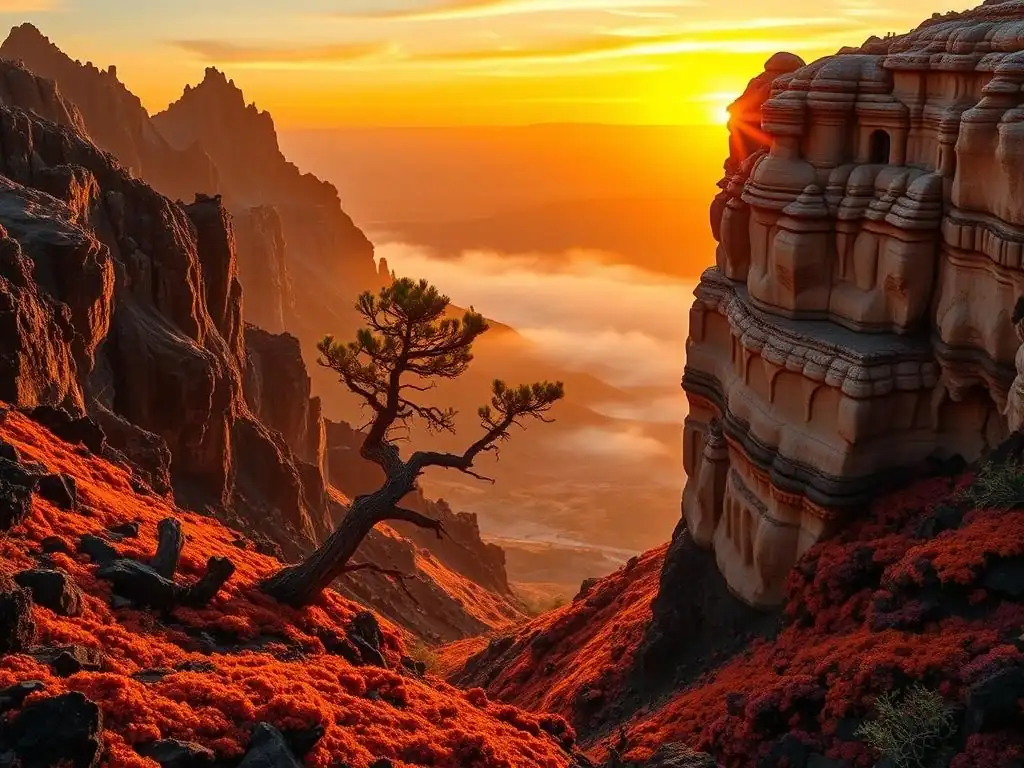
Welcome to Volcano Explorers, where the Earth's fiery heart beats! Prepare to be amazed as we journey beyond the familiar, uncovering the secrets etched in stone by volcanic forces. Are you ready to discover the captivating world of unique volcanic rock formations, a testament to nature's raw power and artistic flair? Dive in and let's explore these geologic wonders together!
Unveiling the Geological Processes Behind Unique Formations
Volcanic rock formations, often perceived as monolithic landscapes of dark basalt, are in reality a testament to the Earth's dynamic and varied geological processes. The incredible diversity in these formations is not a random occurrence but rather the direct result of a complex interplay of factors occurring deep within the Earth and on its surface. These processes begin with the generation of magma in the Earth's mantle or crust, driven by heat and pressure.
The composition of this initial magma, influenced by the source rock and the extent of partial melting, sets the stage for the type of volcanic activity and the resulting rock formations. As magma ascends towards the surface, it undergoes further changes, including differentiation, where minerals crystallize and separate, altering the chemical makeup of the remaining melt and thus influencing the final rock type and structure.
The journey of magma from its source to the surface, and its subsequent interaction with the environment, is a critical determinant of the unique volcanic rock formations we observe. Factors such as the rate of ascent, the presence of water (either groundwater or surface water), and the style of eruption – whether effusive or explosive – all contribute to the final shape and texture of the volcanic landscape.
For instance, slow, effusive eruptions of low-viscosity basaltic lava can create vast, gently sloping shield volcanoes and extensive lava flows, while explosive eruptions of high-viscosity rhyolitic magma can lead to towering stratovolcanoes and widespread ash deposits. Understanding these fundamental geological processes is key to appreciating the full spectrum of volcanic rock formations beyond the common perception of basalt dominance.
Introduction to Volcanic Landscapes and Magma Composition
Volcanic landscapes are far from monotonous; they are dynamic and varied terrains, sculpted by the Earth's internal heat and the relentless forces of nature. From the towering peaks of stratovolcanoes to the expansive plains of flood basalts, and the submerged wonders of pillow lava fields, the diversity is breathtaking. This remarkable variety in volcanic landscapes is intrinsically linked to the composition of the magma that fuels volcanic activity.
Magma is not simply molten rock; it is a complex mixture of molten and semi-molten rock, volatile gases, and suspended crystals. The chemical makeup of this mixture, particularly the silica content, plays a pivotal role in determining the physical properties of the magma and, consequently, the type of volcanic rock formation.
The silica content of magma is paramount because it directly influences viscosity – the resistance to flow. Magmas rich in silica, like rhyolitic magmas, are highly viscous, meaning they are thick and sticky, tending to trap gases and lead to explosive eruptions and formations like steep-sided lava domes.
Conversely, magmas low in silica, such as basaltic magmas, are less viscous, flowing more readily and allowing gases to escape more easily, leading to gentler effusive eruptions and extensive lava flows that can solidify into basalt columns and other unique volcanic rock formations. Therefore, understanding magma composition is essential to deciphering the origin and characteristics of the diverse tapestry of volcanic landscapes and the fascinating rock structures they comprise.
- Unveiling the Geological Processes Behind Unique Formations
- Introduction to Volcanic Landscapes and Magma Composition
- What are some examples of unique volcanic rock formations beyond the commonly known basalt?
- How do unique volcanic rock formations contribute to the landscape?
- What factors influence the creation of unique volcanic rock formations?
- Can unique volcanic rock formations be dangerous?
- Where can I see examples of unique volcanic rock formations?
Frequently Asked Questions
What are some examples of unique volcanic rock formations beyond the commonly known basalt?
Beyond basalt, you can find formations like columnar jointing in hexagonal shapes, pahoehoe lava with its ropy texture, and lava tubes that form underground tunnels. These are all created by different cooling and flow patterns of lava.
How do unique volcanic rock formations contribute to the landscape?
These formations significantly shape the landscape by creating distinctive landforms, such as volcanic plugs, lava domes, and unusual rock structures that attract tourists and provide habitats for unique ecosystems.
What factors influence the creation of unique volcanic rock formations?
The formation of these structures is influenced by factors like the lava's composition, its viscosity (thickness), the cooling rate, and the presence of water or other materials during the eruption and subsequent cooling.
Can unique volcanic rock formations be dangerous?
Yes, some formations can pose risks. For example, unstable cliffs formed by columnar jointing can collapse, and lava tubes can be dangerous to explore due to potential gas build-up and structural instability.
Where can I see examples of unique volcanic rock formations?
Many locations around the world showcase these wonders. Examples include Devil's Tower in Wyoming (columnar jointing), Hawaii Volcanoes National Park (pahoehoe lava), and Lava Beds National Monument in California (lava tubes).
Final Reflection: Embracing Earth's Fiery Artistry
The journey through the world of unique volcanic rock formations reveals more than just geological oddities; it underscores the dynamic and ever-changing nature of our planet. From the towering basalt columns to the delicate pumice landscapes, these formations are a testament to the powerful forces that shape our world, forces that continue to mold and redefine our understanding of Earth's history.
The sheer diversity of these formations has profoundly influenced my perspective on the natural world. It's a reminder that beauty and wonder can be found in the most unexpected places, born from chaos and intense heat. The earth has music for those who listen.
This quote, often attributed to Shakespeare, resonates deeply when considering the silent symphony etched into these volcanic landscapes, a testament to the Earth's enduring creativity.
As we conclude this exploration, I invite you to look beyond the familiar and seek out the hidden wonders in your own surroundings. Let the story of volcanic rock formations inspire you to appreciate the power and artistry of nature, and to recognize the profound connection we share with the planet that sustains us. Consider how you can contribute to preserving these unique landscapes for future generations, ensuring that their fiery tales continue to inspire awe and wonder for years to come.
Unearth Your Inner Geologist!
Thanks for exploring the captivating world of volcanic rock formations with us! We hope you've discovered a newfound appreciation for the geological artistry found beyond basalt. Now, let's put that knowledge to use and connect with the incredible power of volcanoes.
Here are a few ways to continue your exploration:
- Plan a Field Trip: Explore the unique volcanic rock formations in your local area or a nearby national park. Witnessing their grandeur firsthand is an unforgettable experience!
- Share Your Discoveries: Post your favorite volcanic rock formation photos on social media using #VolcanoExplorers and tag us! Let's build a community of volcano enthusiasts.
- Research a Specific Formation: Delve deeper! Choose a rock formation, such as Columnar Basalt or Pillow Lava, and create a short presentation or write a blog post summarizing its origins and significance.
Ready to start your next volcanic adventure? Which fascinating volcanic site will you explore next?