
Home, Car, and Beyond: Volcano Kits for Every Location in Your Life


Welcome to Volcano Explorers!
Ever wondered if you're truly prepared when the Earth decides to rumble? This isn't just about knowing what a volcano is; it's about knowing what to do. Dive in to discover essential strategies for crafting volcano emergency preparedness kits – not just for your home, but for your car and beyond. What critical supplies are missing from your current plan? Let's find out...
- Wildfire, Earthquake, and Flood Kits for Every Location in Your Life
- Emergency Preparedness Kits: A Location-Based Approach
- Why Location Matters: Tailoring Your Safety Kit
- Building the Ultimate Home Emergency Kit
- Your Car Emergency Kit: On-the-Go Safety
- Workplace Preparedness Kit: Staying Safe at Work
- Customizing Your Preparedness Kits: Specific Needs
- Storing and Maintaining Your Emergency Preparedness Kits
- Beyond the Kit: Comprehensive Preparedness Strategies
-
Frequently Asked Questions
- What is a volcano emergency preparedness kit, and why do I need one?
- What are the most important items to include in my volcano emergency preparedness kit?
- How does a volcano emergency preparedness kit for my home differ from one for my car?
- Where can I find real-time updates on volcanic activity to help inform my preparedness efforts?
- Besides a physical kit, what other preparations should I make to be ready for a volcanic eruption?
- Final Reflection: Embracing Preparedness, One Volcano Kit at a Time
- Ignite Your Inner Volcanologist!
Wildfire, Earthquake, and Flood Kits for Every Location in Your Life
Emergency Preparedness Kits: A Location-Based Approach
Emergency preparedness is not a one-size-fits-all endeavor. The optimal safety kit varies significantly depending on your geographic location and the specific risks you face. For instance, residents in California must prepare for wildfires and earthquakes, while those in the Midwest need to consider tornadoes and blizzards. Similarly, coastal communities brace for hurricanes, and areas near rivers plan for potential floods. Ignoring these location-specific threats can render a generic emergency kit inadequate when a crisis strikes. A comprehensive approach to emergency preparedness begins with understanding the unique hazards of your home, workplace, and even your car's typical routes.
Consider the dramatic differences in required supplies. A wildfire emergency kit in California might prioritize respiratory protection from smoke and heat-resistant clothing, while a flood kit in Louisiana would emphasize waterproof containers and perhaps even flotation devices. An earthquake kit in Japan would include sturdy shoes for navigating debris and tools for rescuing people trapped under rubble.
Therefore, a location-based approach is not just about being prepared; it's about being effectively prepared, ensuring your kit contains the right tools and supplies for the most likely emergencies you will face in your specific environment. This tailored strategy maximizes your safety and resilience when disaster strikes.
Why Location Matters: Tailoring Your Safety Kit
The rationale behind location-specific emergency kits is simple yet crucial: different geographical areas are prone to different types of disasters. Trying to use a generic "all-hazards" kit in every situation is akin to using a Swiss Army knife to build a house – versatile but not optimal for any specific task.
Tailoring your emergency preparedness kit to your location ensures that you have the most relevant and effective tools and supplies to mitigate the risks you are most likely to encounter. This targeted approach not only increases your chances of safety and survival but also makes the process of preparing less overwhelming and more manageable.
For example, imagine a family living near the Ring of Fire. Their primary concerns might revolve around earthquakes, volcanic eruptions, and tsunamis. Their home emergency kit would necessitate items like N95 masks to filter volcanic ash, sturdy containers to protect supplies from earthquake damage, and potentially even a portable NOAA weather radio to receive tsunami warnings.
Conversely, a family residing in the Great Plains might focus on tornado preparedness, requiring a kit with a battery-operated weather radio to monitor tornado warnings, helmets for head protection during a storm, and a robust first-aid kit for potential injuries from flying debris. Recognizing these distinct regional needs is the foundation of effective emergency preparedness.
Understanding Hazards Near Your Home
Identifying the specific hazards near your home is the first step in creating a truly effective home emergency kit. This involves understanding the natural disaster risks prevalent in your region. Are you in an area prone to earthquakes, wildfires, hurricanes, floods, tornadoes, or volcanic eruptions? Each of these hazards presents unique challenges and requires specific preparedness measures. Consult local government websites, emergency management agencies, and geological surveys to gain a clear picture of the risks in your area. For example, the United States Geological Survey (USGS) provides detailed information about earthquake and volcano hazards across the United States.
Beyond natural disasters, consider other potential emergencies specific to your home's location. Are you near industrial facilities that could pose a risk of chemical spills? Are you in an area with a high crime rate, necessitating security measures in your kit? Is your home susceptible to power outages due to severe weather or an aging infrastructure?
For instance, homes in heavily wooded areas might face increased risks of prolonged power outages after storms. Understanding these localized risks allows you to customize your home emergency kit to address the most probable scenarios. This proactive approach is far more effective than relying on a generic kit that may not address your most pressing needs.
Car Emergency Kit Essentials: Mobility and Safety
A car emergency kit is often overlooked, yet it's a critical component of overall preparedness. Your car is an extension of your home, and you could find yourself stranded in it during various emergencies, from severe weather events to unexpected breakdowns in remote areas. Imagine being caught in a sudden blizzard or a flash flood while commuting home. A well-stocked car emergency kit can be the difference between a minor inconvenience and a life-threatening situation. These kits are designed to provide essential supplies to keep you safe and mobile until help arrives or you can safely reach your destination.
The core of a car emergency kit revolves around mobility and safety. Essentials include jumper cables for a dead battery, a tire jack and spare tire for flat tires, and basic tools like a wrench and screwdriver for minor repairs. Safety items are equally crucial and should include a first-aid kit for injuries, reflective triangles or flares to warn other drivers, and blankets for warmth in cold weather.
In regions prone to specific hazards, like wildfires or volcanic eruptions, additional items become vital. For example, in wildfire-prone areas, consider including a fire extinguisher and a window hammer for escape. In areas with volcanic ashfall risk, dust masks and eye protection are essential additions to your car kit to ensure safe breathing and visibility.
Workplace Preparedness: Protecting Yourself at Work
Workplace preparedness is often underestimated, yet many individuals spend a significant portion of their day at work. Just as you prepare your home and car, having a workplace emergency kit and a plan is crucial for your safety and the safety of your colleagues. Workplaces can be vulnerable to a range of emergencies, from fires and power outages to severe weather and even active shooter situations. A well-prepared workplace not only minimizes risks but also fosters a culture of safety and resilience, ensuring everyone knows how to respond effectively during a crisis.
Workplace preparedness extends beyond just having a kit. It involves creating a comprehensive emergency plan that outlines evacuation routes, shelter-in-place procedures, and communication protocols. Essential items for a workplace safety kit include a first-aid kit, non-perishable food and water, a flashlight, and a battery-operated radio for information updates. Furthermore, consider the specific hazards of your workplace. For example, a laboratory might require specialized spill cleanup kits, while a high-rise office building needs detailed fire evacuation plans. Individual preparedness also plays a role, encouraging employees to have personal emergency kits with items like medications, comfort snacks, and personal hygiene supplies.
Building the Ultimate Home Emergency Kit
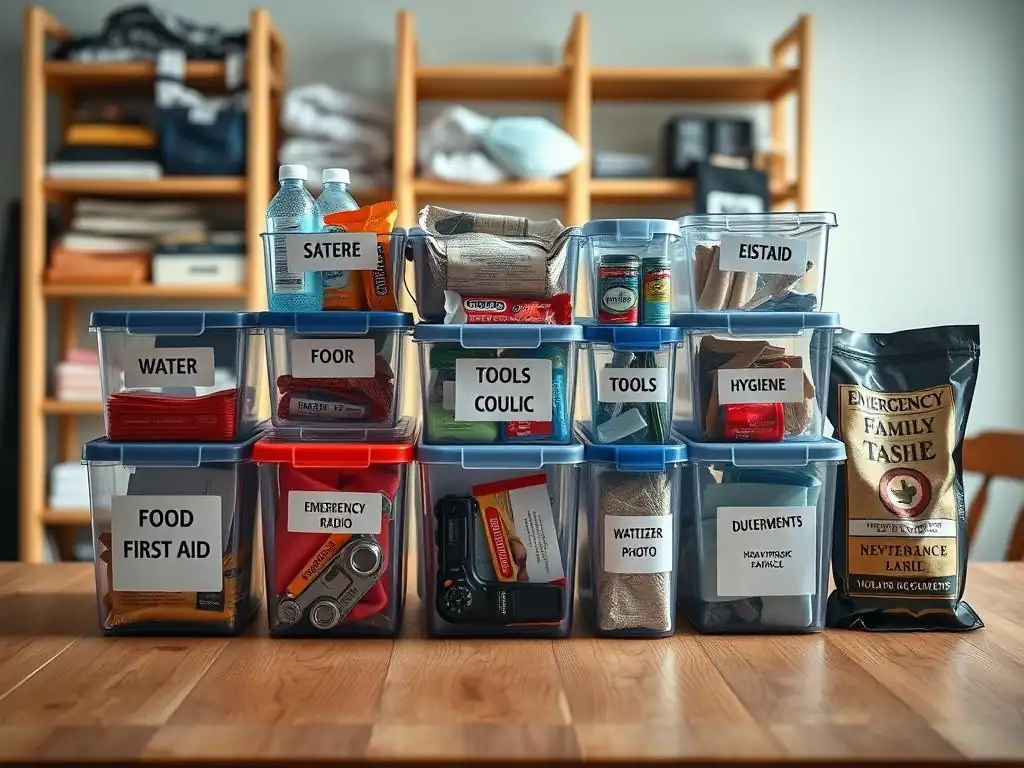
A comprehensive home emergency kit is the cornerstone of family preparedness. It's designed to sustain you and your household for at least 72 hours, and ideally longer, in the event of a disaster that disrupts essential services like electricity, water, and access to stores. Building an ultimate home emergency kit is not about panic buying; it's about thoughtful planning and assembling essential resources that will provide comfort, safety, and sustenance during a challenging time. This kit should be stored in an easily accessible location, and all family members should know where it is and what it contains.
The key to an effective home emergency kit is organization and comprehensiveness. Start with the basic necessities: food, water, shelter, warmth, communication, and first aid. Then, tailor the kit to your family's specific needs, considering factors like the number of people, ages, dietary restrictions, and any medical conditions. Regularly review and update your kit, checking expiration dates on food and medications, and replacing used items. Think of your home emergency kit as an investment in your family's safety and well-being, providing peace of mind knowing you are prepared to face unexpected challenges.
Essential Supplies for Home Preparedness
Essential supplies for home preparedness fall into several key categories, each vital for survival and comfort during an emergency. These categories include food and water, shelter and warmth, communication and information, first aid and sanitation, and essential tools and supplies. Ensuring your kit is well-stocked across these categories provides a holistic approach to preparedness, addressing a wide range of potential needs during a crisis. Prioritize items based on your family's specific requirements and the most likely hazards in your area.
Within each category, specific items are particularly important. For food and water, aim for non-perishable items with a long shelf life, like canned goods, energy bars, and dried fruits, and store at least one gallon of water per person per day. For shelter and warmth, blankets, sleeping bags, and tarps are crucial. Communication and information needs are met by battery-operated or hand-crank radios, and a whistle for signaling.
A well-stocked first-aid kit is indispensable, along with sanitation items like moist towelettes and trash bags. Essential tools include a multi-tool, duct tape, and a wrench to turn off utilities. These core supplies form the foundation of a robust home emergency kit.
Food and Water for an Emergency
Food and water are the most fundamental elements of any emergency preparedness kit. In a disaster scenario, access to clean water and food supplies can be severely disrupted, making pre-stored provisions critical for survival. The recommended guideline is to have at least a three-day supply of non-perishable food and water for each person in your household, but aiming for a longer duration, such as a week or two, provides a greater safety margin. Proper storage and selection of food and water are crucial to ensure their usability when needed.
For water storage, bottled water is convenient and readily available, but consider also using food-grade water storage barrels for larger quantities. Remember to replace stored water every six months to maintain freshness. For food, focus on non-perishable items that require minimal preparation and are nutritionally balanced. Canned goods like beans, vegetables, and fruits, along with canned meats or fish, are excellent choices.
Energy bars, granola bars, and dried fruits provide quick energy. Consider including items that require only water to prepare, such as dehydrated meals, for added convenience. Remember to account for any dietary needs or restrictions within your household when selecting food items.
Shelter and Warmth During an Event
Shelter and warmth are paramount during an emergency, especially if you are forced to evacuate your home or if your home becomes uninhabitable due to damage or loss of utilities. Maintaining body temperature and having a safe place to rest are crucial for health and well-being during a crisis. Your home emergency kit should include items that provide protection from the elements and help retain body heat, ensuring comfort and preventing hypothermia in cold conditions and overexposure in hot weather.
Essential shelter and warmth items include blankets, sleeping bags, and emergency thermal blankets (space blankets). For colder climates, consider heavier blankets and extra layers of clothing, including hats, gloves, and scarves. If you live in an area prone to extreme heat, include items like lightweight, breathable clothing and cooling towels. Tarps and plastic sheeting can be used to create temporary shelters or to reinforce damaged structures. Consider the specific climate and potential weather conditions in your area when assembling your shelter and warmth supplies to ensure they are adequate for the most likely scenarios.
Communication and Information in a Crisis
Maintaining communication and access to information during an emergency is vital for staying informed about the situation, receiving alerts and instructions from authorities, and connecting with family and loved ones. In many disaster scenarios, normal communication channels like cell phone networks and internet services may be disrupted or unavailable. Therefore, a well-prepared emergency kit must include alternative communication tools and methods for receiving critical information.
A battery-operated or hand-crank NOAA weather radio is essential for receiving official weather alerts and emergency broadcasts. These radios provide reliable information even when power is out. Consider including a whistle for signaling for help if you are trapped or need to attract attention.
Pre-program emergency contact numbers into your cell phone and consider having a physical list of important numbers in case your phone is lost or damaged. While cell phones may not always be reliable during widespread emergencies, having a portable power bank to recharge your phone can extend its usability. Being able to communicate and access information can significantly improve your safety and ability to respond effectively during a crisis.
Assembling Your Home Preparedness Kit Checklist
Assembling a home preparedness kit can seem daunting, but breaking it down into a checklist makes the process more manageable and ensures you don't overlook essential items. This checklist approach allows you to systematically gather supplies, track your progress, and regularly review and update your kit. Start with the core categories of essential supplies and then customize the checklist to your family's specific needs and the hazards prevalent in your area. Regularly revisiting and updating this checklist will keep your kit current and effective.
A basic home preparedness kit checklist should include:
- Water: One gallon per person per day for at least three days (bottled water or water in food-grade containers).
- Food: Non-perishable food supply for at least three days (canned goods, energy bars, dried fruits, etc. ).
- First-Aid Kit: Comprehensive kit with bandages, antiseptic wipes, pain relievers, gauze, tape, etc.
- Battery-Operated or Hand-Crank Radio: NOAA weather radio and a standard radio for emergency broadcasts.
- Flashlight: With extra batteries, or a hand-crank flashlight.
- Whistle: For signaling for help.
- Dust Mask: To filter contaminated air.
- Plastic Sheeting and Duct Tape: For shelter or sealing windows.
- Moist Towelettes, Trash Bags, and Plastic Ties: For personal sanitation.
- Wrench or Pliers: To turn off utilities.
- Can Opener: For canned food (non-electric).
- Local Maps: In case GPS is unavailable.
- Cell Phone with Chargers and a Portable Power Bank.
- Copies of Important Documents: In a waterproof, portable container.
- Cash: In case electronic transactions are unavailable.
- Prescription Medications and Eyeglasses: As needed for family members.
- Infant Formula and Diapers: If applicable.
- Pet Food and Extra Water for Pets: If applicable.
This checklist provides a solid foundation for building your home preparedness kit. Remember to customize it based on your specific circumstances and regularly review and replenish supplies as needed.
Your Car Emergency Kit: On-the-Go Safety
A car emergency kit is your safety net when you are away from home, providing essential resources in case of breakdowns, accidents, or unexpected emergencies while traveling. Unlike a home kit that is stationary, a car kit needs to be compact, portable, and contain items specifically useful in a vehicle-related emergency. Think of it as a mobile survival kit that ensures you can handle minor car troubles, stay safe in severe weather, or provide basic first aid until help arrives. Keeping a well-stocked car emergency kit in your vehicle year-round is a crucial aspect of overall preparedness.
The contents of a car emergency kit should be tailored to the typical driving conditions and potential hazards in your region. For example, drivers in snowy areas would prioritize items like a snow shovel and ice scraper, while those in desert regions might focus on extra water and sun protection. Regardless of location, certain core items are universally essential, such as tools for car repairs, first-aid supplies, and items for signaling and communication. Regularly check your car emergency kit to ensure items are in good working order, batteries are charged, and food and water supplies are fresh.
Must-Have Items for Your Vehicle Preparedness Kit
Several items are considered must-haves for any vehicle preparedness kit, forming the core of your on-the-go safety resources. These items address common car emergencies and provide basic necessities for safety and comfort while stranded. Prioritize items that are versatile, durable, and easy to use, even in challenging conditions. A well-equipped car kit significantly increases your self-reliance and safety when you encounter unexpected vehicle troubles or emergency situations on the road.
Essential items for a vehicle preparedness kit include:
- Jumper Cables: For jump-starting a dead battery.
- Tire Jack and Spare Tire: Ensure your spare tire is properly inflated and you know how to change a tire.
- Tire Iron/Wrench: For removing lug nuts.
- Basic Toolkit: Including a wrench, screwdriver, pliers, and duct tape for minor repairs.
- First-Aid Kit: Smaller, vehicle-specific kit with bandages, antiseptic wipes, pain relievers, etc.
- Reflective Triangles or Flares: For signaling for help and warning other drivers.
- Flashlight: With extra batteries or a hand-crank flashlight.
- Blanket: For warmth in cold weather.
- Water: Bottled water, at least one per person.
- Non-Perishable Snacks: Energy bars, granola bars, etc.
- Cell Phone Charger (Car Adapter): To keep your phone charged.
- Road Maps: Physical maps in case GPS is unavailable.
- Ice Scraper and Snow Shovel (for snowy regions).
- Gloves: Work gloves for changing tires or making repairs.
These items provide a solid foundation for your vehicle preparedness kit. Consider adding items specific to your region's hazards and your personal needs.
Navigation and Communication Tools for Vehicle Safety
Navigation and communication tools are crucial components of a vehicle emergency kit, ensuring you can find your way and seek help when needed. In emergency situations, relying solely on your vehicle's built-in navigation system or cell phone GPS may not be reliable due to power outages or network disruptions. Having backup navigation and communication tools can be the difference between getting back on track and being completely stranded and unable to call for assistance.
Essential navigation and communication tools for vehicle safety include:
- Road Maps (Physical): Paper maps of your region and any areas you frequently travel to. These are essential backups when GPS is unreliable.
- Compass: A basic compass can be invaluable if you need to navigate without maps or electronic devices.
- Whistle: For signaling for help if you are stranded and need to attract attention.
- Cell Phone Car Charger: Keep your phone charged while driving to ensure you can make calls in an emergency.
- Two-Way Radio or CB Radio: In areas with poor cell service, a two-way radio can allow you to communicate with other drivers or emergency services (depending on range and availability).
- Pre-programmed Emergency Contacts in Phone: Ensure emergency contacts are easily accessible on your phone.
Having these navigation and communication tools in your vehicle kit provides redundancy and ensures you have options for finding your way and seeking help even in challenging circumstances.
First Aid and Medical Supplies for Car Emergencies
A first-aid kit specifically designed for car emergencies is a vital component of vehicle preparedness. Accidents, injuries, and medical emergencies can occur while on the road, and having a well-stocked first-aid kit allows you to provide immediate care until professional medical help arrives. Car first-aid kits should be compact enough to store easily in your vehicle but comprehensive enough to handle common injuries and medical situations.
Essential first-aid and medical supplies for car emergencies include:
- Adhesive Bandages (various sizes): For minor cuts and scrapes.
- Antiseptic Wipes: For cleaning wounds.
- Gauze Pads and Rolls: For controlling bleeding and dressing wounds.
- Medical Tape: To secure bandages.
- Pain Relievers (Ibuprofen or Acetaminophen): For pain and fever relief.
- Antiseptic Ointment: To prevent infection.
- Scissors: For cutting bandages or clothing.
- Tweezers: For removing splinters or debris.
- Instant Cold Packs: For sprains and swelling.
- Latex-Free Gloves: To protect yourself while administering first aid.
- First-Aid Guidebook: For reference on treating various injuries.
- CPR Mask: For performing CPR (if trained).
- Emergency Blanket (Space Blanket): To treat shock and keep someone warm.
Customize your car first-aid kit based on your family's specific medical needs and consider taking a basic first-aid and CPR course to enhance your ability to respond effectively in a medical emergency.
Protective Gear for Various Hazards in Your Car
Protective gear in your car emergency kit is essential for shielding yourself from various hazards you might encounter while on the road, especially during emergencies. This gear can protect you from weather elements, debris, and other dangers, enhancing your safety and comfort in challenging situations. The specific protective gear you need will depend on your region's climate and the types of hazards you are most likely to face.
Essential protective gear for various hazards in your car includes:
- Work Gloves: For changing tires, clearing debris, or performing minor repairs.
- Rain Poncho or Waterproof Jacket: To stay dry in rain or snow.
- Warm Hat and Gloves (for cold climates): For protection against cold weather.
- Sunscreen and Lip Balm (for sunny climates): To protect against sun exposure.
- Dust Mask or N95 Mask: To filter out dust, smoke, or volcanic ash.
- Safety Glasses or Goggles: To protect your eyes from debris or dust.
- Reflective Vest: To increase visibility if you need to walk along the road.
- Sturdy Shoes or Boots: In case you need to walk long distances or navigate rough terrain.
- Window Hammer/Seatbelt Cutter: For escaping your vehicle in an emergency (especially if prone to flooding).
Having this protective gear readily available in your car kit ensures you are prepared to face a variety of environmental and emergency conditions safely and effectively.
Maintaining Your Car Emergency Kit
Maintaining your car emergency kit is just as important as assembling it. A kit that is neglected or outdated may not be effective when you need it most. Regular maintenance ensures that your supplies are in good condition, batteries are charged, and food and water are fresh. Make it a habit to check your car emergency kit periodically, ideally every few months, to ensure it is ready for any unexpected situation.
Key maintenance tasks for your car emergency kit include:
- Check Expiration Dates: Regularly inspect food, water, and medications for expiration dates and replace them as needed.
- Test Batteries: Test batteries in flashlights and radios to ensure they are still functional. Replace batteries regularly or consider using hand-crank or rechargeable devices.
- Inspect First-Aid Kit: Check the contents of your first-aid kit and replace any used or expired items.
- Check Spare Tire Pressure: Ensure your spare tire is properly inflated.
- Review and Update Contents: Periodically review the contents of your kit and update it based on changing needs or seasonal considerations.
- Store Kit Properly: Ensure your kit is stored securely in your vehicle, preferably in a location that is easily accessible but won't be damaged by temperature extremes or shifting cargo.
Regular maintenance of your car emergency kit ensures that it remains a reliable resource for your safety and preparedness on the road.
Workplace Preparedness Kit: Staying Safe at Work
Workplace preparedness is often overlooked, but it's essential for ensuring your safety and the safety of your colleagues during emergencies that can occur at work. Whether it's a fire, power outage, severe weather, or another type of crisis, being prepared at work can significantly reduce risks and improve response times. A workplace preparedness kit, combined with a comprehensive emergency plan, creates a safer and more resilient work environment for everyone.
Workplace preparedness involves both individual and organizational efforts. Employers have a responsibility to develop and implement emergency plans and provide essential safety resources. Employees, in turn, should familiarize themselves with these plans, participate in drills, and consider having a personal workplace emergency kit with items specific to their needs. A collaborative approach to workplace preparedness ensures that everyone is informed, trained, and equipped to respond effectively during an emergency.
Creating a Workplace Emergency Plan
Creating a comprehensive workplace emergency plan is the foundation of workplace preparedness. This plan outlines procedures and protocols for responding to various emergencies, ensuring that employees know what to do, where to go, and how to communicate during a crisis. A well-developed emergency plan should be documented, communicated to all employees, and regularly reviewed and updated to reflect changing conditions and best practices.
Key elements of a workplace emergency plan include:
- Hazard Assessment: Identify potential hazards specific to your workplace, such as fire, chemical spills, severe weather, or security threats.
- Evacuation Procedures: Establish clear evacuation routes, assembly points, and procedures for different types of emergencies. Conduct regular evacuation drills.
- Shelter-in-Place Procedures: Define procedures for sheltering-in-place when evacuation is not safe or feasible. Identify designated shelter locations within the workplace.
- Communication Protocols: Establish communication methods for alerting employees about emergencies, providing updates, and coordinating response efforts. This may include alarms, public address systems, email, or text message alerts.
- Emergency Contact Information: Maintain up-to-date emergency contact information for employees, emergency services, and key personnel.
- First-Aid and Medical Response: Outline procedures for providing first aid and medical assistance to injured employees. Ensure first-aid kits are readily available and employees are trained in basic first aid and CPR.
- Emergency Kit Locations: Designate locations for workplace emergency kits and ensure employees know where they are and what they contain.
- Training and Drills: Conduct regular training sessions and drills to familiarize employees with the emergency plan and procedures.
A well-crafted workplace emergency plan is a proactive measure that significantly enhances workplace safety and resilience.
Essential Items for a Workplace Safety Kit
A workplace safety kit complements the workplace emergency plan by providing essential supplies for employees during various emergencies. These kits are typically designed to be individual kits that employees can keep at their desks or in personal lockers, ensuring they have immediate access to basic necessities in a crisis. Workplace safety kits should be compact, portable, and contain items relevant to workplace emergencies and personal needs.
Essential items for a workplace safety kit include:
- Water: Bottled water or water pouches.
- Non-Perishable Snacks: Energy bars, granola bars, etc.
- First-Aid Kit (Small Personal Kit): Bandages, antiseptic wipes, pain relievers.
- Flashlight (Small): With extra batteries or a hand-crank flashlight.
- Whistle: For signaling for help.
- Dust Mask or N95 Mask: To filter contaminated air.
- Moist Towelettes: For personal sanitation.
- Comfort Items: Such as a small book, stress ball, or personal hygiene items.
- Emergency Contact Information: A printed list of emergency contacts.
- Medications (Personal): Any prescription or over-the-counter medications you need regularly.
Encourage employees to personalize their workplace safety kits based on their individual needs and any specific medical conditions.
Communication Systems for Workplace Emergencies
Effective communication systems are critical for workplace emergencies, ensuring that alerts, instructions, and updates can be disseminated quickly and reliably to all employees. During a crisis, normal communication channels may be disrupted, making it essential to have redundant and robust communication systems in place. These systems should be designed to reach all employees, regardless of their location within the workplace, and should be tested regularly to ensure functionality.
Key communication systems for workplace emergencies include:
- Public Address (PA) System: For broadcasting announcements and instructions throughout the workplace.
- Emergency Alert System: A dedicated system for sending out emergency alerts via email, text message, or desktop notifications.
- Two-Way Radios: For communication between emergency response teams and key personnel.
- Visual Alarms: Flashing lights or strobes to alert individuals with hearing impairments or in noisy environments.
- Employee Call-Down Lists: A system for quickly contacting employees via phone or email to check on their status or disseminate information.
- Designated Communication Channels: Establish specific communication channels for different types of emergencies and ensure employees are aware of these channels.
A multi-layered communication approach, utilizing a combination of these systems, provides the most reliable and effective means of disseminating information during workplace emergencies.
Emergency Supplies for Workplace Sheltering
In some emergencies, such as severe weather or hazardous materials incidents, sheltering-in-place may be the safest course of action at the workplace. Workplace sheltering requires designated shelter locations and emergency supplies to sustain employees safely within the workplace until the emergency passes or it is safe to evacuate. Planning for workplace sheltering is a crucial aspect of workplace preparedness, ensuring employees have access to basic necessities and a safe environment during a shelter-in-place event.
Essential emergency supplies for workplace sheltering include:
- Food and Water (Shelter Supplies): Larger quantities of non-perishable food and water stored in designated shelter locations.
- First-Aid Kits (Shelter Supplies): More comprehensive first-aid kits for shelter locations to handle potential injuries during sheltering.
- Blankets and Sleeping Bags (Shelter Supplies): For warmth and comfort in shelter locations.
- Sanitation Supplies (Shelter Supplies): Portable toilets, toilet paper, trash bags, and hand sanitizer for sanitation in shelter locations.
- Lighting (Shelter Supplies): Battery-operated lanterns or flashlights for shelter locations, in case of power outages.
- Communication Devices (Shelter Supplies): Battery-operated radios or two-way radios in shelter locations to maintain communication with emergency responders or management.
- Tools and Supplies (Shelter Supplies): Basic tools like wrenches, pliers, duct tape, and plastic sheeting for shelter locations, for minor repairs or sealing windows.
These shelter supplies, stored in designated shelter locations, ensure that employees can safely and comfortably shelter-in-place at the workplace for an extended period if necessary.
Evacuation Procedures and Route Planning for the Workplace
Evacuation procedures and route planning are critical components of a workplace emergency plan, ensuring that employees can safely and efficiently evacuate the workplace in the event of a fire, hazardous materials release, or other emergencies. Well-defined evacuation routes, clearly marked exits, and regular evacuation drills are essential for ensuring a smooth and orderly evacuation, minimizing confusion and potential injuries.
Key elements of evacuation procedures and route planning for the workplace include:
- Clearly Marked Evacuation Routes: Post evacuation route maps throughout the workplace, indicating primary and secondary evacuation routes, exit locations, and assembly points.
- Designated Assembly Points: Establish designated assembly points outside the workplace, away from potential hazards, where employees should gather after evacuating.
- Emergency Exits: Ensure emergency exits are clearly marked, well-lit, and unobstructed. Regularly inspect and maintain emergency exits to ensure they are functional.
- Evacuation Drills: Conduct regular evacuation drills, at least annually, to familiarize employees with evacuation procedures, routes, and assembly points. Evaluate drill performance and make adjustments to the plan as needed.
- Accountability Procedures: Establish procedures for accounting for all employees after evacuation, such as roll calls at assembly points.
- Assistance for Individuals with Disabilities: Plan for assisting individuals with disabilities during evacuation, ensuring they have the necessary support and resources to evacuate safely.
- Emergency Lighting: Ensure emergency lighting systems are in place and functional to illuminate evacuation routes during power outages.
Well-planned and practiced evacuation procedures are crucial for ensuring the safe and timely evacuation of all employees during workplace emergencies.
Customizing Your Preparedness Kits: Specific Needs
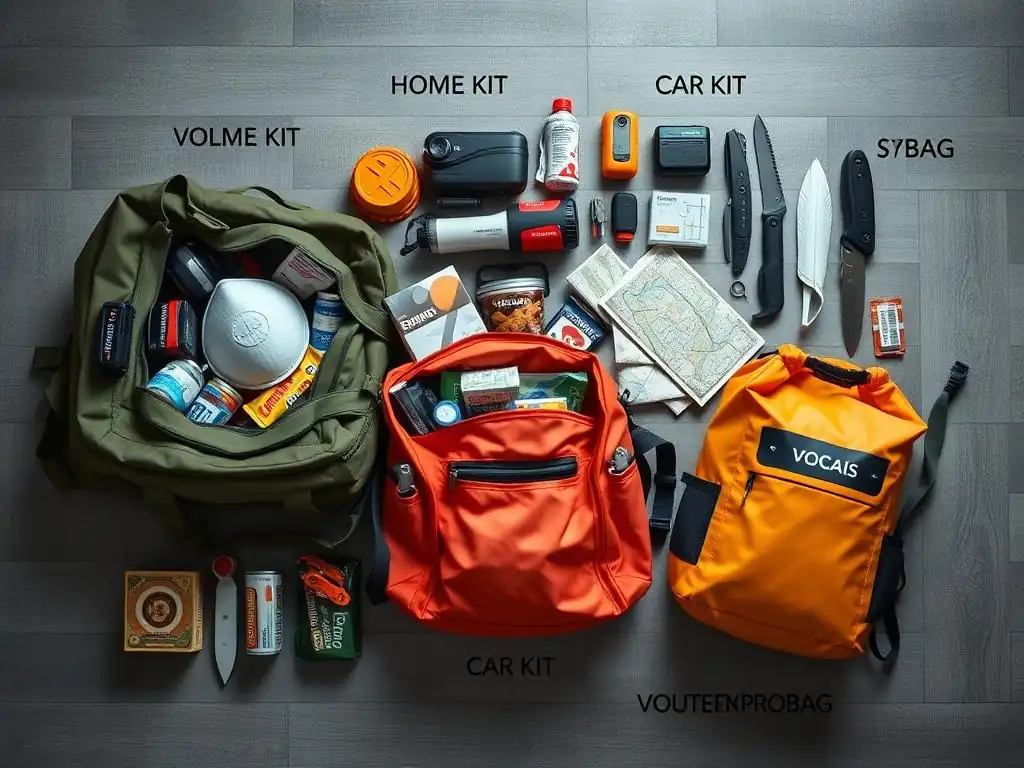
While general emergency preparedness kits provide a solid foundation, customizing your kits to address specific needs and circumstances significantly enhances their effectiveness. This customization involves considering the unique requirements of different populations, such as children, seniors, individuals with disabilities, and pets, as well as adapting kits for specific regional hazards. Tailoring your preparedness kits ensures that they are truly relevant and responsive to the diverse needs of your household and the specific threats you may face.
Customization is not just about adding extra items; it's about thoughtful consideration of individual vulnerabilities and location-specific risks. For example, kits for families with infants would include baby formula and diapers, while kits for seniors might prioritize medications and mobility aids. In hurricane-prone areas, kits would emphasize waterproof containers and supplies for extended power outages, while in earthquake zones, kits would include sturdy containers and tools for search and rescue. This personalized approach makes emergency preparedness more effective and meaningful.
Adapting Kits for Children, Seniors, and Individuals with Disabilities
Emergency preparedness kits should be adapted to address the unique needs of vulnerable populations, including children, seniors, and individuals with disabilities. These groups may have specific medical requirements, dietary needs, mobility limitations, or communication challenges that require tailored preparedness measures. Failing to consider these specific needs can significantly compromise their safety and well-being during an emergency.
When adapting kits for children, include items like comfort toys, familiar snacks, and age-appropriate activities to reduce anxiety and provide distraction. For seniors, prioritize medications, hearing aid batteries, eyeglasses, and mobility aids like walkers or canes. For individuals with disabilities, consider specific needs related to their disability, such as extra batteries for wheelchairs or communication devices, visual or auditory alert systems, and personal care items. Consult with healthcare providers or disability organizations to identify specific needs and ensure your emergency kits are appropriately customized to provide comprehensive support for these vulnerable populations.
Pet Emergency Preparedness: Protecting Your Animals
Pets are integral members of many families, and their safety and well-being should be a priority in emergency preparedness planning. Just as you prepare for human family members, you need to create emergency plans and kits for your pets, ensuring they have the necessary supplies and care during a disaster. Ignoring pet preparedness can lead to unnecessary stress and risks for both you and your animals during an emergency situation.
Pet emergency preparedness involves several key steps. First, create a pet emergency kit that includes pet food, water, medications, a leash, a carrier or crate, vaccination records, and identification tags. Second, develop an evacuation plan that includes your pets, identifying pet-friendly shelters or hotels in advance.
Third, ensure your pets are properly identified with microchips and up-to-date tags in case they get separated from you during an emergency. Practice pet evacuation drills with your animals to familiarize them with the process and reduce stress during a real emergency. Remember, "if it's not safe for you, it's not safe for your pets" – prioritize their safety alongside your own.
Considerations for Specific Regional Hazards: Hurricanes, Tornadoes, Blizzards
Emergency preparedness kits should be tailored to address the specific regional hazards prevalent in your area. Different regions face different types of disasters, and a generic "all-hazards" kit may not adequately address the unique challenges posed by these location-specific threats. Whether you live in a hurricane-prone coastal area, a tornado-prone plains region, or a blizzard-prone northern state, customizing your kits for these specific hazards is crucial for effective preparedness.
For hurricane-prone areas, kits should include waterproof containers to protect supplies from flooding, extra batteries for radios and flashlights due to extended power outages, and supplies for securing windows and doors. In tornado-prone regions, kits should include helmets for head protection during storms, sturdy shoes for navigating debris, and a NOAA weather radio to monitor tornado warnings.
For blizzard-prone areas, kits should prioritize warm clothing, blankets, extra fuel for generators, and supplies for dealing with prolonged power outages and snowbound conditions. Research the specific hazards in your region and consult local emergency management agencies for recommendations on customizing your preparedness kits to address these unique risks effectively.
Storing and Maintaining Your Emergency Preparedness Kits
Proper storage and regular maintenance are essential for ensuring the long-term effectiveness of your emergency preparedness kits. Kits that are improperly stored can be damaged by temperature extremes, moisture, or pests, rendering their contents unusable when needed most. Similarly, neglecting maintenance tasks like checking expiration dates and replacing used items can leave your kit incomplete or ineffective in a crisis. Establishing a system for storing and maintaining your kits is a crucial step in ensuring your preparedness efforts are worthwhile.
Effective storage involves choosing locations that are easily accessible, protected from the elements, and known to all family members. Maintenance should be a routine task, scheduled at regular intervals, to ensure your kits are always up-to-date and ready for use. Think of kit maintenance as an investment in your safety and peace of mind, ensuring that your preparedness resources are reliable and effective when you need them most.
Proper Storage for Long-Term Kit Effectiveness
Proper storage is crucial for preserving the contents of your emergency preparedness kits and ensuring their long-term effectiveness. Ideal storage locations are cool, dry, and dark, protecting supplies from temperature extremes, moisture, and sunlight, which can degrade food, water, and other essential items. Kits should also be stored in locations that are easily accessible in an emergency but are also secure and out of reach of children or pets.
Recommended storage locations include:
- Cool, Dry Closets: Interior closets, especially those on lower floors, often provide stable temperature and humidity conditions.
- Under Beds: Space under beds can be used for storing bins or containers of emergency supplies.
- Basements (if dry): Basements can be suitable if they are dry and not prone to flooding. Store kits off the floor to protect from moisture.
- Garages or Sheds (with caution): Garages and sheds can be used if climate-controlled, but avoid uninsulated spaces where temperatures fluctuate significantly.
- Storage Bins or Containers: Use airtight, waterproof storage bins or containers to protect kit contents from moisture, pests, and damage. Label containers clearly for easy identification.
Avoid storing kits in attics, car trunks, or other locations exposed to extreme temperatures or direct sunlight, as these conditions can degrade supplies and shorten their shelf life.
Regular Inspections and Replacements: Keeping Your Kit Up-to-Date
Regular inspections and replacements are essential maintenance tasks for keeping your emergency preparedness kits up-to-date and effective. These tasks involve periodically reviewing the contents of your kits, checking expiration dates, replacing used or expired items, and updating supplies based on changing needs or seasonal considerations. Establishing a schedule for regular inspections and replacements ensures that your kits remain a reliable resource for emergency preparedness.
Recommended maintenance tasks include:
- Check Expiration Dates: Inspect food, water, medications, and batteries for expiration dates every 3-6 months. Replace expired items promptly.
- Test Batteries: Test batteries in flashlights and radios during inspections. Replace batteries regularly, even if not fully depleted, to ensure they are functional when needed.
- Inspect First-Aid Kit: Check the contents of your first-aid kit and replace any used or expired items. Replenish bandages, antiseptic wipes, and other consumables as needed.
- Review and Update Contents: Annually review the overall contents of your kits and update them based on changing family needs, seasonal considerations, or new information about local hazards.
- Rotate Food and Water: Implement a system for rotating stored food and water to use older items first and ensure that fresh supplies are always available.
- Schedule Regular Inspections: Set calendar reminders or tie kit inspections to recurring events, such as daylight saving time changes or seasonal transitions, to ensure maintenance is performed consistently.
Regular inspections and replacements are crucial for maintaining the readiness and effectiveness of your emergency preparedness kits.
Practicing Emergency Drills: Preparing for Real-World Scenarios
Practicing emergency drills is a vital component of preparedness, transforming your theoretical knowledge and well-stocked kits into practical skills and effective responses during real-world emergencies. Drills allow you to test your emergency plans, identify weaknesses, and refine your procedures before a crisis strikes. They also familiarize family members or employees with emergency protocols, reducing confusion and panic during an actual event.
Types of emergency drills to practice include:
- Evacuation Drills: Practice evacuating your home or workplace, following designated evacuation routes, and gathering at assembly points. Time your drills to assess evacuation efficiency.
- Shelter-in-Place Drills: Practice sheltering-in-place at home or work, identifying shelter locations, and practicing communication protocols within the shelter.
- First-Aid Drills: Practice basic first-aid procedures, such as bandaging wounds or treating minor injuries, using your first-aid kit.
- Communication Drills: Practice using communication tools like radios or emergency contact lists to ensure they are functional and everyone knows how to use them.
- Kit Retrieval Drills: Practice quickly locating and retrieving your emergency kits from their storage locations.
Regularly conducting these drills, at least annually, and ideally more frequently, significantly enhances your preparedness and response capabilities, making you more resilient in the face of emergencies.
Beyond the Kit: Comprehensive Preparedness Strategies
While emergency preparedness kits are essential, comprehensive preparedness extends beyond simply assembling supplies. It involves adopting a proactive and holistic approach that includes monitoring potential hazards, understanding evacuation routes, and staying informed and educated about emergency risks and response strategies. Comprehensive preparedness is about building resilience at all levels – individual, family, workplace, and community – to effectively mitigate the impacts of emergencies.
Beyond the kit, comprehensive preparedness encompasses:
- Staying Informed: Regularly monitoring weather forecasts, emergency alerts, and official information sources to stay aware of potential hazards.
- Developing Emergency Plans: Creating detailed emergency plans for home, work, and travel, outlining procedures for different types of emergencies.
- Practicing Drills and Exercises: Regularly practicing emergency drills to familiarize yourself and your family with emergency plans and procedures.
- Community Engagement: Participating in community preparedness initiatives, volunteering with emergency response organizations, and building social connections within your neighborhood.
- Financial Preparedness: Having emergency savings, insurance coverage, and copies of important financial documents readily accessible.
- Mental and Emotional Preparedness: Developing coping mechanisms for stress and trauma, and seeking support when needed.
Comprehensive preparedness is a continuous process of learning, planning, and practicing, building resilience and enhancing your ability to respond effectively to any emergency situation.
Monitoring Activity and Receiving Alerts
Monitoring potential hazards and receiving timely alerts are crucial components of comprehensive preparedness. Staying informed about developing threats allows you to take proactive measures to protect yourself and your family, whether it's preparing your emergency kits, evacuating to a safer location, or sheltering-in-place. Reliable sources of information and effective alert systems are essential for providing early warnings and actionable guidance during emergencies.
Recommended methods for monitoring activity and receiving alerts include:
- NOAA Weather Radio: A battery-operated or hand-crank NOAA weather radio provides 24/7 access to official weather forecasts, watches, and warnings from the National Weather Service.
- Local News and Media: Monitor local television, radio, and online news sources for weather updates, emergency alerts, and official announcements.
- Emergency Alert Systems (EAS): Be aware of your local Emergency Alert System and Wireless Emergency Alerts (WEA) that broadcast alerts to mobile devices.
- Government Emergency Management Agencies: Follow your local, state, and federal emergency management agencies on social media and sign up for email or text message alerts.
- Weather Apps and Websites: Utilize weather apps and websites on your smartphone or computer to track weather conditions and receive alerts.
- Community Alert Systems: Participate in community-based alert systems, such as neighborhood watch programs or community emergency response teams (CERT), that may provide local hazard information and alerts.
Utilizing a combination of these monitoring and alert systems ensures you receive timely and reliable information to make informed decisions during emergencies.
Understanding Evacuation Routes and Emergency Shelters
Understanding evacuation routes and knowing the locations of emergency shelters are vital aspects of preparedness, especially for those living in areas prone to hazards that may require evacuation, such as hurricanes, wildfires, or volcanic eruptions. Evacuation plans and shelter information provide essential guidance for safely relocating to a designated safe area when it is necessary to leave your home or workplace. Familiarizing yourself with evacuation routes and shelter options in advance can significantly improve your safety during an evacuation.
Key steps for understanding evacuation routes and emergency shelters include:
- Identify Evacuation Routes: Consult local emergency management agencies or government websites to identify designated evacuation routes for your area. Familiarize yourself with these routes and practice driving them.
- Locate Emergency Shelters: Identify the locations of designated emergency shelters in your community. Shelter locations may vary depending on the type of emergency and may be announced by emergency management agencies during an event.
- Pet-Friendly Shelters: If you have pets, research pet-friendly shelter options in advance, as not all shelters accept pets.
- Evacuation Zone Maps: If you live in a coastal or hazard-prone area, obtain evacuation zone maps from your local emergency management agency to determine if you live in an evacuation zone and which routes to use.
- Family Evacuation Plan: Develop a family evacuation plan that includes designated meeting points, communication methods, and transportation arrangements.
- Shelter-in-Place vs. Evacuation: Understand when it is safer to evacuate and when it is safer to shelter-in-place. Follow official guidance from emergency management agencies.
Having a clear understanding of evacuation routes and shelter options, and incorporating this information into your emergency plans, enhances your ability to evacuate safely and effectively when necessary.
Staying Informed and Educated About Hazards
Staying informed and educated about the hazards you face is an ongoing process that is crucial for comprehensive preparedness. Understanding the nature of potential emergencies, their warning signs, and appropriate response actions empowers you to make informed decisions and take effective measures to protect yourself and your family. Continuous learning and information gathering are key to building resilience and adapting your preparedness strategies to evolving risks.
Recommended resources for staying informed and educated about hazards include:
- Government Emergency Management Agencies: Utilize websites, publications, and training programs offered by local, state, and federal emergency management agencies.
- National Weather Service (NWS): Access weather information, forecasts, and hazard alerts from the NWS website and NOAA Weather Radio.
- United States Geological Survey (USGS): Consult USGS websites for information about earthquakes, volcanoes, and other geological hazards.
- American Red Cross: Participate in Red Cross preparedness courses, workshops, and online resources.
- Community Emergency Response Teams (CERT): Join or participate in CERT programs to receive training in disaster preparedness and response.
- Library and Online Resources: Utilize libraries and reputable online sources to research specific hazards and preparedness strategies.
- Local Community Groups: Engage with local community groups and neighborhood organizations involved in emergency preparedness initiatives.
Continuously seeking information and education about hazards and preparedness strategies enhances your knowledge, skills, and resilience, making you better prepared to face any emergency situation.
Frequently Asked Questions
What is a volcano emergency preparedness kit, and why do I need one?
A volcano emergency preparedness kit is a collection of essential items to help you survive during and after a volcanic eruption. You need one because volcanoes can pose significant hazards, like ashfall and lahars, making evacuation necessary.
What are the most important items to include in my volcano emergency preparedness kit?
Key items include a dust mask or respirator, eye protection (goggles), a first-aid kit, a battery-powered radio, and plenty of water and non-perishable food. These items will help protect you from ash and provide basic necessities.
How does a volcano emergency preparedness kit for my home differ from one for my car?
A home kit should be larger, with enough supplies for your entire household for at least 72 hours, including extra clothing and blankets. A car kit should be smaller and more portable, focusing on immediate needs during evacuation.
Where can I find real-time updates on volcanic activity to help inform my preparedness efforts?
Websites like VolcanoExplorers.org, and official government geological survey websites, provide real-time monitoring data and alerts about volcanic activity worldwide. Staying informed is crucial for effective preparedness.
Besides a physical kit, what other preparations should I make to be ready for a volcanic eruption?
Develop a family evacuation plan, know your local emergency routes, and stay informed about the volcano's activity level through official channels. Practice your plan regularly to ensure everyone knows what to do.
Final Reflection: Embracing Preparedness, One Volcano Kit at a Time
The information presented underscores the critical need for proactive volcano emergency preparedness, especially in vulnerable regions. While the threat of volcanic eruption might seem distant, the reality is that these events can occur with little warning, demanding immediate and effective response. Investing in a volcano emergency preparedness kit isn't just about acquiring supplies; it's about investing in peace of mind and the safety of ourselves and our loved ones.
The impact of volcanic eruptions extends far beyond the immediate vicinity, affecting air quality, infrastructure, and even global climate patterns. This realization highlights the interconnectedness of our world and the importance of individual responsibility in mitigating potential disasters. The best preparation for tomorrow is doing your best today.
- H. Jackson Brown, Jr. This quote resonates deeply, reminding us that taking small steps now, like assembling a volcano emergency kit, can make a world of difference when faced with unforeseen challenges.
As you consider the information shared, I urge you to reflect on your own preparedness. Are you ready to face the unexpected? Take the initiative to assess your needs, assemble your volcano emergency kit, and empower yourself with the knowledge and resources to navigate any volcanic event. Your preparedness is not just for yourself; it's a contribution to the resilience of your community and a testament to your commitment to a safer future.
Ignite Your Inner Volcanologist!
Thank you for exploring the world of at-home volcanology with us! Now that you've learned about choosing the perfect volcano kit for any location, it's time to put your knowledge into action. Ready to unleash your creativity and have some scientific fun?
Here's how to get started:
- Build your next volcano today! Don't forget to document the eruption process.
- Share your creation with us by posting a photo or video on social media using the hashtag #VolcanoExplorers. Let's see those fiery masterpieces!
- Explore our other amazing science kits and learning resources on VolcanoExplorers.org – who knows what other scientific adventures await?
What will your next volcano project be, and what kind of eruption will you create? Share your plans in the comments below!