
Volcano Hiking with Toddlers: Gentle Trails and Amazing Views for Little Legs

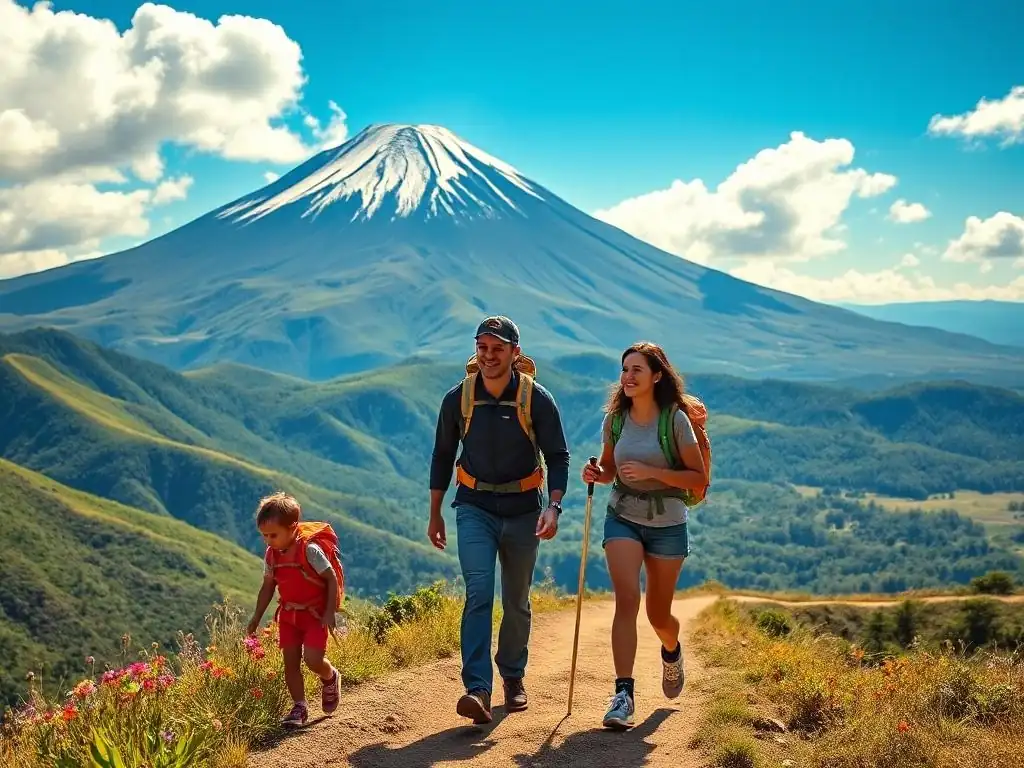
Welcome to Volcano Explorers!
Dare to approach the edge of the world? Prepare to be captivated! Volcano Hiking with Toddlers might seem like a daunting adventure, but we're here to unveil the surprisingly accessible and breathtaking experiences awaiting your family. Discover gentle trails and unforgettable views that will ignite a lifelong passion for volcanology in even the smallest explorers. Intrigued? Let's uncover the secrets to safe and spectacular volcano adventures tailored for little legs.
- Introduction: Discovering Family-Friendly Volcano Hiking Trails
- Why Choose Volcano Hikes for Your Family Adventure?
- Finding the Best Family-Friendly Volcano Hiking Trails: Key Considerations
- Top Family-Friendly Volcano Hiking Trail Recommendations
- Essential Gear for Volcano Hiking with Toddlers
- Tips for a Successful Volcano Hike with Toddlers
- Safety Considerations for Volcano Hiking with Young Children
- Conclusion: Creating Lasting Memories on Family-Friendly Volcano Adventures
-
Frequently Asked Questions
- What makes a volcano hiking trail "family-friendly"?
- Are there specific features to look for when hiking with toddlers near volcanoes?
- How can I ensure my toddler's safety while hiking near a volcano?
- What types of volcanoes are best suited for hiking with young children?
- Where can I find information about current volcanic activity and potential hazards before planning a hike?
- Final Reflection: Igniting a Lifelong Love of Nature
- Unleash Your Little Explorer: Plan Your Family Volcano Adventure Today!
Introduction: Discovering Family-Friendly Volcano Hiking Trails
Embarking on a volcano hike with toddlers might sound daunting, but it’s an incredibly rewarding experience for the whole family. Imagine witnessing the raw power of nature and breathtaking volcanic landscapes through the eyes of your little ones. Many volcanic areas offer surprisingly accessible and gentle trails perfect for introducing young children to the wonders of geology and the great outdoors.
These family-friendly volcano hiking trails provide a unique blend of adventure, education, and stunning scenery, creating unforgettable memories for families seeking outdoor exploration together. With a little planning and the right approach, volcano hiking can become a cherished family activity, fostering a love for nature and adventure from a young age.
This article is your guide to discovering the best family-friendly volcano hiking trails, ensuring a safe and enjoyable experience for everyone. We'll explore what makes a trail suitable for toddlers, highlight some top trail recommendations, discuss essential gear, and share practical tips for making your volcano adventure a resounding success. Get ready to explore the volcanic world with your little explorers!
Why Choose Volcano Hikes for Your Family Adventure?
Volcano hikes offer a unique and enriching experience that goes beyond typical nature walks. For families, they provide an unparalleled opportunity to combine outdoor recreation with hands-on learning about Earth science. Imagine your toddler’s awe as they witness steam vents hissing or colorful mineral deposits staining the volcanic rock. These are tangible examples of geological processes that can spark curiosity and a lifelong interest in science and nature. Volcanic landscapes are often dramatically beautiful, offering panoramic views and otherworldly terrain that captivates both adults and children alike.
Beyond the educational aspect, volcano hikes encourage physical activity and outdoor engagement for the whole family. Gentle trails designed for families allow even the youngest members to participate, fostering a sense of accomplishment and shared adventure. Breathing in the fresh, often crisp, air at higher elevations, and experiencing the unique ecosystems that thrive in volcanic environments, are benefits that contribute to both physical and mental well-being. Moreover, these shared experiences create strong family bonds and lasting memories, making volcano hikes a truly special choice for your family adventures.
Finding the Best Family-Friendly Volcano Hiking Trails: Key Considerations
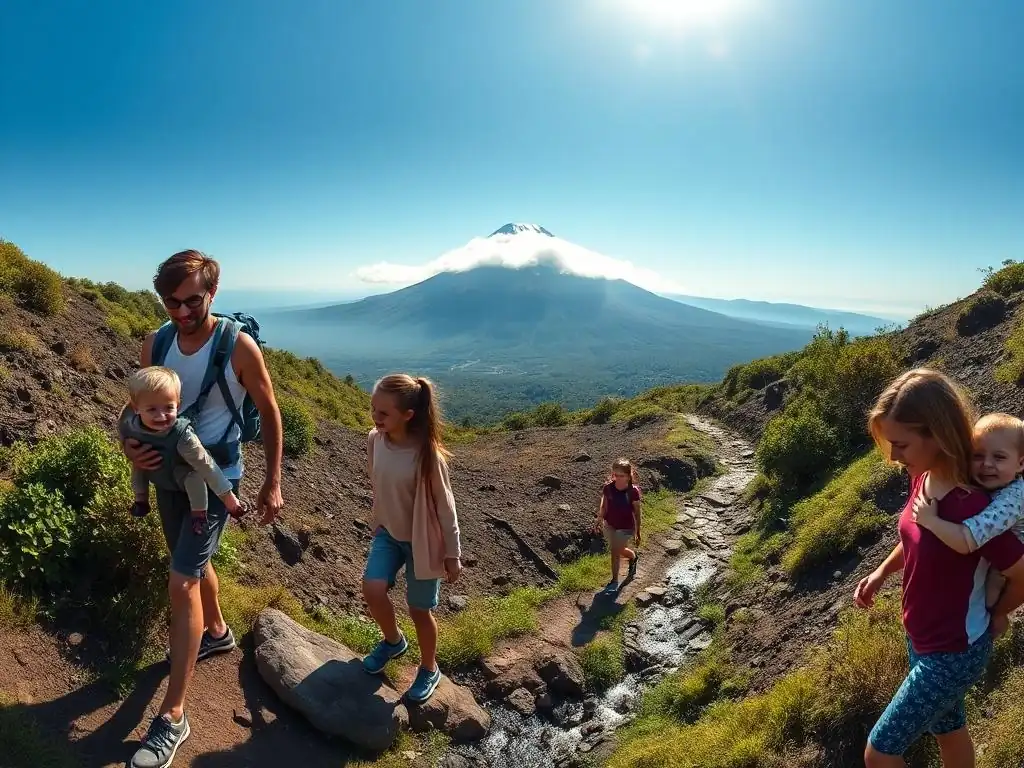
Choosing the right trail is paramount for a successful volcano hike with toddlers. Not all trails are created equal, and what might be a moderate hike for adults can be challenging or even unsafe for little legs. Prioritizing your toddler's needs and abilities is key to ensuring a fun and safe experience for everyone. Several key considerations should guide your trail selection process, focusing on accessibility, safety, and engagement for young children.
These considerations include distance and elevation gain, the trail surface and terrain, and the availability of scenic views and points of interest to keep children engaged and motivated. Carefully evaluating these factors for each potential trail will help you identify family-friendly volcano hiking trails that are perfectly suited for your toddler's first volcanic adventures. Let's delve into each of these key considerations in more detail.
Distance and Elevation Gain: Keeping Little Legs Happy
When hiking with toddlers, distance and elevation gain are crucial factors to consider. Toddlers have short legs and limited stamina, so long or steep trails can quickly lead to fatigue and frustration. For toddlers, even a mile can feel like a significant distance. Starting with shorter trails, ideally under 2 miles roundtrip, is highly recommended. Look for trails specifically marked as "easy" or "family-friendly" that are known for their shorter distances. Gradually increasing the distance as your child grows and gains hiking experience is a good approach.
Elevation gain should also be minimal for toddler hikes. Steep inclines can be tiring and challenging for little ones, especially when combined with uneven terrain. Trails with gentle, gradual inclines are much more suitable. Consider trails that are relatively flat or have only slight changes in elevation. For example, trails with less than 200 feet of elevation gain are generally considered manageable for toddlers. Remember to factor in the altitude as well. Higher altitudes can affect toddlers more quickly, so starting at lower elevations and gradually acclimatizing is important if you are planning hikes at higher volcanic areas.
Trail Surface and Terrain: Safety First
The surface and terrain of a trail are critical safety considerations when hiking with toddlers. Uneven, rocky, or slippery trails can pose tripping hazards and increase the risk of falls. Opting for trails with well-maintained surfaces is essential for toddler safety. Paved or gravel trails are ideal as they provide a smooth and stable walking surface. Boardwalk trails are also excellent choices, particularly in areas with unique volcanic features like steam vents or mud pots, as they offer a safe and designated path.
Avoid trails with loose rocks, steep drop-offs, or overgrown vegetation that can obscure the path. Trails with clear signage and well-defined paths are also preferable, reducing the risk of getting lost or straying off-trail. Consider the weather conditions as well. Rain can make even easy trails slippery, so checking the forecast and choosing trails that are less prone to becoming muddy or slick in wet conditions is advisable. Prioritizing safety by selecting appropriate trail surfaces and terrains ensures a more enjoyable and secure hiking experience for your toddler.
Scenic Views and Points of Interest: Keeping Them Engaged
Keeping toddlers engaged and motivated on a hike is crucial to preventing boredom and meltdowns. Scenic views and points of interest along the trail can be incredibly effective in capturing their attention and making the hike more enjoyable. Volcanic landscapes naturally offer a wealth of fascinating sights, from dramatic crater views to unique geological formations and unusual plant life. Choose trails that offer visual rewards and opportunities for discovery.
Trails with viewpoints overlooking volcanic craters, lava fields, or steam vents are excellent choices. Look for trails that pass by interesting geological features like lava tubes, cinder cones, or mineral deposits. Interpretive signs along the trail can also enhance engagement by providing age-appropriate information about the volcanic environment and its history. Even small details, like spotting unique volcanic rocks or observing birds adapted to the volcanic landscape, can pique a toddler's curiosity. Incorporating elements of exploration and discovery into your hike will help keep your little ones entertained and enthusiastic throughout the adventure.
Top Family-Friendly Volcano Hiking Trail Recommendations
Several volcanic destinations offer exceptional family-friendly hiking trails perfectly suited for toddlers. These trails prioritize ease of access, safety, and captivating scenery, ensuring a memorable experience for young adventurers. Here are a few top recommendations, showcasing trails in Hawai'i Volcanoes National Park and Lassen Volcanic National Park, known for their diverse volcanic landscapes and family-oriented trails.
These trails have been selected based on their suitability for toddlers, considering factors like distance, terrain, and points of interest. Each recommendation includes specific details about why the trail is great for toddlers, key features to look out for, gear suggestions to enhance the experience, and relevant CPC keywords for further research on related products.
Kilauea Iki Trail - Hawai'i Volcanoes National Park
- Why it's Great for Toddlers: The Kilauea Iki Trail in Hawai'i Volcanoes National Park offers a fantastic introduction to volcano hiking for toddlers due to its relatively short loop of approximately 3.3 miles. While the full loop might be ambitious for very young toddlers, families can easily enjoy a shorter portion of the trail, especially the paved sections near the trailhead. The initial descent into the crater is moderately steep but manageable with a carrier, and the views into the Kilauea Iki crater are truly awe-inspiring.
- Key Features: The trail boasts dramatic views into the Kilauea Iki crater, a solidified lava lake from a 1959 eruption. The hike transitions through lush rainforest sections before descending into the crater itself, offering a diverse landscape experience. Birdwatching opportunities are abundant in the rainforest section, adding another layer of interest for children. The solidified lava lake floor is relatively flat and easy to walk on, providing a unique and otherworldly hiking experience.
- Gear Recommendation: For carrying toddlers comfortably on this trail, the Deuter Kid Comfort Active SL Hiking Carrier is an excellent choice. Its lightweight design and comfortable fit make it suitable for parents, while providing a secure and enjoyable ride for children. To protect delicate skin from the strong Hawaiian sun, Thinkbaby SPF 50+ Sunscreen is recommended.
- Affiliate Link: [Link to Deuter Kid Comfort Active SL Hiking Carrier on Amazon or REI - Insert Affiliate Link Here]
- CPC Keyword: "Best Hiking Carrier for Toddlers"
Devastation Trail - Lassen Volcanic National Park
- Why it's Great for Toddlers: Devastation Trail in Lassen Volcanic National Park is exceptionally family-friendly, particularly for toddlers. It is a completely paved, flat, and very short trail, approximately half a mile roundtrip. This minimal distance and lack of elevation change make it perfect for even the smallest legs. The trail's name aptly describes the landscape it traverses, showcasing the stark beauty of an area devastated by a volcanic eruption in the early 20th century.
- Key Features: The trail offers stunning views of the Chaos Crags, a cluster of lava domes, and the Devastated Area, a landscape dramatically altered by volcanic blast. Interpretive signs are placed along the trail, providing accessible explanations of the volcanic events that shaped the area, making it educational for both children and adults. The paved surface is stroller-friendly, allowing families with very young children to easily navigate the trail.
- Gear Recommendation: For families with babies or toddlers who prefer strollers, the BOB Revolution Flex 3.0 Stroller is well-suited for this paved trail. Its robust wheels can handle slightly uneven pavement, providing a smooth ride. To enhance the viewing experience of the volcanic landscape, Celestron Kids Binoculars can be used to bring distant features into closer view for children.
- Affiliate Link: [Link to BOB Revolution Flex 3.0 Stroller on Amazon or a stroller retailer - Insert Affiliate Link Here]
- CPC Keyword: "Best Strollers for Hiking"
Sulphur Banks Trail - Hawai'i Volcanoes National Park
- Why it's Great for Toddlers: The Sulphur Banks Trail in Hawai'i Volcanoes National Park is another excellent option for volcano hiking with toddlers, primarily due to its extremely easy and accessible nature. It's a flat boardwalk trail, approximately 1.2 miles roundtrip, making it manageable even for very young children to walk independently for portions of it. The boardwalk surface ensures a safe and stable walking experience, even in wet conditions. The trail showcases active volcanic features up close in a safe manner.
- Key Features: The trail passes through an area of active fumaroles, vents releasing volcanic gases, and sulphur deposits, creating a visually and olfactorily stimulating experience (expect the smell of sulphur!). Unique plant life adapted to the acidic and gaseous volcanic conditions can be observed along the trail, offering an educational glimpse into volcanic ecology. The boardwalk construction protects the delicate volcanic environment and keeps visitors at a safe distance from the fumaroles.
- Gear Recommendation: To keep toddlers hydrated in the often warm volcanic environment, a Hydro Flask Kids Water Bottle is a durable and insulated option. For carrying snacks to keep energy levels up during the short hike, a Munchkin Snack Catcher is a convenient and spill-resistant choice.
- Affiliate Link: [Link to Hydro Flask Kids Water Bottle on Amazon or a sporting goods retailer - Insert Affiliate Link Here]
- CPC Keyword: "Insulated Water Bottles for Kids"
Essential Gear for Volcano Hiking with Toddlers
Having the right gear is essential for a comfortable and safe volcano hiking experience with toddlers. While you don't need extensive equipment, certain items can significantly enhance your hike and cater to the specific needs of young children. Focus on gear that prioritizes comfort, safety, and convenience for both parents and toddlers.
Key gear categories include hiking carriers for younger toddlers, sun protection to shield delicate skin, hydration and snacks to maintain energy levels, and a basic first-aid kit for minor bumps and scrapes. Investing in quality gear within these categories will contribute significantly to a more enjoyable and worry-free family volcano hiking adventure.
Hiking Carriers: Keeping Them Comfortable and Safe
For toddlers who are not yet walking independently or for longer stretches, a hiking carrier is indispensable. Hiking carriers allow parents to comfortably and safely carry their child while keeping their hands free for balance and navigation. There are various types of hiking carriers available, ranging from framed backpacks designed specifically for hiking to softer, more minimalist carriers. Framed carriers typically offer more support for both the child and the parent, with features like adjustable harnesses, sunshades, and storage compartments.
When choosing a hiking carrier, prioritize comfort and safety features. Look for carriers with adjustable harnesses to ensure a snug and secure fit for your child. Padded shoulder straps and hip belts are crucial for distributing weight comfortably for the parent. Sunshades and rain covers are beneficial for protecting your child from the elements. Consider the weight and packability of the carrier as well, especially if you plan on doing longer hikes or traveling with it. Popular brands like Deuter, Osprey, and Thule offer a range of high-quality hiking carriers specifically designed for toddlers.
Sun Protection: Shielding Delicate Skin
Sun protection is paramount when volcano hiking with toddlers, especially at higher elevations where UV radiation is more intense. Toddlers' skin is more sensitive to sunburn, so taking proactive measures to shield them from the sun is crucial. Start with sunscreen application before you even head out to the trailhead. Choose a broad-spectrum sunscreen with a high SPF (30 or higher) that is specifically formulated for children's sensitive skin. Apply liberally to all exposed skin, including the face, ears, neck, and hands, and reapply every two hours, or more frequently if swimming or sweating.
In addition to sunscreen, protective clothing is essential. Dress your toddler in lightweight, long-sleeved shirts and pants to minimize sun exposure. A wide-brimmed hat is crucial for protecting the face and neck from the sun. Sunglasses designed for children are also recommended to shield their eyes from harmful UV rays. Seek shade whenever possible, especially during peak sun hours (typically between 10 am and 4 pm). Remember that even on cloudy days, UV rays can penetrate clouds, so sun protection should be a consistent practice.
Hydration and Snacks: Fueling the Adventure
Maintaining hydration and energy levels is vital for a successful volcano hike with toddlers. Toddlers are more prone to dehydration than adults, and fatigue can quickly lead to crankiness and meltdowns. Pack plenty of water and offer it to your child frequently throughout the hike, even before they ask for it. Consider using a child-friendly water bottle with a straw or spout for easy drinking on the go. Electrolyte drinks can also be helpful, especially on longer or hotter hikes, to replenish lost salts and minerals.
Snacks are equally important for fueling your toddler's energy. Pack a variety of healthy and appealing snacks that are easy to eat on the trail. Options like fruits (grapes, berries, banana slices), vegetables (carrot sticks, cucumber slices), crackers, cheese cubes, and granola bars are good choices. Avoid sugary snacks that can lead to energy crashes. Pack snacks in reusable containers or snack bags to minimize waste. Offer snacks at regular intervals to prevent hunger and maintain energy levels. Remember to pack out all trash, including snack wrappers and fruit peels, to leave no trace.
First-Aid Kit: Prepared for Minor Injuries
A basic first-aid kit is an essential safety item for any hike, especially when hiking with toddlers. Minor bumps, scrapes, and insect bites are common occurrences on the trail, and being prepared to address them promptly can prevent them from becoming bigger issues. Your first-aid kit should be compact and lightweight, but contain essential items to handle minor injuries.
Key items to include in your first-aid kit are adhesive bandages of various sizes, antiseptic wipes, antibiotic ointment, pain relievers (like children's ibuprofen or acetaminophen), tweezers for removing splinters or ticks, insect repellent, and any personal medications your child may need. Consider adding items like blister pads and motion sickness medication if your child is prone to these issues.
Familiarize yourself with the contents of your first-aid kit and how to use each item before you head out on your hike. Knowing you are prepared for minor injuries provides peace of mind and ensures you can address any issues that arise quickly and effectively.
Tips for a Successful Volcano Hike with Toddlers
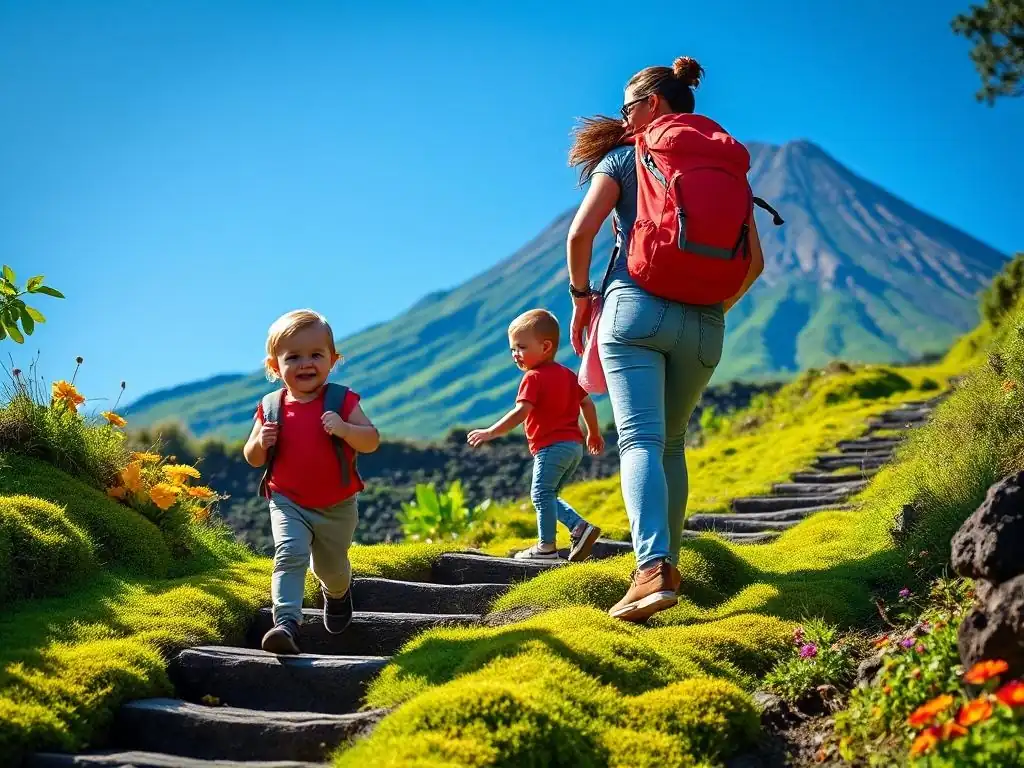
Making volcano hiking with toddlers a positive and enjoyable experience requires careful planning and a flexible approach. Toddlers have their own unique needs and rhythms, and adapting your hiking style to accommodate them is key to a successful outing. Focus on creating a fun, safe, and engaging adventure that caters to their developmental stage.
Key tips for success include thorough pre-trip planning, being mindful of your child's needs and taking frequent breaks, and maintaining patience and flexibility throughout the hike. Adjusting your expectations and embracing the slower pace of hiking with toddlers will allow you to fully appreciate the experience and create lasting memories together.
Plan Ahead: Check the Weather and Trail Conditions
Thorough planning is crucial for a smooth and enjoyable volcano hike with toddlers. Start by checking the weather forecast for the day of your hike. Volcanic areas can have unpredictable weather, and conditions can change rapidly, especially at higher elevations. Pay attention to temperature, wind, and precipitation forecasts. Dress your toddler in layers so you can easily adjust their clothing to changing weather conditions. Avoid hiking during extreme weather conditions like thunderstorms, heavy rain, or excessive heat.
Check trail conditions before you head out. National Park websites or visitor centers often provide updated trail information, including closures, warnings, and recent conditions. Be aware of any potential hazards, such as muddy or slippery sections, fallen trees, or wildlife warnings. Choose trails that are appropriate for the current conditions. Inform someone of your hiking plans, including the trail you plan to hike, your expected return time, and who is in your hiking party. This is a good safety practice for any hike, especially in more remote volcanic areas.
Take Breaks: Listen to Your Child's Needs
Hiking with toddlers is not about speed or distance; it's about exploration and enjoyment. Be prepared to take frequent breaks and listen to your child's needs. Toddlers have shorter legs and less stamina, and they may need to rest more often than adults. Stop for breaks whenever your child seems tired, thirsty, or hungry. Find a comfortable spot to sit down, offer water and snacks, and let your toddler rest and recharge.
Breaks are also opportunities to engage your child with the environment. Point out interesting features along the trail, like unique rocks, plants, or insects. Let them explore and investigate (within safe limits). Turn breaks into mini-adventures by playing games, singing songs, or reading a book. Follow your child's lead and let them dictate the pace and frequency of breaks. Rushing or pushing them beyond their limits will likely lead to frustration and a less enjoyable experience for everyone.
Be Patient and Flexible: Adjust Your Expectations
Patience and flexibility are essential virtues when volcano hiking with toddlers. Hiking with young children is a different experience than hiking solo or with adults. Adjust your expectations and be prepared to adapt your plans as needed. Your toddler's pace will likely be slower than yours, and they may want to stop frequently to explore, pick up rocks, or simply observe their surroundings. Embrace this slower pace and appreciate the opportunity to see the world through their eyes.
Be flexible with your hiking plans. You may not reach your intended destination, and that's perfectly okay. Focus on enjoying the journey and the time spent together as a family. If your toddler becomes tired or fussy, be prepared to turn around or shorten your hike. Don't push them beyond their limits. Remember that the goal is to create a positive and memorable experience, not to conquer a specific trail. Celebrate small victories and enjoy the simple joys of exploring nature with your little ones.
Safety Considerations for Volcano Hiking with Young Children
Volcano hiking, while rewarding, requires specific safety considerations, especially when hiking with young children. Volcanic areas can present unique hazards that are important to be aware of and mitigate. Prioritizing safety is paramount to ensuring a positive and incident-free family adventure.
Key safety considerations include understanding potential volcanic hazards, practicing general outdoor safety measures, and being prepared for emergencies. Educating yourself about the specific risks associated with the volcanic area you are visiting and taking appropriate precautions will help you minimize risks and enjoy your hike with confidence.
Volcanic hazards can include:
- Volcanic Gases: Fumaroles and vents release gases like sulfur dioxide, which can be irritating to the respiratory system, especially for young children. Stay upwind of vents and limit exposure time in areas with strong gas odors.
- Hot Ground and Steam Vents: Ground near volcanic features can be extremely hot, and steam vents can cause burns. Stay on marked trails and keep children away from areas that are steaming or appear hot.
- Unstable Terrain: Volcanic landscapes can be geologically unstable, with loose rocks and steep slopes. Choose trails carefully and supervise children closely, especially near drop-offs.
- Earthquakes and Eruptions: While less frequent, volcanic areas are prone to earthquakes and potential eruptions. Be aware of the volcano's activity level and heed any warnings or closures from park authorities.
General outdoor safety measures include:
- Staying on Marked Trails: This minimizes the risk of getting lost and keeps you away from potentially hazardous areas.
- Proper Hydration and Nutrition: Prevent dehydration and fatigue by carrying plenty of water and snacks.
- Sun Protection: Protect yourself and your children from sunburn with sunscreen, hats, and sunglasses.
- Appropriate Clothing and Footwear: Dress in layers and wear sturdy hiking shoes.
- First-Aid Kit: Carry a well-stocked first-aid kit and know how to use it.
- Wildlife Awareness: Be aware of local wildlife and maintain a safe distance.
In case of emergencies:
- Carry a Communication Device: A fully charged cell phone or a personal locator beacon (PLB) can be crucial in emergencies, although cell service may be unreliable in some volcanic areas.
- Know Emergency Procedures: Familiarize yourself with park emergency procedures and know who to contact in case of an emergency.
- Basic Navigation Skills: Carry a map and compass and know how to use them in case you get lost.
By being informed, prepared, and vigilant, you can significantly reduce the risks associated with volcano hiking and ensure a safe and enjoyable experience for your family.
Conclusion: Creating Lasting Memories on Family-Friendly Volcano Adventures
Volcano hiking with toddlers, while requiring extra planning and consideration, offers an unparalleled opportunity to connect with nature, learn about Earth science, and create lasting family memories. The dramatic landscapes and unique geological features of volcanic areas provide a captivating backdrop for outdoor adventures that will spark curiosity and wonder in children of all ages. By choosing family-friendly volcano hiking trails, packing essential gear, and following practical safety tips, you can embark on enriching and enjoyable volcano explorations with your little ones.
The experience of witnessing a volcanic landscape through the eyes of a child is truly special. Their unbridled enthusiasm and sense of discovery will enrich your own appreciation for these powerful and beautiful natural wonders. So, pack your bags, grab your hiking carrier or stroller, and get ready to introduce your toddlers to the amazing world of volcanoes. The gentle trails and amazing views are waiting to be explored, promising unforgettable family adventures and a lifelong love for the outdoors.
Frequently Asked Questions
What makes a volcano hiking trail "family-friendly"?
Family-friendly trails are generally shorter in length, have gentle slopes, and offer easy access for families with young children.
Are there specific features to look for when hiking with toddlers near volcanoes?
Look for trails with minimal elevation gain, wide paths to accommodate little legs, and interesting geological features to keep them engaged.
How can I ensure my toddler's safety while hiking near a volcano?
Always maintain close supervision, pack plenty of water and snacks, and be aware of potential hazards like uneven terrain or loose rocks.
What types of volcanoes are best suited for hiking with young children?
Shield volcanoes are often preferred due to their gentle slopes, while composite volcanoes can be more challenging and potentially dangerous.
Where can I find information about current volcanic activity and potential hazards before planning a hike?
Check with local authorities and consult websites like VolcanoExplorers.org for the latest updates and safety guidelines.
Final Reflection: Igniting a Lifelong Love of Nature
The trails we've explored, the volcanoes we've climbed, and the memories we've forged together as families on these gentle slopes are more than just hikes; they are seeds of adventure planted in the hearts of our children. In a world increasingly dominated by screens and indoor activities, the opportunity to connect with nature, especially in such a dramatic landscape as a volcano, is a gift that keeps on giving.
This journey, from choosing the right trail to witnessing the wonder in a toddler's eyes, has profoundly influenced my perspective on outdoor recreation. It's not about conquering mountains, but about fostering a deep respect for the earth and creating shared experiences that strengthen family bonds. As John Muir wisely said, In every walk with nature one receives far more than he seeks.
This sentiment perfectly encapsulates the essence of family-friendly volcano hiking: the unexpected joys, the shared discoveries, and the lasting impact on our children's appreciation for the natural world.
Now, as you consider your next family adventure, I invite you to reflect on the power of shared experiences in nature. Let the lessons learned on these gentle volcano trails inspire you to seek out opportunities to connect with your children, to ignite their curiosity, and to cultivate a lifelong love of the outdoors. The world is waiting to be explored, one small step at a time.
Unleash Your Little Explorer: Plan Your Family Volcano Adventure Today!
Thanks for joining us on this journey exploring toddler-friendly volcano hikes! We hope you've found inspiration and practical tips to make your family's next adventure unforgettable. Now, it's time to turn those ideas into action.
Here are a few things you can do to get started:
- Plan your first family hike near a volcano! Even a short, easy trail can be an incredible experience for your little ones.
- Share this article with other parents who love the outdoors and dream of exploring volcanoes with their children. Let's build a community of families ready for adventure!
- Add a treasure hunt element to your next hike. Geocaching is a fun way to engage your toddler's curiosity and turn a simple walk into an exciting exploration.
Which volcano trail are you most excited to explore with your family? Share your plans in the comments below!