
From Volcano Tourism to Safety Nets: The Broad Reach of International Monitoring Efforts

Welcome to Volcano Explorers!
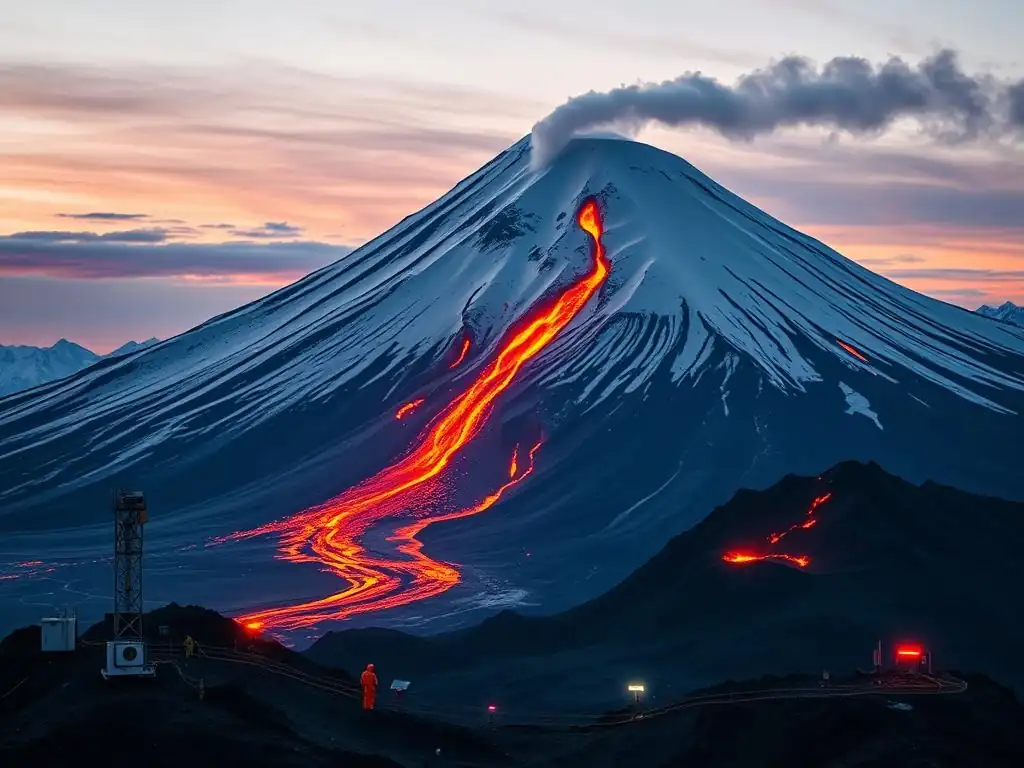
Prepare to be captivated by the raw power and intricate science behind Earth's fiery giants. Ever wondered how scientists keep a watchful eye on these slumbering beasts, safeguarding communities and unraveling the mysteries hidden beneath the surface? This is where your journey begins. Delve into our featured article, " From Volcano Tourism to Safety Nets: The Broad Reach of International Monitoring Efforts," and discover the fascinating world of International Volcano Monitoring Strategies. What secrets are revealed through global collaboration, and what vital role do these strategies play in predicting and mitigating volcanic hazards? The answers await…
- Understanding International Volcano Monitoring Strategies
- Volcano Tourism and Risk Mitigation: A Global Perspective
- Global Volcano Monitoring Networks: A Coordinated Approach
- Funding and Resource Allocation for International Volcano Monitoring
- Early Warning Systems and Emergency Response: A Global Effort
- Data Sharing and Information Dissemination: Connecting Researchers and Communities
- Training and Capacity Building: Empowering Local Volcanologists
- The Future of International Volcano Monitoring Strategies
- Conclusion: The Ongoing Importance of Global Cooperation in Volcano Monitoring
-
Frequently Asked Questions
- How does international cooperation help in monitoring volcanoes?
- What are some key technologies used in international volcano monitoring?
- Why is international volcano monitoring important for communities near active volcanoes?
- How are international volcano monitoring strategies impacting volcano tourism?
- What role do volcanologists play in international monitoring efforts?
- Final Reflection: Embracing Preparedness in a Volatile World
- Ignite Your Inner Explorer: Dive Deeper into Volcano Monitoring!
Understanding International Volcano Monitoring Strategies
The Importance of Global Collaboration in Volcano Monitoring
Volcano monitoring is inherently a global challenge, transcending national borders and requiring international cooperation for effective risk mitigation. Volcanic eruptions are not confined by political boundaries; ash clouds can disrupt international air travel thousands of kilometers away, and tsunamis triggered by volcanic activity can impact coastlines across entire oceans. Consider the eruption of Mount Tambora in Indonesia in 1815.
While the immediate devastation was localized, its global climatic impact led to the "Year Without a Summer" in 1816, causing widespread famine and social unrest across Europe and North America. This historical event underscores the interconnectedness of volcanic events and the necessity for a global perspective in monitoring and response efforts. Furthermore, expertise and resources for volcano monitoring are unevenly distributed worldwide.
Developed nations often possess advanced monitoring technologies and specialized personnel, while many volcanically active regions are located in developing countries with limited resources. International collaboration allows for the sharing of knowledge, technology, and financial aid, ensuring that vulnerable populations, regardless of their location or economic status, benefit from advancements in volcano science.
The collaborative nature of volcano monitoring is also driven by the scientific imperative to understand these complex natural phenomena comprehensively. Volcanoes operate on geological timescales, and no single nation can gather sufficient data to fully grasp their long-term behavior. International research projects, such as those facilitated by organizations like the International Association of Volcanology and Chemistry of the Earth's Interior (IAVCEI), enable scientists from different countries to pool their expertise, share datasets, and conduct comparative studies across diverse volcanic settings.
This synergistic approach accelerates scientific progress, leading to more accurate eruption forecasting and improved hazard assessments globally. For instance, the Volcanic Ash Advisory Centers (VAACs), established by the International Civil Aviation Organization (ICAO), are a prime example of international collaboration. These centers, distributed globally, rely on data from multiple nations to track volcanic ash clouds and provide crucial information to the aviation industry, minimizing disruptions and ensuring passenger safety.
Defining International Volcano Monitoring: Scope and Objectives
International volcano monitoring encompasses a broad spectrum of activities undertaken collaboratively by multiple nations and international organizations to observe, analyze, and mitigate the risks associated with volcanic activity worldwide. Its scope extends from fundamental scientific research to the practical implementation of early warning systems and emergency response protocols. The primary objective of international volcano monitoring is to reduce the global impact of volcanic hazards by enhancing predictive capabilities, improving risk communication, and fostering coordinated emergency responses.
This involves several key interconnected objectives. Firstly, it aims to establish and maintain a comprehensive global network of volcano observatories and monitoring infrastructure. This includes deploying and sharing advanced monitoring technologies such as seismometers, GPS stations, gas sensors, and satellite-based instruments across volcanically active regions globally.
Secondly, international monitoring efforts prioritize the exchange of data and scientific knowledge. This is facilitated through open-access databases, collaborative research projects, and international conferences and workshops, enabling scientists worldwide to learn from each other's experiences and contribute to a collective understanding of volcanic processes.
Another critical objective is to build capacity in volcanically vulnerable countries, particularly those with limited resources. International collaborations provide training and mentorship opportunities for local volcanologists, empowering them to develop and operate their own monitoring programs and contribute to global monitoring efforts. Furthermore, international volcano monitoring plays a crucial role in standardizing monitoring protocols and hazard assessment methodologies. This ensures consistency and comparability of data across different regions, facilitating effective communication and collaboration during volcanic crises.
Finally, a key objective is to strengthen international coordination in emergency response. This involves developing joint emergency plans, establishing communication channels for rapid information sharing during eruptions, and coordinating the deployment of international assistance teams when needed. The overarching aim is to move beyond isolated national efforts and create a truly global system for volcano monitoring and risk reduction, benefiting all nations exposed to volcanic hazards.
Volcano Tourism and Risk Mitigation: A Global Perspective
Balancing Economic Benefits with Public Safety Around Active Volcanoes
Volcano tourism, also known as geotourism, presents a complex interplay between economic opportunity and inherent natural hazards. Active volcanoes, with their dramatic landscapes and awe-inspiring displays of Earth's power, are increasingly popular tourist destinations. Countries like Iceland, Italy, and Japan, with prominent volcanic features, derive significant economic benefits from tourism centered around these geological wonders.
In Iceland, for example, tourism linked to volcanic landscapes, including sites like the Blue Lagoon and areas affected by recent eruptions, contributes significantly to the national GDP, estimated to be around 10-12% pre-pandemic, with a considerable portion directly linked to natural attractions. However, the allure of active volcanoes must be carefully balanced with the paramount need for public safety.
Volcanic activity is unpredictable, and even seemingly dormant volcanoes can become active with little warning. The 2019 eruption of Whakaari/White Island in New Zealand, which tragically resulted in fatalities and injuries among tourists, served as a stark reminder of the potential dangers associated with volcano tourism.
Balancing these competing interests requires a multifaceted approach. Firstly, robust volcano monitoring systems are essential to provide early warnings of potential eruptions and allow for timely evacuations. These systems must be complemented by clear communication strategies to inform both tourists and local communities about volcanic hazards and safety protocols. Secondly, zoning regulations and access restrictions are crucial in managing risk.
Establishing exclusion zones around particularly hazardous areas and implementing guided tours with trained personnel can help to minimize exposure to danger. Thirdly, tourism operators must be responsible and prioritize safety. This includes providing adequate safety briefings to tourists, equipping them with appropriate safety gear, and having well-defined emergency procedures in place. Ultimately, sustainable volcano tourism requires a collaborative effort involving government agencies, volcano observatories, tourism operators, and local communities to ensure that economic benefits are not achieved at the expense of public safety.
International Standards for Volcano Tourism Safety
The increasing popularity of volcano tourism has highlighted the need for internationally recognized standards for safety and risk management in these unique environments. While specific regulations may vary from country to country, a growing consensus is emerging around core principles and best practices. Currently, no single, universally binding international treaty explicitly governs volcano tourism safety.
However, organizations like the Global Sustainable Tourism Council (GSTC) and the Adventure Travel Trade Association (ATTA) are playing an increasingly influential role in promoting responsible and safe practices in adventure tourism, including volcano tourism. The GSTC, for example, provides criteria for sustainable tourism that encompass safety considerations, while ATTA offers resources and guidelines for adventure tourism operators.
Key elements of emerging international standards include comprehensive risk assessments for volcano tourism sites, conducted by qualified volcanologists in collaboration with tourism experts. These assessments should identify potential hazards, evaluate the likelihood of eruptions and other volcanic phenomena, and define appropriate safety zones and evacuation routes. Furthermore, standardized safety protocols for tour operators are crucial.
These protocols should cover aspects such as pre-trip safety briefings, provision of personal protective equipment (e.g., gas masks, helmets where appropriate), emergency communication systems, and trained guides capable of responding to volcanic emergencies. International collaboration is also essential in developing and disseminating best practices and training materials for volcano tourism safety.
Sharing experiences and lessons learned from different volcanic destinations can help to improve safety standards globally. Moreover, the development of international certification or accreditation programs for volcano tourism operators, based on adherence to established safety standards, could enhance consumer confidence and promote responsible tourism practices.
Case Studies: Successful Integration of Tourism and Monitoring Efforts [Example: Mount Vesuvius, Italy]
Mount Vesuvius, overlooking the densely populated Bay of Naples in Italy, presents a compelling case study in the successful, albeit constantly evolving, integration of volcano tourism with robust monitoring and risk mitigation efforts. Vesuvius is one of the most closely monitored volcanoes in the world, owing to its high level of risk and the significant population at its base. The Vesuvius Observatory, the world's oldest volcanological observatory, established in 1841, plays a crucial role in monitoring the volcano's activity and providing scientific advice to civil protection authorities.
The observatory employs a sophisticated network of monitoring instruments, including seismometers, GPS stations, gas sensors, and thermal cameras, to detect any signs of unrest. Data from these instruments are continuously analyzed by a team of volcanologists, who provide regular reports and alerts to the authorities.
Tourism at Vesuvius is carefully managed. The Vesuvius National Park, established in 1995, aims to protect the natural environment while allowing controlled access for tourism and recreation. Access to the summit crater is restricted to guided tours, and visitor numbers are limited to manage environmental impact and ensure safety.
Tour operators are required to adhere to park regulations and safety guidelines, and visitors are briefed on potential hazards before ascending the volcano. Emergency evacuation plans are in place and regularly updated, involving close collaboration between the Vesuvius Observatory, the National Park authorities, and civil protection agencies. These plans are designed to ensure the rapid and safe evacuation of tourists and local residents in the event of an imminent eruption.
While the risk of eruption remains a constant concern, the combination of advanced monitoring, regulated tourism, and comprehensive emergency planning at Vesuvius exemplifies a successful approach to balancing economic benefits with public safety in a volcanically active area. The ongoing challenge lies in maintaining vigilance and continuously adapting strategies in the face of evolving scientific understanding and changing societal needs.
Global Volcano Monitoring Networks: A Coordinated Approach
Role of Satellite Technology in International Volcano Observation
Satellite technology has revolutionized international volcano monitoring, providing a powerful and cost-effective means of observing volcanoes, especially in remote or inaccessible regions. Satellites offer a synoptic view of volcanic activity, allowing for the detection of subtle changes over large areas that might be missed by ground-based instruments alone. Various types of satellite sensors are employed in volcano monitoring, each providing different but complementary information.
For instance, thermal infrared sensors, such as those on Landsat and MODIS satellites, can detect changes in volcanic heat output, which may indicate magma movement or increased volcanic activity. The Advanced Spaceborne Thermal Emission and Reflection Radiometer (ASTER) instrument, also on Landsat, provides high-resolution thermal data, useful for detailed analysis of lava flows and fumarole activity.
Synthetic Aperture Radar (SAR) satellites, like Sentinel-1, are particularly valuable for monitoring ground deformation, a key precursor to volcanic eruptions. SAR interferometry (InSAR) techniques can detect millimeter-scale changes in ground elevation, revealing magma inflation or deflation beneath the volcano.
Satellite-based gas sensors, such as the Ozone Monitoring Instrument (OMI) and the Tropospheric Monitoring Instrument (TROPOMI), measure the emission of volcanic gases, particularly sulfur dioxide (SO2), which is a crucial indicator of volcanic unrest. Large increases in SO2 emission can signal an impending eruption. Data from these satellite instruments are freely available and are used by volcano observatories worldwide to supplement ground-based monitoring and provide a global perspective on volcanic activity.
International collaborations, such as the Committee on Earth Observation Satellites (CEOS) Volcano Pilot project, promote the coordinated use of satellite data for volcano monitoring and hazard assessment. These initiatives facilitate data sharing, algorithm development, and capacity building, maximizing the benefits of satellite technology for global volcano risk reduction. The ability of satellites to monitor volcanoes remotely and continuously, regardless of location or accessibility, makes them an indispensable tool in international volcano monitoring strategies.
Ground-Based Monitoring: Sharing Data Across Borders
While satellite technology provides a broad overview, ground-based monitoring remains essential for detailed and high-precision measurements of volcanic activity. Ground-based instruments, deployed directly on or around volcanoes, offer continuous, real-time data on various parameters, including seismicity, ground deformation, gas emissions, and thermal activity. Seismometers are the workhorses of volcano monitoring, detecting and recording ground vibrations caused by magma movement, volcanic explosions, and tectonic earthquakes.
Networks of seismometers around volcanoes can provide information on the location, depth, and magnitude of seismic events, which are crucial for understanding volcanic processes and forecasting eruptions. Global Positioning System (GPS) stations are used to measure ground deformation with millimeter-level accuracy. Changes in GPS positions can indicate magma accumulation or withdrawal beneath the volcano, providing valuable insights into its internal dynamics.
Gas sensors, deployed at fumaroles and volcanic vents, measure the composition and flux of volcanic gases, such as SO2, carbon dioxide (CO2), and hydrogen sulfide (H2S). Changes in gas emissions can reflect changes in magma degassing and volcanic activity. Tiltmeters and strainmeters are highly sensitive instruments that measure subtle changes in ground tilt and strain, providing additional information on ground deformation.
Thermal cameras and infrared sensors are used to monitor thermal anomalies, such as lava flows, hot springs, and fumarole activity. The effectiveness of ground-based monitoring relies heavily on data sharing and collaboration across borders.
Volcano observatories in different countries often share data from their ground-based networks, particularly in regions where volcanoes are located near international boundaries or where volcanic hazards have transboundary impacts. International data sharing initiatives, facilitated by organizations like the Global Volcano Observatory Network (GVO), promote the exchange of real-time monitoring data, scientific expertise, and best practices, enhancing the overall effectiveness of global volcano monitoring efforts.
The Global Volcano Model (GVM) Initiative
The Global Volcano Model (GVM) initiative represents a significant step towards a more coordinated and comprehensive international approach to volcano hazard assessment and risk management. GVM is a collaborative project involving volcanologists, hazard modelers, and risk management experts from around the world, working together to develop a globally consistent and accessible platform for volcano hazard information. The primary goal of GVM is to create a standardized and transparent framework for assessing volcanic hazards and risks worldwide, facilitating better communication and collaboration among scientists, policymakers, and communities at risk.
GVM aims to compile and integrate existing datasets on volcano characteristics, eruption histories, and hazard assessments from various sources into a unified global database. This database will include information on volcano locations, types, eruption frequencies, eruption styles, and potential hazards such as ashfall, pyroclastic flows, lahars, and lava flows.
A key component of GVM is the development of standardized methodologies for hazard assessment and risk modeling. This involves establishing common protocols for data collection, hazard mapping, vulnerability assessment, and risk calculation, ensuring consistency and comparability across different volcanic regions. GVM also promotes the use of probabilistic hazard assessments, which provide quantitative estimates of the likelihood of different volcanic hazards occurring within a given timeframe.
These probabilistic assessments are crucial for informed decision-making in land-use planning, infrastructure development, and emergency preparedness. The GVM platform is designed to be open-access and user-friendly, making volcano hazard information readily available to a wide range of users, including scientists, policymakers, emergency managers, and the public.
By providing a globally consistent and accessible source of volcano hazard information, GVM aims to enhance international collaboration, improve risk communication, and ultimately reduce the global impact of volcanic disasters. The initiative is continuously evolving, incorporating new data, methodologies, and user feedback to ensure its relevance and effectiveness in supporting global volcano risk reduction efforts.
Funding and Resource Allocation for International Volcano Monitoring
Challenges in Securing Sustainable Funding
Securing sustainable funding for international volcano monitoring presents a persistent challenge, despite the clear global benefits of these efforts. Volcano monitoring is often viewed as a long-term investment with uncertain and potentially infrequent returns, making it less attractive to short-term funding cycles and political priorities. Many volcanically active regions are located in developing countries with limited national budgets for scientific research and hazard mitigation. These countries often rely on external funding from international organizations and donor nations to support their volcano monitoring programs.
However, this external funding can be unpredictable and subject to changing geopolitical landscapes and donor priorities. Competition for limited research funding is intense, and volcano monitoring often competes with other pressing global challenges such as climate change, public health, and poverty reduction. Demonstrating the economic and societal benefits of volcano monitoring is crucial for justifying funding requests and securing long-term financial support.
Another challenge is the uneven distribution of funding resources. Well-developed nations with significant volcanic hazards, such as the United States, Japan, and Italy, typically have robust national volcano monitoring programs funded by government agencies. However, many other volcanically active countries, particularly in developing regions, struggle to secure adequate funding for even basic monitoring infrastructure and personnel. Bridging this funding gap requires a concerted international effort to mobilize resources and prioritize volcano monitoring in vulnerable regions.
Public awareness and political will are also critical factors in securing sustainable funding. Raising public awareness about the risks posed by volcanoes and the importance of monitoring for early warning can help to generate political support for increased investment in volcano science and hazard mitigation. Engaging with policymakers and demonstrating the cost-effectiveness of volcano monitoring in preventing or mitigating volcanic disasters is essential for advocating for sustained funding commitments.
International Organizations Involved in Funding Volcano Research
Several international organizations play a significant role in funding volcano research and monitoring activities globally. The United Nations Educational, Scientific and Cultural Organization (UNESCO) supports volcano research and hazard mitigation through its International Geoscience Programme (IGCP) and its Disaster Risk Reduction program. UNESCO also designates volcanoes as World Heritage Sites, recognizing their geological significance and promoting their conservation and sustainable management. The World Bank and other multilateral development banks provide funding for disaster risk reduction projects in developing countries, including volcano monitoring and early warning systems.
These institutions often prioritize projects that contribute to sustainable development and poverty reduction, recognizing the link between natural hazards and economic vulnerability. The European Union (EU) funds volcano research and monitoring through its Horizon Europe research and innovation program and its Civil Protection Mechanism. EU-funded projects often focus on developing advanced monitoring technologies, improving hazard assessment methodologies, and enhancing emergency response capabilities.
National science foundations and research councils in developed countries, such as the National Science Foundation (NSF) in the United States and the Natural Environment Research Council (NERC) in the United Kingdom, also provide funding for volcano research projects, including international collaborations. These funding agencies often support fundamental research aimed at improving understanding of volcanic processes and developing new monitoring techniques. The United States Agency for International Development (USAID) and other bilateral aid agencies provide funding for disaster preparedness and response programs in developing countries, including volcano hazard mitigation.
USAID's Volcano Disaster Assistance Program (VDAP), in partnership with the U.S. Geological Survey (USGS), provides rapid assistance to countries facing volcanic crises, including deploying monitoring equipment and expertise. These international organizations, through their diverse funding mechanisms and programs, collectively contribute significantly to supporting volcano research and monitoring efforts worldwide, although the need for sustained and increased funding remains critical.
The Role of Philanthropic Organizations and Private Sector
Philanthropic organizations and the private sector are increasingly recognized as potential sources of funding and resources for international volcano monitoring, complementing traditional government and international agency funding. Philanthropic foundations, driven by a mission to address societal challenges, are showing growing interest in supporting disaster risk reduction initiatives, including volcano monitoring.
Organizations like the Bill & Melinda Gates Foundation and the Rockefeller Foundation have invested in projects related to disaster preparedness and resilience, recognizing the importance of early warning systems and community-based risk reduction. While direct funding for volcano monitoring from major philanthropic foundations is still relatively limited compared to other sectors, there is potential for increased engagement, particularly in supporting innovative monitoring technologies, community-based hazard communication, and capacity building in vulnerable regions.
The private sector, particularly companies in industries affected by volcanic hazards, such as aviation, insurance, and tourism, also have a vested interest in supporting volcano monitoring and risk mitigation.
Airlines, for example, rely on accurate volcanic ash forecasts to ensure flight safety and minimize disruptions. Insurance companies need reliable hazard assessments to price risk and manage potential losses from volcanic eruptions.
Tourism operators in volcanically active areas benefit from effective monitoring and early warning systems to protect tourists and maintain business continuity. Private sector involvement can take various forms, including direct financial contributions to volcano observatories, sponsorship of research projects, in-kind donations of equipment and technology, and partnerships in developing and deploying innovative monitoring solutions.
Public-private partnerships, where government agencies, research institutions, and private companies collaborate on volcano monitoring projects, can leverage the expertise and resources of different sectors to achieve greater impact. Exploring innovative funding mechanisms, such as impact bonds or disaster risk financing instruments, that attract private sector investment in volcano monitoring and risk reduction, could help to diversify funding sources and ensure the long-term sustainability of these crucial efforts.
Early Warning Systems and Emergency Response: A Global Effort
Developing Effective Evacuation Plans in Volcanic Regions
Developing effective evacuation plans is paramount in volcanic regions, forming the cornerstone of emergency response strategies aimed at minimizing casualties and ensuring public safety during volcanic crises. Evacuation planning is a complex and multi-faceted process that requires close collaboration between volcano observatories, civil protection agencies, local authorities, and community leaders. The foundation of any effective evacuation plan is a comprehensive volcanic hazard assessment, which delineates areas at risk from different volcanic hazards, such as pyroclastic flows, lahars, ashfall, and lava flows.
Hazard maps, based on these assessments, are crucial for defining evacuation zones and prioritizing areas for evacuation. Evacuation plans must be tailored to the specific volcanic hazards and the characteristics of the population at risk, considering factors such as population density, demographics, infrastructure, and transportation networks.
Community engagement and participation are essential throughout the evacuation planning process. Local communities need to be informed about volcanic hazards, evacuation procedures, and designated evacuation routes and shelters. Community drills and simulations are valuable tools for testing evacuation plans, identifying weaknesses, and improving community preparedness.
Clear and consistent communication strategies are crucial during volcanic crises. Early warning messages, disseminated through multiple channels, such as sirens, radio, television, mobile phone alerts, and social media, need to be timely, accurate, and easily understood by the public. Evacuation plans must also address logistical challenges, such as transportation, traffic management, shelter provision, and the needs of vulnerable populations, including the elderly, disabled, and those with limited mobility.
International collaboration in developing and sharing best practices in evacuation planning is vital, particularly for regions with limited experience in managing volcanic crises. Learning from past volcanic eruptions and evacuation experiences, both successes and failures, can help to improve evacuation strategies and save lives in future events.
International Collaboration in Emergency Communication
Effective emergency communication is critical during volcanic crises, requiring seamless coordination and collaboration across national borders, particularly when volcanic eruptions have transboundary impacts. International collaboration in emergency communication involves sharing information rapidly and accurately between volcano observatories, civil protection agencies, aviation authorities, and other relevant organizations in different countries. The Volcanic Ash Advisory Centers (VAACs), as mentioned earlier, are a prime example of successful international collaboration in emergency communication.
VAACs, distributed globally, monitor volcanic ash clouds and provide timely warnings to the aviation industry, based on data from multiple sources, including satellite observations and ground-based reports. The International Civil Aviation Organization (ICAO) facilitates the coordination and standardization of volcanic ash information services for aviation.
During major volcanic eruptions with transboundary impacts, such as the 2010 Eyjafjallajökull eruption, international communication channels are essential for coordinating emergency response efforts, sharing resources, and providing mutual assistance. Joint communication protocols and procedures need to be established in advance to ensure rapid and efficient information exchange during crises. This includes designating focal points for communication in different countries, establishing secure communication channels, and developing standardized message formats and protocols.
Language barriers can pose a challenge in international emergency communication. Multilingual communication materials and translation services may be necessary to ensure that information is accessible to all affected populations and stakeholders. Social media and online platforms play an increasingly important role in emergency communication, both for disseminating official information and for facilitating public information sharing and situational awareness.
However, it is also crucial to address the challenges of misinformation and rumors that can spread rapidly through social media during crises. International collaboration in developing effective strategies for using social media for emergency communication and countering misinformation is becoming increasingly important.
Case Study: [2010 Eyjafjallajökull Eruption] and the International Response
The 2010 eruption of Eyjafjallajökull volcano in Iceland provides a compelling case study of international collaboration in emergency response to a volcanic crisis, particularly highlighting the challenges and successes in managing the widespread disruption caused by volcanic ash. While the eruption itself was relatively small in volcanic explosivity index (VEI) terms (VEI 4), it produced a fine-grained ash cloud that drifted across Europe, causing unprecedented disruption to air travel for several days.
The international response to the Eyjafjallajökull eruption involved close collaboration between volcano observatories, VAACs, aviation authorities, and governments across Europe and beyond. The Icelandic Meteorological Office (IMO), responsible for monitoring Eyjafjallajökull, worked closely with VAAC London, the designated VAAC for the North Atlantic region, to track the ash cloud and provide forecasts to the aviation industry.
VAAC London, in turn, relied on data from satellite observations, weather models, and pilot reports from multiple countries to refine its ash cloud forecasts.
European air traffic control agency Eurocontrol coordinated the closure of airspace across Europe, based on ash cloud forecasts from VAAC London and national aviation authorities. The decision to close airspace was controversial, with significant economic consequences for airlines and travelers. However, it was based on the precautionary principle, prioritizing passenger safety in the face of uncertainty about the concentration and distribution of volcanic ash in the atmosphere.
The Eyjafjallajökull eruption highlighted the need for improved communication and coordination between volcano observatories, VAACs, aviation authorities, and governments during volcanic crises. It also prompted significant advancements in volcanic ash detection and forecasting techniques, as well as in international protocols for airspace management during volcanic eruptions.
The crisis underscored the interconnectedness of the global aviation system and the importance of international collaboration in mitigating the impacts of volcanic hazards that transcend national borders. Lessons learned from the Eyjafjallajökull eruption have led to strengthened international cooperation and preparedness for future volcanic ash crises, aiming to minimize disruption while ensuring aviation safety.
Data Sharing and Information Dissemination: Connecting Researchers and Communities
Overcoming Language Barriers in Volcanic Hazard Communication
Language barriers pose a significant challenge in international volcano monitoring and hazard communication, hindering effective information exchange between researchers from different countries and impeding clear communication of volcanic risks to diverse communities. Volcano science is a global endeavor, with researchers from various linguistic backgrounds contributing to our understanding of volcanic processes. However, scientific publications and data sharing platforms are often predominantly in English, potentially limiting the accessibility and contribution of researchers who are not proficient in English.
International collaborations require effective communication across language divides. Translation services and multilingual communication tools are essential to facilitate information exchange and collaboration among scientists from different countries. International conferences and workshops often provide simultaneous translation services to bridge language gaps and promote effective communication among participants.
Communicating volcanic hazards to communities at risk is particularly challenging when language barriers exist. Volcanically active regions are often linguistically diverse, and effective hazard communication requires tailoring messages to the specific languages and cultural contexts of different communities. Reliance on single-language communication materials can exclude significant portions of the population, hindering their ability to understand and respond to volcanic risks.
Multilingual hazard communication strategies are essential, involving translation of warning messages, evacuation plans, and educational materials into local languages. Community-based hazard communication approaches, involving local translators and community leaders, can help to ensure that information is effectively disseminated and understood by all segments of the population.
Visual communication tools, such as maps, diagrams, and videos, can also be valuable in overcoming language barriers, conveying hazard information in a readily understandable format. International collaboration in developing and sharing best practices in multilingual hazard communication is crucial for ensuring that volcanic risk information is accessible to all communities at risk, regardless of their language.
Open-Source Data Platforms for Volcano Monitoring
Open-source data platforms are transforming international volcano monitoring, promoting data sharing, collaboration, and accessibility of volcanic information to a wider audience. Traditionally, volcano monitoring data has often been proprietary or restricted to specific research institutions or government agencies.
However, the growing recognition of the global benefits of open data is driving a shift towards more open and accessible data sharing practices in volcano science. Open-source data platforms provide a centralized and publicly accessible repository for volcano monitoring data, including seismic data, GPS data, gas emission data, satellite imagery, and other relevant information.
These platforms facilitate data discovery, access, and download, enabling researchers worldwide to utilize a broader range of data for their studies and analyses. Examples of open-source data platforms relevant to volcano monitoring include the Incorporated Research Institutions for Seismology (IRIS) Data Management Center, which provides access to seismic data from global networks, and the UNAVCO Geodetic Data Archive, which provides access to GPS and other geodetic data.
The Global Volcanic Ash Inversion (GVAI) project is developing an open-source platform for volcanic ash cloud data and modeling, aiming to improve ash cloud forecasts and reduce aviation disruption. The Smithsonian Institution's Global Volcanism Program provides a comprehensive open-access database of volcano information, including eruption histories, volcano characteristics, and hazard assessments. Open-source software and tools are also playing an increasingly important role in volcano monitoring and data analysis.
Software packages like ObsPy for seismology and GMT (Generic Mapping Tools) for geospatial data processing are widely used in the volcano science community and are freely available. Open-source data platforms and tools promote transparency, reproducibility, and collaboration in volcano research.
They also lower the barriers to entry for researchers and institutions in developing countries, enabling them to participate more fully in international volcano monitoring efforts. The continued development and expansion of open-source data platforms are crucial for fostering a more collaborative and data-driven approach to global volcano risk reduction.
Ensuring Data Accuracy and Reliability in International Collaborations
Ensuring data accuracy and reliability is paramount in international volcano monitoring collaborations, as decisions regarding hazard assessments, early warnings, and emergency responses rely heavily on the quality and trustworthiness of shared data. Data quality control and assurance procedures are essential at all stages of data collection, processing, and dissemination. Standardized protocols for data acquisition, calibration, and validation are crucial to ensure consistency and comparability of data from different monitoring networks and instruments.
Inter-calibration exercises and data quality assessments should be conducted regularly to identify and address potential biases or errors in data. Data provenance and metadata are essential for establishing data reliability and traceability. Metadata should document the origin of data, data collection methods, processing steps, and quality control procedures, allowing users to assess data quality and understand its limitations.
Data sharing agreements and protocols should clearly define responsibilities for data quality assurance and data validation. International collaborations often involve data from multiple sources, and it is crucial to establish mechanisms for data integration and quality control across different datasets. Peer review and scientific validation are important processes for ensuring the accuracy and reliability of volcano monitoring data and interpretations.
Sharing data and analyses with the broader scientific community for review and validation can help to identify potential errors or inconsistencies and improve the overall quality of data products. Transparency in data processing and analysis methods is also crucial for building trust and confidence in data reliability.
Documenting and openly sharing data processing algorithms, analysis workflows, and uncertainty estimates allows users to understand how data products are derived and assess their reliability. Continuous efforts to improve data quality control procedures, enhance data provenance, and promote transparency are essential for ensuring the accuracy and reliability of data used in international volcano monitoring collaborations, ultimately contributing to more effective volcano risk reduction globally.
Training and Capacity Building: Empowering Local Volcanologists
International Workshops and Training Programs
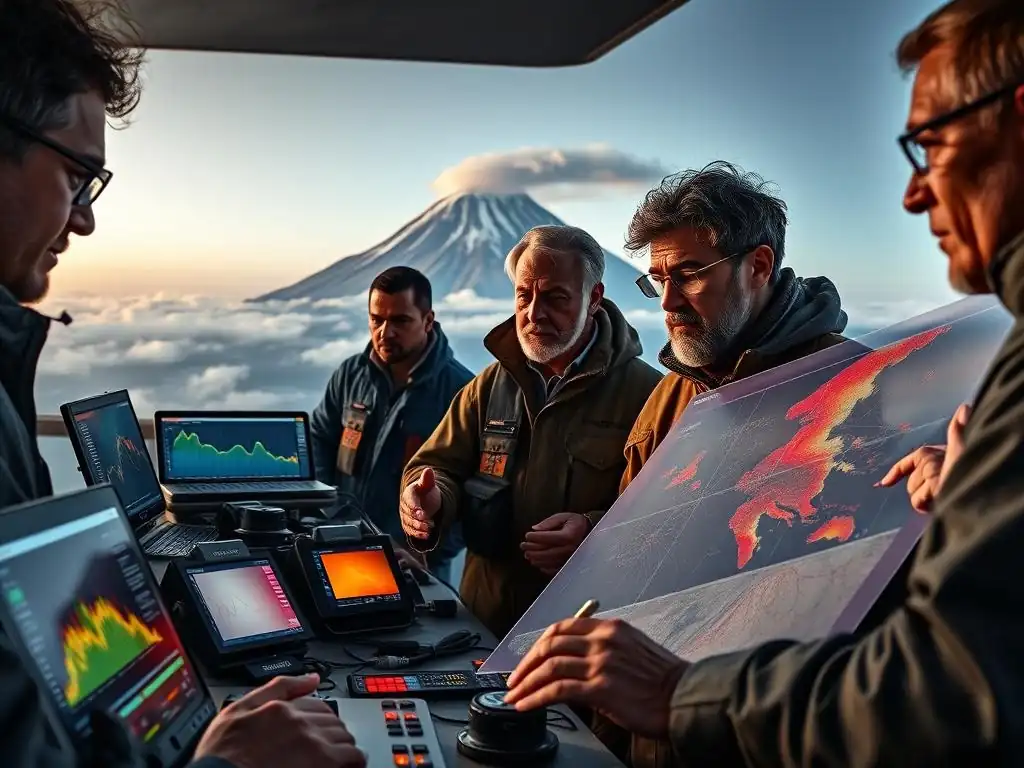
International workshops and training programs are vital for capacity building in volcano monitoring, empowering local volcanologists in volcanically active countries, particularly those with limited resources. These programs provide opportunities for volcanologists from developing countries to gain advanced technical skills, access cutting-edge knowledge, and network with international experts. Workshops and training programs cover a wide range of topics, including volcano monitoring techniques (seismology, geodesy, gas geochemistry, remote sensing), hazard assessment methodologies, risk communication strategies, and emergency response planning.
Training programs often involve hands-on exercises, field work, and case studies, providing practical experience in applying volcano monitoring techniques and addressing real-world volcanic challenges. International organizations, volcano observatories in developed countries, and universities play a key role in organizing and delivering these training programs. Organizations like UNESCO, USAID's VDAP, and various national geological surveys regularly conduct workshops and training courses in volcanically vulnerable regions.
These programs often involve a combination of lectures, practical exercises, field visits to active volcanoes, and mentorship opportunities. Training programs are often tailored to the specific needs and challenges of the participating countries, focusing on locally relevant volcanic hazards and monitoring priorities. Emphasis is placed on developing sustainable local capacity, enabling participating countries to establish and maintain their own volcano monitoring programs and expertise.
Fellowships and scholarships are often offered to support volcanologists from developing countries to attend international training programs and pursue advanced degrees in volcano science. Long-term mentorship and collaborative research projects, following initial training programs, are crucial for reinforcing learned skills and fostering continued professional development. International workshops and training programs are a cornerstone of capacity building in volcano monitoring, contributing to a more globally distributed and equitable expertise base for volcano risk reduction.
Mentorship Programs for Emerging Volcanologists
Mentorship programs play a crucial role in nurturing the next generation of volcanologists, particularly in developing countries where access to experienced mentors may be limited. Mentorship programs connect emerging volcanologists with experienced professionals in the field, providing guidance, support, and career development opportunities. Mentors can provide valuable advice on research directions, career paths, professional networking, and navigating the challenges of a career in volcano science.
Mentorship relationships can be formal, through structured programs organized by universities or professional organizations, or informal, developing through personal connections and collaborations. International collaborations often provide opportunities for mentorship, with volcanologists from developed countries mentoring colleagues from developing countries through joint research projects, training programs, and exchange visits.
Mentorship programs can involve various activities, including regular meetings between mentors and mentees, joint research projects, co-authorship of publications, participation in conferences and workshops together, and career counseling. Mentors can share their expertise, experience, and professional networks with mentees, helping them to develop their skills, build their confidence, and advance their careers. Mentorship is particularly valuable for volcanologists in developing countries, who may face challenges such as limited access to resources, infrastructure, and research opportunities.
Mentors can provide guidance on accessing international funding opportunities, establishing collaborations, and building local research capacity. Mentorship programs also benefit mentors, providing opportunities for professional growth, leadership development, and contributing to the advancement of volcano science globally. Sustained investment in mentorship programs is essential for building a strong and diverse global community of volcanologists, capable of addressing the challenges of volcano monitoring and risk reduction in the years to come.
Promoting Local Expertise in Volcano Monitoring
Promoting local expertise in volcano monitoring is a key objective of international capacity building efforts, ensuring long-term sustainability and effectiveness of volcano risk reduction in volcanically active countries. Building local expertise involves not only training individual volcanologists but also strengthening national institutions and infrastructure for volcano monitoring and hazard assessment. This includes supporting the establishment and strengthening of national volcano observatories, equipping them with appropriate monitoring instruments and technology, and developing local research capacity.
Empowering local volcanologists to lead volcano monitoring efforts in their own countries ensures that monitoring programs are tailored to local needs and priorities, and that local knowledge and expertise are effectively utilized. Local volcanologists are often best positioned to understand the specific volcanic hazards, community vulnerabilities, and cultural contexts in their regions.
Promoting local ownership and leadership of volcano monitoring programs enhances their sustainability and long-term impact. This requires investing in local education and training programs in volcano science, from undergraduate to postgraduate levels, to create a pipeline of qualified local volcanologists. Supporting local research projects and collaborations that address locally relevant volcanic hazards and monitoring challenges is also crucial.
International collaborations should be designed to build local capacity, rather than simply relying on external expertise. This involves transferring knowledge and technology to local institutions, providing training and mentorship to local scientists, and ensuring that local expertise is fully integrated into all aspects of volcano monitoring and risk reduction efforts. Recognizing and valuing local knowledge and traditional practices related to volcanoes can also enhance volcano monitoring and hazard communication.
Engaging with local communities and incorporating their knowledge into monitoring programs can improve community preparedness and resilience to volcanic hazards. Investing in and promoting local expertise is essential for building sustainable and effective volcano monitoring capacity globally, ensuring that volcanically vulnerable countries are empowered to manage their own volcanic risks.
The Future of International Volcano Monitoring Strategies
Technological Advancements and Their Impact
Technological advancements are poised to significantly transform international volcano monitoring strategies in the coming years, enhancing our ability to detect, forecast, and respond to volcanic eruptions. Developments in sensor technology, data processing, and communication networks are driving this transformation. Miniaturization and cost reduction of sensors are enabling the deployment of denser and more distributed monitoring networks, providing more comprehensive and higher-resolution data on volcanic activity.
Advancements in remote sensing technologies, including satellite-based and drone-based instruments, are providing new capabilities for volcano observation, particularly in remote and hazardous areas. Hyperspectral and multispectral imaging, advanced radar techniques, and improved gas sensors are enhancing our ability to monitor volcanic deformation, gas emissions, and thermal activity from space and airborne platforms.
Big data analytics and machine learning techniques are being increasingly applied to volcano monitoring data, enabling the detection of subtle patterns and anomalies that may precede eruptions. These techniques can process vast amounts of data from multiple sources in near real-time, improving eruption forecasting capabilities.
The Internet of Things (IoT) and cloud computing are facilitating the development of interconnected and integrated volcano monitoring systems, enabling real-time data sharing, remote instrument control, and collaborative data analysis across geographically distributed observatories. Improved communication networks, including satellite communication and low-power wide-area networks (LPWANs), are enhancing data transmission from remote volcano monitoring stations, ensuring timely data availability for analysis and early warning.
These technological advancements are not only improving the accuracy and timeliness of volcano monitoring but also reducing costs and enhancing accessibility, making advanced monitoring technologies more readily available to volcano observatories in developing countries. The continued integration of these technologies into international volcano monitoring strategies will lead to more effective and globally coordinated volcano risk reduction efforts.
Strengthening International Partnerships for Enhanced Volcano Safety
Strengthening international partnerships is crucial for enhancing volcano safety globally, fostering collaboration, resource sharing, and coordinated action in volcano monitoring and risk mitigation. Formal and informal partnerships between volcano observatories, research institutions, international organizations, and governments are essential for addressing the complex challenges of volcano risk reduction. Joint research projects, data sharing agreements, and collaborative monitoring programs are key mechanisms for strengthening international partnerships.
Sharing expertise, best practices, and lessons learned from different volcanic settings enhances the collective knowledge base and improves the effectiveness of volcano monitoring strategies worldwide. International networks and consortia of volcano observatories, such as the Global Volcano Observatory Network (GVO), facilitate communication, collaboration, and capacity building among volcano monitoring agencies globally.
Bilateral and multilateral agreements between countries with shared volcanic hazards or mutual interests in volcano monitoring can formalize partnerships and facilitate resource sharing and joint emergency response planning. International funding mechanisms and donor collaborations are essential for mobilizing resources to support volcano monitoring and capacity building in developing countries. Coordinated advocacy and public awareness campaigns, undertaken jointly by international partners, can raise the profile of volcano risk reduction and mobilize political and financial support for these efforts.
Strengthening partnerships with communities at risk is also crucial. Community-based volcano monitoring programs, participatory hazard mapping, and collaborative risk communication initiatives enhance community resilience and ownership of risk reduction efforts. The future of international volcano monitoring relies on building stronger, more inclusive, and more effective partnerships across all levels, from local communities to international organizations, to create a truly global system for volcano safety.
Addressing the Challenges of Climate Change and Increased Volcanic Activity
Addressing the challenges posed by climate change and potentially increased volcanic activity is an emerging priority for international volcano monitoring strategies. Climate change is altering environmental conditions in volcanic regions, potentially affecting volcanic processes and increasing the vulnerability of communities to volcanic hazards. Changes in ice cover on ice-covered volcanoes can influence eruption styles and lahar hazards. Melting glaciers can destabilize volcanic slopes, increasing the risk of landslides and debris flows.
Changes in precipitation patterns can affect lahar initiation and ash dispersal. Sea-level rise can exacerbate the impacts of volcanic tsunamis on coastal communities. International volcano monitoring efforts need to incorporate climate change considerations into hazard assessments and risk management strategies. This includes monitoring the impacts of climate change on volcanic environments, assessing the potential for climate-related changes in volcanic activity, and adapting monitoring and early warning systems to account for these changes.
Some studies suggest that climate change may influence the frequency or intensity of volcanic eruptions, although the scientific evidence for this is still debated. Changes in crustal stress due to ice melting or sea-level rise could potentially trigger or modulate volcanic activity in some regions. If climate change does lead to increased volcanic activity, it will further emphasize the importance of robust international volcano monitoring and early warning systems.
International collaboration in research on the potential impacts of climate change on volcanic activity is crucial. Sharing data, expertise, and modeling capabilities across international research networks can help to improve our understanding of these complex interactions and inform adaptation strategies.
Integrating climate change considerations into volcano hazard assessments, risk communication, and emergency preparedness plans is essential for building resilience to both volcanic hazards and climate change impacts in volcanically vulnerable regions. The future of international volcano monitoring must be responsive to the evolving challenges posed by climate change and the potential for increased volcanic activity, ensuring that communities are protected from these compound risks.
Conclusion: The Ongoing Importance of Global Cooperation in Volcano Monitoring
International volcano monitoring strategies are not merely a matter of scientific collaboration; they are a critical imperative for global safety and sustainable development. From the far-reaching impacts of volcanic ash on air travel to the devastating consequences of eruptions on local communities, volcanic hazards transcend national borders and demand a coordinated, international response. The global interconnectedness highlighted by events like the Eyjafjallajökull eruption underscores the necessity of shared resources, data, and expertise in mitigating volcanic risks. International cooperation fosters a synergistic approach, pooling knowledge and technological capabilities to enhance eruption forecasting, improve hazard assessments, and strengthen early warning systems worldwide. The Global Volcano Model initiative, open-source data platforms, and international training programs exemplify the tangible benefits of this collaborative spirit, democratizing access to crucial information and empowering local volcanologists in vulnerable regions.
Furthermore, as volcano tourism grows and climate change potentially influences volcanic activity, the need for international coordination becomes even more pressing. Balancing economic benefits with public safety around active volcanoes requires globally recognized standards and best practices, while addressing the complex interplay between climate change and volcanic processes necessitates collaborative research and adapted monitoring strategies. Sustaining funding for international volcano monitoring remains a challenge, demanding innovative financing mechanisms and stronger advocacy to highlight the long-term economic and societal benefits of investing in volcano risk reduction.
Ultimately, the future of volcano safety hinges on the continued strengthening of international partnerships, embracing technological advancements, and proactively addressing the emerging challenges of a changing world. Global cooperation in volcano monitoring is not just an option; it is an ongoing necessity, a shared responsibility to protect communities and build resilience in the face of Earth's powerful volcanic forces.
Frequently Asked Questions
How does international cooperation help in monitoring volcanoes?
International cooperation allows for the sharing of data and expertise across borders, leading to a more comprehensive understanding of volcanic activity and improved early warning systems.
What are some key technologies used in international volcano monitoring?
Key technologies include satellite imagery for remote sensing, seismic networks to detect underground movements, and gas emission monitoring to assess magma activity. These tools provide crucial data for analysis.
Why is international volcano monitoring important for communities near active volcanoes?
It provides early warnings of potential eruptions, allowing for timely evacuations and reducing the risk of loss of life and property. These warnings are essential for community safety.
How are international volcano monitoring strategies impacting volcano tourism?
By providing reliable information about volcanic activity, monitoring strategies can help manage risk and promote sustainable volcano tourism. This allows people to experience volcanoes safely and responsibly.
What role do volcanologists play in international monitoring efforts?
Volcanologists analyze data, conduct research, and provide expert advice to governments and communities on volcanic hazards. They also help develop and implement effective monitoring strategies worldwide.
Final Reflection: Embracing Preparedness in a Volatile World
The journey through international volcano monitoring strategies reveals a profound truth: our collective vigilance is the most potent defense against nature's unpredictable power. From the allure of volcano tourism to the critical need for robust safety nets, the article highlights the interconnectedness of scientific observation, community resilience, and global collaboration in mitigating volcanic risk. The lessons learned are not confined to the slopes of active volcanoes; they resonate with the broader challenge of navigating an increasingly complex and uncertain world.
This exploration has underscored how vital proactive engagement and informed decision-making are in safeguarding communities and fostering sustainable development in volcanically active regions. It's a reminder that scientific data, when effectively communicated and integrated into policy, can transform vulnerability into resilience. The best preparation for tomorrow is doing your best today.
– H. Jackson Brown, Jr. This quote encapsulates the spirit of international volcano monitoring efforts, emphasizing the continuous commitment required to protect lives and livelihoods.
As we conclude, consider how the principles of preparedness and collaboration, so crucial in the context of volcano monitoring, can be applied to other challenges we face. Let us embrace a future where informed action, driven by scientific understanding and a deep sense of shared responsibility, empowers us to navigate the uncertainties ahead and build a safer, more resilient world for all.
Ignite Your Inner Explorer: Dive Deeper into Volcano Monitoring!
Thank you for exploring the world of international volcano monitoring with us! We hope you've gained a new appreciation for the critical role these efforts play in protecting communities and promoting responsible tourism. Now, let's turn that appreciation into action.
Here are a few ways you can continue exploring and supporting volcano monitoring initiatives:
- Commit to Responsible Volcano Tourism: Before your next volcanic adventure, research safety guidelines and support local communities practicing sustainable tourism. Prioritize experiences that respect the environment and benefit residents.
- Explore our 'Volcanoes in Need' section on volcanoexplorers.org to directly support scientific research and aid at-risk communities. Learn about the monitoring challenges they face and how you can help.
- Share this article with friends and family interested in science, travel, or global safety. Spark a conversation about the importance of international collaboration in volcano monitoring.
What step will you take today to become a more informed and responsible volcano explorer?