
Water's Edge: Can You Secure Enough H2O Before a Volcano Awakens?


Welcome to Volcano Explorers!
Imagine the unthinkable: your water supply threatened by the imminent eruption of a nearby volcano. Can you truly be prepared? Our latest article, "Water's Edge: Can You Secure Enough H2O Before a Volcano Awakens?" dives deep into the critical steps you need to take to safeguard your access to clean, life-sustaining water. Don't wait until it's too late. Uncover the vital knowledge you need now, and discover how to fortify your defenses against nature's fiery breath. Are you ready to learn more?
The Looming Threat: Understanding Water Supply Disruptions During Volcanic Eruptions
Volcanic eruptions, while captivating displays of nature's power, pose significant threats to essential resources, with water supply being among the most vulnerable. The disruptive nature of these events can range from subtle contamination to complete infrastructure collapse, leaving communities struggling for access to safe drinking water. Understanding the multifaceted ways a volcanic eruption can compromise water sources is the first crucial step in preparedness. From the immediate impact of ashfall to the longer-term consequences of lahar flows and infrastructure damage, recognizing these threats allows for proactive measures to safeguard this vital resource before a volcanic event occurs.
The immediate aftermath of an eruption often brings a cascade of challenges to water systems. Volcanic ash, composed of fine particles of rock, mineral, and volcanic glass, can blanket entire regions, contaminating surface water sources like rivers and lakes. Beyond direct contamination, eruptions can trigger secondary hazards such as lahars – volcanic mudflows – which can obliterate water pipelines, treatment plants, and reservoirs.
Furthermore, seismic activity associated with volcanic unrest can fracture underground aquifers and damage well systems, impacting both surface and groundwater supplies. The scale and nature of these disruptions depend on the eruption's intensity, the volcano's proximity to water sources and infrastructure, and the prevailing weather conditions, making each volcanic event a unique water security challenge.
- What is the biggest threat to water supplies during a volcanic eruption?
- How much water should I store before a potential volcanic eruption?
- What are some ways to protect my existing water sources from volcanic ash?
- Besides bottled water, what are alternative water sources in the event of a volcanic eruption?
- How will I know if my water supply has been contaminated after a volcanic eruption?
The Critical Need for a Pre-Eruption Water Supply: Why Prepare?
The importance of securing a water supply before a volcanic eruption cannot be overstated. Access to clean water is paramount for survival, hygiene, and overall community resilience in the face of such a disaster. In the immediate aftermath of an eruption, regular water sources may become contaminated or completely unavailable. Emergency services and aid may be delayed due to blocked roads, communication disruptions, or the sheer scale of the disaster. Therefore, pre-emptive preparation for water storage is not merely a recommendation but a critical necessity for individuals and communities living in volcanically active regions.
Preparedness for water supply disruption extends beyond immediate survival. A secure water reserve allows households to maintain basic hygiene, preventing the spread of waterborne diseases, which are a significant risk in post-disaster scenarios. Clean water is essential for sanitation, food preparation, and medical needs. Moreover, having a pre-established water supply reduces reliance on potentially overwhelmed emergency response systems, allowing aid to be directed towards those with the most urgent and unmet needs. Investing in water security before an eruption is a proactive measure that enhances self-reliance, community resilience, and overall safety during and after a volcanic crisis.
Volcanic Ash and Water Contamination: A Dangerous Combination
Volcanic ash is more than just a nuisance; it's a significant water contaminant with both immediate and long-term consequences. When ash falls into open water sources like rivers, lakes, and reservoirs, it introduces a cocktail of minerals and chemicals that can alter water quality drastically. The fine particles can increase turbidity, making the water cloudy and unappealing, and can also carry adsorbed pollutants from volcanic gases. Furthermore, ash can affect the pH of water, potentially making it more acidic or alkaline depending on the composition of the eruption and the existing water chemistry.
The health risks associated with consuming ash-contaminated water are considerable. While volcanic ash itself is not inherently toxic in small amounts, the contaminants it carries and the physical irritation it causes pose dangers. Ingesting ash can lead to gastrointestinal issues, including nausea, vomiting, and diarrhea.
The fine particles can also irritate the eyes and respiratory system if the water is used for washing or showering without prior filtration. Long-term exposure to ash-contaminated water can potentially introduce heavy metals and other harmful substances into the body, although more research is needed on the chronic health effects. In regions relying on surface water, the threat of ash contamination necessitates robust water treatment or, more practically in an emergency, readily available purification methods and pre-stored water supplies.
Infrastructure Damage and Water Loss: The Silent Killer
Beyond immediate contamination, volcanic eruptions can inflict devastating damage on water infrastructure, leading to prolonged water loss that can be a 'silent killer' in the aftermath. Lahars, powerful flows of mud and debris, are particularly destructive, capable of burying or sweeping away pipelines, reservoirs, and water treatment plants. The sheer force of these flows can sever underground pipes, cutting off water supply to entire communities. Even without direct lahar impact, the ground deformation and seismic activity accompanying eruptions can fracture water mains and disrupt well systems, both critical components of water distribution networks.
The consequences of infrastructure damage extend far beyond mere inconvenience. Loss of water supply cripples sanitation systems, increasing the risk of disease outbreaks such as cholera and typhoid fever. Hospitals and healthcare facilities become severely hampered, unable to maintain hygiene standards or provide adequate patient care. Firefighting efforts are also compromised, as water pressure drops or becomes non-existent.
The economic impact is also significant, as businesses and industries reliant on water face shutdowns. In the long term, rebuilding damaged water infrastructure is a costly and time-consuming process, leaving communities vulnerable for extended periods. Therefore, preparedness must include not only individual water storage but also community-level planning for infrastructure resilience and alternative water distribution strategies in case of widespread damage.
Solutions: Securing Your Water Supply Before the Volcano Awakens
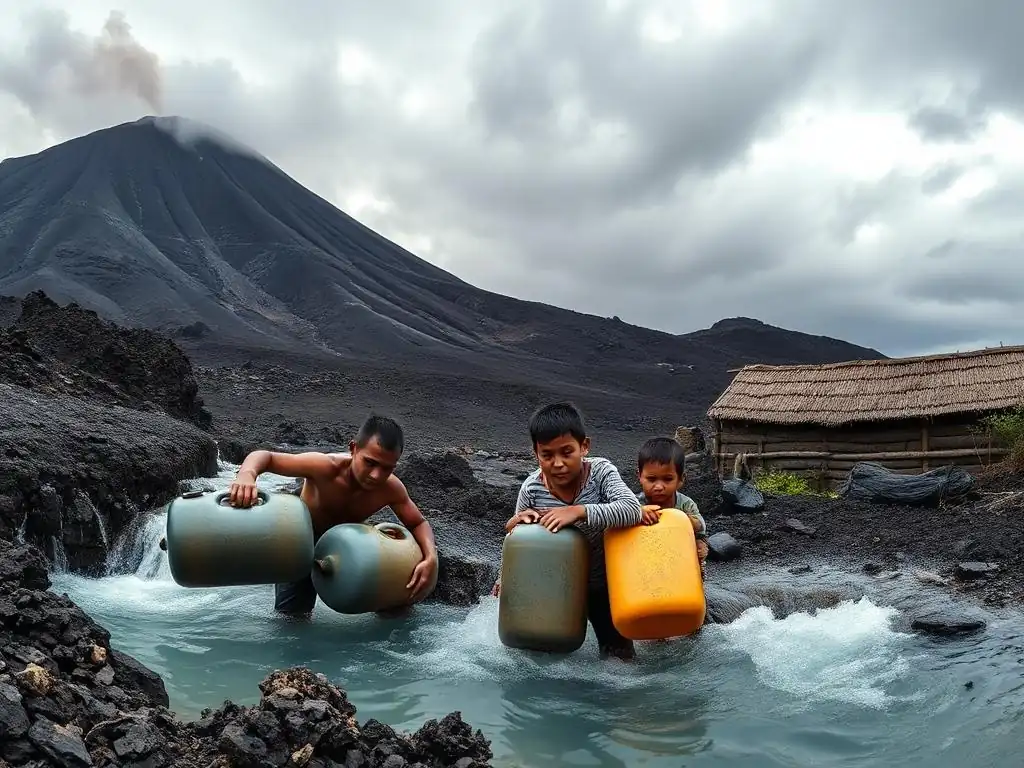
Securing your water supply before a volcanic eruption is a multi-faceted approach, encompassing both long-term storage and readily available purification methods. The goal is to establish a resilient water security strategy that addresses both immediate needs and potential long-term disruptions. This involves building an emergency water reserve, understanding how to purify potentially contaminated water sources, and exploring alternative water collection methods. A proactive approach to water preparedness significantly increases your ability to cope with the challenges of a volcanic emergency.
A comprehensive water security plan should consider household needs, storage space limitations, and the specific volcanic hazards in your area. For communities near active volcanoes, long-term water storage should be a standard household preparedness measure, alongside plans for evacuation and emergency communication. Furthermore, community-level initiatives such as establishing emergency water distribution points and investing in resilient infrastructure can significantly enhance overall water security for the region. By combining individual preparedness with community-level planning, it is possible to mitigate the risks associated with water supply disruptions during volcanic eruptions.
Long-Term Water Storage: Building Your Emergency Reserve
Building a long-term water storage system is a cornerstone of volcano preparedness. This reserve acts as your primary water source when regular supplies are disrupted. The key to effective long-term storage is using appropriate containers, storing them correctly, and understanding water treatment for prolonged storage. This section will explore practical methods for establishing a reliable emergency water reserve.
The amount of water you need to store depends on factors like household size, climate, and individual needs. However, aiming for at least one gallon of water per person per day for a minimum of two weeks is a widely recommended starting point. For areas with a higher risk of prolonged disruptions, extending this to a month or even longer is advisable. Regularly checking and replenishing your stored water ensures its freshness and readiness when needed.
Water Storage Containers
Choosing the right water storage containers is crucial for maintaining water quality and preventing leaks or contamination. Food-grade plastic containers are the most common and practical option for household storage. These containers are made from high-density polyethylene (HDPE) and are typically blue or white, opaque to prevent light from promoting algae growth. They come in various sizes, from individual jugs to larger barrels, allowing you to tailor your storage to available space and needs. Ensure containers are specifically labeled as food-grade and BPA-free to guarantee they are safe for drinking water storage.
When selecting containers, consider ease of handling and storage. Smaller jugs are easier to carry and distribute water from, while larger barrels offer greater volume but require more space and may be harder to move once filled. Stackable containers can maximize storage space efficiency. Before filling, thoroughly clean and sanitize all containers with a bleach solution (approximately one tablespoon of unscented liquid household bleach per gallon of water) and rinse thoroughly. Store filled containers in a cool, dark, and dry place away from direct sunlight and chemicals to prolong water quality and prevent plastic degradation.
Water Storage Bladders
Water storage bladders, also known as water bricks or water tanks, offer a more versatile and space-efficient alternative to traditional rigid containers. These collapsible or semi-rigid bladders are typically made from food-grade plastic and come in various shapes and sizes, allowing them to fit into unconventional spaces like under beds, in closets, or crawl spaces. Their flexible nature makes them particularly useful for individuals with limited storage space or those needing to transport water in an emergency.
Water bladders offer several advantages. Their collapsible design makes them easy to store when empty and maximizes space utilization when filled. Many bladders are designed with multiple layers of plastic for increased durability and puncture resistance. Some models also feature spigots or dispensing valves for easier water access.
However, bladders may be more prone to punctures than rigid containers if not handled carefully, and their flexible nature might make them less stable when stacked. Similar to rigid containers, ensure bladders are food-grade, BPA-free, and thoroughly cleaned and sanitized before use. Regularly inspect bladders for leaks or damage and replace them as needed to maintain the integrity of your stored water supply.
Water Purification Methods: Ensuring Safe Drinking Water
Even with stored water, knowing how to purify water from potentially contaminated sources is essential in a volcanic emergency. While stored water provides a safe initial supply, disruptions can be prolonged, and you may need to utilize alternative water sources. Volcanic ash, as discussed, can contaminate surface water, and even groundwater sources may be affected in some scenarios. Therefore, understanding and practicing various water purification methods is a crucial survival skill in a volcanically active region.
Water purification aims to remove harmful contaminants, including bacteria, viruses, protozoa, and chemical pollutants, making water safe for drinking. Several methods are effective, each with its advantages and limitations in a volcanic emergency context. These methods range from simple techniques like boiling to more advanced options like filtration and chemical disinfection. Having multiple purification methods available increases your resilience and adaptability in a crisis.
Water Filters
Water filters are a highly effective way to remove sediment, bacteria, protozoa, and some chemicals from contaminated water. Various types of filters are available, ranging from simple gravity filters to portable pump filters and more advanced ceramic or membrane filters. Gravity filters are excellent for home use, utilizing gravity to slowly filter water through a multi-stage filtration system, often including ceramic and carbon filters. Portable pump filters are ideal for individual use or small groups, allowing you to quickly filter water directly from a source into a container.
For volcanic ash contamination, filters with a fine pore size (0.1 to 0.2 microns) are recommended to effectively remove bacteria and protozoa. Filters with activated carbon elements can also help remove some chemical contaminants and improve taste and odor. When choosing a filter, consider its lifespan, flow rate, ease of cleaning, and portability. Regularly cleaning and maintaining your filter according to the manufacturer's instructions is crucial for its effectiveness and longevity. Having a backup filter cartridge or a secondary filtration method is also a wise preparedness measure.
Water Purification Tablets
Water purification tablets offer a convenient and portable chemical disinfection method for making water safe to drink. These tablets typically contain chlorine or chlorine dioxide, which effectively kill most bacteria and viruses in water. They are lightweight, have a long shelf life, and are easy to use, making them an essential component of any emergency preparedness kit. Purification tablets are particularly useful when boiling water is not feasible or when you need to treat larger volumes of water quickly.
To use purification tablets effectively, follow the manufacturer's instructions carefully, as dosage and contact time vary depending on the tablet type and water quality. Generally, you add the recommended number of tablets to a specific volume of water and allow it to sit for at least 30 minutes before drinking. Turbid or cloudy water should be pre-filtered through a cloth or allowed to settle before using purification tablets, as sediment can reduce their effectiveness.
While purification tablets are effective against most microorganisms, they may not be as effective against certain protozoa like Cryptosporidium and may not remove chemical contaminants or improve taste. For best results, combine purification tablets with pre-filtration and consider a secondary purification method if possible.
Boiling Water
Boiling water is a simple yet highly effective method for disinfecting water and killing harmful microorganisms, including bacteria, viruses, and protozoa. It is a readily available method that requires only a heat source and a container. Boiling is particularly useful in situations where other purification methods are unavailable or when dealing with water that is visibly contaminated. In a volcanic emergency, if you have access to a heat source (camp stove, fire), boiling water is a reliable way to ensure its safety.
To effectively disinfect water by boiling, bring the water to a rolling boil for at least one minute. At higher altitudes, where water boils at a lower temperature, boil for a minimum of three minutes. Allow the water to cool completely before drinking. Boiling effectively kills most biological pathogens but does not remove sediment, chemical contaminants, or improve taste.
For water that is visibly cloudy or contains sediment, pre-filtering through a cloth or allowing it to settle before boiling is recommended. While boiling is effective for disinfection, it consumes fuel and may not be practical for large volumes of water. It is best used as a primary method for smaller quantities or as a backup when other methods are not feasible.
Rainwater Harvesting: Tapping into a Natural Resource
Rainwater harvesting can be a valuable supplementary water source, particularly in areas with regular rainfall. During a volcanic eruption, while initial rainfall might be contaminated with volcanic ash, subsequent rainfall can become a relatively clean source of water, provided proper collection and filtration methods are used. Setting up a simple rainwater harvesting system can significantly augment your emergency water supply.
A basic rainwater harvesting system involves collecting rainwater runoff from roofs or tarps into clean containers. Gutters and downspouts can be used to direct rainwater into barrels or tanks. For emergency situations, even a large tarp or plastic sheeting angled to collect rain into a container can be effective. The key is to ensure the collection surface is clean and free of contaminants as much as possible.
Initial rainwater runoff after an ashfall should be discarded, as it will likely be heavily contaminated. Once the air clears and ashfall subsides, collected rainwater can be a valuable resource. Always filter and purify harvested rainwater before drinking, using methods like filtration and boiling, to remove any remaining contaminants and ensure its safety.
Emergency Water Sources: Knowing Your Options
Beyond stored water and rainwater harvesting, knowing alternative emergency water sources can be crucial, especially in prolonged volcanic crises. These sources may not be ideal or readily accessible, but in desperate situations, they can be lifesavers. Potential emergency water sources include water heaters, toilet tanks (not the bowl), and natural springs or streams in the area, if they are not directly contaminated by volcanic activity.
Water heaters can hold a significant amount of water, typically 30 to 80 gallons. To access this water, turn off the water heater and allow it to cool, then drain water from the drain valve at the bottom. Toilet tanks (the upper tank, not the bowl) contain relatively clean water that can be used for flushing or, if purified, for drinking.
Natural springs and streams, while potentially contaminated, can be used as a last resort if properly purified. It is crucial to prioritize purification for any emergency water source before consumption, using filtration, boiling, or chemical disinfection methods to minimize the risk of waterborne illnesses. Knowing the location of potential natural water sources in your area beforehand can be a valuable preparedness strategy.
Calculating Your Water Needs: How Much is Enough?
Determining how much water to store requires a realistic assessment of your daily water consumption and the potential duration of a water supply disruption. Underestimating your water needs can lead to shortages during an emergency, while overestimating might lead to unnecessary storage burdens. This section provides guidance on calculating your water needs for volcano preparedness.
The standard recommendation of one gallon of water per person per day is a good starting point, but actual needs can vary depending on individual factors, climate conditions, and the nature of the emergency. Consider factors like age, health conditions, activity levels, and climate when estimating your water needs. Hotter climates and higher activity levels increase water requirements. Also, factor in water for hygiene and sanitation, in addition to drinking water, to get a more comprehensive estimate of your total water needs.
Estimating Daily Water Consumption: A Practical Guide
To estimate your daily water consumption more accurately, consider breaking down water usage into categories. Drinking water typically accounts for the largest portion, generally around half a gallon to one gallon per person per day, depending on activity and climate. Food preparation requires water for cooking dehydrated meals or washing produce if available. Hygiene needs, such as handwashing, face washing, and minimal bathing, also require water. Sanitation, particularly flushing toilets (if possible) or using portable toilets, requires additional water.
A practical approach is to track your household's water usage for a day or two under normal conditions. This will provide a baseline for drinking, cooking, and hygiene. Then, estimate how much water you would need for sanitation in an emergency scenario.
For example, you might allocate one gallon per person per day for drinking and cooking, and an additional half gallon to one gallon per person per day for hygiene and minimal sanitation. Adjust these estimates based on your specific circumstances and the expected conditions during a volcanic eruption. Remember to factor in water for pets as well, typically around one ounce of water per pound of body weight per day.
Planning for Different Scenarios: Short-Term vs. Long-Term Disruptions
Water planning needs to account for different disruption scenarios, ranging from short-term ashfall events to potentially long-term infrastructure damage. A short-term disruption, lasting a few days to a week, might primarily involve ash contamination and temporary water outages. In such cases, a two-week water supply reserve might be sufficient. However, a major eruption causing widespread infrastructure damage or prolonged ashfall could lead to longer-term disruptions lasting weeks or even months.
For areas prone to significant volcanic hazards, planning for longer-term disruptions is crucial. This might involve storing a month's supply of water or more, and developing strategies for replenishing water sources through rainwater harvesting or identifying reliable alternative sources. Consider the potential for secondary hazards like lahars to impact water infrastructure for extended periods. Your water storage plan should be scalable and adaptable to different scenarios. Having both short-term and long-term water storage options, coupled with knowledge of purification methods and alternative sources, provides greater resilience for varying levels of volcanic disruption.
Putting it All Together: Creating Your Volcano-Ready Water Plan
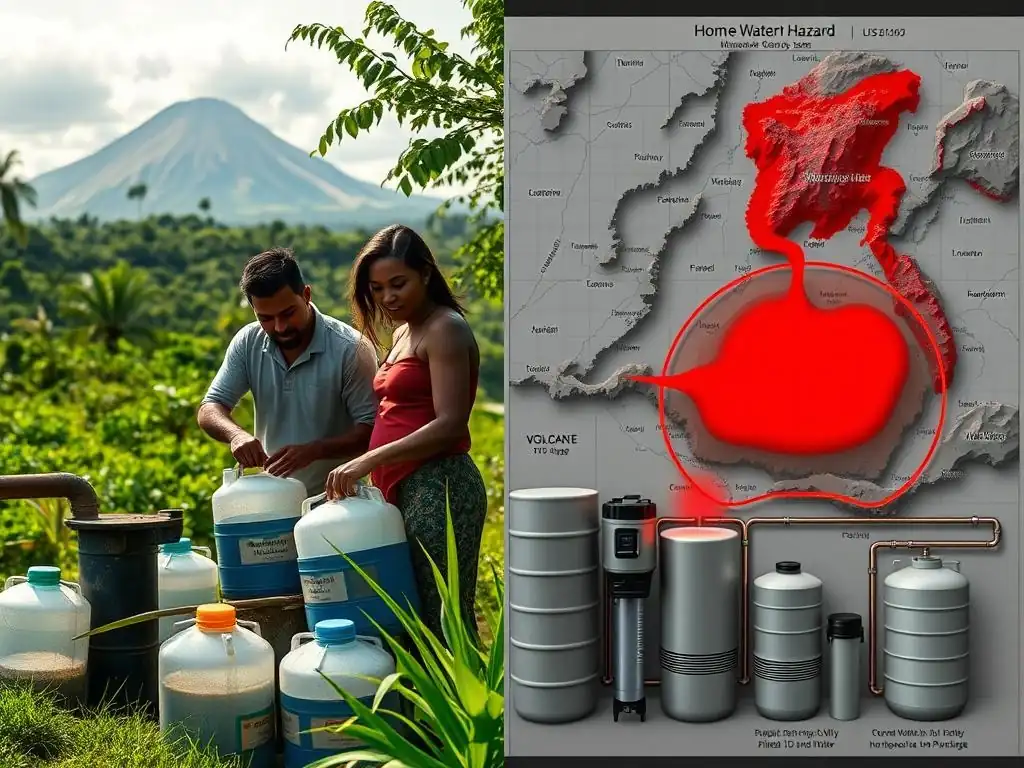
Creating a comprehensive volcano-ready water plan involves synthesizing all the information discussed into a practical and actionable strategy. This plan should outline your water storage goals, purification methods, alternative sources, and steps for implementation and maintenance. A well-defined water plan ensures you are prepared to secure this essential resource before a volcanic eruption occurs.
Your water plan should be written down and easily accessible to all household members. Regularly review and update the plan as your needs or circumstances change. Practice water purification methods and familiarize yourself with the location of emergency water sources. By proactively creating and maintaining a volcano-ready water plan, you significantly enhance your safety and resilience in the face of volcanic hazards.
Step-by-Step Guide to Building Your Emergency Water Supply
Building your emergency water supply can be broken down into a step-by-step process:
- Calculate Your Water Needs: Estimate your daily water consumption per person and determine your desired storage duration (e.g., two weeks, one month).
- Acquire Food-Grade Containers: Purchase appropriate water storage containers (jugs, barrels, bladders) based on your calculated needs and available space.
- Clean and Sanitize Containers: Thoroughly clean and sanitize all containers with a bleach solution and rinse thoroughly.
- Fill Containers with Potable Water: Fill containers with clean, treated municipal water or well water. If using municipal water, no additional treatment is needed for storage. If using well water, consider treating it with unscented household bleach (follow CDC guidelines for water disinfection).
- Seal and Label Containers: Securely seal containers to prevent contamination and label them with the filling date.
- Store Containers Properly: Store filled containers in a cool, dark, and dry location, away from direct sunlight and chemicals.
- Gather Water Purification Supplies: Assemble water filters, purification tablets, and boiling equipment as backup purification methods.
- Develop a Rainwater Harvesting Plan: Identify potential rainwater collection surfaces and containers for supplementary water.
- Locate Emergency Water Sources: Identify and map potential alternative water sources in your area (water heaters, toilet tanks, springs, streams).
- Regularly Check and Rotate Stored Water: Check stored water every six months for signs of contamination and rotate it by using the older water and refilling containers with fresh water.
By following these steps, you can systematically build a reliable emergency water supply and enhance your preparedness for volcanic eruptions.
Case Studies: Learning from Past Volcanic Eruptions
Examining past volcanic eruptions highlights the critical importance of water security and provides valuable lessons for preparedness. The 1980 eruption of Mount St. Helens in Washington State, USA, while not directly impacting major population centers' water supply, demonstrated the potential for ashfall to contaminate water sources and disrupt infrastructure. Communities downwind experienced significant ashfall, leading to temporary water quality issues and increased demand for bottled water. This event underscored the need for public education on water purification methods and pre-stored water supplies even in developed nations.
The 1991 eruption of Mount Pinatubo in the Philippines, a much larger eruption, had more severe consequences for water resources. Extensive ashfall contaminated water sources across a wide area, and lahars destroyed water infrastructure, including pipelines and irrigation systems. Many communities faced prolonged water shortages and relied heavily on emergency water distribution.
This eruption highlighted the vulnerability of water infrastructure to volcanic hazards, particularly lahars, and the need for resilient infrastructure planning in volcanically active regions. More recently, the 2021 eruption in La Palma, Canary Islands, while ongoing, has demonstrated the localized impact of volcanic activity on water supply, with lava flows damaging irrigation systems and groundwater sources, impacting agriculture and local water access. These case studies emphasize the diverse ways volcanic eruptions can disrupt water supplies and reinforce the necessity of proactive water security measures, including long-term storage, purification capabilities, and resilient infrastructure.
Conclusion: Don't Wait for the Warning Signs – Secure Your Water Now!
Volcanic eruptions are powerful and unpredictable natural events that can disrupt essential services, with water supply being particularly vulnerable. Waiting for warning signs to appear before securing your water is a gamble you cannot afford to take. Preparation is key, and establishing a robust emergency water plan is a critical step in safeguarding your well-being and that of your community in the face of volcanic hazards.
Don't underestimate the importance of a readily available and safe water supply before a volcano awakens. By taking proactive steps to build your emergency water reserve, learn purification methods, and understand alternative water sources, you empower yourself and your family to weather the storm, ensuring access to this most vital resource when it's needed most. Start building your volcano-ready water plan today – your preparedness could be the difference between hardship and resilience when the earth begins to rumble.
Frequently Asked Questions
What is the biggest threat to water supplies during a volcanic eruption?
The biggest threat is contamination of water sources by ashfall and debris. This can render water undrinkable and damage water infrastructure.
How much water should I store before a potential volcanic eruption?
Experts recommend storing at least one gallon of water per person per day for a minimum of three days. Consider storing more, especially for families with children or pets.
What are some ways to protect my existing water sources from volcanic ash?
Covering wells and reservoirs with tarpaulins or other protective materials can help. Also, disconnect rainwater harvesting systems to avoid contamination.
Besides bottled water, what are alternative water sources in the event of a volcanic eruption?
You can collect rainwater in clean containers after the initial ashfall has cleared. Properly boiling or disinfecting water from other sources is crucial for safety.
How will I know if my water supply has been contaminated after a volcanic eruption?
Look for visible ash or discoloration, or an unusual taste or smell. If you suspect contamination, do not drink the water and report it to local authorities.
Final Reflection: The Preciousness of Preparedness
The urgency of securing a reliable water supply before a volcanic eruption isn't just a theoretical exercise; it's a stark reality that demands immediate attention. The potential for devastation, as outlined in this article, underscores the critical need for proactive planning and resource management in vulnerable communities. Ignoring this threat is akin to playing Russian roulette with the lives and livelihoods of those in the shadow of these geological giants.
The lessons learned from studying past volcanic events, and the strategies proposed for safeguarding water resources, resonate far beyond the immediate threat zone. They speak to a broader need for resilience and adaptability in the face of any unforeseen crisis. The ability to secure clean water is not merely a matter of survival; it's about preserving dignity and hope when everything else seems to crumble. By failing to prepare, you are preparing to fail.
- Benjamin Franklin. This quote encapsulates the essence of our responsibility to anticipate and mitigate potential disasters, ensuring that our communities are equipped to weather any storm, or in this case, any eruption.
Now, as you reflect on the information presented, consider your own preparedness. Are you ready? Are your loved ones ready? The time for complacency is over. Let this article serve as a catalyst for action, prompting you to assess your water security, develop emergency plans, and advocate for proactive measures in your community. The future is uncertain, but our preparedness doesn't have to be. Take the first step today, and secure your tomorrow.
Here's a Call to Action (CTA) tailored for an article titled "Water's Edge: Can You Secure Enough H2O Before a Volcano Awakens?" on the Volcano Explorers website:
Reinforce Your Water Security: Before the Pressure Rises!
Thank you for diving into the crucial topic of water security in volcanic regions! We hope this article has provided you with valuable insights into the challenges and solutions surrounding water access when volcanic activity threatens. Now, let's transform knowledge into action and be prepared.
Here's what you can do to enhance your water security and resilience:
- Prioritize Your Water Storage: Immediately assess and increase your current water reserves to meet at least a 72-hour supply per person in your household. Don't just think about drinking water; consider hygiene and essential sanitation needs too.
- Explore Alternative Water Sources: Research potential nearby sources like natural springs or rainwater harvesting systems. Identify at least one alternative water source and create a plan for safe collection and purification if needed.
- Share Your Knowledge: Talk to your neighbors and community about water security and volcanic risk. Sharing preparedness strategies strengthens everyone's resilience.
What's the first step you'll take today to bolster your water preparedness against a potential volcanic eruption? Share your plans in the comments below!