
Volcano Explorers' Guide to Hawaii: Planning Your Volcanic Adventure

Welcome to Volcano Explorers!
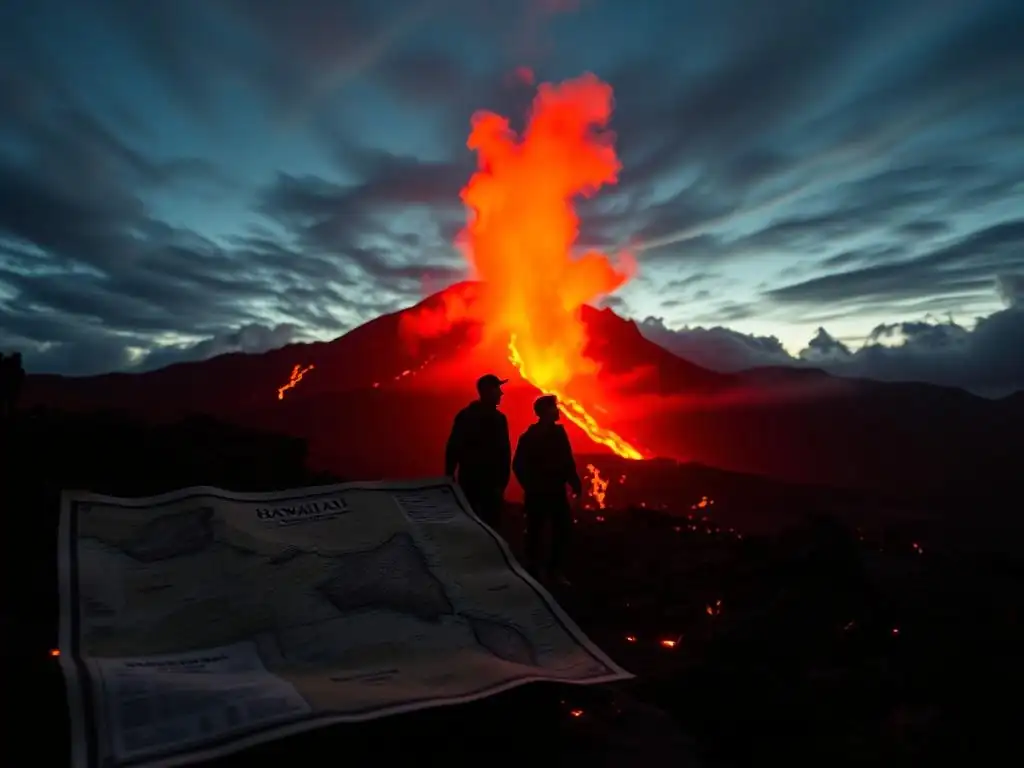
Dare to step into the heart of the Earth's fury? Imagine standing on the edge of a caldera, feeling the raw power beneath your feet. Our journey begins now, with an in-depth look at Hawaii volcano adventure planning. But that's just the beginning... what secrets will you uncover as we explore the fiery landscapes and geological wonders that await? Let's ignite your curiosity and begin your exploration!
- Introduction: Embark on Your Hawaii Volcano Adventure
-
Frequently Asked Questions
- What are the main types of volcanoes found in Hawaii?
- What should I consider when planning a "Hawaii volcano adventure" trip?
- What safety precautions should I take when visiting an active volcano in Hawaii?
- Where can I find real-time updates on volcanic activity in Hawaii?
- What is the cultural significance of volcanoes in Hawaiian traditions?
- Final Reflection: Embracing the Fire Within
- Ignite Your Hawaiian Volcano Adventure!
Introduction: Embark on Your Hawaii Volcano Adventure
Discovering the Volcanic Wonders of Hawaii
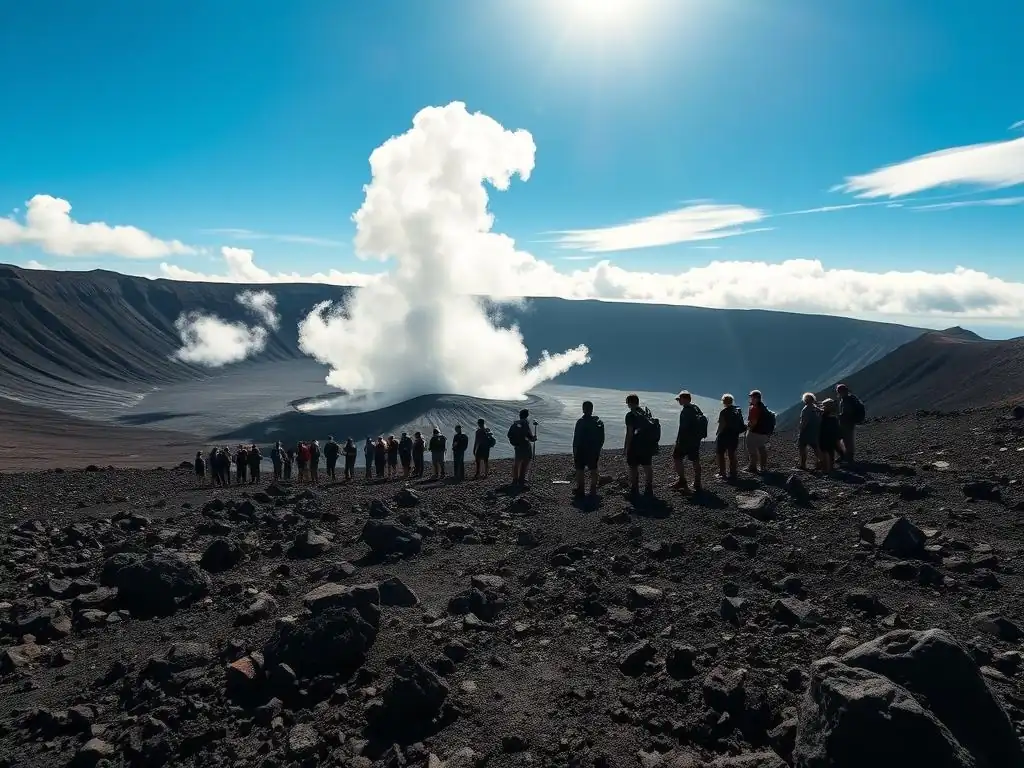
Hawaii, the youngest and most volcanically active state in the United States, is a land forged by fire and sculpted by the relentless power of volcanoes. Born from the depths of the Pacific Ocean over a hotspot, the Hawaiian Islands are a living laboratory of geological processes, offering an unparalleled opportunity to witness the raw energy of our planet.
From the towering, snow-capped peaks of Mauna Kea and Mauna Loa to the constantly erupting Kīlauea, Hawaii presents a diverse volcanic landscape that captivates scientists and adventurers alike. Imagine standing at the edge of a volcanic crater, feeling the earth tremble beneath your feet, and witnessing the mesmerizing dance of molten lava – this is the reality of a Hawaii volcano adventure.
The allure of Hawaii's volcanic wonders extends beyond the sheer spectacle of eruptions. The islands are a testament to the slow, yet powerful, forces of creation and destruction that have shaped our world for millennia. Exploring Hawaii's volcanic landscapes allows you to delve into the fascinating science of volcanology, understand the formation of islands, and appreciate the delicate balance between nature's destructive and creative forces. Whether you are a seasoned geologist, a nature enthusiast, or simply seeking an unforgettable travel experience, Hawaii's volcanoes offer a journey into the heart of Earth's dynamic processes.
Why Hawaii is a Prime Destination for Volcano Exploration
Hawaii stands out as a premier destination for volcano exploration for several compelling reasons. Firstly, its volcanic activity is remarkably accessible and relatively predictable, especially at Kīlauea, one of the world's most active volcanoes. This accessibility allows visitors to witness volcanic phenomena up close, often in a safe and managed environment, particularly within Hawaiʻi Volcanoes National Park. The park infrastructure, including well-maintained roads, trails, and visitor centers, makes navigating and understanding the volcanic landscape easier and more enriching for all levels of explorers.
Secondly, Hawaii boasts a diverse range of volcanic features within a relatively compact area. From active lava lakes and steaming vents to vast lava fields and intricate lava tubes, the islands showcase the entire spectrum of volcanic formations. This geological diversity allows for varied exploration experiences, catering to different interests and physical abilities.
Whether you prefer a leisurely drive along Crater Rim Road, a moderate hike through a volcanic crater, or a more challenging trek across lava flows, Hawaii offers a volcano adventure tailored to your preferences. Furthermore, the stunning natural beauty of Hawaii, combined with its unique volcanic landscapes, makes it an exceptionally rewarding destination for those seeking adventure and natural wonders.
Frequently Asked Questions
What are the main types of volcanoes found in Hawaii?
Hawaii is primarily known for shield volcanoes, characterized by their gentle slopes and effusive eruptions of basaltic lava. These eruptions often produce lava flows rather than explosive eruptions.
What should I consider when planning a "Hawaii volcano adventure" trip?
Consider the current volcanic activity levels, access to Hawaii Volcanoes National Park, and the availability of guided tours. Also, factor in the weather conditions and potential hazards like volcanic gases.
What safety precautions should I take when visiting an active volcano in Hawaii?
Always follow the instructions of park rangers and tour guides. Stay on designated trails, be aware of volcanic gas hazards, and carry plenty of water.
Where can I find real-time updates on volcanic activity in Hawaii?
VolcanoExplorers.org offers real-time updates on volcanic activity worldwide, including Hawaii. Also, look to the USGS Hawaiian Volcano Observatory for scientific information.
What is the cultural significance of volcanoes in Hawaiian traditions?
Volcanoes are considered sacred places in Hawaiian culture, often associated with Pele, the goddess of fire and volcanoes. Respect for the 'āina (land) is paramount.
Final Reflection: Embracing the Fire Within
The journey through Hawaii's volcanic landscapes, as explored in this guide, is more than just a vacation; it's an encounter with the raw, untamed power of our planet. Understanding the intricacies of Hawaii volcano adventure planning allows us to not only witness this power safely but also to connect with the deep geological history that shapes these islands and our world. The lessons learned from navigating volcanic terrain translate into a broader appreciation for the dynamic forces that constantly reshape our environment.
The allure of volcanoes, with their inherent danger and breathtaking beauty, has always captivated the human spirit. My own fascination with these fiery giants stems from a deep respect for nature's ability to both create and destroy. This guide, I hope, empowers others to experience this wonder responsibly and respectfully. The mountains are calling and I must go.
- John Muir. This quote encapsulates the irresistible pull of nature's grandeur, a feeling amplified tenfold when standing before an active volcano.
Now, armed with the knowledge and insights shared within these pages, I urge you to embark on your own Hawaiian volcano adventure. But remember, exploration is not just about conquering landscapes; it's about understanding them, respecting them, and learning from them. Let the fiery heart of Hawaii ignite your own spirit of adventure, and may your journey be filled with wonder, respect, and a profound appreciation for the earth beneath your feet.
Ignite Your Hawaiian Volcano Adventure!
Mahalo for exploring the fiery wonders of Hawaii with us! We hope this guide has provided valuable insights for planning your volcanic expedition. Now, it's time to turn your knowledge into action and experience the raw beauty of these geological giants firsthand.
- Start Planning Your Trip Now: Begin researching flights and accommodations near Hawaii Volcanoes National Park. Don't delay—the adventure awaits! This is your key to an unforgettable experience.
- Share Your Dream Trip: Post your favorite volcano photos and planned activities on Instagram or Facebook using #VolcanoExplorersHawaii. Let's inspire others to join the journey!
- Stay Informed: Sign up for our Volcano Explorers newsletter to receive exclusive tips, safety updates, and alerts about lava flow activity. Stay informed and prepared!
What's the first volcano you'll explore in Hawaii, and what are you most excited to see? Share your thoughts in the comments below!