
The Threat of Toxic Soils: Navigating the Chemical Risks of Volcanic Farming

Welcome to Volcano Explorers!
Ever wondered about the hidden dangers lurking beneath the fertile soil of volcanic farms? Dive into the surprising world of chemical risks of volcanic farming and uncover the secrets of thriving amidst the threat of toxic soils. Are the rewards worth the risks? Explore the delicate balance between nature's bounty and its potentially hazardous side effects – the answers might surprise you...
- Introduction: Understanding the Dual Nature of Volcanic Soils for Agriculture
-
Frequently Asked Questions
- What are the main chemical risks associated with volcanic farming?
- How does volcanic activity influence soil composition and chemical toxicity?
- What are the potential health impacts of consuming crops grown in volcanically-affected soils?
- What are some strategies farmers can use to mitigate the chemical risks in volcanic farming?
- Where can I find real-time updates and safety information regarding volcanic activity and its impact on agriculture?
- Final Reflection: Cultivating Awareness in Toxic Earth
- Unearth Solutions: Empower Volcanic Communities!
Introduction: Understanding the Dual Nature of Volcanic Soils for Agriculture
Volcanoes and Agriculture: A Complex Relationship
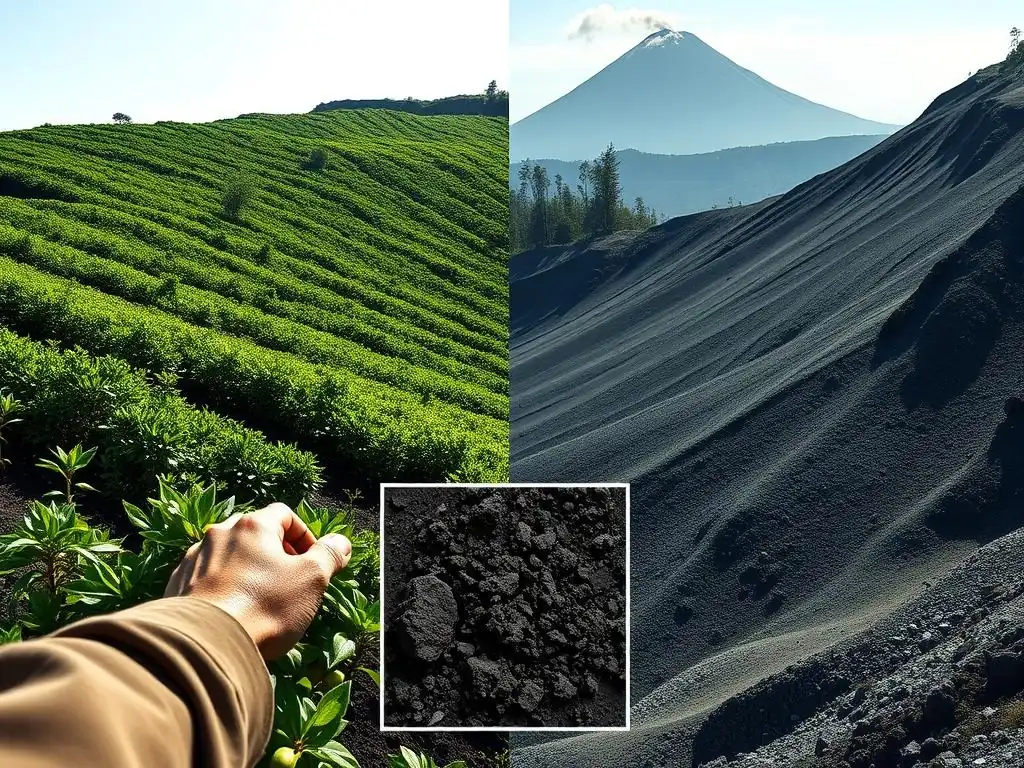
Volcanic regions, often perceived as zones of destruction and hazard, ironically offer fertile grounds for agriculture. This complex relationship between volcanoes and farming is deeply rooted in the unique chemical composition of volcanic soils. Throughout history, populations have been drawn to the slopes of volcanoes, enticed by the promise of productive harvests, despite the looming threat of eruptions. This enduring attraction highlights a crucial duality: volcanoes can be both devastating and life-sustaining, presenting both opportunities and significant challenges for agriculture.
The allure of volcanic terrains for farming stems from the enrichment of soils with essential minerals released during volcanic eruptions and weathering of volcanic rocks. These minerals, vital for plant growth, can lead to exceptionally fertile soils, capable of supporting diverse and abundant crops. However, this fertility is intertwined with potential risks. The very same volcanic activity that enriches the soil can also introduce toxic elements, posing considerable threats to both crop health and human well-being. Understanding this intricate balance is key to navigating the chemical risks of volcanic farming and harnessing the benefits while mitigating the dangers.
The Promise and Peril of Farming in Volcanic Regions
Farming in volcanic regions presents a compelling paradox. On one hand, volcanic soils, particularly Andisols, are renowned for their inherent fertility. Formed from volcanic ash and other volcanic ejecta, these soils are typically rich in phosphorus, potassium, calcium, magnesium, and various micronutrients – all essential for robust plant growth. This natural endowment often translates into higher crop yields compared to less fertile soil types, attracting agricultural communities for generations. The porous nature of many volcanic soils also provides excellent drainage and aeration, further contributing to favorable growing conditions for a wide range of crops.
On the other hand, the same volcanic processes that bestow fertility can also introduce a suite of chemical risks into the soil. Volcanic ash and rocks can contain elevated levels of elements like aluminum, arsenic, and heavy metals such as cadmium, lead, and mercury. These elements, while sometimes beneficial in trace amounts, can become toxic to plants and animals at higher concentrations.
Their presence in volcanic soils creates a significant challenge for farmers, demanding careful management and mitigation strategies to ensure food safety and environmental protection. The 'peril' lies in the potential for these toxic elements to accumulate in crops, enter the food chain, and pose risks to human and animal health, underscoring the need for a nuanced approach to agriculture in these dynamic environments.
Frequently Asked Questions
What are the main chemical risks associated with volcanic farming?
Volcanic farming, while potentially fertile, can expose crops and soil to toxic elements like arsenic, mercury, and fluorine. These elements can accumulate in the soil and be absorbed by plants, posing risks to human health.
How does volcanic activity influence soil composition and chemical toxicity?
Volcanic eruptions release ash and gases containing various chemicals. These materials can alter the soil's pH, increase the concentration of harmful elements, and affect nutrient availability, leading to chemical imbalances.
What are the potential health impacts of consuming crops grown in volcanically-affected soils?
Consuming crops grown in contaminated soil can lead to the accumulation of toxic elements in the body. This can result in various health problems, including organ damage, neurological issues, and increased cancer risk, depending on the specific toxins present.
What are some strategies farmers can use to mitigate the chemical risks in volcanic farming?
Farmers can use soil amendments like lime to neutralize acidity and reduce the availability of toxic elements. Crop rotation and the selection of resistant plant varieties can also help minimize the uptake of harmful substances. Regular soil testing is also important.
Where can I find real-time updates and safety information regarding volcanic activity and its impact on agriculture?
Websites like VolcanoExplorers.org provide real-time updates on volcanic activity worldwide. Local government agencies and research institutions also offer safety guides and evacuation tips for those living near active volcanoes, crucial for protecting agricultural lands.
Final Reflection: Cultivating Awareness in Toxic Earth
The exploration of chemical risks of volcanic farming reveals a stark reality: the very ground that promises fertile abundance can also harbor hidden dangers. This understanding is not merely academic; it's a crucial awareness as communities worldwide increasingly rely on volcanic soils for sustenance, demanding a proactive approach to mitigate potential health and environmental consequences.
The enduring impact of this knowledge resonates deeply within the agricultural landscape. Recognizing the delicate balance between harnessing volcanic soil's potential and safeguarding against its inherent toxicity is paramount. The earth is what we all have in common.
- Wendell Berry. This quote underscores the shared responsibility we bear in protecting our planet's resources and ensuring sustainable farming practices for generations to come.
Now, consider your own connection to the food you consume. Reflect on the origins of your meals and the unseen processes that bring them to your table. Let this exploration of the chemical risks of volcanic farming inspire you to advocate for informed agricultural practices, support sustainable food systems, and demand transparency in the production of the food that nourishes us all.
Unearth Solutions: Empower Volcanic Communities!
Thank you for exploring the critical issue of toxic soils in volcanic farming. We hope this article has shed light on the challenges and potential risks faced by communities relying on these unique lands. Now, let's turn knowledge into action!
Here are a few steps you can take to make a difference:
- Advocate for soil testing and remediation efforts in volcanic farming regions. Contact your local representatives or support organizations dedicated to sustainable agriculture.
- Research the specific chemical risks present in your region's volcanic soils. Share your findings with local farmers and community members to raise awareness.
- Consider supporting research into innovative farming techniques that mitigate the risks of toxic soil, or simply share this article to broaden awareness.
What innovative solutions can you envision for protecting volcanic farming communities from the threat of toxic soils? Share your ideas in the comments below!