
Gold from the Abyss: Mineral Deposits Created by Submarine Volcanoes

Welcome to Volcano Explorers!
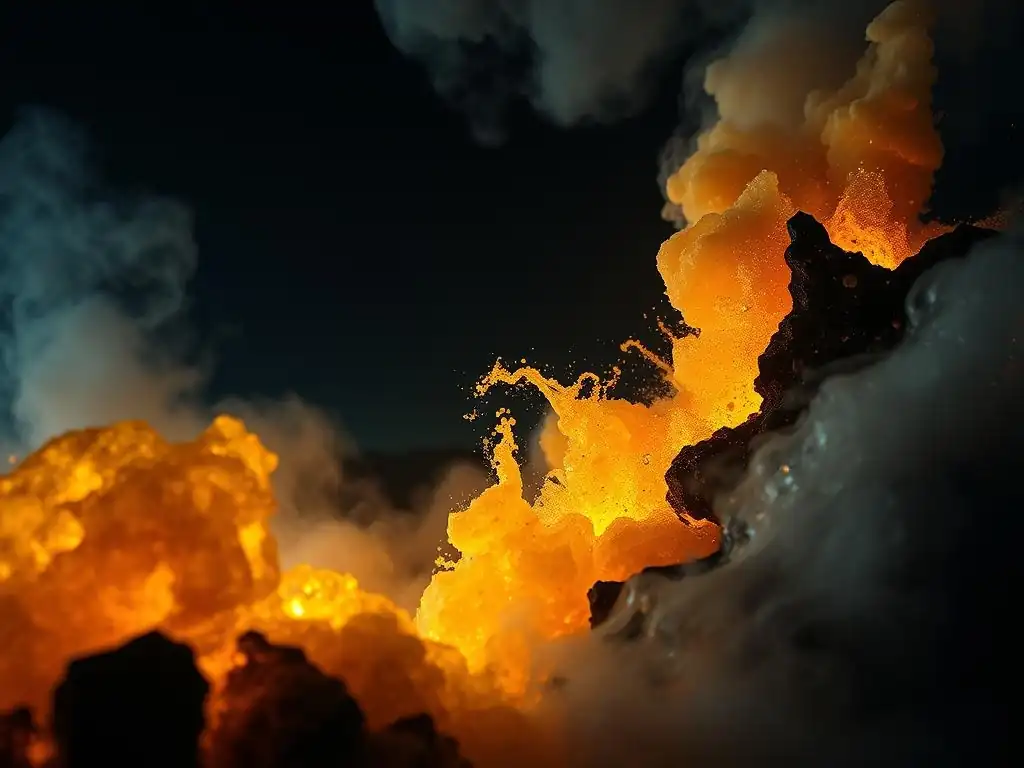
Prepare to descend into the fiery depths where land meets sea. Have you ever imagined gold forged beneath the waves, sculpted by the Earth's raw power? This isn't fantasy; it's the reality of Submarine volcano mineral deposits. Discover how these underwater behemoths create precious metals and other valuable resources, a story more complex and fascinating than you might think. Unravel the secrets of these hidden treasures and prepare to be amazed.
- Unveiling the Secrets of Submarine Volcano Mineral Deposits
- The Geological Processes Behind Submarine Volcano Mineralization
- Types of Mineral Deposits Associated with Submarine Volcanoes
- Locating and Studying Submarine Volcano Mineral Deposits
- The Environmental Impact of Submarine Volcano Mineral Deposits and Potential Mining
- Case Studies: Notable Examples of Submarine Volcano Mineral Deposits
- The Future of Submarine Volcano Mineral Exploration
- Frequently Asked Questions
- Final Reflection: Unearthing the Ocean's Riches
- Unearth Your Inner Explorer: Discover the Secrets of Submarine Volcanoes!
Unveiling the Secrets of Submarine Volcano Mineral Deposits
Exploring the Depths: An Introduction to Submarine Volcanism and Mineral Formation
Submarine volcanoes, hidden beneath the ocean's surface, are far more than just underwater mountains. They are dynamic geological powerhouses, responsible for significant heat and chemical exchange between the Earth's interior and the oceans. These underwater volcanic systems play a crucial role in shaping the chemistry of our planet and, remarkably, in creating valuable mineral deposits.
When hot magma from the Earth's mantle rises to the seafloor at these volcanic sites, it interacts intensely with the surrounding cold seawater. This interaction sets in motion a series of complex chemical reactions that lead to the precipitation and concentration of various minerals, essentially turning these volcanic areas into underwater mines of natural resources.
The process of mineral formation at submarine volcanoes is intimately linked to hydrothermal vents, often referred to as "black smokers" or "white smokers." These vents are essentially fissures in the seabed that spew out superheated, chemically enriched water. This hydrothermal fluid, heated by the underlying magma chamber, leaches metals and other elements from the surrounding volcanic rocks.
As this hot, metal-laden fluid encounters the cold, oxygenated seawater, a dramatic change in temperature and chemical conditions occurs. This sudden shift causes dissolved minerals to precipitate out of the solution, accumulating over time to form substantial mineral deposits on and beneath the seafloor. These deposits can contain a wealth of valuable metals, including gold, silver, copper, zinc, and lead, sparking considerable interest from both scientific and economic perspectives.
Why Study Mineral Deposits Formed by Submarine Volcanoes?
The study of mineral deposits formed by submarine volcanoes holds immense importance for several reasons, spanning scientific understanding to economic potential. From a purely scientific standpoint, these deposits offer a unique window into the Earth's deep crustal processes and the complex interplay between geological, chemical, and biological systems in extreme environments.
By examining the composition and formation mechanisms of these deposits, scientists can gain critical insights into magma generation, hydrothermal circulation, and the cycling of elements between the Earth's mantle, crust, and oceans. This knowledge is fundamental to understanding the broader geological evolution of our planet and the processes that have shaped it over billions of years.
Beyond fundamental science, the study of submarine volcano mineral deposits has significant economic implications. As terrestrial mineral resources become increasingly depleted and access to land-based deposits becomes more challenging and environmentally costly, the vast mineral wealth locked within the deep-sea environment is attracting growing attention.
Submarine volcano-related deposits, particularly seafloor massive sulfides, are known to be rich in base metals like copper and zinc, as well as precious metals like gold and silver, and strategically important metals such as cobalt and tellurium. Understanding the formation, distribution, and characteristics of these deposits is crucial for assessing their resource potential and for developing sustainable strategies for their potential future exploitation, while carefully considering the environmental impacts.
The Geological Processes Behind Submarine Volcano Mineralization
Hydrothermal Vent Systems: The Driving Force of Deep-Sea Mineral Formation
Hydrothermal vent systems are the primary engines driving the formation of mineral deposits around submarine volcanoes. These systems arise from the convective circulation of seawater through the fractured volcanic crust. Cold seawater penetrates the seabed, percolating downwards through cracks and fissures in the newly formed volcanic rocks.
As this seawater descends, it is heated by the underlying magma chamber or hot, solidified intrusions. This heating process can raise the temperature of the circulating water to hundreds of degrees Celsius, even exceeding 400°C in some high-temperature "black smoker" vents. The superheated water becomes a highly reactive fluid, capable of leaching metals and sulfur from the surrounding volcanic rocks.
This hydrothermal fluid, now enriched in dissolved metals, rises buoyantly due to its reduced density compared to the surrounding cold seawater. As it ascends, it migrates along pathways within the volcanic edifice and eventually discharges at the seafloor through hydrothermal vents. The dramatic temperature difference between the hot vent fluid and the near-freezing deep-sea water is a critical factor in mineral precipitation.
When the hot, metal-rich hydrothermal fluid mixes with cold, oxygenated seawater, the dissolved metals become less soluble and precipitate out of solution, forming mineral deposits around the vent site. The type of minerals that precipitate is influenced by factors such as the temperature, pressure, pH, and chemical composition of both the hydrothermal fluid and the surrounding seawater.
Magma Composition and its Influence on Mineral Deposit Types
The composition of the magma that feeds submarine volcanoes plays a vital role in determining the type and metal content of the resulting mineral deposits. Different magma types, originating from varying depths and mantle sources, have distinct chemical compositions, particularly in terms of their volatile content and metal concentrations. For instance, magmas associated with mid-ocean ridges, where tectonic plates are spreading apart, are typically basaltic and relatively depleted in volatile components and certain metals compared to magmas erupted at subduction zones.
Subduction zone volcanoes, formed where one tectonic plate slides beneath another, tend to erupt more volatile-rich andesitic to felsic magmas. These magmas are often enriched in sulfur, chlorine, and metals like copper, gold, and silver. The higher volatile content in subduction zone magmas enhances the efficiency of metal extraction during magma ascent and degassing.
Furthermore, the interaction of these magmas with the overlying crust can also contribute to metal enrichment in hydrothermal fluids. Consequently, submarine volcanoes in subduction zone settings are generally considered to have a higher potential for forming economically significant mineral deposits, particularly seafloor massive sulfide deposits rich in copper, zinc, lead, gold, and silver, compared to those associated with mid-ocean ridges or hotspots.
The Role of Seawater Chemistry in Mineral Precipitation
Seawater chemistry is a crucial environmental factor that significantly influences the precipitation and composition of mineral deposits at submarine volcanoes. The composition of seawater, particularly its salinity, pH, redox potential, and the concentration of dissolved ions like sulfate and chloride, directly impacts the solubility and transport of metals in hydrothermal fluids and the subsequent mineral precipitation processes. For example, seawater is rich in sulfate, which plays a critical role in the formation of sulfide minerals, a dominant component of seafloor massive sulfide deposits.
When hot, metal-bearing hydrothermal fluids mix with cold, sulfate-rich seawater, sulfate reduction can occur, often mediated by microorganisms. This process generates sulfide ions (S²⁻), which are highly reactive with dissolved metals like iron, copper, zinc, and lead. The reaction between sulfide ions and these metals leads to the precipitation of metal sulfide minerals, such as pyrite (FeS₂), chalcopyrite (CuFeS₂), sphalerite (ZnS), and galena (PbS), which are the primary constituents of seafloor massive sulfide deposits.
Furthermore, the pH and redox conditions of seawater also influence the stability and precipitation of different mineral phases. For instance, more acidic conditions may favor the dissolution of certain minerals, while more alkaline or reducing conditions might promote the precipitation of others. Therefore, the specific chemical characteristics of seawater in a given volcanic setting are a key determinant of the type and mineralogy of the hydrothermal deposits that form.
Types of Mineral Deposits Associated with Submarine Volcanoes
Seafloor Massive Sulfides (SMS): A Treasure Trove of Metals
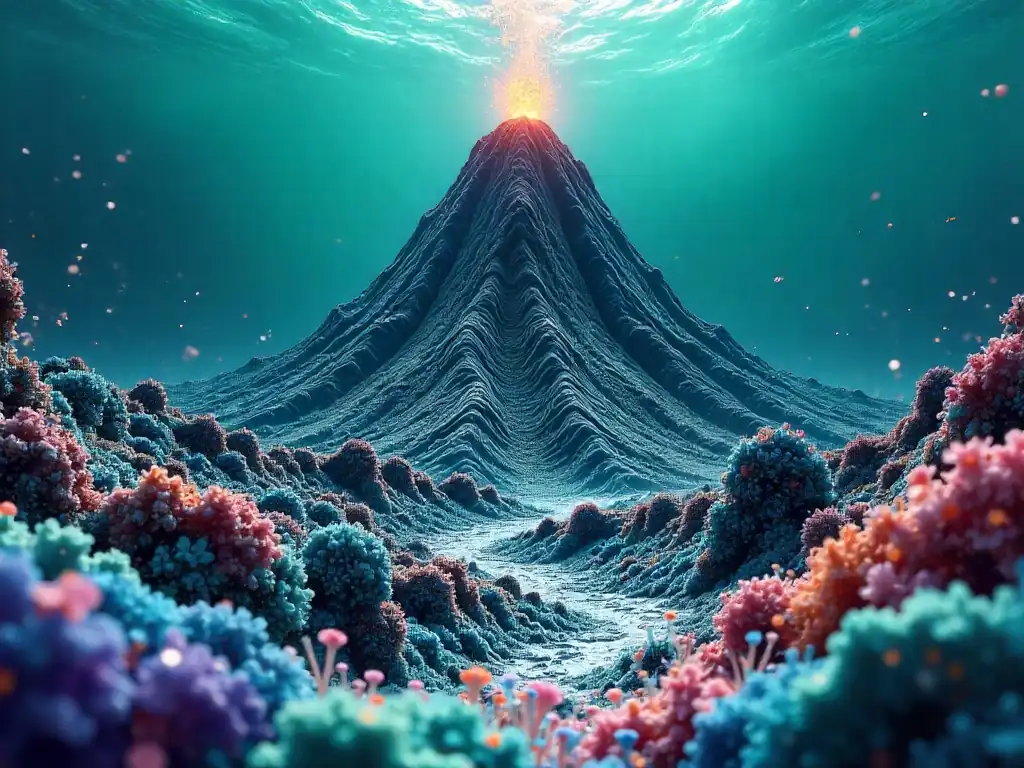
Seafloor Massive Sulfides (SMS) deposits are arguably the most economically significant type of mineral deposit associated with submarine volcanoes. These deposits are formed at hydrothermal vents, primarily "black smokers," where high-temperature, metal-rich fluids discharge onto the seafloor. SMS deposits are characterized by their massive accumulation of sulfide minerals, forming chimney-like structures, mounds, and extensive sulfide pavements on the seabed. They represent a concentrated source of various valuable metals, attracting considerable interest from both mining companies and scientific researchers.
Formation of SMS Deposits Near Submarine Volcanoes
The formation of SMS deposits is a continuous process linked to ongoing hydrothermal activity at submarine volcanic sites. As hot hydrothermal fluids vent into the cold seawater, rapid cooling and mixing trigger the precipitation of metal sulfides. Initially, near the vent orifice, high-temperature sulfide minerals like chalcopyrite (copper-iron sulfide) and pyrite (iron sulfide) tend to precipitate.
Further away from the vent, as the hydrothermal fluid cools and mixes more extensively with seawater, lower-temperature sulfide minerals such as sphalerite (zinc sulfide) and galena (lead sulfide) become more dominant. This process of mineral precipitation can build up substantial sulfide structures over time, ranging from small chimneys to large, multi-meter scale mounds that can extend for hundreds of meters across the seafloor. The continuous supply of hydrothermal fluids and the longevity of vent activity are crucial factors in the growth and size of SMS deposits.
Key Minerals Found in Seafloor Massive Sulfides
SMS deposits are polymetallic, meaning they contain a variety of valuable metals. The primary economic interest in SMS deposits lies in their high concentrations of copper and zinc, which are essential base metals used in numerous industrial applications. Copper is typically found in minerals like chalcopyrite and bornite, while zinc is concentrated in sphalerite.
In addition to base metals, SMS deposits are also enriched in precious metals, particularly gold and silver, often occurring as native metals or within sulfide minerals. Furthermore, these deposits can contain economically significant concentrations of other valuable metals, including cobalt, lead, and tellurium, which are considered critical metals for emerging technologies and green energy applications. The specific mineralogy and metal content of SMS deposits can vary depending on the geological setting, magma source, and hydrothermal fluid characteristics, making each deposit unique in its resource potential.
Volcanic-Hosted Massive Sulfide (VHMS) Deposits: Ancient Analogues on Land
Volcanic-Hosted Massive Sulfide (VHMS) deposits are ancient equivalents of modern Seafloor Massive Sulfide (SMS) deposits, now found on land. These deposits formed millions or even billions of years ago on the ancient ocean floor in association with submarine volcanic activity, similar to how SMS deposits are forming today.
Through tectonic processes, such as plate collisions and uplift, these ancient seafloor deposits have been brought to the surface and are now accessible for mining on land. VHMS deposits represent a significant source of copper, zinc, lead, gold, and silver globally, and their study provides valuable insights into the long-term geological processes of submarine volcanism and hydrothermal mineralization.
How VHMS Deposits Relate to Modern Submarine Volcanic Activity
The study of modern SMS deposits forming at submarine volcanoes is crucial for understanding the formation processes and characteristics of ancient VHMS deposits. Modern SMS systems act as present-day analogues for VHMS deposits, allowing geologists to directly observe and investigate the hydrothermal processes, mineral precipitation mechanisms, and geological settings that lead to the formation of these valuable ore deposits.
By studying the geochemistry of hydrothermal fluids, the mineralogy of SMS deposits, and the geological context of submarine volcanic environments, scientists can develop exploration models and strategies for finding new VHMS deposits on land. The knowledge gained from studying modern SMS deposits is directly applicable to understanding the genesis and distribution of VHMS deposits, enhancing our ability to discover and utilize these important terrestrial resources.
Geological Significance of VHMS Deposits
VHMS deposits are not only economically important but also geologically significant. They provide a record of ancient seafloor hydrothermal activity and volcanic processes that occurred throughout Earth's history. The study of VHMS deposits helps to reconstruct ancient ocean chemistry, volcanic environments, and tectonic settings.
Furthermore, VHMS deposits often host fossilized hydrothermal vent ecosystems, providing valuable insights into the evolution of life in extreme environments and the role of hydrothermal vents in supporting chemosynthetic life forms since the early Earth. The geological context of VHMS deposits also provides information about ancient plate tectonics and the evolution of the Earth's crust. Therefore, VHMS deposits serve as archives of Earth's geological and biological history, offering a window into the past processes that shaped our planet.
Ferromanganese Nodules and Crusts: A Different Kind of Deep-Sea Mineral Wealth
Ferromanganese nodules and crusts represent another type of mineral deposit found in deep-sea environments, including areas influenced by submarine volcanism, although their formation processes are distinct from SMS and VHMS deposits. These deposits are characterized by their enrichment in iron and manganese, along with other valuable metals like cobalt, nickel, and copper. Unlike SMS and VHMS deposits that form rapidly through hydrothermal precipitation, ferromanganese nodules and crusts grow very slowly over millions of years through the precipitation of metals from seawater and pore water in sediments.
The Formation of Ferromanganese Nodules in Volcanically Active Areas
While not directly formed by hydrothermal vents in the same way as SMS deposits, the formation of ferromanganese nodules can be indirectly influenced by submarine volcanism. Volcanic activity can release dissolved metals and hydrothermal plumes into the deep ocean, which can contribute to the metal budget of seawater and subsequently become incorporated into ferromanganese nodules. Furthermore, volcanic terrains on the seafloor provide a substrate for nodule growth.
Nodules typically form on abyssal plains, often in areas with slow sedimentation rates, allowing them to remain on the seafloor surface for extended periods, accumulating metals from the surrounding seawater. In volcanically active regions, the interplay between volcanic inputs, hydrothermal processes, and oceanic circulation can influence the distribution and composition of ferromanganese nodule fields.
Composition and Distribution of Ferromanganese Crusts
Ferromanganese crusts, also known as cobalt-rich ferromanganese crusts, are similar to nodules but form as pavements or coatings on hard substrates, such as seamounts and volcanic ridges. These crusts are particularly enriched in cobalt, a critical metal used in batteries and superalloys, making them a significant potential resource. Like nodules, ferromanganese crusts accrete metals slowly from seawater over millions of years.
They are commonly found in areas with strong bottom currents and low sediment accumulation, typically on the flanks and summits of seamounts in the Pacific, Atlantic, and Indian Oceans. The composition of ferromanganese crusts can vary depending on the location and geological setting, but they generally contain significant concentrations of manganese, iron, cobalt, nickel, copper, and other trace metals. Their formation is influenced by a complex interplay of oceanographic conditions, biological processes, and geological factors, including proximity to volcanic activity.
Locating and Studying Submarine Volcano Mineral Deposits
Deep-Sea Exploration Technologies: From ROVs to AUVs
Exploring and studying submarine volcano mineral deposits requires sophisticated deep-sea technologies capable of operating in extreme environments characterized by high pressure, cold temperatures, and often rugged terrain. Remotely Operated Vehicles (ROVs) are essential tools for visual exploration, sampling, and conducting experiments at hydrothermal vent sites and mineralized areas. ROVs are tethered underwater robots controlled by operators on a surface vessel, equipped with high-definition cameras, robotic arms, sensors, and sampling equipment. They allow researchers to directly observe vent systems, collect samples of hydrothermal fluids, rocks, and minerals, and deploy instruments for in-situ measurements.
Autonomous Underwater Vehicles (AUVs) provide another crucial capability for deep-sea exploration. AUVs are untethered robots that can be pre-programmed to conduct surveys and collect data over large areas of the seafloor. They are equipped with sonar systems for mapping the bathymetry and geological structures of submarine volcanoes, as well as sensors to measure water properties like temperature, salinity, and chemical composition.
AUVs can efficiently survey vast areas, identify potential hydrothermal vent plumes, and map the distribution of mineral deposits. The combination of ROVs and AUVs, along with other specialized deep-sea instruments, is crucial for the effective exploration and characterization of submarine volcano mineral deposits.
Geochemical Signatures: Identifying Active Hydrothermal Vent Fields
Geochemical signatures play a vital role in locating active hydrothermal vent fields and associated mineral deposits at submarine volcanoes. Hydrothermal plumes, emanating from vents, release chemically distinct fluids into the surrounding seawater. These plumes are characterized by anomalies in temperature, salinity, turbidity, and the concentration of certain chemical compounds. Scientists use sensitive sensors deployed on research vessels, ROVs, and AUVs to detect these geochemical anomalies and trace them back to their source vents on the seafloor.
Key geochemical indicators of hydrothermal activity include elevated concentrations of methane, hydrogen sulfide, helium-3 (a tracer of mantle origin), and dissolved metals like iron and manganese. By mapping the distribution of these geochemical tracers in the water column, researchers can identify areas of active hydrothermal venting and prioritize them for more detailed exploration using ROVs and other seafloor observation techniques. Geochemical surveys are often the first step in the exploration process, providing a cost-effective way to pinpoint promising areas for mineral deposit discovery and focused research.
Mapping the Seafloor: Understanding the Geological Context
Detailed mapping of the seafloor is essential for understanding the geological context of submarine volcano mineral deposits and for guiding exploration efforts. High-resolution bathymetric maps, generated using multibeam sonar systems, reveal the morphology of submarine volcanoes, including volcanic cones, calderas, rift zones, and fault structures. These maps provide a framework for interpreting the geological setting of hydrothermal vent systems and mineralized areas. Furthermore, geophysical surveys, such as seismic reflection and gravity measurements, can provide information about the subsurface structure of submarine volcanoes, including the location of magma chambers, fault systems, and the distribution of different rock types.
Seafloor mapping is also crucial for assessing the spatial extent and distribution of mineral deposits. By combining bathymetric data with geochemical and geological surveys, scientists can create comprehensive maps that delineate mineralized zones, identify potential resource targets, and plan efficient sampling strategies. Advanced mapping techniques, including underwater photogrammetry and 3D modeling, allow for detailed visualization and quantitative analysis of hydrothermal vent fields and SMS deposits, providing valuable insights into their formation and morphology. Seafloor mapping is thus an indispensable tool for both scientific research and resource exploration in submarine volcanic environments.
The Environmental Impact of Submarine Volcano Mineral Deposits and Potential Mining
The Unique Ecosystems Around Hydrothermal Vents
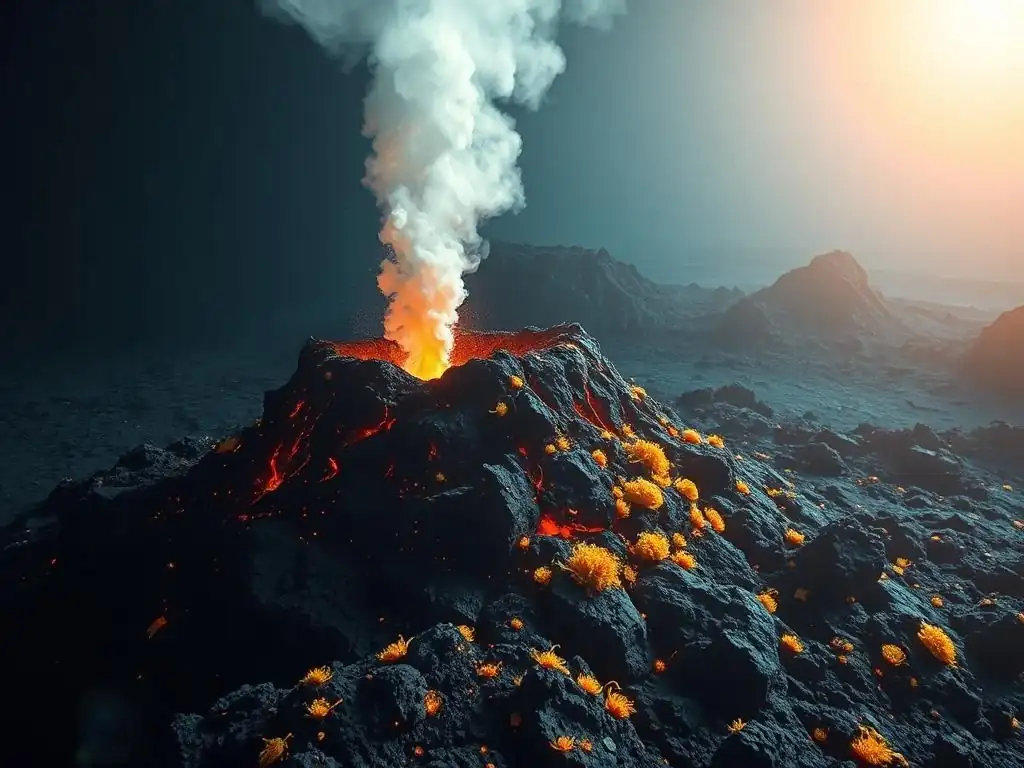
Hydrothermal vents associated with submarine volcano mineral deposits are not just geological wonders; they are also home to unique and thriving ecosystems. These vent ecosystems are chemosynthetic-based, meaning they derive their energy from chemical compounds, rather than sunlight, unlike most ecosystems on Earth.
The hot hydrothermal fluids emanating from vents are rich in chemicals like hydrogen sulfide, methane, and hydrogen, which serve as energy sources for specialized microorganisms, such as chemosynthetic bacteria and archaea. These microbes form the base of the food web, supporting a diverse community of invertebrates, including tube worms, clams, mussels, shrimp, and crabs, many of which are endemic to vent environments and have remarkable adaptations to these extreme conditions.
Hydrothermal vent ecosystems are characterized by high biodiversity and biomass in otherwise nutrient-poor deep-sea environments. They are considered biodiversity hotspots and play a crucial role in deep-sea ecology. However, these ecosystems are also fragile and vulnerable to disturbance due to their specialized adaptations and limited geographic distribution. Understanding the ecological functioning, biodiversity, and resilience of vent ecosystems is crucial for assessing the potential environmental impacts of activities like deep-sea mining and for developing effective conservation and management strategies.
Potential Risks of Deep-Sea Mining on Volcanic Mineral Deposits
The potential for mining submarine volcano mineral deposits, particularly SMS deposits, raises significant environmental concerns. Deep-sea mining operations could have direct physical impacts on vent ecosystems, including habitat destruction and the removal of vent structures and associated fauna. Mining activities can also generate plumes of sediment and disturbed material that can smother vent communities, reduce water quality, and affect filter-feeding organisms. Noise and light pollution from mining equipment can also disturb deep-sea organisms.
Furthermore, the extraction of sulfide minerals can release heavy metals and other potentially toxic substances into the water column, potentially impacting marine life beyond the immediate mining area. The long-term effects of deep-sea mining on vent ecosystems and the wider deep-sea environment are still not fully understood, and there are concerns about the potential for irreversible damage to these unique and vulnerable ecosystems. A precautionary approach is essential, emphasizing thorough environmental impact assessments, robust regulatory frameworks, and the development of environmentally sound mining technologies and practices to minimize potential harm.
Sustainable Practices for Future Exploration and Resource Management
Ensuring the sustainable exploration and potential resource management of submarine volcano mineral deposits requires a holistic and precautionary approach. This includes minimizing environmental impacts, promoting responsible resource stewardship, and incorporating scientific knowledge into decision-making. Prior to any mining activities, comprehensive environmental impact assessments are crucial to evaluate potential risks to vent ecosystems and the wider marine environment. These assessments should consider the unique biodiversity of vent ecosystems, the connectivity between vent sites, and the potential long-term consequences of mining disturbance.
Sustainable mining practices should focus on minimizing habitat destruction, reducing sediment plumes, and preventing the release of pollutants. This may involve selective mining techniques, closed-loop systems for waste management, and the development of technologies that minimize seafloor disturbance. Furthermore, the establishment of marine protected areas around representative vent ecosystems and mineralized areas could help to conserve biodiversity and ensure the long-term health of these unique environments. International collaboration, robust regulatory frameworks, and ongoing scientific research are essential for ensuring the sustainable and responsible management of deep-sea mineral resources associated with submarine volcanoes.
Case Studies: Notable Examples of Submarine Volcano Mineral Deposits
The TAG Hydrothermal Field: A Long-Term Study Site
The Trans-Atlantic Geotraverse (TAG) hydrothermal field, located on the Mid-Atlantic Ridge, is one of the most extensively studied submarine hydrothermal systems and a prime example of SMS deposit formation at a slow-spreading mid-ocean ridge. TAG has been the focus of scientific research for over three decades, providing invaluable insights into the geological, chemical, and biological processes operating at deep-sea vents. The TAG mound is a large, actively forming SMS deposit, characterized by high-temperature "black smoker" vents emitting fluids rich in iron, copper, and zinc.
Long-term monitoring at TAG has revealed the dynamic nature of hydrothermal activity, including episodic venting events, changes in fluid chemistry, and the growth and evolution of sulfide structures. Studies at TAG have also contributed significantly to our understanding of the microbial communities that thrive in these extreme environments and their role in biogeochemical cycling. The TAG hydrothermal field serves as a natural laboratory for studying SMS deposit formation and vent ecosystem dynamics, providing a benchmark for research at other submarine volcanic sites.
The Brothers Volcano, Kermadec Arc: A Hotspot of Geothermal Activity
The Brothers Volcano, located within the Kermadec Arc north of New Zealand, is an example of a highly active submarine volcano in a subduction zone setting, hosting a diverse range of hydrothermal vent systems and significant mineral deposits. Brothers Volcano is characterized by a large caldera and multiple hydrothermal vent fields emitting fluids with varying temperatures and chemical compositions, including both "black smokers" and "white smokers." The hydrothermal systems at Brothers Volcano are enriched in gold, silver, copper, zinc, and lead, making it a site of significant economic interest.
Research at Brothers Volcano has revealed the complex interplay between magmatic activity, hydrothermal circulation, and mineral precipitation in a subduction zone environment. The volcano hosts both sulfide-rich SMS deposits and sulfate-rich deposits, reflecting variations in fluid chemistry and geological setting. Brothers Volcano is also home to unique and diverse vent ecosystems, adapted to the distinct geochemical conditions of the hydrothermal fluids. It represents a prime example of the mineral resource potential and ecological significance of submarine volcanoes in volcanic arc settings.
The Izu-Bonin Arc: Active Hydrothermal Systems and Mineralization
The Izu-Bonin Arc, extending south of Japan, is a highly active volcanic arc system with numerous submarine volcanoes hosting extensive hydrothermal activity and significant mineral deposits. The arc is characterized by a high density of submarine volcanoes, many of which are actively venting and forming SMS deposits. Exploration and research in the Izu-Bonin Arc have revealed a wide variety of hydrothermal vent types, ranging from high-temperature "black smokers" to lower-temperature diffuse venting. The mineral deposits in this region are rich in copper, zinc, lead, gold, and silver, with some sites showing particularly high gold concentrations.
The Izu-Bonin Arc is an area of intense scientific and economic interest due to its high hydrothermal activity and mineral resource potential. Ongoing research is focused on understanding the geological controls on hydrothermal venting and mineralization in this complex volcanic arc setting, as well as assessing the ecological characteristics of the vent ecosystems. The Izu-Bonin Arc serves as a key example of the significant mineral wealth associated with submarine volcanoes in arc environments and the ongoing exploration and research efforts in these regions.
The Future of Submarine Volcano Mineral Exploration
New Technologies and Research Directions
The future of submarine volcano mineral exploration is being shaped by advancements in deep-sea technologies and evolving research directions. New generations of ROVs and AUVs are being developed with enhanced capabilities for deep-sea navigation, mapping, sampling, and in-situ analysis. Autonomous underwater swarm robotics, utilizing multiple coordinated AUVs, holds promise for efficient large-scale surveys of the seafloor and hydrothermal vent plumes. Advancements in sensor technology are leading to more sensitive and miniaturized instruments for geochemical and geophysical measurements, improving our ability to detect and characterize hydrothermal activity and mineral deposits.
Research directions are expanding to include a more holistic understanding of submarine volcano systems, integrating geological, geochemical, biological, and oceanographic data. Focus is increasing on the biogeochemical cycling of metals in hydrothermal plumes and their impact on ocean chemistry and marine ecosystems.
Advanced analytical techniques, such as high-resolution mass spectrometry and isotopic analyses, are providing new insights into the sources, transport, and precipitation mechanisms of metals in hydrothermal systems. The integration of big data analytics and machine learning is also emerging as a powerful tool for processing and interpreting the vast amounts of data generated from deep-sea exploration, enhancing our ability to identify and assess mineral resource potential.
The Potential for Resource Extraction and its Implications
The potential for resource extraction from submarine volcano mineral deposits, particularly SMS deposits and cobalt-rich ferromanganese crusts, is becoming increasingly realistic as terrestrial mineral resources become more constrained and deep-sea mining technologies advance. SMS deposits offer a concentrated source of copper, zinc, gold, silver, and other valuable metals, while ferromanganese crusts are rich in cobalt, a critical metal for batteries and green technologies. Several countries and companies are actively exploring deep-sea mining opportunities, and pilot mining projects are underway to test extraction technologies and assess environmental impacts.
However, the prospect of deep-sea mining also raises significant environmental, social, and ethical considerations. The potential impacts on fragile vent ecosystems, deep-sea biodiversity, and the wider marine environment need to be carefully assessed and mitigated.
Issues of resource ownership, benefit sharing, and the governance of deep-sea mining in international waters are complex and require international cooperation and robust regulatory frameworks. The future of resource extraction from submarine volcano mineral deposits will depend on balancing economic opportunities with environmental sustainability and responsible resource management, ensuring that these deep-sea treasures are utilized in a way that benefits humanity while protecting the health of our oceans.
Understanding the Long-Term Effects of Submarine Volcanic Activity on Mineral Formation
Understanding the long-term effects of submarine volcanic activity on mineral formation is crucial for both scientific understanding and resource assessment. Submarine volcanoes are dynamic systems, with volcanic eruptions, hydrothermal venting, and tectonic processes occurring over geological timescales. The longevity and intensity of volcanic activity, the evolution of magma composition, and changes in hydrothermal circulation patterns all influence the long-term growth and evolution of mineral deposits. Studying ancient VHMS deposits on land, which represent fossilized submarine hydrothermal systems, provides insights into the long-term geological processes that shape these ore deposits over millions of years.
Furthermore, understanding the response of hydrothermal systems and mineral deposits to changes in ocean chemistry and climate over geological time is increasingly important in the context of global environmental change. Ocean acidification, changes in seawater temperature, and variations in ocean circulation patterns can potentially affect hydrothermal venting, mineral precipitation, and the stability of existing mineral deposits.
Long-term monitoring of active hydrothermal systems and research on the geological history of VHMS deposits are essential for predicting the future evolution of submarine volcano mineral resources and for assessing their resilience in a changing ocean environment. A long-term perspective is critical for sustainable resource management and for understanding the role of submarine volcanism in shaping the Earth's geological and geochemical evolution.
Frequently Asked Questions
What are submarine volcano mineral deposits?
These are concentrations of valuable minerals that form around hydrothermal vents associated with submarine volcanoes. Hot, chemically-rich fluids released from the vents react with the surrounding seawater, precipitating minerals.
How do submarine volcanoes create these mineral deposits?
Magma heats the seawater which then dissolves minerals from the surrounding rock. This creates superheated, mineral-rich fluid that is expelled through vents. As the fluid cools when it meets the cold ocean water, minerals precipitate out and form deposits.
What types of minerals are typically found in these deposits?
Common minerals include sulfides of copper, zinc, lead, gold, and silver. The exact composition varies depending on the geological setting and the composition of the magma.
Where are these submarine volcano mineral deposits typically located?
They are found in tectonically active areas such as mid-ocean ridges, back-arc basins, and along island arcs. These are locations where submarine volcanoes are common.
Why are submarine volcano mineral deposits of interest?
They represent a potentially significant source of valuable metals, particularly gold. Exploring and potentially mining these deposits could supplement land-based resources, but also raises environmental concerns.
Final Reflection: Unearthing the Ocean's Riches
The exploration of submarine volcano mineral deposits, as we've seen, is no longer a futuristic fantasy but a tangible reality with profound implications. The potential for accessing valuable resources and understanding Earth's geological processes is immense, yet it demands a careful and considered approach. We stand at a critical juncture, where innovation must be tempered with environmental responsibility to ensure the long-term health of our oceans.
The allure of these underwater treasures is undeniable, and their impact on the future of resource acquisition is only beginning to unfold. The ethical considerations surrounding deep-sea mining are paramount, demanding a global dialogue and robust regulatory frameworks to protect these fragile ecosystems. The sea, once it casts its spell, holds one in its net of wonder forever.
- Jacques Cousteau. This quote reminds us of the profound responsibility we have to safeguard the ocean's mysteries as we venture deeper into its depths.
As we conclude this exploration of submarine volcano mineral deposits, I invite you to consider your role in shaping the future of deep-sea resource management. Let us strive to balance the pursuit of knowledge and economic gain with a deep respect for the delicate balance of our planet. The future of our oceans, and indeed our planet, depends on our collective wisdom and commitment to sustainable practices.
Unearth Your Inner Explorer: Discover the Secrets of Submarine Volcanoes!
Thanks for exploring the fascinating world of submarine volcanoes and their mineral wealth! Ready to dive deeper? Here's how you can continue your journey:
- Design your own research project: Begin by researching areas known for submarine volcanic activity using online geological surveys and databases. Focus your research on the types of minerals likely found in these regions.
- Share your discovery: Discuss this article with fellow geology enthusiasts on social media and spark a conversation about the potential for sustainable mineral extraction from these underwater environments.
- Become a citizen scientist: Contribute to ongoing research by analyzing publicly available data on hydrothermal vent activity and mineral deposit formation.
What was the most surprising fact you learned about the relationship between submarine volcanoes and mineral deposits? How will this knowledge inspire your next adventure?