
Ancient Wisdom, Modern Methods: Learning from Indigenous Volcanic Farmers

Welcome to Volcano Explorers.
Imagine a world where the raw power of a volcano isn't just a threat, but a source of life. Are you ready to uncover the secrets of Indigenous volcanic farming techniques, passed down through generations? Prepare to be amazed as we explore how these ancient methods are not only surviving, but thriving in the shadow of these fiery giants, offering vital lessons for a sustainable future. Let's delve deeper...
- Introduction: The Enduring Legacy of Indigenous Farming on Volcanic Lands
- Understanding Indigenous Volcanic Farming Techniques
- The Unique Benefits of Volcanic Soils for Agriculture
- Case Studies: Indigenous Communities and Their Volcanic Farming Practices
- Modern Applications of Ancient Volcanic Farming Knowledge
- Challenges Facing Indigenous Volcanic Farmers Today
- Preserving Indigenous Volcanic Farming Heritage
- The Future of Agriculture: Learning from Indigenous Volcanic Farmers
- Conclusion: Honoring the Wisdom of Indigenous Volcanic Farmers
-
Frequently Asked Questions
- What are Indigenous volcanic farming techniques, and why are they relevant today?
- How does volcanic ash benefit agricultural practices?
- What are some specific examples of Indigenous volcanic farming techniques?
- How can modern farmers benefit from learning about Indigenous volcanic farming?
- Are there any drawbacks or challenges associated with adopting Indigenous volcanic farming methods?
- Final Reflection: Cultivating Resilience
- Unearth the Secrets of Volcanic Farming!
Introduction: The Enduring Legacy of Indigenous Farming on Volcanic Lands
VolcanoExplorers.org: Exploring Sustainable Agriculture Around Volcanoes
Volcanoes, often perceived as harbingers of destruction, are also creators of fertile landscapes. For centuries, indigenous communities around the world have recognized and harnessed the agricultural potential of volcanic soils. VolcanoExplorers.org delves into this fascinating intersection of natural power and human ingenuity, highlighting how ancient wisdom can inform modern sustainable agriculture. We aim to explore the intricate techniques developed by indigenous farmers, showcasing their profound understanding of volcanic ecosystems and their sustainable practices.
This article will journey into the world of indigenous volcanic farming, examining its historical roots, unique benefits, and contemporary relevance. We will explore how these time-tested methods not only provide sustenance for communities living near volcanoes but also offer valuable lessons for global agriculture in the face of increasing environmental challenges. By understanding and appreciating these traditions, we can learn to cultivate a more resilient and sustainable food system, deeply connected to the natural cycles of our planet.
Understanding Indigenous Volcanic Farming Techniques
What are Indigenous Volcanic Farming Techniques? A Deep Dive
Indigenous volcanic farming techniques are a body of agricultural practices developed and refined over generations by communities living in volcanic regions. These techniques are characterized by a deep understanding of the specific properties of volcanic soils and the surrounding ecosystem. They are not merely about planting crops; they encompass a holistic approach to land management, resource utilization, and environmental stewardship, often intertwined with cultural and spiritual beliefs. These practices are diverse and adapted to the specific volcanic environment, climate, and available resources of each region.
These techniques often include methods like terracing to manage slopes and prevent erosion on volcanic inclines, crop diversification to maximize yields and soil health in mineral-rich but sometimes challenging soils, and water management strategies that capitalize on the porous nature of volcanic rock for drainage and water retention. Furthermore, indigenous knowledge frequently incorporates agroforestry, integrating trees into farming systems to enhance soil fertility, provide shade, and support biodiversity. Understanding these techniques requires acknowledging the intricate relationship between indigenous communities and their volcanic landscapes.
The History of Indigenous Agriculture on Volcanic Soils
The history of indigenous agriculture on volcanic soils stretches back millennia. Archaeological evidence suggests that in regions like Mesoamerica and Southeast Asia, sophisticated farming systems were thriving near volcanoes thousands of years ago. For instance, in Central America, the fertile volcanic highlands supported the rise of complex societies like the Maya and Aztec, whose agricultural prowess was intrinsically linked to the rich volcanic soils. These civilizations developed intricate systems of raised fields and terraces to maximize production in these fertile zones.
Similarly, in Southeast Asia, particularly in Indonesia and the Philippines, volcanic islands have been centers of agricultural innovation for centuries. Indigenous communities here mastered the art of cultivating rice, tubers, and a variety of crops in the ash-enriched soils, developing unique varieties and farming calendars adapted to the volcanic cycles. Oral traditions and historical accounts across these regions reveal a deep understanding of soil fertility, volcanic activity, and the sustainable management of these dynamic landscapes. This long history demonstrates the enduring adaptability and resilience of indigenous agricultural practices in volcanic environments.
The Unique Benefits of Volcanic Soils for Agriculture
Mineral-Rich Soils: The Secret to Volcanic Farming Success
Volcanic soils, known scientifically as Andisols, are renowned for their exceptional fertility, a key factor in the success of indigenous volcanic farming techniques. These soils are formed from volcanic ash and rock, which are rich in essential minerals like phosphorus, potassium, calcium, magnesium, iron, and micronutrients such as zinc and copper. These minerals are crucial for plant growth, contributing to higher yields, increased nutritional content in crops, and enhanced plant health and resilience to diseases. The readily available nutrients in volcanic soils often reduce or eliminate the need for synthetic fertilizers, aligning perfectly with sustainable agricultural practices.
Studies have shown that Andisols can contain significantly higher concentrations of certain nutrients compared to other soil types. For example, phosphorus levels in volcanic soils can be two to three times higher than in non-volcanic soils, which is particularly beneficial for root development and fruit production. This natural abundance of minerals is a primary reason why volcanic regions, despite the potential hazards, have been and continue to be densely populated agricultural areas. Indigenous farmers have long recognized this inherent fertility, developing farming systems that leverage these mineral riches for sustainable food production.
Water Retention and Drainage: Natural Advantages in Volcanic Regions
Beyond mineral richness, volcanic soils possess a unique combination of water retention and drainage properties that are advantageous for agriculture. The porous nature of volcanic ash and pumice allows for excellent drainage, preventing waterlogging and root rot, which are common problems in poorly drained soils. Simultaneously, the same porous structure and the presence of clay minerals like allophane and imogolite give volcanic soils a remarkable capacity to retain water, making moisture available to plants even during drier periods. This balance is crucial, especially in regions with fluctuating rainfall patterns often found near volcanic areas.
This dual characteristic of water retention and drainage is particularly beneficial in volcanic regions prone to both heavy rainfall and dry spells. For instance, in regions like the Andes Mountains, volcanic soils help mitigate the impact of intense rainy seasons by draining excess water while also providing a water buffer during drier periods. Indigenous farming techniques often capitalize on these properties through methods like terracing and raised beds, further optimizing water management and creating microclimates favorable for crop growth. This natural advantage in water management contributes significantly to the resilience and productivity of indigenous volcanic farming systems.
Case Studies: Indigenous Communities and Their Volcanic Farming Practices
Case Study 1: The Aeta of Mount Pinatubo and Their Ube Cultivation
Traditional Methods Employed by the Aeta
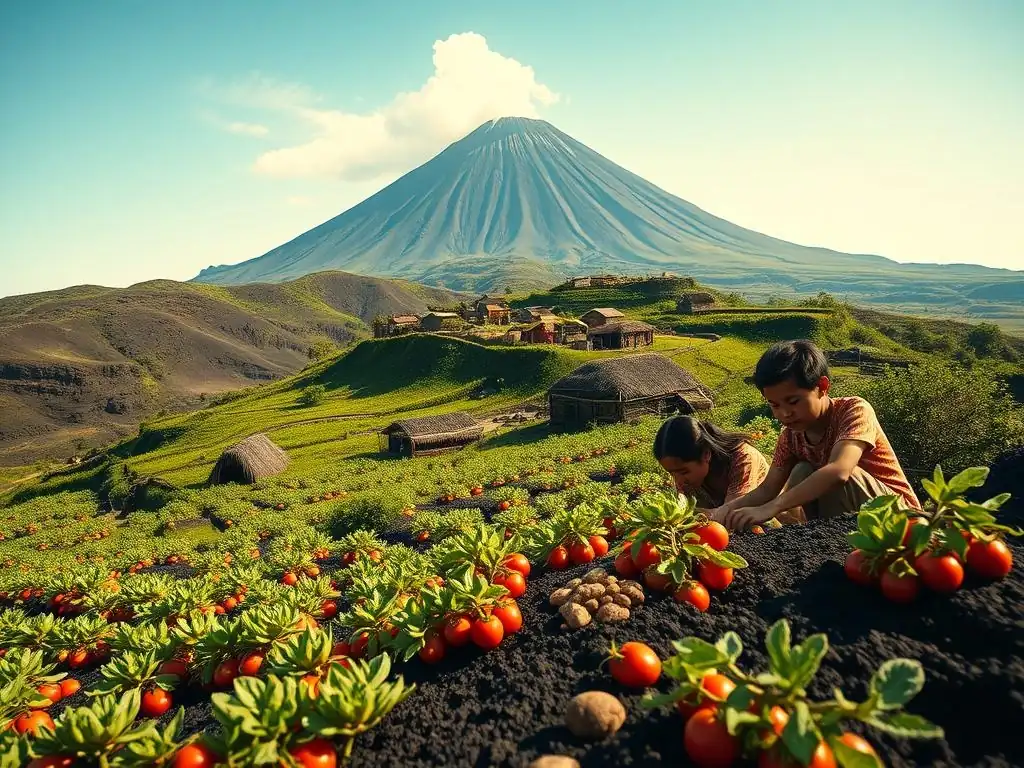
The Aeta, an indigenous group in the Philippines, have a long history of living around Mount Pinatubo and utilizing its volcanic soils for agriculture. Before the devastating 1991 eruption, they practiced swidden agriculture, also known as slash-and-burn, in the forested slopes. However, after the eruption dramatically reshaped their environment, the Aeta adapted and continued their agricultural traditions. They are particularly known for cultivating ube (purple yam, Dioscorea alata) in the volcanic ash-rich soils. Their traditional methods involve minimal tillage, allowing the soil structure to remain intact and preventing erosion on the slopes.
The Aeta utilize simple tools like digging sticks and bolos (machetes) for planting and harvesting. They practice intercropping, planting ube alongside other crops like sweet potatoes, bananas, and vegetables, maximizing land use and promoting biodiversity. Traditional Aeta farming also incorporates natural fertilizers like leaf litter and animal manure to enrich the volcanic soil, maintaining its fertility without relying on synthetic inputs. Their deep understanding of local plant varieties and their adaptation to the post-eruption landscape demonstrates their resilience and agricultural expertise.
Sustainability Practices and Environmental Stewardship
The Aeta's volcanic farming practices are inherently sustainable and demonstrate strong environmental stewardship. Their minimal tillage approach prevents soil erosion, a significant concern on volcanic slopes. Intercropping enhances biodiversity and improves soil health, reducing the risk of pest outbreaks and nutrient depletion. The use of natural fertilizers and avoidance of synthetic chemicals minimizes environmental pollution and promotes soil biological activity. Furthermore, their traditional swidden agriculture, when practiced sustainably with sufficient fallow periods, can also be a viable method in certain volcanic environments, allowing for forest regeneration and nutrient cycling.
Post-Pinatubo eruption, the Aeta have faced challenges including land displacement and resource scarcity. However, their continued reliance on traditional, sustainable farming methods highlights their commitment to environmental harmony. Organizations working with the Aeta are now focusing on supporting their traditional agriculture through initiatives that provide access to land rights, resources, and markets, ensuring the continuation of their valuable indigenous volcanic farming techniques and promoting their food security and cultural preservation.
Case Study 2: The Basotho of Lesotho and Their Approach to Volcanic Agriculture
Adapting to Challenging Conditions: Lessons from the Basotho
The Basotho people of Lesotho, a landlocked country in Southern Africa, live in a predominantly mountainous, volcanic landscape. Their agricultural practices are shaped by the basaltic volcanic soils and the challenging high-altitude climate, characterized by short growing seasons and potential frost. Despite these conditions, the Basotho have developed resilient farming systems that effectively utilize the volcanic soils for crop production, primarily focusing on maize, wheat, and beans. Their adaptation strategies offer valuable lessons in farming in marginal volcanic environments.
To cope with the steep slopes and prevent soil erosion, the Basotho have historically practiced terracing, creating level platforms for cultivation. They also employ contour plowing, following the natural contours of the land to minimize water runoff and soil loss. Crop rotation is another key element of their system, helping to maintain soil fertility and reduce pest and disease pressures. The Basotho’s traditional knowledge of soil management and water conservation in a volcanic upland environment demonstrates their ingenuity in adapting to challenging agricultural conditions.
Crop Diversification and Resilience in Volcanic Environments
Crop diversification is crucial to the resilience of Basotho agriculture in their volcanic environment. While maize is a staple crop, they also cultivate wheat, beans, peas, sorghum, and potatoes, among other crops. This diversification strategy provides food security and reduces the risk of crop failure due to weather variability or pest outbreaks. Different crops have varying levels of tolerance to drought, frost, and other environmental stresses common in the Lesotho highlands.
Furthermore, the Basotho integrate livestock farming with crop production. Livestock, primarily cattle, sheep, and goats, provide manure that is used to fertilize the volcanic soils, contributing to soil fertility and nutrient cycling. This integrated farming system enhances resilience by providing multiple sources of food and income, and by creating a more sustainable and closed-loop agricultural system adapted to the specific conditions of their volcanic environment. The Basotho example illustrates how diversification and integration are key to successful and resilient indigenous volcanic agriculture in challenging settings.
Modern Applications of Ancient Volcanic Farming Knowledge
Integrating Indigenous Knowledge with Modern Agricultural Practices
The wisdom embedded in indigenous volcanic farming techniques holds significant potential for modern agriculture. Integrating this knowledge with contemporary agricultural practices can lead to more sustainable and resilient food systems, particularly in volcanic regions and beyond. Modern agriculture can learn from indigenous approaches to soil management, water conservation, and crop diversification, adapting these principles to improve current farming systems.
For example, the minimal tillage practices common in many indigenous volcanic farming systems can be adopted in modern conservation agriculture to reduce soil erosion and improve soil health. Crop diversification strategies, central to indigenous systems, can enhance the resilience of modern farms to climate change and market fluctuations. Furthermore, the use of natural fertilizers and pest control methods, often integral to indigenous agriculture, can inspire a shift towards more ecological and less chemical-intensive farming practices globally. Collaborative research and knowledge exchange between indigenous farmers and agricultural scientists are crucial to facilitate this integration.
Sustainable Agriculture Solutions Inspired by Indigenous Techniques
Indigenous volcanic farming techniques offer practical solutions for developing more sustainable agricultural systems worldwide. Their emphasis on soil health, biodiversity, and resource efficiency aligns perfectly with the principles of sustainable agriculture. By studying and adopting these techniques, modern agriculture can reduce its environmental footprint, enhance resilience to climate change, and improve food security in a sustainable manner.
Practices like agroforestry, terracing, and water harvesting, common in indigenous volcanic farming, are increasingly recognized as essential components of sustainable land management. The focus on locally adapted crop varieties and traditional seed saving practices, characteristic of indigenous systems, can contribute to agrobiodiversity conservation and reduce reliance on monoculture and genetically uniform crops. Embracing the holistic and ecological approach of indigenous volcanic farming offers a pathway towards a more sustainable and equitable agricultural future, learning from the time-tested wisdom of communities who have thrived in harmony with volcanic landscapes for generations.
Challenges Facing Indigenous Volcanic Farmers Today
Climate Change and its Impact on Volcanic Agriculture
Indigenous volcanic farmers are disproportionately vulnerable to the impacts of climate change. Volcanic regions are already dynamic and sometimes hazardous environments, and climate change exacerbates these challenges. Changes in rainfall patterns, including increased frequency of droughts and floods, directly impact water availability for agriculture. Rising temperatures can alter growing seasons, affect crop yields, and increase the incidence of pests and diseases. These climate-related challenges threaten the livelihoods and food security of indigenous communities reliant on volcanic agriculture.
For instance, in some volcanic regions, glaciers that provide crucial irrigation water are receding due to warming temperatures, impacting water availability for farming. Changes in the timing and intensity of volcanic eruptions, potentially linked to climate change, also pose a threat to agricultural lands and communities. Furthermore, extreme weather events like hurricanes and typhoons, which are becoming more frequent and intense, can devastate crops and infrastructure in volcanic island nations and coastal volcanic regions. Addressing climate change and supporting adaptation strategies are critical for the future of indigenous volcanic agriculture.
Land Rights and Access to Resources for Indigenous Communities
Land rights and access to resources are persistent challenges for indigenous volcanic farmers globally. Historically, many indigenous communities have faced dispossession of their ancestral lands due to colonization, development projects, and resource extraction. Lack of secure land tenure makes it difficult for indigenous farmers to invest in long-term sustainable agricultural practices and access credit and other resources. Competition for land and resources from external actors, including large-scale agriculture and tourism, further marginalizes indigenous communities.
Access to essential resources like water, seeds, and markets is also often limited for indigenous farmers. Government policies and development programs may not adequately address their specific needs and may even undermine traditional farming systems. Strengthening land rights for indigenous communities, ensuring their access to resources, and empowering them to participate in decision-making processes are crucial steps towards supporting their agricultural livelihoods and preserving their valuable indigenous volcanic farming heritage.
Preserving Indigenous Volcanic Farming Heritage
The Importance of Documenting and Sharing Traditional Knowledge
Documenting and sharing the traditional knowledge of indigenous volcanic farming techniques is of paramount importance. This knowledge, accumulated over centuries, represents a valuable repository of sustainable agricultural practices and ecological understanding. As younger generations move away from traditional farming and modernization pressures increase, there is a risk of losing this invaluable heritage. Documentation efforts, including oral histories, participatory research, and community-based knowledge repositories, are essential to preserve this wisdom for future generations.
Sharing this knowledge widely, through educational programs, workshops, and online platforms, can benefit not only indigenous communities but also the broader agricultural community and policymakers. Promoting intergenerational knowledge transfer within indigenous communities and fostering dialogue between indigenous knowledge holders and scientists can facilitate innovation and adaptation in both traditional and modern agriculture. Recognizing the value of indigenous knowledge and actively working to preserve and disseminate it is crucial for building more sustainable and resilient food systems globally.
Supporting Indigenous Farmers and Their Sustainable Practices
Supporting indigenous volcanic farmers and their sustainable practices is essential for their well-being, cultural preservation, and the future of sustainable agriculture. This support should encompass various aspects, including securing land rights, providing access to resources and markets, and empowering indigenous communities to lead their own development initiatives. Fair trade practices and direct market access can help ensure that indigenous farmers receive just compensation for their products and labor.
Technical assistance and training programs, tailored to the specific needs of indigenous volcanic farmers and respecting their traditional knowledge, can enhance their agricultural productivity and resilience. Policies and programs that promote agroecological approaches and support community-based seed saving and exchange systems are also crucial. Furthermore, recognizing and valuing the cultural and spiritual dimensions of indigenous volcanic farming practices is important for holistic support and for fostering a deeper appreciation for the profound connection between indigenous communities and their volcanic landscapes.
The Future of Agriculture: Learning from Indigenous Volcanic Farmers
Building a More Resilient and Sustainable Food System
Learning from indigenous volcanic farmers is crucial for building a more resilient and sustainable global food system. Their time-tested techniques offer valuable insights into ecological farming, resource management, and adaptation to challenging environments. As the world faces increasing environmental pressures and the need for more sustainable food production methods becomes urgent, the wisdom of indigenous agriculture provides a vital roadmap.
Incorporating indigenous knowledge into modern agricultural research and development can lead to innovative solutions for climate-resilient agriculture, soil health improvement, and biodiversity conservation. Promoting agroecological principles and practices, inspired by indigenous systems, can reduce reliance on synthetic inputs, minimize environmental pollution, and enhance the sustainability of food production at all scales. The future of agriculture must embrace the wisdom of the past, learning from indigenous communities who have sustainably cultivated the land for generations.
Empowering Indigenous Communities Through Agricultural Innovation
Empowering indigenous communities through agricultural innovation is key to unlocking the full potential of their knowledge and practices. This empowerment involves supporting indigenous-led research and development initiatives, fostering innovation within traditional farming systems, and creating opportunities for indigenous farmers to share their knowledge and experiences. Participatory approaches that involve indigenous communities in the design and implementation of agricultural programs are essential to ensure that innovation is culturally appropriate and meets their specific needs.
Supporting indigenous entrepreneurship and value-added processing of agricultural products can create economic opportunities and strengthen local food systems. Investing in education and capacity building within indigenous communities, particularly in agricultural sciences and sustainable land management, is crucial for empowering the next generation of indigenous farmers and knowledge holders. By empowering indigenous communities, we not only support their livelihoods and cultural heritage but also contribute to a more diverse, resilient, and sustainable global food future.
Conclusion: Honoring the Wisdom of Indigenous Volcanic Farmers
The enduring legacy of indigenous volcanic farmers is a testament to human ingenuity, adaptation, and a profound understanding of natural systems. Their ancient wisdom, refined over generations in the face of both volcanic dynamism and environmental challenges, offers invaluable lessons for modern agriculture. By recognizing, respecting, and integrating indigenous volcanic farming techniques, we can move towards a more sustainable, resilient, and equitable food future. Honoring the wisdom of these communities is not just about preserving the past; it's about cultivating a better future for all.
Frequently Asked Questions
What are Indigenous volcanic farming techniques, and why are they relevant today?
These are time-tested methods developed by indigenous communities near volcanoes that leverage the unique soil properties created by volcanic ash. They are relevant today because they offer sustainable and resilient approaches to agriculture in challenging environments.
How does volcanic ash benefit agricultural practices?
Volcanic ash is rich in essential minerals, like phosphorus and potassium, that act as natural fertilizers. It also improves soil water retention and drainage, leading to healthier plant growth.
What are some specific examples of Indigenous volcanic farming techniques?
Examples include terracing to prevent erosion on steep slopes, using lava rock mulch to retain moisture, and intercropping to maximize land use and biodiversity. These techniques are tailored to specific local conditions.
How can modern farmers benefit from learning about Indigenous volcanic farming?
Modern farmers can gain valuable insights into sustainable agriculture, soil management, and climate resilience. These techniques can help improve crop yields and reduce the reliance on synthetic fertilizers.
Are there any drawbacks or challenges associated with adopting Indigenous volcanic farming methods?
Challenges include adapting the techniques to different climates and soil types, understanding the specific nutrient needs of crops, and ensuring the sustainability of resource use within the volcanic environment.
Final Reflection: Cultivating Resilience
The exploration of Indigenous volcanic farming techniques reveals more than just agricultural practices; it unveils a profound connection between humanity and the land, a connection that is increasingly vital in our modern world. The resilience and sustainability inherent in these ancient methods offer invaluable lessons for addressing contemporary challenges in food security and environmental stewardship. Understanding and integrating these principles is not merely a historical exercise, but a crucial step towards building a more sustainable future.
This journey into the world of Indigenous volcanic farming has underscored the enduring power of traditional knowledge. It reminds us that solutions to complex problems often lie in revisiting and re-evaluating the wisdom accumulated over generations. The deep respect for the land, the careful observation of natural cycles, and the ingenious adaptation to challenging environments are all hallmarks of these practices. We do not inherit the earth from our ancestors; we borrow it from our children.
This poignant reminder, often attributed to Indigenous cultures, encapsulates the core philosophy that drives sustainable farming and responsible land management.
As we conclude this exploration, I invite you to reflect on the lessons learned from Indigenous volcanic farmers. Consider how their wisdom can be applied not only to agriculture but also to other aspects of your life. How can you cultivate a deeper connection with the natural world?
How can you embrace resilience and sustainability in your own actions? The future of our planet depends on our collective ability to learn from the past and to cultivate a more harmonious relationship with the earth. Let us all strive to be stewards of the land, ensuring a bountiful and sustainable future for generations to come.
Unearth the Secrets of Volcanic Farming!
Thank you for exploring the fascinating world of indigenous volcanic farmers and their sustainable practices. You've discovered their deep connection to the land and the wisdom embedded in their traditions. Now, let's put this knowledge to work and build a more sustainable future.
Here are some ways to get started:
- Begin with small-scale experiments using volcanic soil amendments in your garden or a local community project. Even a small effort can make a significant impact.
- Explore ways to ethically and responsibly support local indigenous communities involved in sustainable agriculture.
- Share this article to spread awareness of the incredible resilience and wisdom of these farming communities.
What sustainable farming practices inspire you most, and how can you integrate these principles into your daily life?