
Unveiling the Vault: Your Secret Food Stockpile for Volcanic Unrest

Welcome!
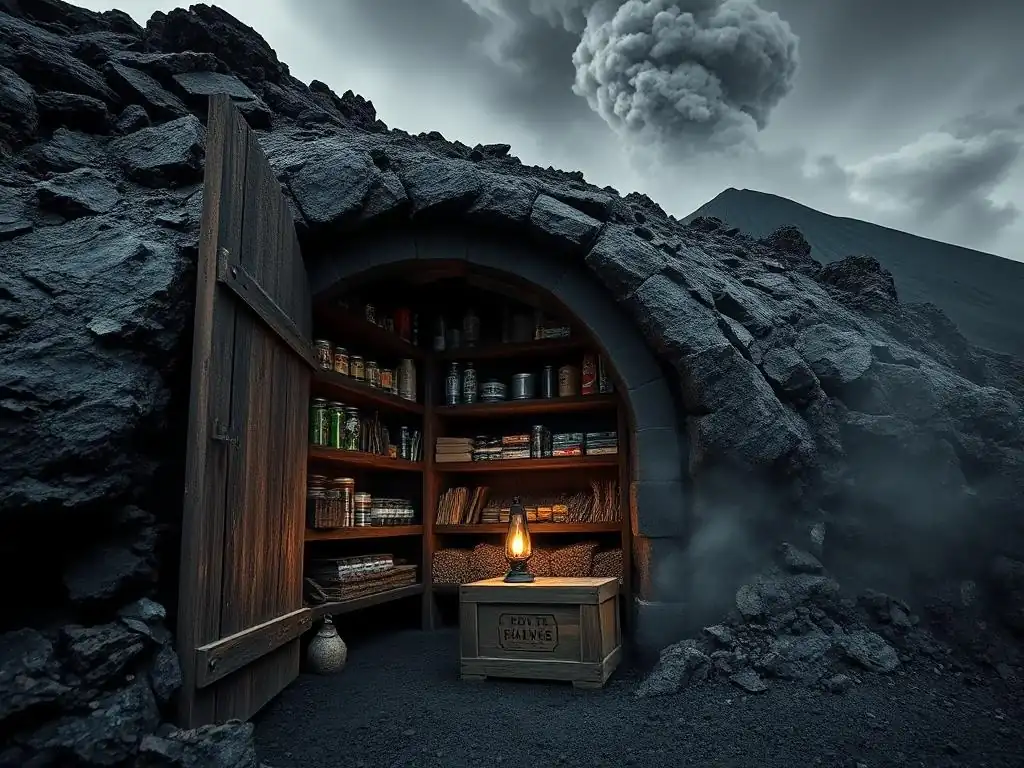
Ever wondered what you'd really need if a volcano threatened your doorstep? At Volcano Explorers, we peel back the layers of fiery science and practical preparedness. Today, we're not just talking about eruptions; we're unveiling the secrets to surviving them. Discover how to assemble an emergency food supply for volcanoes that could be your lifeline. What if the standard advice isn't enough? Let's dig deeper...
- Why an Emergency Food Supply for Volcanoes is Non-Negotiable
-
Frequently Asked Questions
- What are the most crucial food items to include in an emergency food supply for volcanic unrest?
- How much food and water should I stockpile for a volcanic emergency?
- Where is the best place to store my emergency food supply to protect it from volcanic hazards?
- How can I ensure my emergency food supply is still safe to eat after a volcanic eruption?
- Besides food and water, what other essential supplies should be included in my volcanic emergency kit related to food preparation?
- Final Reflection: Fortifying Resilience Against the Unseen
- Supercharge Your Safety: Master Your Volcanic Preparedness!
Why an Emergency Food Supply for Volcanoes is Non-Negotiable
The Unique Challenges of Volcanic Disasters: Beyond the Earthquake
Volcanic eruptions present a multifaceted threat landscape that extends beyond the immediate seismic activity often associated with earthquakes. While earthquakes are undeniably destructive, volcanic events introduce a complex array of hazards that can severely impact food security and necessitate robust emergency food preparedness. Unlike earthquakes, which are often sudden and short-lived, volcanic eruptions can unfold over weeks, months, or even years.
This prolonged period of unrest can disrupt supply chains, contaminate agricultural lands, and render entire regions uninhabitable due to ashfall, pyroclastic flows, and lahar flows. The extended nature of volcanic crises demands a different approach to emergency preparedness, one that prioritizes long-term self-sufficiency, especially regarding food and water.
Furthermore, the specific hazards of volcanic eruptions present unique challenges to food access and safety. Ashfall, for instance, is not merely a nuisance; it is a pervasive contaminant that can blanket entire regions, infiltrating homes, water sources, and food supplies. Pyroclastic flows and lahars, while more localized, are incredibly destructive and can obliterate infrastructure crucial for food distribution and agriculture.
The combination of these factors underscores why relying solely on external aid in the immediate aftermath of a volcanic eruption is a precarious strategy. Establishing a personal emergency food supply tailored to the specific threats of volcanic events is not merely advisable, it is a critical component of responsible volcano preparedness.
Understanding Ashfall and its Impact on Food Sources
Ashfall, a common consequence of volcanic eruptions, poses a significant threat to food sources and agricultural productivity. Volcanic ash is composed of fine particles of rock, mineral, and volcanic glass, and while not inherently toxic, its physical properties and widespread distribution can create substantial problems for food production and accessibility. A relatively thin layer of ash, even just a few millimeters thick, can smother crops, blocking sunlight and hindering photosynthesis. Heavier ashfall, measured in centimeters or even meters, can collapse roofs of greenhouses and agricultural buildings, bury fields, and contaminate water sources used for irrigation and livestock.
The impact of ashfall extends beyond immediate crop damage. Ash particles can contaminate grazing lands, making them unsuitable for livestock consumption and potentially leading to animal starvation. Furthermore, ash can clog machinery essential for harvesting and processing food, disrupting the entire food supply chain from farm to table.
The long-term effects of ashfall on soil fertility are also a concern. While some volcanic ash can enrich soil over very long periods, initially it can alter soil pH, introduce harmful minerals in high concentrations, and physically compact the soil, reducing its ability to support plant growth. Therefore, understanding the pervasive and multifaceted impact of ashfall on food sources is paramount when planning for emergency food supplies in volcano-prone areas.
The Importance of Long-Term Food and Water Storage for Volcano Preparedness
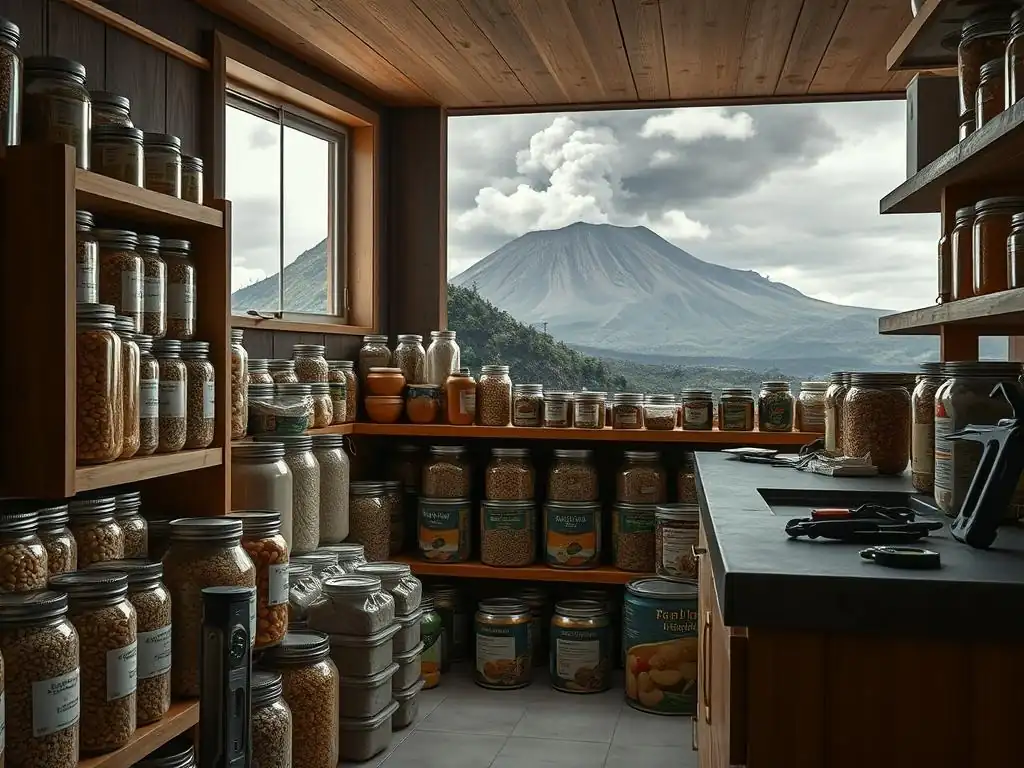
Long-term food and water storage is not just a prudent measure but a cornerstone of effective volcano preparedness. The extended duration of volcanic crises, coupled with the potential for widespread disruption to infrastructure and supply chains, necessitates a shift from short-term emergency kits to more robust, self-sustaining solutions. Imagine a scenario where a significant eruption causes road closures, airport shutdowns, and contamination of local water sources.
In such a situation, relying solely on a 72-hour emergency kit would be woefully inadequate. Aid may be delayed, and access to essential supplies like food and clean water could be severely restricted for days, weeks, or even longer.
Long-term food and water storage provides a crucial buffer against these uncertainties. It ensures that individuals and families have a readily available supply of sustenance to weather the initial crisis and any prolonged periods of disruption that may follow. This self-reliance not only enhances personal safety and well-being but also reduces the burden on emergency services, allowing them to focus on those most in need.
Moreover, having a well-stocked pantry provides peace of mind, reducing anxiety and fostering resilience in the face of a potentially stressful and uncertain volcanic event. Investing in long-term food and water storage is an investment in personal security and community resilience in volcano-prone regions.
Frequently Asked Questions
What are the most crucial food items to include in an emergency food supply for volcanic unrest?
The most crucial items include non-perishable foods like canned goods, dried fruits, and protein bars. Also, prioritize foods that require minimal preparation and are high in calories. Don't forget plenty of bottled water.
How much food and water should I stockpile for a volcanic emergency?
A good rule of thumb is to have at least a three-day supply of food and water per person. However, for volcanic unrest, consider extending this to two weeks or more, depending on your location and potential isolation. Always have extra supplies if possible.
Where is the best place to store my emergency food supply to protect it from volcanic hazards?
Store your emergency food in a cool, dry, and easily accessible location. Protect it from ashfall by keeping it in airtight containers and a sturdy, covered area, ideally indoors and away from windows.
How can I ensure my emergency food supply is still safe to eat after a volcanic eruption?
Carefully inspect all food packaging for damage or contamination from volcanic ash. Discard any items with compromised seals or signs of ash. Clean canned goods thoroughly before opening.
Include a manual can opener, utensils, plates, and bowls. A portable stove or cooking device that doesn't require electricity is also vital. Don't forget trash bags for proper waste disposal.
Final Reflection: Fortifying Resilience Against the Unseen
The insights shared throughout this guide, from meticulous planning to strategic food selection, underscore a vital truth: preparedness is paramount, especially when facing the unpredictable force of volcanic unrest. The potential for disruption, isolation, and resource scarcity demands a proactive approach, transforming the abstract threat into a manageable challenge. This isn't just about surviving; it's about maintaining dignity and control in the face of adversity.
This topic has profoundly influenced my perspective on personal responsibility and community resilience. Knowing that even a modest emergency food supply can significantly alleviate suffering and foster hope during a crisis is deeply empowering. It's a reminder that our actions, however small, can have a ripple effect, strengthening not only ourselves but also those around us. The best time to plant a tree was 20 years ago. The second best time is now.
This ancient proverb perfectly encapsulates the urgency and enduring value of preparedness.
Now, consider the lessons learned here. How can you translate this knowledge into tangible action? Take a moment to assess your current level of preparedness. Identify the gaps in your emergency food supply and commit to filling them. Share this information with your loved ones and encourage them to do the same. By embracing a proactive mindset, you not only safeguard your own well-being but also contribute to a more resilient and prepared community, ready to face whatever the future may hold.
Alright, here's a call to action (CTA) tailored for an article titled "Unveiling the Vault: Your Secret Food Stockpile for Volcanic Unrest" on the website "Volcano Explorers" (volcanoexplorers.org):
Supercharge Your Safety: Master Your Volcanic Preparedness!
Thanks for diving into the essentials of food stockpiling for volcanic unrest! We hope this guide has armed you with the knowledge to create a resilient safety net. Now, let's translate knowledge into action.
- Take charge now and create your personalized "Volcano Ready" food stockpile. Review your family's needs, budget, and preferred tastes, then start building your essential food reserve!
- Share this vital knowledge! Pass on this article to fellow volcano enthusiasts, friends, and family, helping them safeguard themselves too.
- Embark on a "Volcano Preparedness" adventure. Visit your local emergency management agency to discover area specific advice.
What's the one surprisingly nutritious, non-perishable food you'll add to your stockpile first, and why? Share your secret weapon below!