
Living with Volcanoes: Adapting to Life in Hawaii's Dynamic Landscape

Welcome to Volcano Explorers!
Ever wondered how communities not only survive but thrive in the shadow of fiery giants? Dive into our exploration of adapting to life near volcanoes, specifically focusing on the unique resilience and ingenuity of those who call Hawaii's dynamic landscape home. Prepare to uncover the secrets of coexisting with nature's raw power... and perhaps, discover a newfound appreciation for the forces that shape our world.
- Introduction: Embracing the Volcanic Reality of Hawaii
- Understanding Hawaii's Volcanic Landscape
- Strategies for Adapting to Life Near Active Volcanoes
- Case Studies: Real-Life Examples of Adaptation
- The Future of Living with Volcanoes in Hawaii
- Conclusion: Coexisting with Volcanoes in Hawaii
-
Frequently Asked Questions
- What are some of the main hazards associated with living near volcanoes?
- How do volcanologists monitor volcanoes and predict potential eruptions?
- What are some strategies for adapting to life near active volcanoes?
- What is the cultural significance of volcanoes in places like Hawaii?
- Where can I find reliable, real-time updates on volcanic activity?
- Final Reflection: Embracing the Volcanic Dance
- Embrace the Aina: Plan Your Volcanic Adventure!
Introduction: Embracing the Volcanic Reality of Hawaii
Hawaii, a chain of islands renowned for its breathtaking beauty, is intrinsically linked to its volcanic origins. Formed by the slow, inexorable movement of the Pacific Plate over a stationary hotspot, these islands are not merely scenic paradises but dynamic landscapes constantly being reshaped by volcanic forces.
For residents and visitors alike, understanding and adapting to life in this volcanic environment is not just a matter of safety, but also a way to deeply appreciate the powerful natural processes that have sculpted this unique corner of the Earth. Living in Hawaii means embracing the reality of active volcanoes, acknowledging their potential hazards, and learning to coexist with these awe-inspiring forces of nature.
Understanding Hawaii's Volcanic Landscape
The Formation of the Hawaiian Islands: A Volcanic Hotspot
The Hawaiian Islands owe their existence to a geological phenomenon known as a hotspot. Unlike most volcanic activity that occurs at plate boundaries, hotspots are plumes of magma rising from deep within the Earth's mantle. As the Pacific Plate slowly drifts northwestward over this stationary hotspot, magma erupts onto the ocean floor, building up layers of lava over millions of years.
This process has sequentially created the Hawaiian island chain, with the oldest islands to the northwest and the youngest, Hawaii Island (the Big Island), currently positioned over the hotspot. The ongoing volcanic activity on Hawaii Island is a testament to this continuous process, constantly adding new landmass to the youngest island in the archipelago, a vivid illustration of the earth's dynamic nature.
Active Volcanoes in Hawaii: A Constant Presence
Hawaii Island is home to some of the world's most active volcanoes, including Kīlauea, Mauna Loa, and Hualālai. Kīlauea, famous for its long-lived Puʻuʻōʻō eruption that lasted from 1983 to 2018, has been in a state of near-constant activity for decades, dramatically altering landscapes and occasionally impacting communities. Mauna Loa, the largest active volcano on Earth in terms of volume and area, has also experienced significant eruptions throughout history, with its most recent eruption in 1984 sending lava flows within 7 kilometers of Hilo.
Hualālai, while less frequently eruptive, is still considered active and poses a potential threat to the Kona coast. These volcanoes are not dormant giants; they are living, breathing parts of the Hawaiian ecosystem, requiring constant monitoring and respect from those who live in their vicinity.
Strategies for Adapting to Life Near Active Volcanoes
Volcanic Hazard Awareness and Preparedness
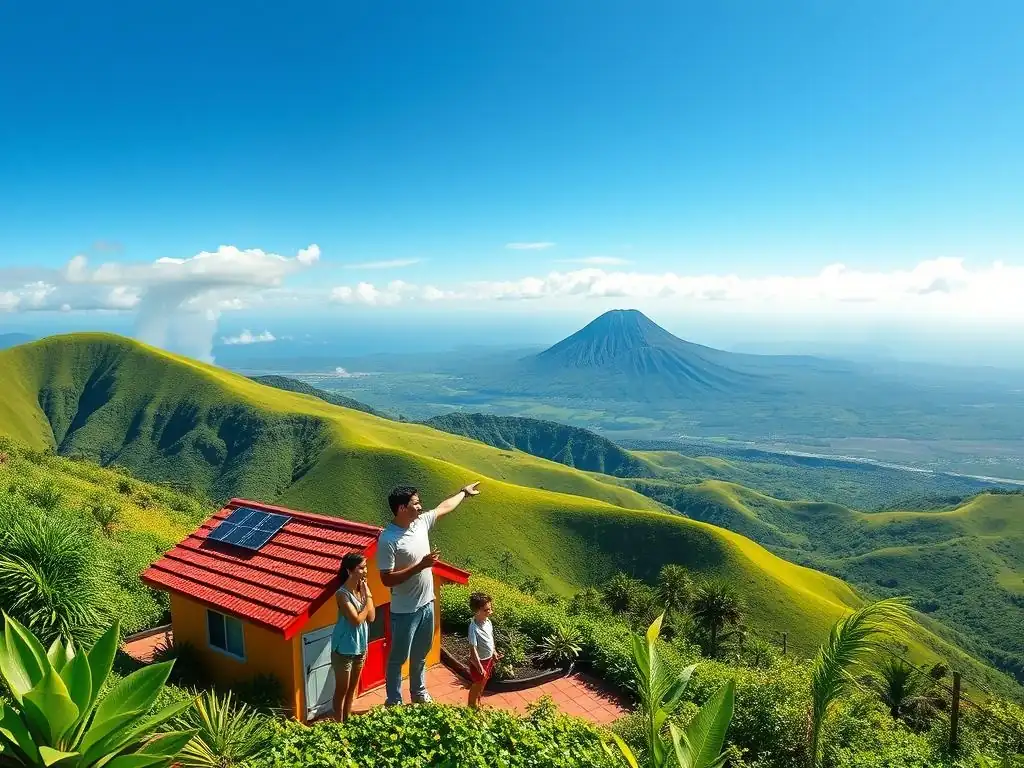
Adapting to life near volcanoes in Hawaii begins with comprehensive volcanic hazard awareness. The United States Geological Survey (USGS) Hawaiian Volcano Observatory (HVO) plays a crucial role in monitoring volcanic activity and providing up-to-date information to the public. Residents are encouraged to stay informed about potential hazards such as lava flows, volcanic ash, gas emissions (vog), and ground deformation.
Preparedness is equally vital, involving creating family emergency plans, assembling emergency supply kits with essential items like water, food, first-aid supplies, and respirators for volcanic ash and vog. Regularly reviewing evacuation routes and understanding community alert systems are also critical components of adapting to life in a volcanically active region.
Building Resilient Communities: Infrastructure and Planning
Building resilient communities in volcanic zones requires careful infrastructure planning and land-use management. Construction codes in areas prone to lava flows often incorporate specific measures to minimize damage, although it's widely acknowledged that structures directly in the path of lava flows are unlikely to survive. Road networks and critical infrastructure are designed with potential volcanic hazards in mind, with alternative routes and redundancy built into systems where possible.
Land-use planning also plays a key role, with some areas designated for lower-density development or reserved as hazard zones, recognizing the inherent risks associated with building in close proximity to active volcanoes. This proactive approach to community development is essential for fostering long-term resilience in the face of volcanic activity.
Mitigating the Impact of Volcanic Gases (Vog)
Volcanic gas, or "vog" as it's commonly known in Hawaii, is a significant concern for residents living downwind of active volcanoes. Vog is primarily composed of sulfur dioxide and other gases released from volcanic vents, reacting with atmospheric moisture and sunlight to create a haze of sulfuric acid and other sulfate aerosols. Exposure to vog can cause respiratory irritation, headaches, fatigue, and exacerbate pre-existing conditions like asthma.
Mitigation strategies include staying indoors during periods of high vog concentration, using air purifiers with HEPA and carbon filters to remove particulate matter and gases, and sealing homes to minimize outdoor air infiltration. Public health advisories and real-time vog monitoring data provided by agencies like the Hawaii Department of Health are crucial tools for residents to manage their exposure and protect their health.
Harnessing Volcanic Resources: Geothermal Energy and Agriculture
While volcanoes present hazards, they also offer valuable resources that communities can harness. Geothermal energy, derived from the Earth's internal heat, is a significant renewable energy source in Hawaii. The Puna Geothermal Venture (PGV) on Hawaii Island generates a substantial portion of the island's electricity by tapping into underground geothermal reservoirs heated by volcanic activity.
Volcanic soils, rich in minerals, are also highly fertile and contribute to the success of agriculture in certain areas. Specialized crops, like macadamia nuts and coffee, thrive in these volcanic soils, demonstrating how communities can adapt by utilizing the very geological processes that pose potential risks. This balanced approach, acknowledging both the challenges and opportunities presented by volcanoes, is key to sustainable living in these dynamic landscapes.
Case Studies: Real-Life Examples of Adaptation
The 2018 Kilauea Eruption: Lessons Learned
The 2018 Kīlauea eruption, particularly the Lower East Rift Zone eruption, serves as a powerful case study in adapting to volcanic events. This eruption, characterized by prolonged lava flows and significant property destruction in the Leilani Estates and Kapoho areas, highlighted the unpredictable nature of volcanic activity and the challenges of living in volcanic zones. However, it also showcased community resilience and the effectiveness of preparedness measures.
Evacuation plans, although disruptive, were largely successful in minimizing casualties. The eruption also underscored the importance of continuous monitoring and communication, as well as the need for ongoing research to better understand volcanic processes and improve hazard assessments. The lessons learned from the 2018 eruption continue to inform adaptation strategies and community planning in Hawaii.
Sustainable Tourism in Volcanic Areas
Hawaii's volcanic landscapes are a major draw for tourism, and adapting to life with volcanoes includes developing sustainable tourism practices that balance economic benefits with environmental and community well-being. Volcanoes National Park on Hawaii Island provides managed access to volcanic areas, educating visitors about volcanic processes and safety while minimizing environmental impact.
Tour operators increasingly focus on responsible tourism, emphasizing respect for cultural sites, minimizing disturbance to ecosystems, and contributing to local economies. By promoting educational and respectful engagement with volcanic landscapes, sustainable tourism can contribute to a greater appreciation for these natural wonders while supporting the long-term resilience of communities living in volcanic regions.
The Future of Living with Volcanoes in Hawaii
Ongoing Research and Monitoring Efforts
The future of adapting to life with volcanoes in Hawaii is inextricably linked to ongoing research and monitoring efforts. The USGS Hawaiian Volcano Observatory continuously monitors volcanoes using a network of instruments, including seismometers, GPS stations, gas sensors, and webcams. Researchers are constantly working to improve eruption forecasting models, understand magma dynamics, and assess volcanic hazards more accurately.
Advanced technologies, such as satellite-based monitoring and drone surveys, are increasingly being used to complement ground-based observations. These continuous advancements in volcanic science are crucial for enhancing early warning systems, informing land-use planning, and ultimately improving the safety and resilience of communities living near volcanoes.
Community Engagement and Education
Effective adaptation also hinges on robust community engagement and education. Public outreach programs, workshops, and educational materials play a vital role in increasing volcanic hazard awareness and promoting preparedness at the individual and community levels. Collaborative partnerships between scientists, emergency managers, educators, and community leaders are essential for building trust and ensuring that scientific information is effectively translated into actionable strategies. Empowering communities with knowledge and fostering a culture of preparedness are key to long-term coexistence with volcanoes in Hawaii.
Conclusion: Coexisting with Volcanoes in Hawaii
Living with volcanoes in Hawaii is not about conquering nature, but about coexisting with a powerful and dynamic force that has shaped the islands and continues to influence life there. By embracing volcanic awareness, implementing proactive adaptation strategies, and fostering a culture of preparedness and resilience, communities in Hawaii can thrive in this unique and ever-changing landscape. The ongoing interaction between people and volcanoes in Hawaii is a testament to the human capacity to adapt, innovate, and appreciate the awesome power and beauty of the natural world.
Frequently Asked Questions
What are some of the main hazards associated with living near volcanoes?
Living near volcanoes presents several hazards, including lava flows, ashfall, and volcanic gases. These can cause significant damage to property and pose risks to human health.
How do volcanologists monitor volcanoes and predict potential eruptions?
Volcanologists use various tools to monitor volcanoes, such as seismometers to detect earthquakes, gas sensors to measure emissions, and satellite imagery to track ground deformation. These help predict potential eruptions.
What are some strategies for adapting to life near active volcanoes?
Adapting includes building homes with fire-resistant materials, having evacuation plans in place, and staying informed about volcanic activity updates. Community preparedness is also key.
What is the cultural significance of volcanoes in places like Hawaii?
Volcanoes hold deep cultural significance, often viewed as sacred places or homes of deities. They are interwoven into the legends, traditions, and daily life of many communities.
Where can I find reliable, real-time updates on volcanic activity?
Reliable updates can be found on websites like VolcanoExplorers.org, the US Geological Survey (USGS), and other official monitoring agencies. These provide crucial information for safety.
Final Reflection: Embracing the Volcanic Dance
The narrative of living alongside volcanoes, as explored in this article, isn't just a geographical reality for Hawaiians; it's a powerful metaphor for adapting to constant change and uncertainty in all aspects of life. The lessons learned from coexisting with Kilauea and Mauna Loa resonate far beyond the islands, offering profound insights into resilience, community, and respect for the forces that shape our world.
The ever-present threat and beauty of volcanoes have indelibly shaped Hawaiian culture and identity. This intimate relationship with the land, both destructive and life-giving, underscores the importance of understanding and respecting the natural world, a lesson increasingly vital in our rapidly changing global climate. E mālama i ka ʻāina, a e mālama ka ʻāina iā ʻoe.
(Care for the land, and the land will care for you.) This ancient Hawaiian proverb encapsulates the reciprocal relationship that allows communities to thrive even in the face of immense natural power.
As you reflect on the stories and strategies shared in this article, consider how you might apply these principles of adaptation to your own life. How can you cultivate resilience in the face of personal or professional challenges? How can you foster a deeper connection with your environment and community? Embrace the volcanic dance – the constant ebb and flow of change – and discover the strength and beauty that lie within your own ability to adapt and thrive.
Embrace the Aina: Plan Your Volcanic Adventure!
Thank you for exploring the resilient spirit of Hawai'i and learning how communities thrive alongside active volcanoes. Now, it's time to turn that knowledge into action and deepen your connection with this incredible landscape. Ready to witness the power of Pele firsthand?
Here are a few ways to continue your exploration:
- Plan a Responsible Trip: Research and book a trip to Hawai'i Volcanoes National Park, prioritizing eco-friendly practices and supporting local businesses committed to sustainability. This is the perfect way to put your newfound knowledge into practice.
- Share Your Discoveries: Discuss what you've learned with friends, family, or colleagues—perhaps they'll want to join you on a trip!
- Learn from Local Experts: Connect with a local resident or guide to uncover the rich legends and traditions surrounding life in Hawai'i.
What inspired you most from today's article, and how will you help protect our planet?