
Crisis Control: The Human Element in HighPressure Volcano Monitoring Situations

Welcome to Volcano Explorers, where we unveil the Earth's fiery secrets. Prepare to be captivated by the raw power and breathtaking beauty of volcanoes. Ever wondered how scientists bravely face the heat while monitoring these unpredictable giants? Dive into "Crisis Control: The Human Element in High-Pressure Volcano Monitoring Situations" and discover essential volcano monitoring safety tips, exploring the critical decisions and human resilience at the heart of predicting volcanic eruptions. What crucial steps do they take to ensure the safety of themselves and the communities nearby? Read on to find out...
- Understanding the Human Factor in Volcano Crisis Monitoring
- Volcano Monitoring Safety Tips: Prioritizing Human Well-being
- Long-Term Monitoring vs. Crisis Monitoring: A Shift in Focus
- Communication and Coordination During Volcanic Emergencies
- Case Studies: Lessons Learned from Past Volcanic Crises
- Enhancing Volcano Monitoring Safety Through Training and Technology
- The Future of Volcano Crisis Management: A Focus on Resilience
-
Frequently Asked Questions
- What are some key aspects of volcano monitoring, as highlighted by VolcanoExplorers.org?
- Why is the "human element" so crucial in high-pressure volcano monitoring situations?
- What kind of safety guides and evacuation tips does VolcanoExplorers.org provide?
- How does VolcanoExplorers.org help people living near active volcanoes?
- What is the broader cultural significance of volcanoes, as explored by VolcanoExplorers.org?
- Final Reflection: Embracing Humanity Amidst Volcanic Fury
- Empower Yourself: Become a Volcano Preparedness Champion!
Understanding the Human Factor in Volcano Crisis Monitoring
The Importance of Human Judgment in Volcanic Eruption Prediction
Volcano monitoring is increasingly reliant on sophisticated technology, from seismometers and GPS stations to satellite imagery and gas analyzers. These tools provide a wealth of data, continuously streaming information about ground deformation, seismic activity, gas emissions, and thermal changes. However, even with this technological arsenal, the prediction of volcanic eruptions remains fundamentally dependent on human judgment.
Automated systems can detect anomalies and trigger alerts, but interpreting these signals within the complex and often noisy volcanic environment requires the expertise of seasoned volcanologists. They must discern patterns, filter out background noise, and integrate data from diverse sources to form a coherent picture of the volcano's state. This interpretive process is not merely technical; it involves intuition, experience, and a deep understanding of the specific volcano's history and behavior.
The nuanced nature of volcanic activity means that eruptions are not always preceded by clear, unambiguous precursors. Volcanoes often exhibit periods of unrest that do not culminate in eruptions, and conversely, some eruptions occur with minimal precursory signals. Human volcanologists play a crucial role in assessing the significance of observed changes, weighing the probabilities, and making critical decisions under uncertainty.
For example, in 2010, the eruption of Eyjafjallajökull in Iceland presented challenges in prediction despite advanced monitoring. While increases in seismicity and ground deformation were detected, the scale and impact of the ash plume, which disrupted air traffic across Europe, were difficult to foresee precisely. This event underscored the limitations of purely data-driven models and the essential role of expert judgment in anticipating the potential consequences of volcanic unrest and providing effective volcano monitoring safety tips.
Challenges Faced by Volcano Monitoring Teams During Crises
Volcano monitoring teams operate under immense pressure during volcanic crises. These situations are characterized by heightened public anxiety, intense media scrutiny, and the urgent need for timely and accurate information to protect lives and property. The workload intensifies dramatically as monitoring data streams in at an accelerated rate, requiring constant analysis and interpretation. Sleep deprivation becomes a common factor as volcanologists work around the clock to track the volcano's evolving state, often in shifts that stretch far beyond standard working hours. Communication demands also escalate, necessitating frequent briefings for civil authorities, emergency responders, and the public.
Decision-making during volcanic crises is further complicated by inherent uncertainties and the potential for rapid changes in volcanic activity. Teams must often make critical judgments with incomplete information and under significant time constraints. The pressure to issue warnings and evacuation orders is immense, as these decisions carry significant social and economic consequences.
False alarms can erode public trust and lead to complacency, while delayed warnings can result in catastrophic losses. Moreover, monitoring teams themselves often operate in hazardous environments, facing risks from ashfall, gas emissions, pyroclastic flows, and lahars. The psychological toll of these pressures, combined with the physical demands and inherent dangers, represents a significant challenge for volcano monitoring teams and highlights the critical need for robust volcano monitoring safety tips and support systems.
Volcano Monitoring Safety Tips: Prioritizing Human Well-being
Ensuring the Safety of Volcanologists in High-Risk Environments
Volcano monitoring safety tips are paramount, especially when volcanologists are deployed in high-risk environments during periods of volcanic unrest or eruption. Personal Protective Equipment (PPE) is the first line of defense. This includes respirators to protect against volcanic ash and harmful gases like sulfur dioxide (SO2), hydrogen sulfide (H2S), and carbon dioxide (CO2).
Eye protection, such as goggles or face shields, is crucial to prevent eye irritation and injury from ash and projectile debris. Heat-resistant clothing and sturdy boots are also essential, particularly in areas prone to pyroclastic flows or lava flows. Gas detectors, both personal and portable, are indispensable for continuously monitoring atmospheric concentrations of hazardous gases and providing early warnings of dangerous levels.
Beyond PPE, comprehensive safety protocols are crucial. Prior to fieldwork in hazardous volcanic areas, thorough risk assessments must be conducted to identify potential dangers and develop mitigation strategies. This includes establishing clear communication protocols, emergency evacuation plans, and designated safe zones. Field teams should always operate in pairs or small groups to provide mutual support and assistance in case of emergencies.
Regular safety briefings and drills should be conducted to reinforce procedures and ensure that all team members are familiar with emergency protocols. Moreover, physical fitness and awareness of the surrounding environment are vital. Volcanologists working in these demanding conditions need to be physically prepared for strenuous activity at altitude, often in rugged terrain, and constantly vigilant of changing volcanic conditions.
Implementing Robust Safety Protocols for Volcano Observers
Robust safety protocols are not only essential for volcanologists directly involved in fieldwork but also for all personnel involved in volcano observation and monitoring, including technicians, support staff, and even visitors to volcano observatories. These protocols must be clearly documented, regularly reviewed, and consistently enforced. Access control to hazardous areas around volcanoes is a fundamental safety measure.
This may involve establishing exclusion zones, using signage, and employing security personnel to prevent unauthorized entry into areas at risk from volcanic hazards. Within the observatory itself, safety protocols should cover laboratory procedures, equipment handling, and emergency response plans for various scenarios, such as power outages, earthquakes, or volcanic ashfall impacting the facility.
Regular training programs on safety procedures are vital for all observatory staff. These programs should cover topics such as hazard identification, risk assessment, emergency response, first aid, and the proper use of safety equipment. Drills and simulations, such as evacuation drills and emergency response exercises, should be conducted periodically to test the effectiveness of protocols and ensure that staff are prepared to respond effectively in real emergencies.
Furthermore, a culture of safety must be fostered within the observatory, where safety is prioritized at all levels, and all personnel are empowered to report safety concerns and contribute to improving safety practices. This proactive approach to safety is crucial for ensuring the well-being of everyone involved in volcano monitoring efforts.
Psychological Stress and Decision-Making Under Pressure: Strategies for Mitigation
The high-pressure environment of volcano crisis monitoring can take a significant psychological toll on individuals and teams. Chronic stress, sleep deprivation, and the weight of responsibility for public safety can impair cognitive function, emotional regulation, and decision-making abilities. Strategies for mitigating psychological stress are therefore crucial components of volcano monitoring safety tips.
Pre-crisis preparation is paramount, including stress management training for monitoring teams. This training can equip individuals with techniques to cope with stress, such as mindfulness, relaxation exercises, and cognitive restructuring. Team building exercises and clear role definitions can also enhance team cohesion and reduce individual stress by fostering a sense of shared responsibility and mutual support.
During a crisis, implementing structured work schedules and ensuring adequate rest periods are essential, even under intense pressure. Rotating team members, providing opportunities for breaks and respite, and encouraging open communication within the team can help prevent burnout and maintain team effectiveness. Psychological debriefing sessions after critical events or at regular intervals during prolonged crises can provide a safe space for team members to process their experiences, share their feelings, and receive support.
Access to mental health professionals and counseling services should also be readily available for those who require additional support. Recognizing and addressing the psychological well-being of volcano monitoring teams is not only ethically responsible but also crucial for ensuring the accuracy and reliability of their work during high-pressure situations.
Long-Term Monitoring vs. Crisis Monitoring: A Shift in Focus
Differences in Data Interpretation During Normal and Crisis Periods
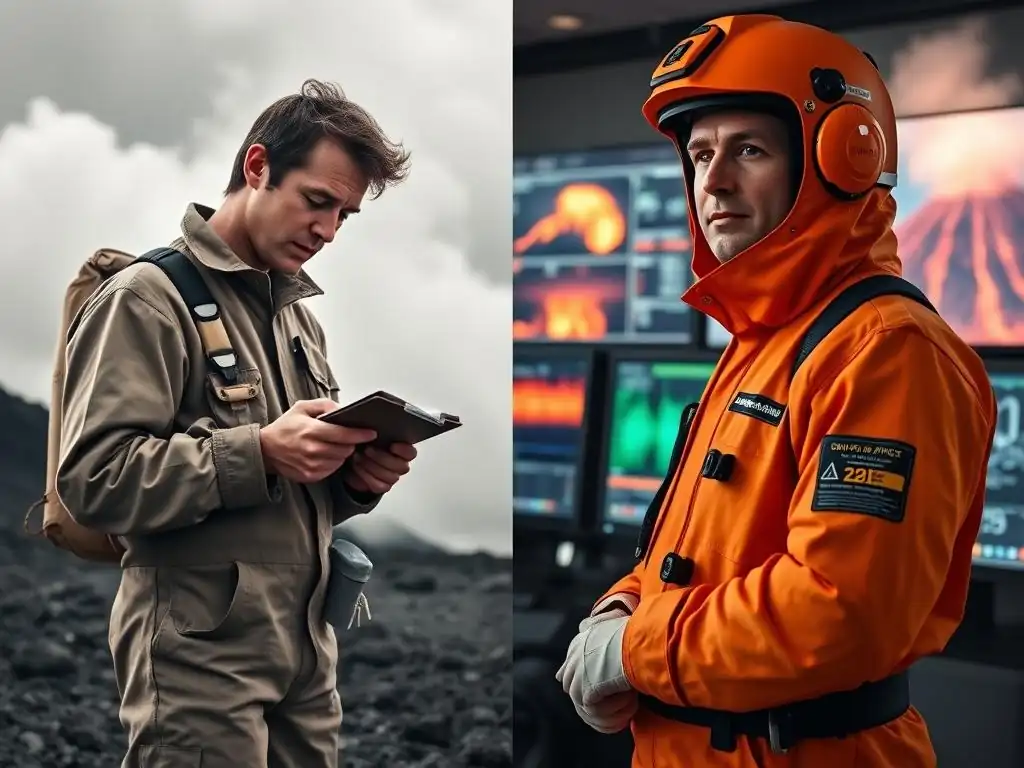
Volcano monitoring operates in two distinct modes: long-term monitoring and crisis monitoring. During periods of volcanic quiescence, or long-term monitoring, the focus is on establishing baseline levels of activity, identifying long-term trends, and detecting subtle changes that might indicate a potential shift towards unrest. Data interpretation in this phase emphasizes statistical analysis, trend detection, and the development of volcano-specific models.
The aim is to build a comprehensive understanding of the volcano's "normal" behavior to better recognize deviations from this norm. For instance, long-term changes in gas flux or subtle inflation of the volcano edifice, while not immediately alarming, can be important indicators of magma accumulation or changes in the magmatic system over time.
In contrast, crisis monitoring is triggered by a significant escalation in volcanic activity, such as a rapid increase in seismicity, accelerated ground deformation, or a sudden increase in gas emissions. During a crisis, the focus shifts from long-term trends to the immediate assessment of the volcano's state and the potential for eruption. Data interpretation becomes more real-time and emphasizes the identification of short-term precursors and the rapid evaluation of evolving hazards. Speed and accuracy are paramount.
Techniques like real-time seismic amplitude measurement (RSAM) and rapid deformation analysis become crucial for tracking the progression of unrest. The interpretation also becomes more probabilistic, focusing on assessing eruption probabilities and forecasting potential eruption scenarios based on observed precursory patterns. The shift in data interpretation reflects the change in objectives from understanding long-term volcanic processes to managing an imminent or ongoing volcanic crisis.
Adapting Monitoring Strategies to Rapidly Evolving Volcanic Activity
Volcanic activity is inherently dynamic and can evolve rapidly, especially during periods of unrest or eruption. Therefore, volcano monitoring strategies must be flexible and adaptable to accommodate these rapid changes. A pre-defined, rigid monitoring plan may become inadequate or even misleading if the volcano's behavior deviates from expected patterns. Adaptive monitoring involves continuously assessing the volcano's state, re-evaluating monitoring priorities, and adjusting monitoring strategies in response to observed changes. This requires a flexible deployment of monitoring resources and the ability to rapidly integrate new data streams and adjust analytical techniques.
For example, if a volcano exhibits a sudden increase in the rate of ground deformation, monitoring efforts might be intensified in deformation measurements, such as deploying additional GPS stations or increasing the frequency of satellite radar interferometry (InSAR) acquisitions. If gas emissions become a dominant feature of unrest, gas monitoring strategies might be enhanced, including deploying mobile gas sensors or utilizing drone-based gas plume measurements. Adaptive monitoring also involves being prepared to deploy new monitoring techniques or technologies as needed.
The 2018 Kilauea eruption in Hawaii, for instance, saw the rapid deployment of drone technology and advanced thermal imaging to monitor lava flows and assess hazards in a rapidly changing situation. The ability to adapt monitoring strategies in real-time is crucial for effectively tracking and responding to the unpredictable nature of volcanic activity.
Communication and Coordination During Volcanic Emergencies
The Role of Effective Communication in Preventing Disasters
Effective communication is the cornerstone of successful volcano crisis management and plays a critical role in preventing volcanic disasters. During a volcanic emergency, clear, timely, and accurate communication is essential for disseminating warnings, providing guidance to affected populations, and coordinating response efforts. Communication failures can lead to confusion, delays, and ultimately, increased casualties and damage. Communication must be multi-directional, flowing not only from scientists and authorities to the public but also in the reverse direction, allowing for feedback, questions, and the dissemination of local observations.
Effective communication strategies involve utilizing multiple channels to reach diverse audiences, including traditional media (radio, television, newspapers), social media platforms, community networks, and direct communication systems like sirens and text message alerts. Messages must be tailored to different audiences, using clear and concise language that is easily understood by the general public, while also providing more technical information to emergency responders and other stakeholders.
Regular communication drills and exercises, involving all relevant stakeholders, are crucial for testing communication systems, identifying weaknesses, and ensuring that communication protocols are effective and well-understood. Building trust and credibility through consistent and transparent communication is essential for ensuring public compliance with warnings and evacuation orders during a volcanic crisis.
Effective coordination between volcano monitoring agencies, local authorities, and communities is vital for successful volcano crisis management. Volcano observatories typically provide scientific expertise and hazard assessments, while local authorities are responsible for implementing emergency response plans, including evacuations, shelter management, and public safety measures. Communities are the first line of defense and play a crucial role in preparedness, early warning dissemination, and self-help during a crisis. Strong coordination requires establishing clear roles and responsibilities, developing joint emergency plans, and fostering regular communication and collaboration between all stakeholders.
Best practices for coordination include establishing multi-agency coordination centers that bring together scientists, emergency managers, and community representatives to share information, make joint decisions, and coordinate response actions. Regular meetings and workshops should be held to review emergency plans, conduct joint training exercises, and build relationships between different agencies and communities. Community engagement is crucial, involving local populations in hazard mapping, risk assessments, and the development of community-based early warning systems.
Empowering communities to participate in preparedness and response efforts increases their resilience and enhances the overall effectiveness of volcano crisis management. Examples like the successful community-based monitoring and evacuation strategies developed in communities around Mount Rainier in Washington State demonstrate the benefits of close collaboration.
Public Communication Strategies: Delivering Accurate Information During a Crisis
Public communication during a volcanic crisis demands a strategic approach to ensure that accurate and actionable information reaches the affected population effectively. The primary goal is to provide the public with the information they need to protect themselves and their families. This requires delivering information that is clear, concise, timely, and consistent across all communication channels. Using simple, non-technical language and avoiding jargon is crucial for ensuring public understanding. Visual aids, such as hazard maps and infographics, can also enhance comprehension and message retention.
Establishing a designated spokesperson or team of spokespersons to be the primary source of information for the public and media is essential for maintaining consistency and credibility. Regular press briefings and updates should be provided to disseminate the latest information and address public concerns. Utilizing social media platforms effectively can enable rapid dissemination of warnings and updates, but also requires careful management to counter misinformation and rumors.
Pre-emptive public education campaigns, conducted during periods of volcanic quiescence, are vital for building public awareness of volcanic hazards, promoting preparedness measures, and fostering a culture of safety. These campaigns should explain volcanic risks, outline evacuation procedures, and provide practical volcano monitoring safety tips for individuals and families living near volcanoes.
Case Studies: Lessons Learned from Past Volcanic Crises
Analyzing Successful and Unsuccessful Crisis Management Scenarios
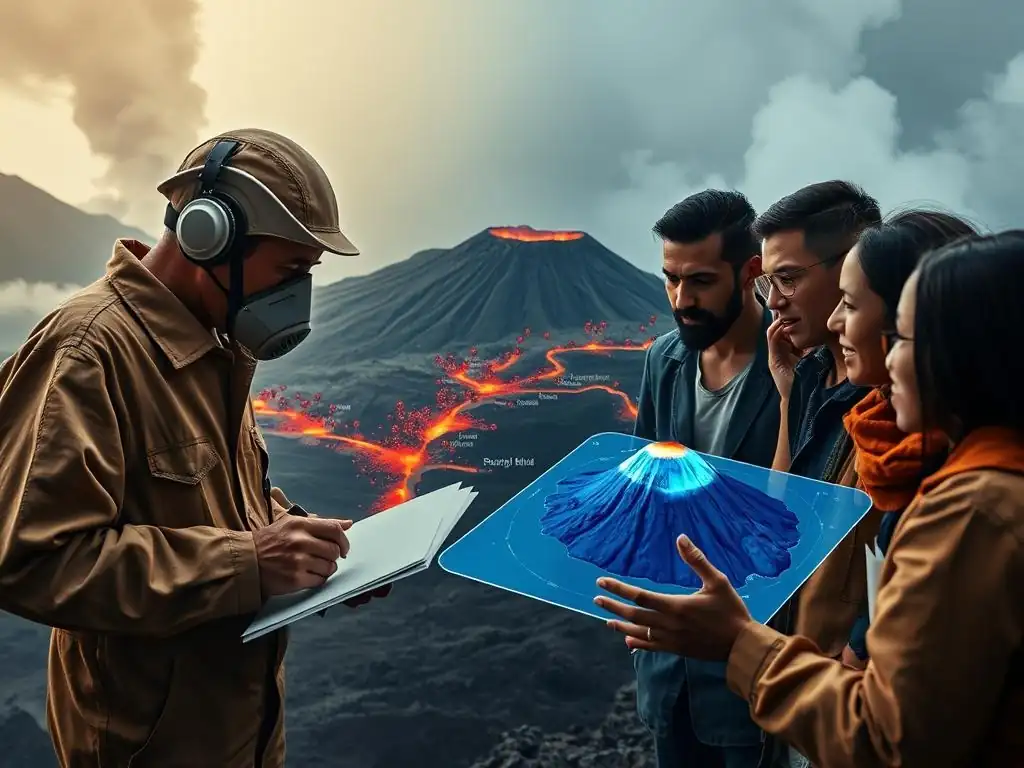
Analyzing past volcanic crises, both successful and unsuccessful, provides invaluable lessons for improving future volcano crisis management. By examining case studies, we can identify effective strategies, learn from past mistakes, and refine our approaches to monitoring, communication, and emergency response. Successful crisis management scenarios often highlight the importance of early warning systems, effective communication, strong coordination, and community preparedness. Unsuccessful scenarios, on the other hand, may reveal shortcomings in monitoring capabilities, communication breakdowns, inadequate emergency planning, or a lack of public awareness and preparedness.
Comparative analysis of different case studies can reveal common factors that contribute to success or failure in volcano crisis management. For example, comparing the responses to the 1985 Nevado del Ruiz eruption in Colombia, a disaster marked by communication failures and inadequate evacuation, with the response to the 1991 Mount Pinatubo eruption in the Philippines, a relative success story of large-scale evacuation and hazard mitigation, highlights the critical role of effective communication and preparedness.
Analyzing these contrasting cases and others allows us to extract key lessons and identify best practices that can be applied to improve volcano monitoring safety tips and crisis management globally.
Case Study 1: Mount St. Helens Eruption (1980) and Response
The 1980 eruption of Mount St. Helens in Washington State, USA, serves as a significant case study in volcano crisis management, particularly in the context of a rapidly escalating volcanic crisis. Following two months of intense seismic activity and deformation, the eruption occurred unexpectedly as a lateral blast, devastating a vast area and resulting in 57 fatalities.
While volcanologists had recognized the increasing unrest and issued warnings, the precise nature and timing of the eruption were not accurately predicted. The response involved establishing exclusion zones and issuing public advisories, but the rapid and explosive nature of the eruption overwhelmed some of the preparedness efforts.
Lessons learned from Mount St. Helens include the importance of understanding the potential for diverse eruption styles, including lateral blasts, which were not fully anticipated at the time. The crisis highlighted the need for more robust real-time monitoring capabilities and improved communication strategies to effectively convey the evolving risks to the public and authorities. Despite the tragic loss of life, the Mount St. Helens crisis also led to significant advancements in volcanology, particularly in understanding the dynamics of explosive eruptions and the development of improved volcano monitoring safety tips and hazard assessment techniques that are still applied today.
Case Study 2: Mount Pinatubo Eruption (1991) and Response
The 1991 eruption of Mount Pinatubo in the Philippines is widely considered a successful example of volcano crisis management, demonstrating the effectiveness of early warning, large-scale evacuation, and coordinated response efforts. Scientists from the Philippine Institute of Volcanology and Seismology (PHIVOLCS) and the US Geological Survey (USGS) closely monitored Mount Pinatubo as it reawakened after centuries of dormancy.
Based on increasing seismic activity, gas emissions, and ground deformation, they issued timely warnings and provided clear hazard assessments to authorities and the public. This allowed for the evacuation of over 50,000 people from areas at high risk of pyroclastic flows and ashfall before the climactic eruption.
The successful response to Mount Pinatubo was attributed to several factors, including effective volcano monitoring, clear and consistent communication of risks, strong collaboration between scientists, government agencies, and military personnel, and a well-organized evacuation plan. While the eruption was one of the largest of the 20th century, the timely evacuations significantly reduced casualties, with relatively few fatalities directly attributable to the eruption itself. The Pinatubo case study underscores the immense value of proactive volcano monitoring safety tips, early warning systems, and effective crisis communication in mitigating the impacts of volcanic eruptions and saving lives.
Enhancing Volcano Monitoring Safety Through Training and Technology
The Benefits of Advanced Training Programs for Volcanologists
Advanced training programs are essential for equipping volcanologists with the skills and knowledge necessary to effectively monitor volcanoes and manage crises safely and efficiently. These programs should encompass a wide range of disciplines, including geophysics, geochemistry, remote sensing, hazard assessment, risk communication, and emergency management. Specialized training in the operation and maintenance of sophisticated monitoring equipment, data analysis techniques, and eruption forecasting models is crucial for enhancing monitoring accuracy and predictive capabilities. Field-based training, simulating real-world volcanic environments and crisis scenarios, is particularly valuable for developing practical skills and decision-making abilities under pressure.
Advanced training should also emphasize safety protocols, risk assessment methodologies, and emergency response procedures. Volcanologists need to be trained in wilderness first aid, survival skills, and the use of personal protective equipment (PPE) to ensure their safety in hazardous field environments. Training in crisis communication and public outreach is also increasingly important, enabling volcanologists to effectively communicate risks to diverse audiences and build public trust. Investing in comprehensive and ongoing training programs for volcanologists is a vital component of enhancing volcano monitoring safety tips and improving overall volcano crisis management capacity.
Utilizing Technology to Improve Monitoring Accuracy and Reduce Risk
Technology plays an increasingly crucial role in improving volcano monitoring accuracy and reducing risk for volcanologists. Advanced monitoring technologies, such as high-resolution satellite imagery, LiDAR (Light Detection and Ranging), and drone-based remote sensing, provide unprecedented capabilities for observing volcanic activity from a safe distance. These technologies enable the detection of subtle ground deformation, thermal changes, and gas emissions that might be missed by traditional ground-based monitoring techniques. Real-time data transmission and automated alert systems allow for rapid detection of volcanic unrest and timely dissemination of warnings.
Improved sensor technology, including more sensitive seismometers, GPS receivers, and gas analyzers, enhances the quality and quantity of monitoring data. The integration of diverse data streams from multiple monitoring networks into sophisticated data management systems allows for more comprehensive and integrated analysis of volcanic activity.
Furthermore, the development of advanced numerical models for eruption forecasting and hazard assessment, driven by improved data and computational capabilities, enhances our ability to predict volcanic eruptions and mitigate their impacts. Continued investment in research and development of new monitoring technologies is essential for further improving volcano monitoring safety tips and reducing the risks associated with volcanic hazards.
Application of Drone Technology for Gas Plume Monitoring
Drone technology, or Unmanned Aerial Systems (UAS), has revolutionized volcano monitoring, particularly in the area of gas plume monitoring. Drones offer a safe and efficient way to access hazardous areas around volcanoes and directly sample volcanic gas plumes, which are often inaccessible or too dangerous for ground-based measurements.
Equipped with specialized sensors, drones can measure the concentrations of various volcanic gases, such as sulfur dioxide (SO2), carbon dioxide (CO2), and hydrogen sulfide (H2S), providing valuable insights into magmatic processes and volcanic activity. Drones can also map gas plume dispersion patterns, track changes in gas flux over time, and identify areas of increased gas emission, which can be indicators of volcanic unrest.
The use of drones for gas plume monitoring significantly reduces the risk to volcanologists by eliminating the need to directly enter hazardous areas. Drones can be deployed rapidly and repeatedly, enabling frequent and cost-effective gas measurements. They can also operate in challenging weather conditions and terrain that are inaccessible to manned aircraft.
Data collected by drones complements ground-based and satellite-based monitoring data, providing a more comprehensive understanding of volcanic degassing and its relationship to volcanic activity. The continued development and application of drone technology are enhancing volcano monitoring safety tips and improving our ability to monitor and forecast volcanic eruptions based on gas plume characteristics.
The Future of Volcano Crisis Management: A Focus on Resilience
Building More Resilient Volcano Monitoring Systems
The future of volcano crisis management hinges on building more resilient volcano monitoring systems. Resilience in this context refers to the ability of monitoring systems to withstand disruptions, adapt to changing conditions, and continue to function effectively during volcanic crises and other emergencies. Building resilience requires diversifying monitoring networks, incorporating redundant systems, and ensuring data accessibility and interoperability. This includes deploying a mix of ground-based, satellite-based, and airborne monitoring techniques to provide robust and complementary data streams. Developing mobile and rapidly deployable monitoring systems is crucial for responding to volcanic crises in remote or under-resourced areas.
Enhancing the resilience of monitoring infrastructure also involves protecting monitoring equipment from volcanic hazards, such as ashfall, pyroclastic flows, and lahars. This may include hardening monitoring stations, utilizing robust communication systems, and developing backup power sources. Furthermore, building human capacity and fostering a culture of resilience within volcano observatories is essential.
This involves training staff in emergency response, developing contingency plans, and promoting collaboration and information sharing among monitoring agencies globally. A resilient volcano monitoring system is one that can continue to provide timely and accurate information even under extreme stress and disruption, ultimately enhancing volcano monitoring safety tips and improving public safety.
Empowering Local Communities to Participate in Risk Reduction
Empowering local communities to participate in risk reduction is a crucial aspect of future volcano crisis management. Communities living near volcanoes are often the most vulnerable to volcanic hazards, but they also possess valuable local knowledge and can play a vital role in preparedness and response efforts.
Community-based volcano monitoring programs, where local residents are trained to observe and report volcanic activity, can complement scientific monitoring networks and provide early warnings of potential hazards, especially in remote areas with limited scientific infrastructure. Engaging communities in hazard mapping, risk assessments, and the development of community-based early warning systems enhances their ownership of risk reduction efforts and increases their resilience.
Public education campaigns, tailored to local contexts and languages, are essential for raising awareness of volcanic hazards, promoting preparedness measures, and disseminating volcano monitoring safety tips. Community drills and simulations, involving local residents in emergency response exercises, build preparedness capacity and strengthen community cohesion. Supporting community-led initiatives for evacuation planning, shelter management, and disaster relief fosters local ownership and enhances the effectiveness of overall crisis management. Empowering communities to be active participants in risk reduction, rather than passive recipients of warnings, is essential for building more resilient and volcano-safe communities.
Developing Improved Volcanic Hazard Assessment Models
Developing improved volcanic hazard assessment models is a critical area for future advancements in volcano crisis management. Volcanic hazard assessments provide the scientific basis for land-use planning, infrastructure development, and emergency preparedness in volcanic regions. Current hazard assessment models are often based on historical eruption records and simplified representations of volcanic processes.
Future models need to incorporate a more comprehensive understanding of volcanic dynamics, utilize advanced computational techniques, and integrate diverse datasets from monitoring, geological studies, and numerical simulations. Probabilistic hazard assessment approaches, which quantify the likelihood of different volcanic hazards occurring in specific areas, are becoming increasingly important for risk-informed decision-making.
Improved hazard assessment models should also account for the uncertainties inherent in volcanic processes and provide robust estimates of hazard probabilities. Developing models that can be updated in real-time, based on evolving monitoring data during volcanic unrest, is a key goal for enhancing eruption forecasting capabilities.
Furthermore, integrating social vulnerability and exposure data into hazard assessments is crucial for moving towards more comprehensive risk assessments that inform effective risk reduction strategies. Continued research and development in volcanic hazard modeling are essential for improving our ability to predict volcanic impacts, guide land-use planning, and enhance volcano monitoring safety tips and preparedness measures for communities living with volcanic risk.
Frequently Asked Questions
What are some key aspects of volcano monitoring, as highlighted by VolcanoExplorers.org?
Volcano monitoring involves understanding magma formation, the types of volcanoes, and analyzing data to predict potential eruptions. This is crucial for mitigating risks.
Why is the "human element" so crucial in high-pressure volcano monitoring situations?
The "human element" refers to the decisions made by volcanologists and authorities under pressure, as well as the communication of warnings and evacuation orders to the public. It is vital for effective crisis control.
What kind of safety guides and evacuation tips does VolcanoExplorers.org provide?
The website offers guidance on understanding volcanic hazards, creating evacuation plans, and staying informed through real-time updates on volcanic activity to ensure public safety.
How does VolcanoExplorers.org help people living near active volcanoes?
VolcanoExplorers.org provides critical information on potential dangers, safety protocols, and resources for communities located in proximity to active volcanic regions.
What is the broader cultural significance of volcanoes, as explored by VolcanoExplorers.org?
The site explores how volcanoes have influenced myths, legends, and art across different cultures, highlighting both their destructive power and symbolic meaning to societies around the world.
Final Reflection: Embracing Humanity Amidst Volcanic Fury
The insights shared throughout this article underscore a crucial truth: volcano monitoring is as much about human resilience and collaboration as it is about scientific precision. In a world increasingly vulnerable to natural disasters, understanding and prioritizing the human element in high-pressure situations is not just a best practice, but an ethical imperative. The safety tips discussed are not merely procedural guidelines; they are lifelines woven from empathy, communication, and a deep respect for the individuals on the front lines.
The lessons learned from volcano monitoring, particularly the emphasis on psychological well-being and team cohesion, resonate far beyond the immediate context of volcanic eruptions. These principles are universally applicable to any high-stakes environment where human lives are at risk, demanding a shift in perspective from solely focusing on technical expertise to nurturing a culture of support and understanding. The best and most beautiful things in the world cannot be seen or even touched - they must be felt with the heart.
- Helen Keller. This quote reminds us that the intangible aspects of human connection are often the most vital, especially when facing adversity.
As you reflect on the challenges and triumphs explored in this article, consider how you can champion the human element in your own sphere of influence. Whether you're a scientist, a first responder, or simply a member of a community, ask yourself: how can you foster a culture of empathy, communication, and support in the face of pressure? The safety of those around us, and indeed our own, depends on our willingness to embrace our shared humanity and act with compassion and foresight.
Empower Yourself: Become a Volcano Preparedness Champion!
Thank you for diving into the crucial role of human understanding during high-pressure volcano monitoring situations. Now that you're equipped with new perspectives, let's turn that knowledge into action!
Here's how you can make a real difference:
- Commit to mastering the art of empathetic communication: Practice active listening and mindful communication skills in your daily interactions. This will build a stronger foundation for crisis situations.
- Explore the educational resources available on our website, VolcanoExplorers.org, to deepen your understanding of volcano monitoring techniques and community engagement strategies.
- Share this article with your network to help spread awareness about the importance of the human element in crisis management.
What actionable step will you take this week to improve your own crisis communication skills and contribute to a safer community?