
Guardians of the Volcano: Scientists on the Front Lines of Eruption Prediction

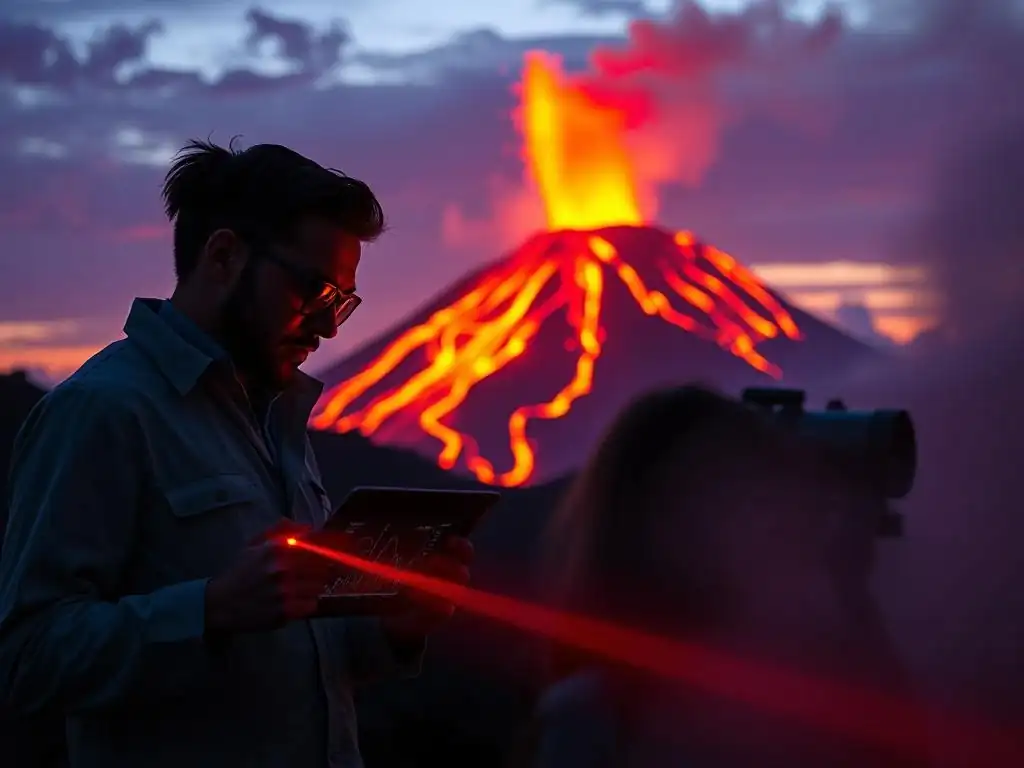
Welcome to Volcano Explorers, where the Earth's fiery secrets are revealed! Ever wondered how scientists dare to stand toe-to-toe with the planet's most volatile forces? Dive into our latest article, " Guardians of the Volcano: Scientists on the Front Lines of Eruption Prediction," and uncover the cutting-edge techniques used by volcano eruption prediction experts to anticipate nature's fury. What if we could truly understand and even control the power of a volcano? The journey begins now...
- Understanding the Crucial Role of Volcanologists
-
Frequently Asked Questions
- What is the primary role of "volcano eruption prediction experts"?
- What are some key tools and techniques used by volcano eruption prediction experts?
- How accurate is volcano eruption prediction, and what are the limitations?
- What should I do if I live near an active volcano?
- Where can I find reliable information about volcano eruption prediction and safety?
- Final Reflection: Embracing the Uncertainties of Volcanic Fury
- Ignite Your Inner Volcanologist!
Understanding the Crucial Role of Volcanologists
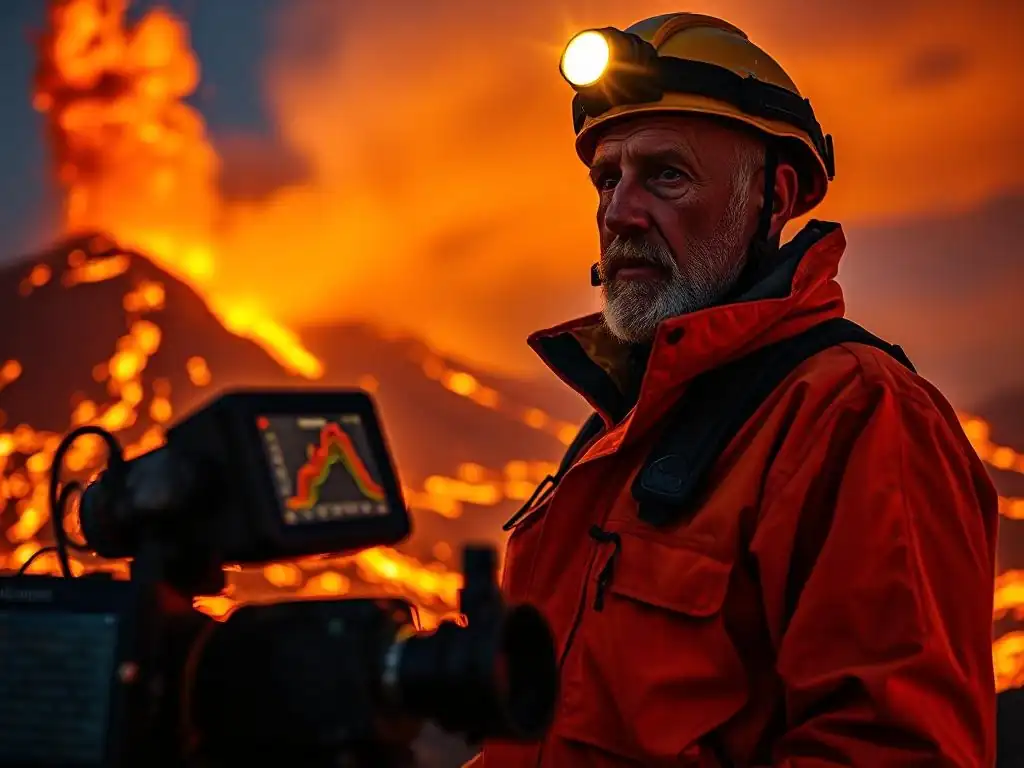
Why Accurate Volcano Forecasting Matters: Protecting Lives and Infrastructure
Accurate volcano forecasting is paramount due to the devastating potential of volcanic eruptions. These natural events can unleash a cascade of hazards, including pyroclastic flows, lahars (volcanic mudflows), ashfall, and lava flows, each capable of causing widespread destruction and loss of life. For instance, the eruption of Mount Vesuvius in 79 AD buried Pompeii and Herculaneum, a stark reminder of the destructive power of volcanoes.
In modern times, the 2010 eruption of Eyjafjallajökull in Iceland, although relatively small in terms of explosivity, grounded air traffic across Europe for days, demonstrating the far-reaching economic and social disruptions even moderate eruptions can trigger. Reliable volcano eruption prediction is therefore not just a scientific endeavor but a critical necessity for safeguarding communities and infrastructure in volcanically active regions worldwide.
Moreover, beyond the immediate vicinity of a volcano, eruptions can have global impacts. Large volcanic eruptions can inject massive amounts of sulfur dioxide into the stratosphere, leading to a decrease in global temperatures and affecting weather patterns. The eruption of Tambora in 1815, for example, caused the "Year Without a Summer" in 1816, resulting in widespread crop failures and famine across the Northern Hemisphere.
Predicting such large-scale eruptions, even with a probabilistic approach, allows for better preparedness at national and international levels, enabling governments and organizations to implement mitigation strategies, allocate resources efficiently, and minimize the global repercussions of these powerful natural phenomena. Therefore, the role of experts in volcano eruption prediction extends far beyond local communities, touching upon global stability and resilience.
The Growing Need for Skilled Volcanologists
The necessity for skilled volcanologists is more pressing than ever, driven by several converging factors. Firstly, global population growth increasingly encroaches upon volcanically active areas. Millions of people live in close proximity to potentially active volcanoes, particularly in regions like Indonesia, the Philippines, Japan, and Central and South America.
This expanding population density heightens the risk associated with volcanic eruptions, making accurate forecasting and effective risk mitigation crucial for a larger number of people than in previous generations. As urban centers expand and infrastructure develops near volcanic zones, the potential for catastrophic losses from unpredicted eruptions escalates, demanding a stronger focus on volcano monitoring and eruption prediction expertise.
Secondly, advancements in technology and scientific understanding have led to a more nuanced and sophisticated approach to volcano monitoring and forecasting. Modern volcanology relies on a multidisciplinary approach, integrating seismology, geodesy, gas geochemistry, remote sensing, and numerical modeling. These advanced techniques require highly trained professionals capable of operating complex monitoring networks, analyzing large datasets, and interpreting subtle signals that may precede an eruption.
The increasing complexity of volcanic monitoring systems and the growing volume of data generated necessitate a continuous influx of skilled volcanologists who can leverage these tools effectively to improve eruption prediction accuracy. Furthermore, the challenge of forecasting diverse types of volcanic eruptions, from effusive lava flows to highly explosive events, requires a deep understanding of volcanic processes and the ability to adapt monitoring strategies to the specific characteristics of each volcano. This specialized knowledge underscores the growing demand for well-trained volcano eruption prediction experts.
Frequently Asked Questions
What is the primary role of "volcano eruption prediction experts"?
Their main role is to monitor volcanic activity and assess the likelihood of a future eruption, providing crucial information for public safety. They strive to understand volcano behavior to forecast potential events.
What are some key tools and techniques used by volcano eruption prediction experts?
Experts utilize a range of tools including seismometers to detect earthquakes, gas sensors to measure volcanic emissions, and satellite imagery to track ground deformation, all to interpret volcanic activity.
How accurate is volcano eruption prediction, and what are the limitations?
Volcano eruption prediction is improving, but it's not perfect. Accuracy varies greatly depending on the volcano and the available data. Limitations include unpredictable magma behavior and incomplete understanding of complex geological processes.
What should I do if I live near an active volcano?
Stay informed about volcanic activity updates from official sources. Familiarize yourself with evacuation plans and safety guidelines provided by local authorities. Also, prepare an emergency kit.
Where can I find reliable information about volcano eruption prediction and safety?
Consult official government agencies like the USGS (United States Geological Survey). Also, check websites like VolcanoExplorers.org for educational resources and real-time updates on volcanic activity.
Final Reflection: Embracing the Uncertainties of Volcanic Fury
The insights shared by the volcano eruption prediction experts highlighted throughout this article are not merely academic exercises; they are vital lifelines in a world increasingly vulnerable to natural disasters. The dedication and ingenuity of these scientists, tirelessly monitoring and interpreting the Earth's rumblings, underscore the critical role of proactive science in safeguarding communities and mitigating the devastating impacts of volcanic eruptions. Their work is a testament to humanity's capacity to understand and, to some extent, prepare for the unpredictable forces of nature.
The ongoing quest to refine volcano eruption prediction is a journey fraught with challenges, yet it is a journey that resonates deeply with our collective responsibility to protect one another. The ability to anticipate and respond to volcanic activity is not just about scientific advancement; it's about preserving lives, livelihoods, and the delicate balance of our planet. The only way to predict the future is to have power to shape the future.
- Eric Hoffer. This quote perfectly encapsulates the spirit of these scientists, who are actively shaping a safer future by harnessing the power of knowledge and innovation.
As you reflect on the stories and insights shared in this article, consider the profound impact that scientific curiosity and dedication can have on the world around us. How can we, as individuals and as a society, better support the vital work of these volcano eruption prediction experts? Let us embrace a spirit of collaboration and innovation, ensuring that the tools and knowledge necessary to protect vulnerable communities are readily available, and that the lessons learned from each eruption guide us toward a more resilient and prepared future.
Ignite Your Inner Volcanologist!
Thank you for exploring the world of eruption prediction and learning about the dedicated scientists who work tirelessly to keep us safe. Now that you have a deeper understanding of volcanic activity, we invite you to connect with the Volcano Explorers community.
- Report any unusual volcanic activity in your region directly to Volcano Explorers via our website. Your observations could be vital.
- Explore our interactive volcano map at volcanoexplorers.org to learn about active and dormant volcanoes worldwide, their geological history, and potential risks.
- Share this article with friends and family who are interested in volcanoes or live near active volcanic regions – spreading awareness is crucial for community safety.
What innovative solutions can you imagine to further improve volcano monitoring and prediction? Share your ideas in the comments below!