
Decoding Deep Earth: Understanding Magma Dynamics and Eruption Triggers for Better Hazard Assessment

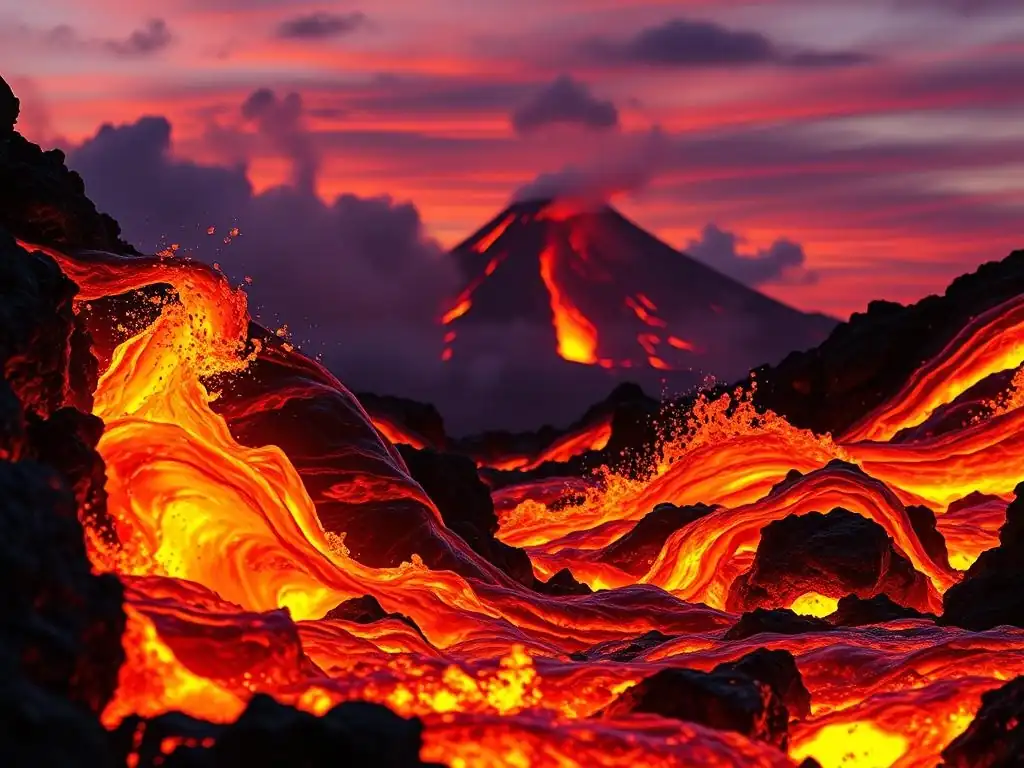
Welcome to Volcano Explorers, where the Earth whispers its fiery secrets! Ever wondered what ignites the sleeping giants beneath our feet? Prepare to journey into the heart of volcanic power as we unravel the intricate dance of magma dynamics and eruption triggers. Can we truly predict when these forces will unleash? Dive in and discover the cutting-edge science shaping our understanding of these awe-inspiring, yet potentially devastating, natural phenomena. The story of what lies beneath begins now...
Introduction: Unveiling the Secrets of Magma and Volcanic Eruptions
The Importance of Understanding Magma Dynamics for Volcanic Hazard Assessment
Volcanic eruptions are among the most powerful and devastating natural phenomena on Earth. Understanding the dynamics of magma, the molten rock beneath the Earth's surface, is paramount for accurately assessing volcanic hazards and mitigating their impact on communities. Magma dynamics encompasses a range of processes, from the generation of magma deep within the Earth to its ascent, storage, and eventual eruption.
By deciphering these complex processes, scientists can gain crucial insights into eruption triggers, eruption styles, and the potential intensity of volcanic events. This knowledge is not just academic; it is fundamental for developing effective monitoring strategies, forecasting eruptions, and implementing timely evacuation plans, ultimately saving lives and protecting livelihoods in volcanically active regions.
The consequences of volcanic eruptions can be far-reaching, extending beyond immediate destruction from lava flows and pyroclastic flows. Ash clouds can disrupt air travel thousands of kilometers away, impacting global economies. Volcanic gases can affect climate and air quality. Lahars, volcanic mudflows, can devastate valleys and infrastructure.
Therefore, a deeper understanding of magma dynamics and eruption triggers is not only a scientific imperative but also a societal responsibility. Improved hazard assessments, informed by robust scientific understanding, are essential for building resilient communities and minimizing the risks associated with living near volcanoes. This article will explore the critical aspects of magma dynamics and eruption triggers, highlighting their significance in volcanic hazard assessment.
VolcanoExplorers.org: Your Guide to Volcanic Science and Safety
VolcanoExplorers.org serves as a comprehensive resource for anyone seeking to explore the fascinating world of volcanoes, from the science behind their eruptions to the practical aspects of living safely in volcanic regions. Recognizing the inherent danger and captivating allure of volcanoes, the website aims to bridge the gap between complex scientific research and public understanding.
It provides accessible and engaging content on various aspects of volcanology, including the formation of different types of volcanoes, the history of significant eruptions around the globe, and the methods volcanologists employ to study these formidable forces of nature. VolcanoExplorers.org is committed to being a trusted source of information, empowering individuals with knowledge about volcanic processes and hazard assessment.
Beyond the scientific exploration, VolcanoExplorers.org prioritizes the safety and well-being of communities living near active volcanoes. The website offers practical guides and essential evacuation tips, designed to prepare individuals and families for potential volcanic crises. Furthermore, recognizing the importance of timely information, VolcanoExplorers.org strives to provide access to real-time updates on volcanic activity from monitoring networks worldwide. By combining scientific insights with practical safety advice, VolcanoExplorers.org aims to be an invaluable tool for both volcano enthusiasts and those living in proximity to these dynamic geological features, fostering a culture of preparedness and informed awareness.
Frequently Asked Questions
What are the main factors influencing magma dynamics?
Magma dynamics are primarily influenced by temperature, pressure, and chemical composition. These factors control the magma's viscosity and density, which in turn affect its movement and behavior.
How do volcanologists study eruption triggers?
Volcanologists use a variety of methods, including seismic monitoring, gas emission analysis, and ground deformation measurements, to identify potential eruption triggers. These data help them understand the processes leading to an eruption.
What role does gas content play in volcanic eruptions?
The gas content of magma is crucial. High gas content can lead to explosive eruptions, as the gas expands rapidly when pressure decreases as the magma rises to the surface.
What are some common precursors to volcanic eruptions?
Common precursors include increased seismic activity, changes in gas emissions, and ground deformation (swelling). Observing these changes can provide valuable warning signs.
Why is understanding magma dynamics important for hazard assessment?
Understanding magma dynamics is vital for predicting eruption style and intensity. This knowledge allows for better hazard assessment and mitigation strategies, protecting communities living near active volcanoes.
Final Reflection: Embracing Earth's Fiery Heart
The exploration of magma dynamics and eruption triggers, as detailed in this article, is not merely an academic exercise; it's a crucial endeavor for safeguarding communities and understanding our planet's fundamental processes. The insights gained from decoding Deep Earth are directly applicable to improving hazard assessments and mitigating the devastating impacts of volcanic eruptions in a world increasingly vulnerable to natural disasters.
This journey into the Earth's fiery heart has profoundly shaped our understanding of the forces that sculpt our world. It reminds us that beneath the seemingly solid ground, a dynamic and powerful system is constantly at work, shaping landscapes and influencing climate. The Earth is a dynamic planet, constantly evolving and reshaping itself. Volcanic eruptions are a dramatic manifestation of this dynamism, and understanding their triggers is essential for predicting and mitigating their impact.
This understanding calls for continued research and collaboration to refine our predictive capabilities and protect vulnerable populations.
As we conclude this exploration of magma dynamics and eruption triggers, I invite you to reflect on the power and fragility of our planet. Consider how our understanding of these complex systems can translate into tangible benefits for communities at risk. Let us embrace the challenge of unraveling Earth's mysteries, not only for the sake of scientific advancement but also for the betterment of humanity and the preservation of our shared home.
Okay, I'm ready. Here's a CTA tailored for the end of a "Decoding Deep Earth: Understanding Magma Dynamics and Eruption Triggers for Better Hazard Assessment" article on Volcano Explorers (volcanoexplorers.org):
Unleash Your Inner Volcanologist!
Thanks for diving deep with us into the fascinating world of magma dynamics and eruption triggers! We hope this exploration has shed light on the complexities of volcano hazard assessment and left you feeling empowered. Now, let's put that knowledge into action!
Here's how you can further your understanding and contribute to a safer world:
- Become a Citizen Scientist: Explore the USGS Volcano Hazards Program website and learn how you can contribute to real-time monitoring efforts by reporting observations and sharing data near you!
- Share the Knowledge: Help educate others by sharing this article with your network of fellow science enthusiasts and promoting informed discussions on volcanic risk.
- Dive Deeper: Research a specific volcano mentioned in the article and identify its last eruption, the type of eruption it was, and what, if any, monitoring technology is currently in place.
What's one small step you can take today to become a more informed and proactive member of the volcanic hazard preparedness community?