
Evacuation Strategies for Phreatomagmatic Volcanoes: Staying Safe in WaterFueled Eruptions

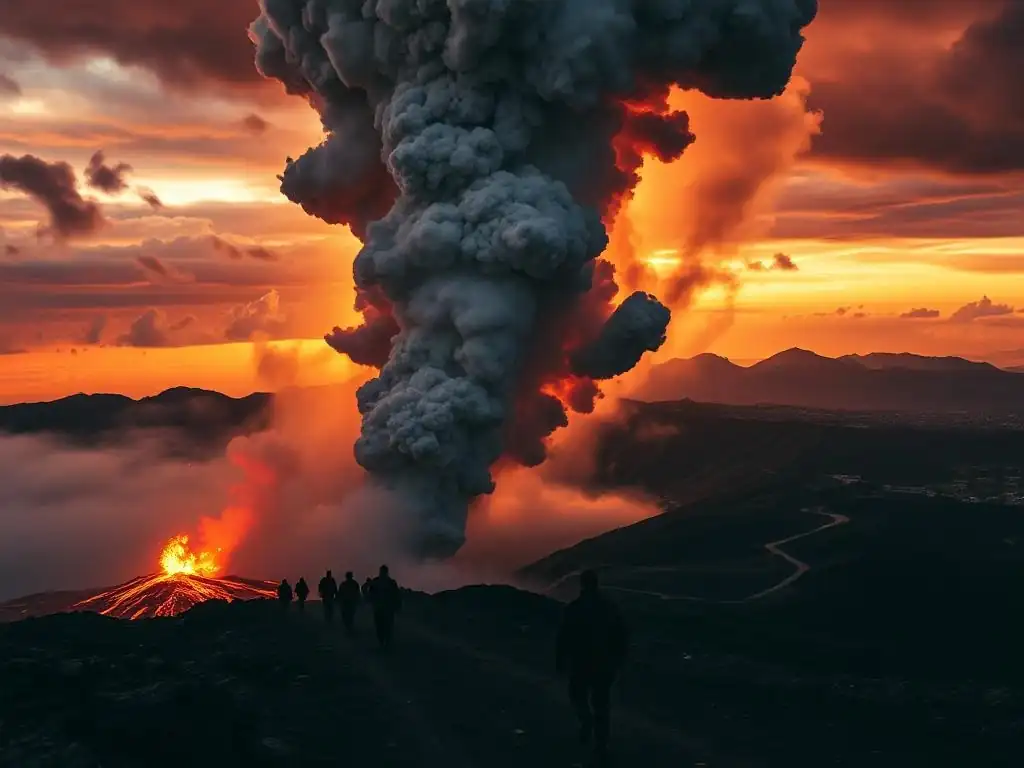
Welcome to Volcano Explorers, where the Earth breathes fire! Are you ready to navigate the unpredictable forces of nature? Today, we're diving deep into the heart of a particularly volatile phenomenon: phreatomagmatic eruptions. But knowledge is power, and this isn't just about the science; it's about safety. Wondering how to stay safe when water meets magma? Our guide, " Evacuation Strategies for Phreatomagmatic Volcanoes: Staying Safe in WaterFueled Eruptions," unveils crucial phreatomagmatic eruption evacuation tips that could save lives. What are the early warning signs, and what are the best routes to safety? Let's explore together...
- Understanding Phreatomagmatic Eruptions: A Volcano Explorer's Guide
- The Unique Dangers of Phreatomagmatic Explosions: Why Evacuation is Critical
- Phreatomagmatic Eruption Evacuation Tips: Preparing Before an Eruption
- Phreatomagmatic Eruption Evacuation Routes and Shelters: Knowing Where to Go
- Staying Safe During a Phreatomagmatic Eruption Evacuation: What to Do
- Post-Eruption Safety: Returning Home After a Phreatomagmatic Event
- Real-World Examples of Phreatomagmatic Eruptions and Evacuation Successes
- Resources for Volcanic Preparedness and Phreatomagmatic Eruption Awareness
-
Frequently Asked Questions
- What exactly is a phreatomagmatic eruption?
- Why are phreatomagmatic eruptions considered particularly dangerous?
- What are some key indicators that a phreatomagmatic eruption is imminent?
- What specific evacuation tips are crucial during a phreatomagmatic eruption?
- Where can I find real-time updates on phreatomagmatic volcanic activity worldwide?
- Final Reflection: Navigating the Volcanic Threat
- Safeguard Yourself: Chart Your Volcanic Escape Route!
Understanding Phreatomagmatic Eruptions: A Volcano Explorer's Guide
What are Phreatomagmatic Eruptions? Defining Water-Magma Interactions
Phreatomagmatic eruptions are a distinct type of volcanic explosion that occurs when magma interacts with external water sources. Unlike typical eruptions driven solely by the pressure of volcanic gases within the magma itself, phreatomagmatic events are fueled by the violent vaporization of water upon contact with hot magma or lava. This water can come from various sources, including groundwater aquifers, surface water bodies like lakes or the sea, or even ice and snow. The sudden and intense heating of this water to steam causes a rapid expansion in volume, leading to powerful explosions.
This interaction is far from a simple boiling process. When magma, which can be over 700°C (1300°F), meets water, the interface between the two becomes incredibly unstable. The water is superheated almost instantaneously, transitioning to steam in a process known as explosive boiling. This rapid phase change is the key to the increased explosivity of phreatomagmatic eruptions. The expanding steam then violently fragments the surrounding magma and rocks, ejecting a mixture of steam, ash, rock debris, and volcanic gases into the atmosphere, often creating spectacular and hazardous displays.
Distinguishing Phreatomagmatic Eruptions from Other Volcanic Events
While all volcanic eruptions involve the release of molten rock, gas, and ash, phreatomagmatic eruptions differ significantly from other types like Strombolian, Vulcanian, or Plinian eruptions. Strombolian eruptions are characterized by relatively mild bursts of gas and lava, often producing incandescent bombs and lava flows. Vulcanian eruptions are more explosive, involving the ejection of pyroclastic rocks and ash clouds, but are still primarily driven by magmatic gas pressure. Plinian eruptions are the most powerful and explosive, generating massive columns of ash and gas that can reach the stratosphere, along with pyroclastic flows and widespread ashfall.
In contrast, phreatomagmatic eruptions are specifically defined by the crucial role of external water in their explosive mechanism. Phreatic eruptions, sometimes confused with phreatomagmatic events, are also steam-driven explosions but involve only the heating and flashing of water by hot rocks; they do not erupt fresh magma.
The presence of fresh volcanic material, particularly juvenile ash (newly formed volcanic glass), is a key indicator that an eruption is phreatomagmatic. Furthermore, the eruption products of phreatomagmatic events often exhibit characteristic features resulting from the rapid cooling and fragmentation caused by water interaction, such as fine-grained ash and distinctive volcanic landforms like maars and tuff rings.
The Unique Dangers of Phreatomagmatic Explosions: Why Evacuation is Critical
Increased Explosivity: The Role of Water in Volcanic Blasts
The involvement of water dramatically amplifies the explosivity of volcanic eruptions, making phreatomagmatic events particularly dangerous. Water, when heated rapidly to steam, expands to approximately 1,700 times its original volume at atmospheric pressure. This immense and sudden expansion of volume is the driving force behind the heightened explosivity. In a typical magmatic eruption, the expansion is primarily due to dissolved gases within the magma. However, in phreatomagmatic eruptions, the external water source provides a far more significant and rapid source of expansion, leading to more powerful and often unpredictable explosions.
This increased explosivity translates to several heightened dangers. Phreatomagmatic eruptions tend to produce broader and more laterally directed explosions compared to purely magmatic eruptions. The rapid fragmentation of magma by the expanding steam generates finer ash particles, which can be carried further distances by winds, impacting wider areas. The explosions can also be more unpredictable and sudden, offering less warning time compared to eruptions primarily driven by magma ascent and degassing. The combination of these factors makes evacuation during phreatomagmatic activity not just recommended but critically important for safety.
Hazards Specific to Phreatomagmatic Activity: Base Surges, Lahars, and Ballistic Projectiles
Phreatomagmatic eruptions present a unique set of hazards that necessitate well-planned evacuation strategies. Base surges are one of the most dangerous phenomena associated with these eruptions. These are ground-hugging, ring-shaped clouds of ash, steam, and gas that expand radially outwards from the vent at high speeds, often exceeding 360 kilometers per hour (220 mph). Base surges are incredibly hot and turbulent, capable of destroying everything in their path, including buildings and vegetation, and posing a significant threat to life even at considerable distances from the eruption vent.
Lahars, volcanic mudflows composed of water, ash, rock debris, and volcanic materials, are another significant hazard, especially if the phreatomagmatic eruption occurs in an area with significant water sources or snow and ice. The explosive mixing of water and volcanic debris readily forms these fast-moving flows that can travel down river valleys, burying landscapes and destroying infrastructure. Ballistic projectiles, fragments of rock ejected at high velocities, are also a major concern.
In phreatomagmatic eruptions, these projectiles can be dispersed widely and pose a lethal threat even several kilometers from the vent. The combination of base surges, lahars, and ballistic projectiles makes the immediate vicinity and downslope areas of phreatomagmatic volcanoes exceptionally dangerous, demanding prompt and effective evacuation.
Phreatomagmatic Eruption Evacuation Tips: Preparing Before an Eruption
Developing a Family Emergency Plan for Volcanic Activity
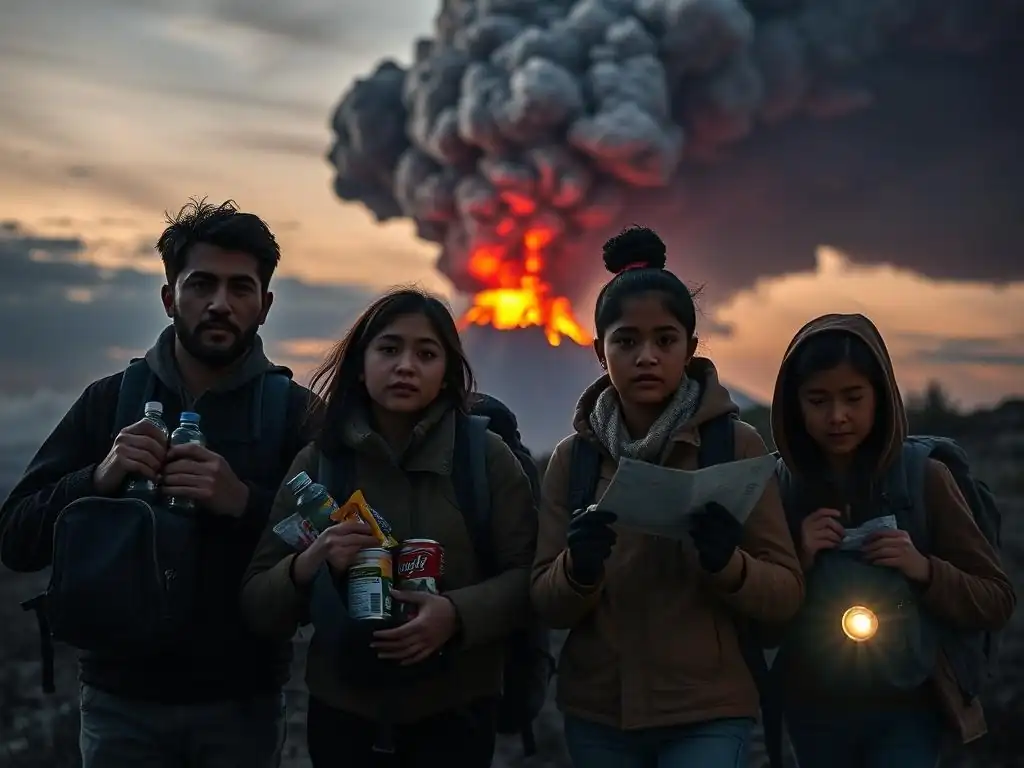
Proactive preparation is crucial for ensuring safety during any volcanic crisis, and especially for the potentially rapid onset of phreatomagmatic eruptions. Developing a family emergency plan tailored to volcanic activity should be a priority for those living near potentially active volcanoes. This plan should start with establishing clear communication protocols. Designate an out-of-area contact person who family members can check in with if separated, as local communication lines might be overwhelmed or disrupted. Agree on primary and secondary meeting points, both near home and outside the potential hazard zone, in case of evacuation orders.
The family plan should also outline specific roles and responsibilities for each member. Assign tasks such as gathering emergency supplies, assisting younger children or elderly family members, and ensuring pets are included in evacuation plans. Practice the evacuation plan regularly with drills to familiarize everyone with procedures and identify any potential weaknesses. Discuss different scenarios, including various alert levels and evacuation routes, to ensure everyone understands what to do regardless of the specific circumstances. A well-rehearsed family emergency plan significantly increases preparedness and reduces panic during a real volcanic event, improving the chances of a safe and efficient evacuation.
Assembling a Volcanic Emergency Kit: Essential Supplies for Evacuation
A well-stocked volcanic emergency kit is an indispensable component of preparedness for phreatomagmatic eruptions. This kit should be readily accessible and portable, allowing for quick evacuation. Essential supplies should include a supply of water – at least one gallon per person per day for several days – and non-perishable food items like canned goods, energy bars, and dried fruits. Given the ashfall associated with phreatomagmatic eruptions, respiratory protection is paramount. Include N95 or P100 respirators or dust masks for each family member, along with eye protection such as goggles to shield against ash and volcanic gases.
The kit should also contain a first-aid kit with essential medications, bandages, antiseptic wipes, and pain relievers. A battery-powered or hand-crank radio and a NOAA weather radio are vital for receiving emergency broadcasts if power is lost. Flashlights, extra batteries, a whistle to signal for help, and a multi-tool are also essential.
Include warm clothing, blankets, and sturdy shoes as protection from the elements and potential ground hazards. Consider adding personal hygiene items, copies of important documents in waterproof bags, and cash, as electronic payment systems might be disrupted. Regularly check and replenish the kit, ensuring food and water are fresh and batteries are charged.
Understanding Volcanic Alert Levels and Evacuation Orders
Understanding and heeding volcanic alert levels and evacuation orders issued by authorities is critical for ensuring safety during a phreatomagmatic eruption. Volcanic observatories constantly monitor volcanoes and issue alerts based on changes in activity. These alert levels are designed to communicate the level of risk to the public and guide appropriate responses. Familiarize yourself with the alert level system used in your region, which typically ranges from normal or green (no imminent threat) to advisory or yellow (increased unrest), watch or orange (heightened unrest, potential eruption), and warning or red (eruption imminent or underway).
Evacuation orders are issued by civil authorities when the threat of eruption becomes significant enough to warrant moving people away from hazardous areas. These orders are based on scientific assessments and are designed to protect lives. It is crucial to understand that evacuation orders are not suggestions; they are directives for immediate action.
When an evacuation order is issued, follow it promptly and completely. Do not delay to gather non-essential belongings or to argue the necessity of evacuation. Authorities will designate evacuation zones and routes, and it is vital to adhere to these instructions to ensure an orderly and safe evacuation process and avoid overwhelming emergency services.
Phreatomagmatic Eruption Evacuation Routes and Shelters: Knowing Where to Go
Identifying Designated Evacuation Routes in Volcanic Hazard Zones
Pre-identifying designated evacuation routes is a fundamental aspect of preparedness for phreatomagmatic eruptions. Local emergency management agencies typically establish and publicize these routes for areas surrounding active volcanoes. These routes are planned to lead away from the most hazardous zones and towards safer areas, taking into consideration potential hazards like pyroclastic flows, lahars, and ashfall distribution patterns. Obtain maps of designated evacuation routes from local authorities or emergency management websites and familiarize yourself with them.
Keep printed copies of evacuation route maps at home and in your emergency kit, as digital maps might be inaccessible during a power outage or communication disruption. Practice driving these routes periodically to ensure familiarity and identify potential bottlenecks or alternative paths. Be aware that evacuation routes may be adjusted or changed based on the specific characteristics of an impending eruption, so always pay attention to official updates and instructions during an actual volcanic event. Understanding and knowing the designated evacuation routes well in advance significantly reduces confusion and delays during a critical evacuation situation.
Locating Official Emergency Shelters and Assembly Points
Knowing the locations of official emergency shelters and assembly points is as important as knowing evacuation routes. Emergency shelters are pre-designated facilities, such as schools, community centers, or large public buildings, that are designed to provide temporary refuge for evacuees during a volcanic crisis. Assembly points are designated locations where evacuees can gather before being transported to shelters or safer areas. Local emergency management agencies are responsible for establishing and publicizing the locations of these shelters and assembly points.
Information on shelter locations is usually disseminated through public announcements, websites, and local media channels during periods of volcanic unrest. Identify the shelters and assembly points nearest to your home and workplace and familiarize yourself with their locations and access routes. Understand that shelters are intended to provide basic necessities and temporary accommodation, not long-term housing. Be prepared to bring your emergency kit supplies to the shelter and follow the instructions of shelter staff and emergency personnel. Knowing where to go for safety and assistance once you evacuate is a crucial element of a comprehensive evacuation plan.
Alternative Evacuation Strategies: Prioritizing Higher Ground and Avoiding River Valleys
While designated evacuation routes and shelters are primary components of an evacuation plan, understanding alternative strategies can be crucial, especially in rapidly evolving situations or if official routes become blocked. Prioritizing higher ground is a key alternative evacuation strategy during phreatomagmatic eruptions. Many of the hazards, such as base surges and lahars, are gravity-driven and tend to flow downwards into valleys and lower-lying areas. Moving to higher elevations away from potential flow paths can significantly reduce risk.
Avoiding river valleys and low-lying areas is equally important. River valleys are natural pathways for lahars and mudflows, making them exceptionally dangerous during and after phreatomagmatic eruptions. Seek routes and shelters that are located on higher ground and away from river systems and drainage channels. If official evacuation routes are congested or blocked, having pre-identified alternative routes that prioritize higher ground and avoid valleys can be life-saving. However, always prioritize official evacuation instructions when available and use alternative strategies only when necessary and safe to do so, based on your assessment of the immediate situation and available information.
Staying Safe During a Phreatomagmatic Eruption Evacuation: What to Do
Protecting Yourself from Ashfall and Volcanic Gases
During a phreatomagmatic eruption evacuation, protecting yourself from ashfall and volcanic gases is paramount. Volcanic ash, though not hot upon landing, is composed of fine particles of rock and glass that can be abrasive and irritating to the eyes, skin, and respiratory system. Volcanic gases, such as sulfur dioxide, can also pose health risks. Wear a properly fitted N95 or P100 respirator or dust mask to filter out ash particles and reduce inhalation of harmful gases. If a mask is unavailable, use a damp cloth to cover your nose and mouth.
Protect your eyes by wearing goggles or eyeglasses, not contact lenses, as ash can get trapped behind them and cause irritation or corneal abrasion. Wear long-sleeved shirts and long pants to minimize skin exposure to ash, and wear a hat or helmet for head protection. If possible, seek shelter indoors during heavy ashfall, even temporarily, to reduce exposure. When outdoors, avoid low-lying areas where volcanic gases can accumulate. If you have respiratory conditions like asthma, be especially vigilant and keep your medication readily accessible. Prioritizing respiratory and skin protection from ash and gases significantly reduces health risks during evacuation.
Communication is Key: Staying Informed During the Evacuation
Maintaining communication and staying informed is crucial throughout a phreatomagmatic eruption evacuation. Official information from emergency management agencies and volcanic observatories is the most reliable source for updates and instructions. Monitor NOAA weather radio, local radio stations, and official social media channels for alerts, evacuation orders, route updates, and shelter information. Avoid relying on unverified sources or social media rumors, which can be inaccurate and lead to confusion or panic.
If cell phone service is available, use it to check for official updates and communicate with family members, especially your out-of-area contact person. However, be mindful that cell networks can become overloaded during emergencies. Two-way radios or satellite communication devices can be valuable alternatives if cell service is unreliable. If you are in a vehicle, keep the radio tuned to emergency broadcasts. Share verified information with others to help ensure community-wide awareness. Staying informed through official channels and maintaining communication within your family and community are essential for a coordinated and safe evacuation.
Evacuating during a phreatomagmatic eruption can involve navigating dangerous conditions such as mudflows (lahars) and limited visibility due to ash clouds. Lahars are fast-moving flows of mud and debris that can inundate valleys and river channels without warning. Be extremely cautious when crossing bridges or areas near rivers and streams, as these are potential lahar pathways. If you encounter a lahar, seek higher ground immediately and move perpendicular to the flow direction. Do not attempt to cross a lahar.
Heavy ashfall can drastically reduce visibility, making driving hazardous. If driving is necessary, turn on your headlights and hazard lights to increase visibility to other vehicles. Drive slowly and cautiously, maintaining a safe following distance. Be aware that ash can make roads slippery, reducing traction. If visibility becomes too poor to drive safely, pull over to the side of the road in a safe location, away from traffic, and wait for conditions to improve or for further instructions from authorities. Be prepared for potential road closures and adjust your evacuation route as needed, prioritizing safety over speed.
Post-Eruption Safety: Returning Home After a Phreatomagmatic Event
Assessing Damage and Hazards Before Re-entry
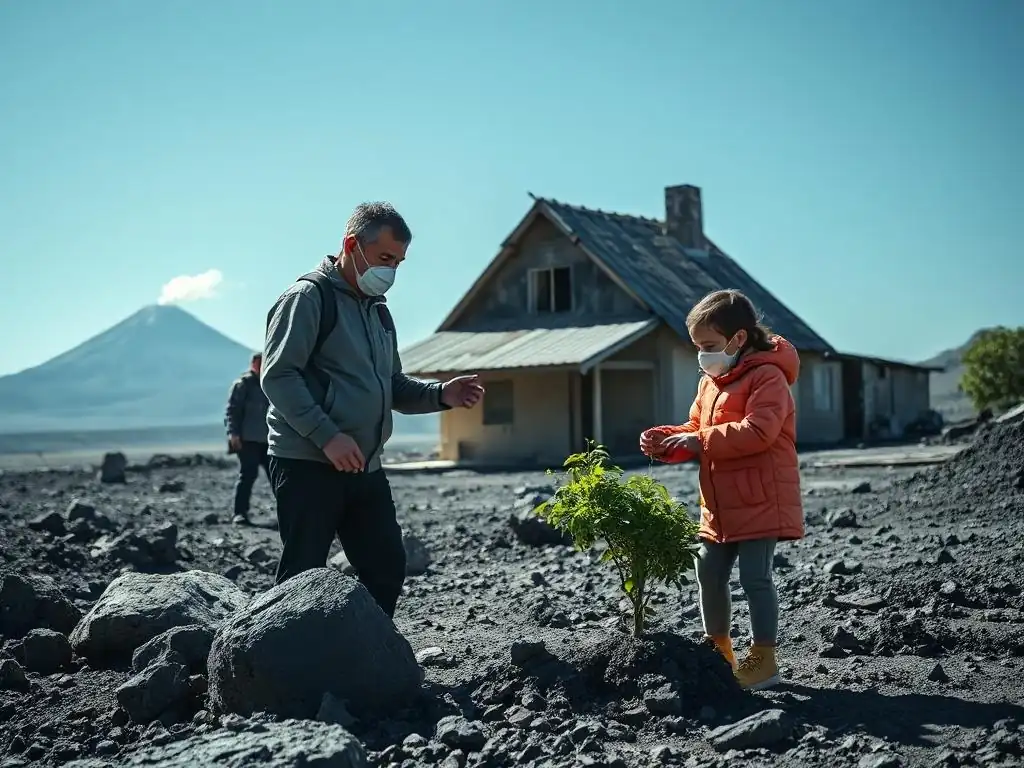
Returning home after a phreatomagmatic eruption requires careful assessment of damage and potential hazards before re-entry. Volcanic eruptions can leave behind a range of dangers, including structural damage to buildings, unstable ash deposits, and ongoing volcanic activity. Before returning, wait for official clearance from emergency management authorities indicating that it is safe to re-enter evacuated areas. When you do return, approach your home cautiously and inspect the exterior for any visible damage, such as cracks in walls, roof damage, or foundation issues.
Be aware of potential hazards such as unstable ash deposits on roofs, which can cause collapse, especially if wet. Check for downed power lines or gas leaks before entering your home. Use a flashlight to inspect the interior for damage, including cracks, water damage, and fallen debris. If you smell gas or suspect structural damage, do not enter the building and contact emergency services or utility companies immediately. Take photographs of any damage for insurance purposes. Ensure that utilities like water, electricity, and gas are safe before reconnecting them, following guidance from utility providers.
Dealing with Ashfall Cleanup and Health Concerns
Post-eruption ashfall cleanup is a significant task and requires attention to both property and health concerns. Volcanic ash is abrasive and can scratch surfaces, clog drains, and damage machinery. When cleaning ash, wear protective gear, including a respirator or dust mask, goggles, gloves, long sleeves, and pants, to minimize exposure. Wet down ash lightly before sweeping or shoveling to prevent it from becoming airborne again. Avoid using leaf blowers, which can redistribute ash into the air.
For roofs, carefully remove ash, starting from the edges and working inwards, to reduce the risk of roof collapse. Clear ash from gutters and downspouts to prevent clogs and water damage. Indoors, vacuum ash using a vacuum cleaner with a HEPA filter, or gently wipe surfaces with a damp cloth. Avoid stirring up ash. If you experience respiratory irritation, eye irritation, or skin problems, seek medical advice. Continue to monitor air quality reports and take precautions until ashfall cleanup is complete and air quality returns to normal.
Long-Term Recovery and Community Resilience After Volcanic Disasters
Long-term recovery after a phreatomagmatic eruption and other volcanic disasters is a complex process that extends beyond the immediate aftermath and involves community resilience. Recovery encompasses physical rebuilding of homes and infrastructure, economic recovery for affected businesses and livelihoods, and psychosocial recovery for individuals and communities impacted by the event. Community resilience is the ability of a community to withstand, adapt to, and recover from adversity. It is strengthened through community planning, social support networks, and access to resources.
Long-term recovery efforts often require collaboration between government agencies, non-profit organizations, community groups, and individuals. Support programs may include financial assistance, housing aid, counseling services, and job retraining. Community-based initiatives, such as neighborhood cleanup drives, community gardens, and support groups, can foster social cohesion and collective healing. Building community resilience involves strengthening local infrastructure, improving communication systems, and promoting disaster preparedness education. Learning from past experiences and investing in long-term recovery and resilience building are essential for communities living in volcanic regions to mitigate the impacts of future eruptions and ensure sustainable recovery.
Real-World Examples of Phreatomagmatic Eruptions and Evacuation Successes
Case Study: Taal Volcano Eruption (2020) and Evacuation
The 2020 eruption of Taal Volcano in the Philippines serves as a significant case study of a phreatomagmatic eruption and the complexities of evacuation. Taal Volcano is a large caldera system, and the 2020 eruption originated from Volcano Island within the caldera lake, highlighting the inherent phreatomagmatic potential due to the presence of a large body of water. The eruption began with phreatomagmatic activity, characterized by steam-driven explosions as magma interacted with the lake water. This initial phase rapidly escalated, leading to a more magmatic phase with a tall eruption column and significant ashfall.
Due to increasing volcanic unrest and the escalating phreatomagmatic explosions, Philippine authorities initiated a large-scale evacuation of communities surrounding Taal Volcano. Over 450,000 people were evacuated from high-risk areas in Batangas and Cavite provinces. The evacuation effort faced challenges including the rapid onset of the eruption, ashfall hindering visibility and transportation, and the sheer scale of the population to be moved.
Despite these challenges, the large-scale evacuation is credited with significantly minimizing casualties from the eruption's direct impacts. The Taal eruption underscores the importance of early warning systems, pre-emptive evacuation planning, and community preparedness in mitigating the risks of phreatomagmatic eruptions.
Lessons Learned: Improving Evacuation Strategies Based on Past Events
Past phreatomagmatic eruptions, including the Taal Volcano event and others globally, provide invaluable lessons for improving evacuation strategies. One key lesson is the critical importance of robust monitoring systems and effective early warning communication. Rapid detection of changes in volcanic activity and timely dissemination of alerts to the public are essential for enabling prompt evacuation. Improved volcano monitoring technologies and enhanced communication channels, including social media and mobile alerts, are continuously being developed and implemented.
Another crucial lesson is the need for flexible and adaptable evacuation plans that can account for the dynamic nature of phreatomagmatic eruptions and varying local conditions. Evacuation routes and shelter locations need to be regularly reviewed and updated based on hazard assessments and community growth.
Community education and preparedness programs are vital to ensure public understanding of volcanic hazards, alert levels, and evacuation procedures. Post-eruption reviews and analyses of evacuation efforts, such as those conducted after the Taal eruption, are essential for identifying areas for improvement and refining evacuation strategies for future events, contributing to increased safety and resilience in volcanic regions.
Resources for Volcanic Preparedness and Phreatomagmatic Eruption Awareness
Official Government Agencies and Volcanic Observatories
Reliable information and resources for volcanic preparedness and phreatomagmatic eruption awareness are readily available from official government agencies and volcanic observatories worldwide. In the United States, the United States Geological Survey (USGS) Volcano Hazards Program is a primary source of information, providing real-time monitoring data, volcano activity updates, hazard assessments, and educational materials. Many countries with active volcanoes have their own geological surveys or volcano observatories. For instance, in the Philippines, it is the Philippine Institute of Volcanology and Seismology (PHIVOLCS). In Japan, the Japan Meteorological Agency (JMA) monitors volcanic activity.
These agencies typically operate volcano monitoring networks, issue volcanic alerts, conduct research, and provide public education on volcanic hazards. Their websites are valuable resources, offering volcano monitoring data, hazard maps, preparedness guides, and contact information for local emergency management offices. Consulting the official agencies in your region or in areas you plan to visit is the most reliable way to access accurate and up-to-date information on volcanic hazards and safety measures, including specific guidance on phreatomagmatic eruption risks and evacuation tips.
Educational Materials and Online Resources for Volcano Safety
Numerous educational materials and online resources are available to enhance volcano safety knowledge and phreatomagmatic eruption awareness. Websites like the USGS Volcano Hazards Program, Volcano Discovery, and the Smithsonian Institution's Global Volcanism Program offer a wealth of information on volcano science, eruption types, hazards, and preparedness. These websites often feature articles, videos, interactive maps, and downloadable resources suitable for various audiences, from general public to educators and researchers.
Educational brochures, pamphlets, and posters on volcano safety are often available from local emergency management agencies and volcano observatories. Online courses and webinars on disaster preparedness, including volcanic hazards, are increasingly accessible through organizations like the Federal Emergency Management Agency (FEMA) and the American Red Cross. Utilizing these diverse educational resources can significantly improve understanding of volcanic risks, enhance preparedness levels, and promote a culture of safety in communities living near volcanoes.
Community-Based Volcano Preparedness Programs
Community-based volcano preparedness programs play a vital role in building resilience and enhancing safety at the local level. These programs often involve partnerships between government agencies, community organizations, schools, and residents. They focus on tailoring preparedness education and activities to the specific needs and vulnerabilities of local communities living near volcanoes. Programs can include community workshops, drills and simulations, development of local emergency plans, and establishment of community early warning systems.
Community preparedness programs often leverage local knowledge and resources, promoting community ownership and participation in risk reduction efforts. They can help to build social networks and strengthen community cohesion, which are crucial for effective disaster response and recovery. Participating in or supporting community-based volcano preparedness programs is an effective way to increase individual and collective safety, enhance community resilience, and foster a culture of preparedness in volcanic regions. Contact your local emergency management agency or volcano observatory to inquire about community-based preparedness programs in your area.
Frequently Asked Questions
What exactly is a phreatomagmatic eruption?
A phreatomagmatic eruption occurs when magma interacts with water, like groundwater, a lake, or the sea. This interaction causes a powerful explosion due to rapid steam generation.
Why are phreatomagmatic eruptions considered particularly dangerous?
These eruptions are hazardous because they combine the dangers of magmatic eruptions with the added explosivity of steam-driven explosions. This often results in widespread ashfall and dangerous pyroclastic surges.
What are some key indicators that a phreatomagmatic eruption is imminent?
Increased steam emissions, changes in water acidity or temperature near the volcano, and a rise in seismic activity are warning signs. Monitoring these factors is crucial for effective prediction.
What specific evacuation tips are crucial during a phreatomagmatic eruption?
Immediately evacuate to higher ground to avoid pyroclastic surges and lahars. Protect yourself from ashfall by wearing a mask and covering exposed skin.
Where can I find real-time updates on phreatomagmatic volcanic activity worldwide?
VolcanoExplorers.org and other reputable sources like the USGS and local geological surveys provide real-time updates. Stay informed by monitoring these resources.
The preceding analysis of evacuation strategies for phreatomagmatic volcanoes underscores a critical reality: preparedness is paramount in the face of unpredictable natural disasters. The volatile nature of water-fueled eruptions demands a proactive approach, moving beyond reactive responses to embrace comprehensive planning and community engagement. Ignoring the potential for these devastating events is not an option; understanding and implementing effective evacuation strategies is essential for safeguarding lives.
The impact of phreatomagmatic eruptions extends far beyond immediate physical destruction. The psychological toll on affected communities, the disruption of livelihoods, and the long-term environmental consequences are all significant considerations. The knowledge shared within this article aims to empower individuals and communities to mitigate these risks. By failing to prepare, you are preparing to fail.
- Benjamin Franklin. This quote resonates deeply when considering the potential devastation of a phreatomagmatic eruption and the crucial role of proactive evacuation planning.
Now, consider the information presented here and its implications for your own community. Are you aware of the volcanic risks in your region? Are you prepared to act swiftly and decisively in the event of an eruption? Let this article serve as a catalyst for further learning, discussion, and action. Equip yourself with the knowledge and resources necessary to protect yourself, your loved ones, and your community from the unpredictable power of phreatomagmatic volcanoes. The time to prepare is now.
Here's a CTA tailored for an article titled "Evacuation Strategies for Phreatomagmatic Volcanoes: Staying Safe in WaterFueled Eruptions" for the website "Volcano Explorers" (volcanoexplorers.org):
Safeguard Yourself: Chart Your Volcanic Escape Route!
Thank you for exploring the critical information about phreatomagmatic volcanoes and the essential evacuation strategies. Understanding these unique eruption types is the first step in ensuring your safety. Now, let’s translate that knowledge into action!
- Prioritize your safety: Identify the nearest designated evacuation zone for phreatomagmatic eruption risks in your area today.: This is your most crucial step.
- Share this vital knowledge: Discuss these evacuation strategies with your family and community to create a shared understanding and preparedness plan.
- Dive deeper into volcano safety: Explore other volcano types and safety tips on VolcanoExplorers.org to expand your awareness.
What steps will you take this week to ensure your community is better prepared for a potential phreatomagmatic eruption?