
The Ascent of Magma: A Buoyant Journey from Mantle to Surface

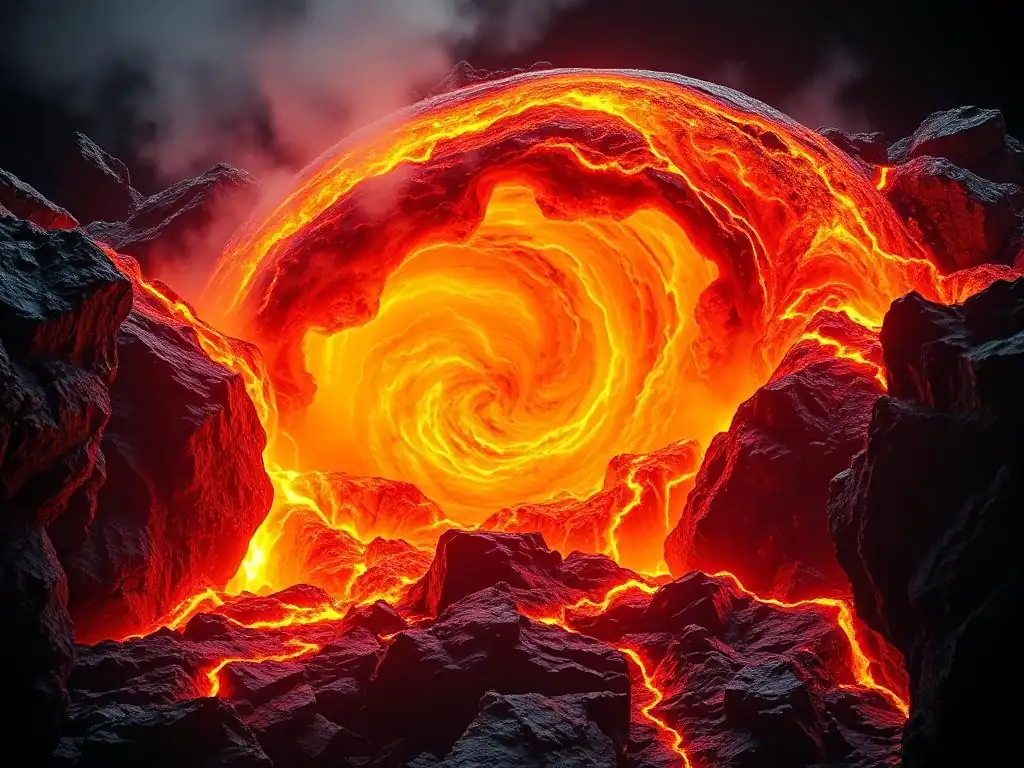
Welcome to Volcano Explorers, where the Earth's fiery secrets are unearthed! Ever wondered how molten rock makes its incredible journey from deep within our planet to the surface? Prepare to be captivated as we explore the fascinating magma ascent process explained, a journey of immense pressure, volatile gases, and ultimately, explosive power. Intrigued? Delve deeper and discover the science behind this breathtaking phenomenon.
Introduction: Understanding the Magma Ascent Process
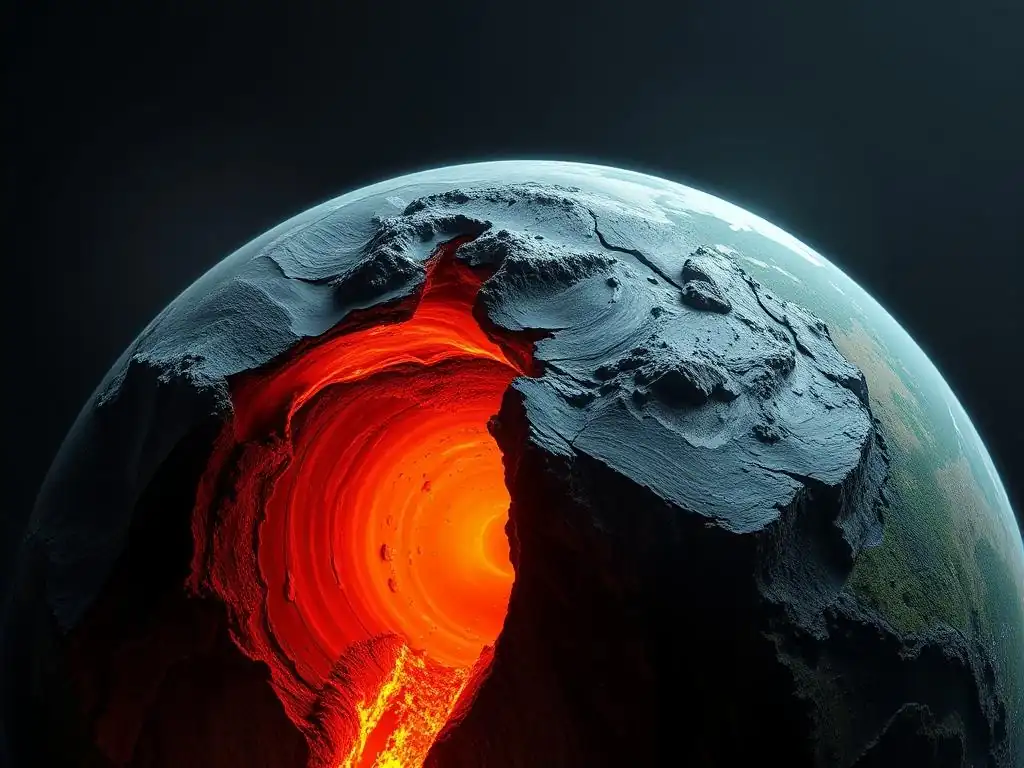
Why Study Magma Ascent? Unveiling Volcanic Eruptions
Understanding the magma ascent process is fundamental to volcanology because it directly dictates the nature and intensity of volcanic eruptions. Volcanic eruptions are not random events; they are the culmination of a complex journey undertaken by magma from the Earth's depths to the surface.
By studying magma ascent, we gain crucial insights into why some eruptions are effusive, characterized by slow lava flows like those seen in Hawaii, while others are violently explosive, such as the catastrophic eruption of Mount St. Helens in 1980. These differences are largely governed by the dynamics of magma ascent, including its speed, pathways, and interactions with the surrounding crust.
Furthermore, the study of magma ascent is critical for hazard assessment and eruption forecasting. Knowing how magma moves beneath the surface, where it might accumulate, and how quickly it is approaching the surface allows volcanologists to better predict when and where eruptions are likely to occur. For instance, changes in ground deformation, gas emissions, and seismic activity, all monitored around active volcanoes, are often directly linked to magma ascent. By deciphering these signals, we can improve early warning systems and potentially mitigate the devastating impacts of volcanic eruptions on human populations and infrastructure.
The Importance of Magma Dynamics in Volcanology
Magma dynamics, encompassing the formation, movement, and evolution of magma, is a cornerstone of volcanology. It's not just about understanding eruptions; it's about comprehending the entire lifecycle of a volcano and its place within the Earth's dynamic systems. The dynamics of magma ascent, in particular, are pivotal because they bridge the deep-seated processes of magma generation in the mantle with the surface manifestations of volcanic activity. Understanding these dynamics allows us to connect the Earth's internal heat engine with the spectacular and sometimes destructive volcanic phenomena we observe.
The study of magma dynamics extends beyond immediate eruption concerns. It helps us understand the long-term evolution of volcanic systems. For example, the composition of erupted magma, which is significantly influenced by the ascent process, provides clues about the source regions in the mantle and the processes magma undergoes as it travels through the crust.
Analyzing the textures and mineralogy of volcanic rocks, products of solidified magma, offers a retrospective view into the conditions and rates of magma ascent. This knowledge is essential for developing comprehensive models of volcanic behavior and for understanding the broader geological history of volcanic regions.
Frequently Asked Questions
What is the main driving force behind magma ascent?
The main driving force is buoyancy, which is the tendency of a less dense substance (magma) to rise through a denser one (surrounding rock). This difference in density creates an upward force.
How does magma's viscosity affect its ascent?
Magma viscosity, its resistance to flow, significantly impacts ascent. High viscosity magmas ascend slower and are more prone to explosive eruptions, while low viscosity magmas ascend faster and result in effusive eruptions.
What role do fractures and conduits play in the magma ascent process?
Fractures and conduits act as pathways, allowing magma to bypass dense rock and ascend more easily. These pathways concentrate magma flow and can significantly influence eruption style and location.
How does the pressure change affect magma as it rises?
As magma ascends, the surrounding pressure decreases. This pressure drop causes dissolved gases within the magma to exsolve, forming bubbles. These bubbles can dramatically increase the pressure within the magma, leading to explosive eruptions.
What techniques do volcanologists use to study the magma ascent process?
Volcanologists use various techniques, including seismic monitoring to track magma movement, gas analysis to understand magma composition, and deformation studies to measure ground swelling caused by magma accumulation.
Final Reflection: The Unfolding Power of the Earth
The intricate details of magma ascent, as explored in this article, are not just geological curiosities; they are fundamental processes shaping our planet's dynamic surface. Understanding the "magma ascent process explained" is crucial, not only for geologists but for anyone seeking to comprehend the forces that create landscapes, trigger volcanic eruptions, and ultimately, influence the very air we breathe.
The relentless upward journey of magma, a testament to the Earth's internal energy, has profoundly shaped, and continues to shape, our cultural and social landscape. Consider the fertile volcanic soils that have sustained civilizations for millennia, or the awe-inspiring power of eruptions that have both destroyed and created. The earth is not just a stage; it is a force, a presence, a living entity that shapes our lives in profound ways.
This understanding compels us to appreciate the delicate balance of our planet and the interconnectedness of its systems.
As you reflect on the "magma ascent process explained," consider its implications beyond the scientific realm. How can we, as individuals, better understand and respect the power of the Earth? Let the knowledge gained here inspire you to seek a deeper connection with the natural world, to advocate for responsible stewardship of our planet, and to marvel at the breathtaking forces that continue to sculpt our home.
Let's craft a compelling call to action together. Tell me about your article: what's the main topic, the key takeaway, and who is your target audience? The more detail you provide, the more effective the CTA will be.