
False Alarms and Real Threats: The Challenges of Volcano Warning Systems

Welcome to Volcano Explorers!
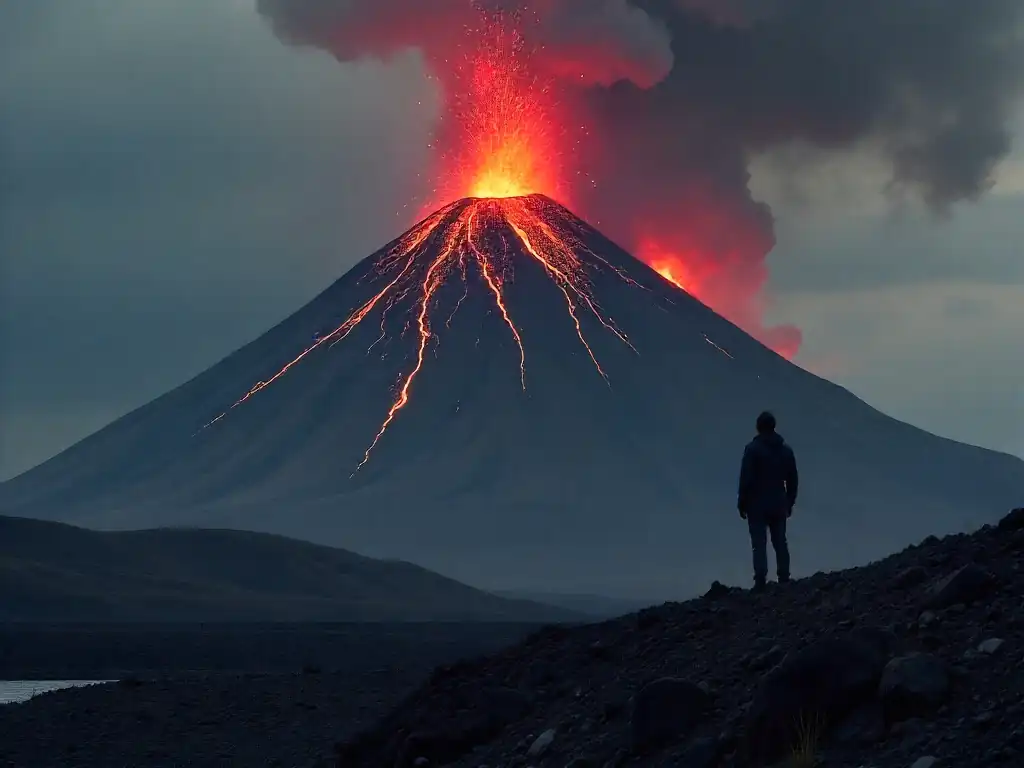
Ever wondered how we predict the unpredictable? Delve into the heart of the matter as we explore the critical, and often complex, world of volcano warning system challenges. Discover the intricate science, the human element, and the very real consequences of getting it right – or wrong. Are we truly prepared for the next eruption? Let's find out...
- Volcano Warning System Accuracy and Reliability
-
Frequently Asked Questions
- What are the primary challenges in developing effective volcano warning systems?
- How do false alarms impact public trust in volcano warning systems?
- What technologies are used to monitor volcanoes and detect potential eruptions?
- How do volcanologists determine the appropriate alert levels for volcanic activity?
- What role does community education play in the success of volcano warning systems?
- Final Reflection: Navigating the Volcanic Precipice
- Ignite Your Inner Vulcanologist!
Volcano Warning System Accuracy and Reliability
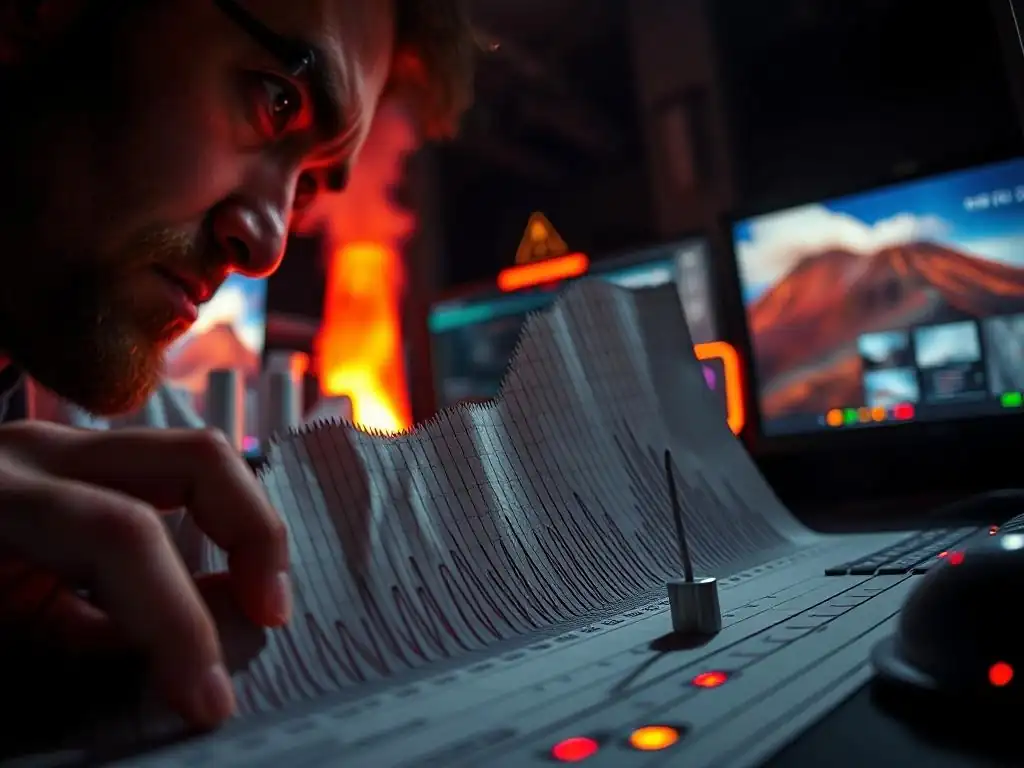
The effectiveness of a volcano warning system hinges critically on its accuracy and reliability. An accurate system minimizes both false alarms and missed eruption predictions. False alarms, while preventing potential disasters, can erode public trust, create economic disruptions, and lead to a sense of alarm fatigue, where communities become less responsive to future warnings.
Imagine a scenario where a community is evacuated based on escalating seismic activity, only for the volcano to return to a state of quiescence without erupting. This could result in significant costs for evacuation, lost productivity, and decreased confidence in the warning system's judgment. Conversely, a failure to detect precursory signs and issue a timely warning can have catastrophic consequences, leading to loss of life and widespread devastation.
Reliability, on the other hand, refers to the consistency and dependability of the warning system's performance over time. A reliable system is one that functions as intended under various conditions, providing consistent and trustworthy data. This includes the robustness of monitoring equipment in harsh volcanic environments, the continuous flow of data from sensors to analysis centers, and the effectiveness of communication channels to disseminate warnings.
For instance, consider a scenario where a critical sensor fails due to a power outage or extreme weather just as a volcano begins to show signs of unrest. If backup systems or redundancies are not in place, the warning system's reliability is compromised, potentially delaying or hindering the detection of an impending eruption. Therefore, ensuring both accuracy and reliability is paramount for an effective volcano warning system that can protect lives and livelihoods.
Frequently Asked Questions
What are the primary challenges in developing effective volcano warning systems?
The main challenges involve distinguishing between genuine eruption precursors and false alarms, as well as communicating risk effectively to diverse populations. Improving the accuracy of predictive models is also crucial.
How do false alarms impact public trust in volcano warning systems?
Frequent false alarms can lead to "cry wolf" syndrome, eroding public trust and potentially causing people to ignore real warnings in the future. Maintaining credibility is essential.
What technologies are used to monitor volcanoes and detect potential eruptions?
Scientists use a variety of technologies, including seismometers to detect earthquakes, gas sensors to measure emissions, and satellite imagery to track ground deformation. These data are then analyzed to assess volcanic activity.
How do volcanologists determine the appropriate alert levels for volcanic activity?
Volcanologists analyze monitoring data, historical eruption patterns, and the specific characteristics of each volcano to assess the level of risk. Alert levels are based on a combination of factors and scientific judgment.
What role does community education play in the success of volcano warning systems?
Community education is vital for ensuring that people understand the meaning of alert levels, know how to respond appropriately during an eruption, and actively participate in safety planning. It fosters resilience.
The complexities explored throughout this article highlight the crucial, yet often precarious, nature of volcano warning systems. The challenges we've discussed, from technological limitations to communication breakdowns, are not merely academic exercises; they represent real-world obstacles standing between communities and potential devastation. Understanding these challenges is the first step towards building more robust and reliable systems that can truly save lives.
The ongoing struggle to refine volcano warning systems profoundly impacts the cultural and social landscape of communities living near active volcanoes. The fear of false alarms, coupled with the devastating consequences of missed warnings, creates a constant tension that shapes daily life. This tension underscores the urgent need for continuous improvement and community engagement. The only thing necessary for the triumph of evil is for good men to do nothing.
- Edmund Burke. This quote resonates deeply when considering the potential consequences of inaction in the face of volcanic threats.
As we conclude, consider the lessons learned about communication, technology, and community resilience. How can you, in your own sphere of influence, contribute to a more informed and prepared world? Whether it's supporting scientific research, advocating for better emergency preparedness, or simply educating yourself and others, your actions can make a difference. Let us all strive to be proactive participants in mitigating the risks posed by these powerful forces of nature, ensuring a safer future for those who live in their shadow.
Ignite Your Inner Vulcanologist!
Thanks for joining us on this exploration of volcano warning systems and their intricate challenges. We hope you've gained valuable insights into the complexities of predicting volcanic activity. Now, it's your turn to get involved!
Here's how you can take action:
- Join the Volcano Explorers community forum and share your thoughts on how technology can improve warning systems.
- Explore our interactive map to learn about the volcano risk in your region and spread awareness amongst your friends and family.
- Research citizen science projects related to volcano monitoring and contribute to real scientific research.
What innovative solution do you think could drastically improve volcano warning systems and save lives? Let us know in the comments below!