
When Volcanoes Speak: The Vital Role of Early Warning Communication

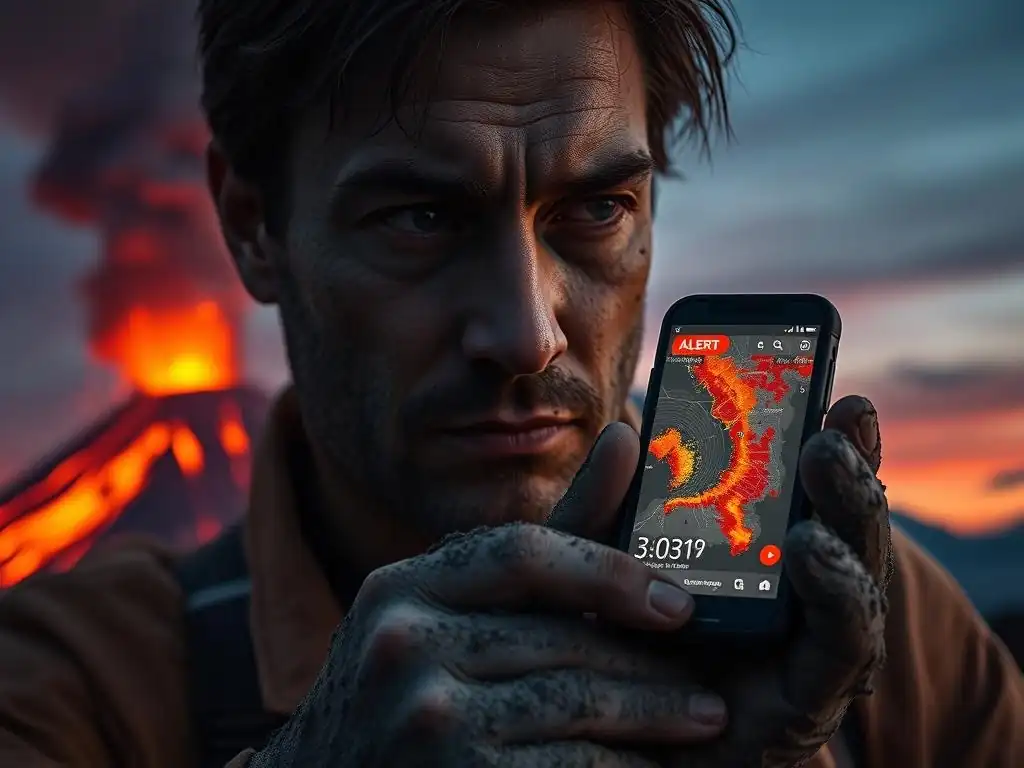
Dive into the heart of Earth's fiery giants at Volcano Explorers. Ever wondered how we listen to the rumbling whispers of a volcano before it erupts? This is more than just science; it's a lifeline. Explore the crucial role of early warning volcano communication and discover how these vital systems are saving lives around the globe. What secrets are volcanoes trying to tell us? Let's find out together...
- Understanding the Importance of Early Warning Volcano Communication
- Elements of an Effective Early Warning System for Volcanoes
- Communicating the Threat: Reaching Vulnerable Populations
- Case Studies: Successful Early Warning Volcano Communication in Action
- Challenges in Implementing Effective Early Warning Systems
- Improving Early Warning Volcano Communication for Enhanced Safety
- The Future of Volcano Early Warning Systems: Innovation and Technology
-
Frequently Asked Questions
- What is early warning volcano communication and why is it important?
- How do scientists monitor volcanoes to provide early warnings?
- What factors influence the effectiveness of early warning volcano communication?
- What are some examples of successful early warning volcano communication systems?
- What should I do if I receive an early warning about a potential volcanic eruption?
- Final Reflection: Echoes of Eruption, Whispers of Hope
- Unleash Your Inner Volcano Sentinel!
Understanding the Importance of Early Warning Volcano Communication
Why Timely Volcano Alerts Matter: Saving Lives and Protecting Communities
Volcanoes, while awe-inspiring natural wonders, pose significant threats to nearby populations. The destructive power of volcanic eruptions can manifest in various forms, including pyroclastic flows, lahars, ashfall, and lava flows, each capable of causing widespread devastation and loss of life. Timely and effective early warning volcano communication systems are therefore paramount in mitigating these risks.
These systems are not just about predicting eruptions; they are about providing communities with the crucial time needed to evacuate, secure property, and implement emergency response plans. Without adequate warning, populations living in volcanic hazard zones are left vulnerable, facing potentially catastrophic consequences. History is replete with examples where the absence or failure of early warning systems has led to immense human suffering and economic losses, underscoring the indispensable role of proactive communication in volcano disaster risk reduction.
The impact of a volcanic eruption extends beyond immediate physical destruction. Communities affected by volcanic activity often face long-term disruptions, including displacement, agricultural losses, infrastructure damage, and health crises due to ash inhalation and water contamination.
Effective early warning volcano communication is not solely about saving lives during the initial eruption phase; it is also about minimizing the broader socio-economic impact and facilitating a faster recovery process. By providing sufficient lead time, early warnings enable authorities and communities to prepare for these cascading effects, allowing for the prepositioning of resources, the implementation of public health measures, and the development of long-term recovery strategies.
For instance, in areas reliant on agriculture, early warnings can trigger the relocation of livestock and the harvesting of crops before ashfall blankets the land, thus safeguarding livelihoods and food security. Ultimately, early warning volcano communication acts as a critical bridge between scientific monitoring and community resilience, transforming hazard information into actionable steps for safety and preparedness.
The Science Behind Volcano Monitoring and Prediction
The effectiveness of early warning volcano communication hinges on the robust science of volcano monitoring and prediction. Volcanologists employ a diverse array of sophisticated instruments and techniques to continuously observe and analyze volcanic activity. This monitoring network acts as the "eyes and ears" on a volcano, detecting subtle changes that may precede an eruption.
Seismometers are crucial for recording volcanic earthquakes, which often increase in frequency and intensity as magma rises towards the surface. Gas sensors measure the composition and flux of volcanic gases, such as sulfur dioxide (SO2) and carbon dioxide (CO2), as changes in gas emissions can indicate magma movement and degassing processes. Ground deformation monitoring, using techniques like GPS and satellite interferometry (InSAR), detects subtle swelling or tilting of the volcano's surface, which can be caused by magma accumulation beneath.
Predicting volcanic eruptions is not an exact science, but rather a probabilistic assessment based on the interpretation of monitoring data and the volcano's past eruptive history. Volcanologists analyze patterns in seismic activity, gas emissions, and ground deformation to identify potential precursory signals. Statistical models and eruption forecasting techniques are increasingly being used to estimate the likelihood of an eruption within a given timeframe.
However, it's important to recognize that volcanoes are complex systems, and eruption styles and precursory signals can vary significantly from one volcano to another, and even for different eruptions at the same volcano. Therefore, continuous monitoring, data analysis, and expert interpretation are essential for providing the most accurate and timely warnings possible. The science is constantly evolving, with ongoing research focused on improving monitoring technologies, refining prediction models, and enhancing our understanding of the intricate processes that drive volcanic eruptions.
Elements of an Effective Early Warning System for Volcanoes
Comprehensive Volcano Monitoring Networks: The Foundation of Early Warning
A robust early warning system for volcanoes is built upon a foundation of comprehensive monitoring networks. These networks are not simply a collection of instruments; they are strategically designed and deployed systems tailored to the specific characteristics and hazards of each volcano. A well-designed network incorporates a variety of instruments, including seismometers, gas sensors, deformation monitors (GPS, tiltmeters, strainmeters, InSAR), and visual observation tools (webcams, thermal cameras).
The density and distribution of these instruments are crucial, ensuring adequate coverage of the volcano and surrounding areas prone to hazards. For instance, volcanoes with a history of flank collapses might require a denser network of deformation monitors on their slopes, while those prone to explosive eruptions might benefit from more extensive gas monitoring capabilities.
Beyond the physical instruments, a comprehensive monitoring network includes robust infrastructure for data transmission, processing, and analysis. Real-time data streams from the field instruments are transmitted to monitoring centers, often via telemetry systems, where specialized software and expert volcanologists analyze the data. Redundancy is a key principle in network design to ensure continuous operation even during volcanic crises or equipment failures.
This includes having backup power sources, communication channels, and instrument deployments. Regular maintenance, calibration, and upgrades of the monitoring network are also essential to maintain data quality and system reliability over time. The investment in a comprehensive and well-maintained monitoring network is the bedrock upon which effective early warning volcano communication and community safety are built.
Real-time Data Collection: Seismic Activity, Gas Emissions, and Ground Deformation
Real-time data collection is the lifeblood of any effective early warning volcano communication system. The ability to continuously monitor and receive data from volcanoes in near real-time allows volcanologists to detect subtle changes in volcanic activity that may precede an eruption. Seismic monitoring, for example, provides crucial information about magma movement and pressure changes within the volcano.
Increases in the frequency, intensity, and type of volcanic earthquakes can be early indicators of escalating activity. Gas monitoring, focusing on gases like sulfur dioxide (SO2), carbon dioxide (CO2), and hydrogen sulfide (H2S), can reveal changes in magma degassing and magma ascent rates. Ground deformation monitoring, measuring changes in the volcano's shape, can detect magma accumulation or withdrawal beneath the surface.
The integration of these different datasets in real-time provides a more holistic and nuanced understanding of volcanic processes. Analyzing seismic, gas, and deformation data together allows volcanologists to identify patterns and trends that might not be apparent from individual datasets alone. Advanced data processing techniques and automated alert systems are often employed to rapidly detect significant changes and trigger alerts to volcanologists for further investigation.
The speed and accuracy of real-time data collection and analysis are critical factors in providing timely warnings. Modern monitoring networks often utilize satellite-based communication and cloud computing to ensure rapid data transmission and accessibility, even in remote volcanic regions. This real-time capability significantly enhances the responsiveness and effectiveness of early warning systems.
Data Analysis and Interpretation: Predicting Potential Volcanic Eruptions
The vast amounts of data collected from volcano monitoring networks are only valuable when effectively analyzed and interpreted to predict potential volcanic eruptions. This process involves a combination of scientific expertise, sophisticated software, and a deep understanding of volcanic processes. Volcanologists employ a range of techniques to analyze monitoring data, including statistical analysis, time-series analysis, and modeling. They look for anomalies, trends, and patterns in seismic activity, gas emissions, and ground deformation that deviate from background levels or historical trends. The interpretation of these signals requires considering the volcano's past eruptive history, geological setting, and the regional tectonic context.
Predicting volcanic eruptions is inherently probabilistic, meaning forecasts typically express the likelihood of an eruption occurring within a certain timeframe, rather than a precise time and magnitude prediction. Volcanologists use eruption forecasting models, often based on statistical analysis of past eruptions and precursory activity, to estimate eruption probabilities. These models are constantly being refined and improved as our understanding of volcanic processes evolves and more data becomes available.
Expert judgment plays a crucial role in data interpretation and eruption forecasting. Experienced volcanologists bring their knowledge, intuition, and understanding of specific volcanoes to bear on the data, considering uncertainties and limitations in the data and models. The goal of data analysis and interpretation is to provide the most accurate and timely assessment of volcanic risk, informing the development of appropriate early warnings and emergency response measures.
Communicating the Threat: Reaching Vulnerable Populations
Developing Clear and Concise Volcano Alert Levels: A Standardized Approach
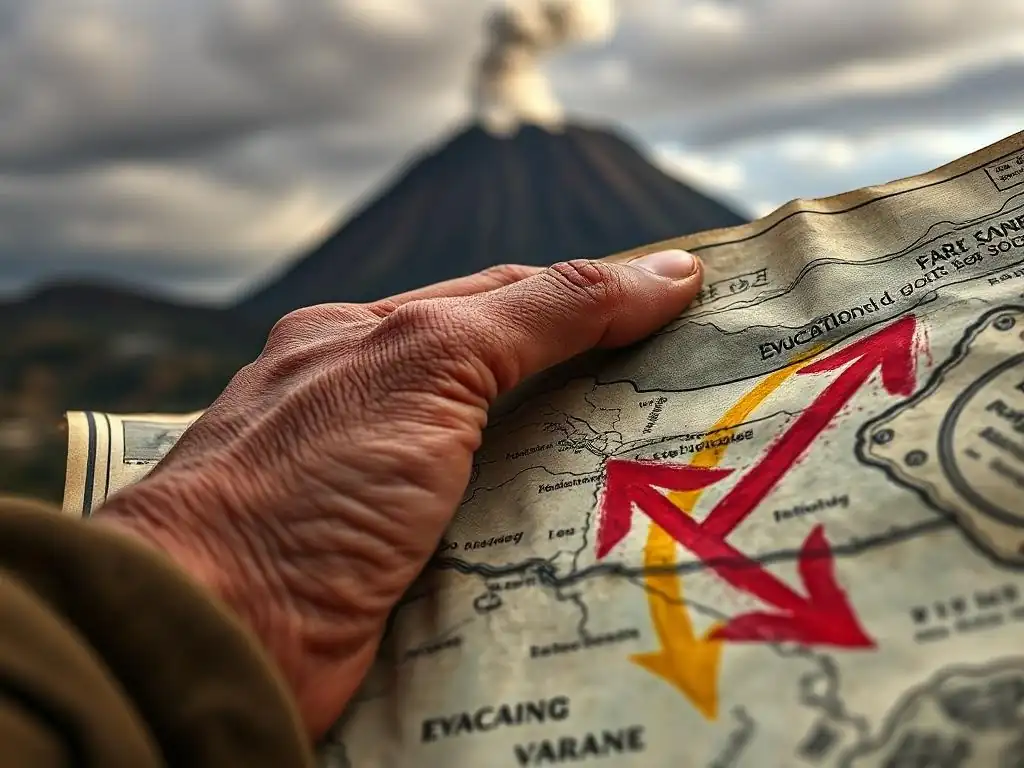
Effective early warning volcano communication hinges on the use of clear, concise, and standardized alert levels. These alert levels serve as a crucial bridge between complex scientific information and public understanding, translating technical data into actionable information for communities at risk. A standardized approach to alert levels ensures consistency and reduces confusion across different volcanic regions and jurisdictions.
Typically, alert level systems employ a tiered structure, with each level representing a different stage of volcanic activity and associated hazards. These levels are often color-coded (e.g., green, yellow, orange, red) or use numerical scales (e.g., Level 0 to Level 4) for easy visual comprehension.
Each alert level must be clearly defined, specifying the corresponding volcanic activity, potential hazards, and recommended public actions. For example, a "Yellow" or "Advisory" level might indicate signs of unrest, prompting increased monitoring and public awareness, while an "Orange" or "Warning" level could signal an increasing likelihood of eruption, triggering preparedness measures and potential evacuations. A "Red" or "Emergency" level would typically indicate an imminent or ongoing eruption, requiring immediate evacuation and emergency response.
The language used in defining alert levels must be simple, unambiguous, and culturally appropriate, avoiding technical jargon that may not be readily understood by the general public. Regular public education campaigns are essential to familiarize communities with the alert level system and ensure they understand the meaning of each level and the corresponding actions they should take.
Dissemination Strategies: Reaching Diverse Audiences with Critical Information
Effective dissemination strategies are crucial to ensure that early warning volcano communication reaches all vulnerable populations in a timely and accessible manner. This requires a multi-faceted approach, recognizing the diverse communication needs and preferences of different communities. No single communication channel is universally effective, and reliance on a single method can leave segments of the population uninformed. Therefore, a combination of communication channels is essential, tailored to the specific context and demographics of the at-risk communities.
Utilizing Multiple Communication Channels: Radio, TV, Internet, and Mobile Alerts
A comprehensive dissemination strategy leverages a range of communication channels to maximize reach and redundancy. Traditional media, such as radio and television, remain vital, particularly in remote areas or for populations with limited internet access. Radio is often especially effective due to its accessibility, portability, and ability to reach communities during power outages.
Television broadcasts can convey visual information, including maps of hazard zones and evacuation routes, enhancing public understanding. The internet and social media platforms are increasingly important channels, especially for reaching younger generations and disseminating real-time updates. However, internet access is not universal, and digital literacy varies across communities.
Mobile phone alerts, including SMS text messages and dedicated mobile apps, offer a direct and personalized communication channel, capable of delivering targeted warnings to individuals in specific hazard zones. The effectiveness of each channel can vary depending on the context, and a blended approach utilizing multiple channels is generally the most robust strategy.
Community Engagement and Education: Building Trust and Awareness
Beyond broadcasting warnings, effective early warning volcano communication requires proactive community engagement and education. Building trust and awareness within communities is essential to ensure that warnings are heeded and acted upon effectively. Community engagement involves establishing two-way communication channels between scientists, emergency managers, and local residents. This can be achieved through community meetings, workshops, and participatory planning processes. These interactions provide opportunities to explain volcanic hazards, the early warning system, and emergency preparedness measures in a culturally sensitive and locally relevant manner. Educational materials, such as brochures, posters, and videos, can be developed in local languages and distributed widely.
Regular drills and simulations are crucial for testing the effectiveness of communication channels and community response plans. These exercises help identify gaps in the system and improve community preparedness. Building trust is paramount, as communities are more likely to respond effectively to warnings from sources they trust.
This requires transparency in communication, acknowledging uncertainties, and providing clear and consistent messaging. Community leaders, local authorities, and trusted individuals play a vital role in disseminating information and reinforcing preparedness messages within their communities. Sustained engagement and education efforts, rather than one-off campaigns, are necessary to build long-term community resilience to volcanic hazards.
Case Studies: Successful Early Warning Volcano Communication in Action
Case Study 1: Pinatubo, Philippines: Averted Disaster Through Timely Evacuation
The 1991 eruption of Mount Pinatubo in the Philippines stands as a remarkable example of successful early warning volcano communication averting a major disaster. Prior to the climactic eruption, volcanologists at the Philippine Institute of Volcanology and Seismology (PHIVOLCS) observed increasing signs of unrest, including escalating seismic activity, gas emissions, and steam explosions. Based on these observations, PHIVOLCS issued timely warnings and worked closely with government agencies to implement a phased evacuation plan.
Crucially, the warnings were communicated effectively to both government officials and the public, utilizing radio, television, and community meetings. The alert levels were clearly explained, and evacuation zones were well-defined.
As volcanic activity intensified, alert levels were progressively raised, prompting larger-scale evacuations. It is estimated that tens of thousands of people were evacuated from the most hazardous zones before the cataclysmic June 15, 1991 eruption, which was one of the largest volcanic eruptions of the 20th century. While the eruption caused widespread devastation and long-term impacts, including lahars and ashfall that affected vast areas, the timely evacuation significantly reduced the loss of life.
Estimates suggest that the death toll would have been many times higher without the effective early warning and evacuation efforts. The Pinatubo case study highlights the critical role of scientific monitoring, clear communication, and strong collaboration between scientists, government agencies, and communities in mitigating volcanic risk.
Case Study 2: Mount Agung, Bali: Balancing Tourism and Volcanic Risk Communication
The volcanic unrest at Mount Agung in Bali, Indonesia, starting in 2017, presented a complex challenge in balancing volcanic risk communication with the needs of a tourism-dependent economy. Increased seismic activity and ground deformation prompted Indonesian authorities to raise alert levels and initiate evacuations around the volcano. The early warnings were disseminated through various channels, including government websites, media outlets, and local communication networks. However, the long duration of the unrest, lasting for months with intermittent periods of heightened activity, led to challenges in maintaining public attention and preventing "alert fatigue."
The tourism sector, a vital part of Bali's economy, was significantly impacted by the volcanic unrest and associated travel advisories. Balancing the need to protect public safety with minimizing economic disruption required careful and nuanced communication strategies. Authorities aimed to provide clear and accurate information about the volcanic situation, differentiating between high-risk zones and areas safe for tourism.
They utilized detailed hazard maps and real-time updates to inform tourists and tourism operators. While the unrest did lead to some disruptions and economic losses, the communication efforts helped to manage the situation, prevent panic, and ensure that tourists and local communities were adequately informed about the evolving volcanic risk. The Mount Agung case study illustrates the complexities of volcano risk communication in areas with significant economic dependencies and the need for adaptive and context-specific communication strategies.
Challenges in Implementing Effective Early Warning Systems
Overcoming Technical Limitations in Volcano Monitoring
Despite significant advancements in volcano monitoring technology, technical limitations still pose challenges to implementing fully effective early warning systems. Monitoring volcanoes in remote and rugged terrain can be logistically difficult and expensive. Establishing and maintaining monitoring networks in these environments can be hampered by accessibility issues, power limitations, and harsh weather conditions. Volcanic processes themselves can also present technical challenges. Subtle precursory signals may be difficult to detect amidst background noise, and eruption styles can vary significantly, making it challenging to develop universally applicable prediction models.
The reliability of monitoring instruments in harsh volcanic environments is also a concern. Instruments can be damaged by volcanic gases, ashfall, or ground deformation. Ensuring continuous data transmission from remote locations can be challenging, particularly during volcanic crises when communication infrastructure may be disrupted. Data gaps or instrument malfunctions can compromise the completeness and accuracy of monitoring data, potentially impacting the timeliness and effectiveness of warnings. Ongoing research and development efforts are crucial to overcome these technical limitations, focusing on developing more robust, portable, and cost-effective monitoring technologies, as well as improving data processing and analysis techniques.
Addressing Socio-Economic Factors Affecting Communication and Response
Socio-economic factors play a significant role in the effectiveness of early warning volcano communication and community response. Poverty, lack of education, and social inequalities can create vulnerabilities and hinder effective communication. In marginalized communities, access to information and communication technologies may be limited, making it difficult to disseminate warnings effectively. Language barriers and cultural differences can also impede communication and understanding of warning messages.
Socio-economic factors can also influence people's ability and willingness to respond to warnings. Evacuation may be challenging for low-income households who lack transportation or resources to relocate. Distrust of authorities or conflicting priorities, such as protecting livelihoods, can also affect evacuation compliance.
Addressing these socio-economic factors requires a holistic and community-centered approach to early warning systems. Communication strategies must be tailored to the specific needs and contexts of vulnerable communities, taking into account language, literacy levels, and cultural norms. Community engagement and participatory approaches are essential to build trust, empower communities, and ensure that early warning systems are relevant and accessible to all. Addressing underlying socio-economic vulnerabilities through poverty reduction, education, and social inclusion programs can also enhance community resilience and improve the effectiveness of early warning systems in the long term.
Maintaining Public Trust and Avoiding "Alert Fatigue"
Maintaining public trust in early warning volcano communication systems is crucial for ensuring effective community response. However, this trust can be eroded by false alarms, inconsistent messaging, or a lack of transparency. "Alert fatigue" can occur when communities are repeatedly exposed to warnings that do not lead to an eruption or when the perceived threat is not commensurate with the level of disruption caused by preparedness measures.
This can lead to a decline in public responsiveness to future warnings, even when an eruption is imminent. Maintaining public trust requires clear, consistent, and accurate communication, avoiding exaggeration or sensationalism. Transparency about uncertainties and limitations in volcanic eruption forecasting is also important.
Building trust also involves demonstrating the value and reliability of the early warning system. This can be achieved through regular drills and simulations that showcase the effectiveness of the system and build community confidence. Community engagement and feedback mechanisms are also essential to ensure that the early warning system is responsive to community needs and concerns.
Addressing alert fatigue requires careful management of alert levels, avoiding unnecessary or prolonged warnings. Communicating the rationale behind alert level changes and providing regular updates on the volcanic situation can help maintain public understanding and trust. Striking a balance between providing timely warnings and avoiding over-warning is a critical challenge in maintaining long-term public trust and ensuring effective community response to volcanic hazards.
Improving Early Warning Volcano Communication for Enhanced Safety
Investing in Research and Development of Advanced Monitoring Technologies
Continued investment in research and development (R&D) of advanced volcano monitoring technologies is essential for enhancing the accuracy, timeliness, and effectiveness of early warning systems. This includes developing more sensitive and robust instruments that can detect subtle precursory signals earlier and more reliably. Advancements in sensor technology, such as miniaturized sensors, low-power sensors, and wireless sensor networks, can enable more cost-effective and widespread monitoring, particularly in remote areas. R&D efforts are also needed to improve data processing and analysis techniques, including automated alert systems and advanced modeling capabilities.
Satellite-based monitoring technologies, such as InSAR and remote sensing of volcanic gases, offer the potential for large-scale and continuous monitoring, particularly for volcanoes that are difficult to access on the ground. Developing more user-friendly and accessible data platforms and visualization tools is also crucial for improving data sharing and interpretation among scientists, emergency managers, and communities. Investing in R&D not only enhances the technical capabilities of early warning systems but also fosters innovation and drives down the cost of monitoring technologies, making them more accessible to volcano observatories in resource-constrained regions.
Strengthening International Collaboration and Knowledge Sharing
Volcanic hazards are a global issue, and strengthening international collaboration and knowledge sharing is essential for improving early warning volcano communication worldwide. Volcano observatories and research institutions around the world can benefit from sharing best practices, data, and expertise. International collaborations can facilitate the development and implementation of standardized monitoring protocols, alert level systems, and communication strategies. Joint research projects and data sharing initiatives can accelerate scientific progress and improve our understanding of volcanic processes. Capacity building and training programs, facilitated through international collaborations, can strengthen volcano monitoring and early warning capabilities in developing countries.
International organizations, such as the United Nations and regional scientific bodies, play a crucial role in coordinating and promoting international collaboration on volcano risk reduction. Sharing lessons learned from past eruptions and successful early warning experiences is invaluable for improving preparedness globally. Establishing international networks of volcanologists and emergency managers can facilitate rapid response and mutual assistance during volcanic crises. Strengthening international collaboration and knowledge sharing is a cost-effective way to leverage global expertise and resources to enhance volcano safety and reduce volcanic risk worldwide.
Fostering Community Resilience and Preparedness for Volcanic Hazards
Ultimately, the effectiveness of early warning volcano communication depends on fostering community resilience and preparedness. Early warning systems are only one component of a comprehensive volcano risk reduction strategy. Building community resilience involves empowering communities to understand volcanic hazards, participate in preparedness planning, and take proactive steps to reduce their vulnerability. Community-based disaster risk reduction programs, tailored to local contexts, are essential for building resilience from the ground up. This includes raising public awareness about volcanic hazards, promoting household preparedness measures, and developing community-based evacuation plans.
Investing in infrastructure improvements, such as evacuation routes, shelters, and communication infrastructure, can enhance community preparedness. Land-use planning and building codes in volcanic hazard zones can reduce vulnerability to volcanic impacts. Strengthening local emergency response capacities, including training volunteers and equipping community emergency response teams, is also crucial. Fostering community resilience is a long-term process that requires sustained engagement, education, and empowerment. By building resilient communities, we can maximize the effectiveness of early warning volcano communication and significantly reduce the human and socio-economic impacts of volcanic eruptions.
The Future of Volcano Early Warning Systems: Innovation and Technology
The Role of Artificial Intelligence and Machine Learning in Volcano Prediction
Artificial intelligence (AI) and machine learning (ML) are emerging as powerful tools with the potential to revolutionize volcano prediction and early warning systems. AI and ML algorithms can analyze vast amounts of volcano monitoring data, identify complex patterns, and potentially detect subtle precursory signals that might be missed by traditional methods. ML models can be trained on historical eruption data to improve eruption forecasting accuracy and probabilistic assessments of volcanic risk. AI can also be used to automate data processing, anomaly detection, and alert triggering, enhancing the speed and efficiency of early warning systems.
AI-powered systems can potentially integrate diverse datasets, including seismic, gas, deformation, and satellite data, to provide a more holistic and real-time assessment of volcanic activity. ML algorithms can be trained to recognize patterns and anomalies in these multi-parameter datasets, improving the accuracy of eruption forecasts and reducing false alarms.
The application of AI and ML in volcano prediction is still in its early stages, but ongoing research and development efforts are rapidly advancing the field. In the future, AI and ML are likely to play an increasingly important role in enhancing the accuracy and timeliness of volcano early warning systems.
Developing More User-Friendly and Accessible Communication Tools
The future of early warning volcano communication also lies in developing more user-friendly and accessible communication tools. This includes designing mobile apps and web platforms that provide real-time volcano monitoring data, alert level information, and hazard maps in an easily understandable format for the public. Interactive tools, such as augmented reality applications, can enhance public understanding of volcanic hazards and evacuation routes. Developing multilingual communication tools is crucial for reaching diverse populations in volcanic regions around the world. Improving accessibility for people with disabilities is also an important consideration in designing communication tools.
Personalized and targeted warning systems, utilizing location-based services and mobile phone technology, can deliver tailored alerts to individuals in specific hazard zones. Social media platforms can be further leveraged to disseminate real-time updates and engage with communities during volcanic crises. Developing two-way communication channels, allowing communities to provide feedback and report observations, can enhance the effectiveness of early warning systems. The focus is on making volcano risk information and warnings more accessible, understandable, and actionable for all members of the community.
Towards a More Proactive and Integrated Approach to Volcano Risk Management
The future of volcano early warning systems is moving towards a more proactive and integrated approach to volcano risk management. This involves shifting from a reactive approach, focused primarily on responding to volcanic crises, to a proactive approach that emphasizes long-term risk reduction and community resilience. Integrating early warning systems with land-use planning, infrastructure development, and community development programs is essential for building safer and more resilient communities in volcanic regions. A more integrated approach also involves strengthening collaboration between scientists, emergency managers, policymakers, and communities at all levels.
Proactive risk assessment, hazard mapping, and vulnerability analysis are crucial for identifying and mitigating volcanic risks before a crisis occurs. Investing in long-term community education and preparedness programs is essential for building a culture of safety and resilience. Developing comprehensive volcano risk management plans, incorporating early warning systems, emergency response plans, and long-term recovery strategies, is crucial for effective risk governance. The future of volcano risk management is about creating a more proactive, integrated, and community-centered approach that reduces volcanic risk and enhances the safety and well-being of populations living near volcanoes.
Frequently Asked Questions
What is early warning volcano communication and why is it important?
Early warning volcano communication refers to systems and strategies used to inform the public about potential volcanic eruptions. It's crucial for saving lives and minimizing damage.
How do scientists monitor volcanoes to provide early warnings?
Volcanologists use a variety of tools including seismometers to detect earthquakes, gas sensors to measure emissions, and satellite imagery to track ground deformation, all indicating potential eruption activity.
What factors influence the effectiveness of early warning volcano communication?
Factors include the accuracy of monitoring data, the speed of information dissemination, and the public's understanding and trust in the information provided by authorities.
What are some examples of successful early warning volcano communication systems?
Examples include systems with clear communication protocols, community involvement, and regular drills to prepare residents for potential evacuations.
What should I do if I receive an early warning about a potential volcanic eruption?
Follow official evacuation orders immediately, stay informed through reliable news sources, and be prepared to protect yourself from ashfall and other hazards.
Final Reflection: Echoes of Eruption, Whispers of Hope
The urgency of early warning volcano communication resonates now more than ever, as populations increasingly encroach upon volcanic landscapes. The lessons learned from past tragedies underscore a stark reality: effective communication isn't just about scientific data; it's about saving lives and building resilient communities in the face of unpredictable natural forces.
The power of clear, accessible, and culturally sensitive communication in mitigating volcanic risk cannot be overstated. Witnessing the evolution of early warning systems, from rudimentary observations to sophisticated monitoring networks, has been profoundly inspiring. The only way to predict the future is to have the power to shape the future.
- Eric Hoffer. This quote encapsulates the essence of our efforts: by empowering communities with knowledge and preparedness, we can actively shape a safer future.
Let us all commit to amplifying the whispers of volcanoes, translating their rumblings into actionable steps. Consider how you can contribute to building a more informed and prepared society, whether through supporting scientific research, advocating for improved communication strategies, or simply sharing knowledge with your community. The future safety of millions depends on our collective vigilance and proactive engagement.
Unleash Your Inner Volcano Sentinel!
Thanks for exploring the vital role of early warning communication in protecting communities near active volcanoes. We hope you now understand its crucial importance. Ready to make a difference?
Here's how you can get involved:
- Become a Citizen Scientist: Learn to identify and report potential volcanic activity through our online training module. Your observations could save lives!:
- Share this article to raise awareness about the importance of volcano early warning systems and empower others to stay informed.
- Explore our interactive map of active volcanoes and discover the communication strategies used in different regions – perhaps you’ll even find a community to support!
What steps will you take to become a more informed and proactive advocate for volcano safety? Share your thoughts in the comments below!