
What Happens When a Volcano Goes to Orange Alert? Preparing for the Unknown


Welcome to Volcano Explorers!
Ever wondered what happens before the earth truly erupts? "What Happens When a Volcano Goes to Orange Alert?" isn't just a question; it's a vital piece of knowledge that could save lives. Dive in to uncover the critical steps you need to take when the threat level rises, transforming uncertainty into preparedness. Are you ready to explore the unknown and become a proactive volcano safety expert? Let's begin...
- What Happens When Mount Rainier Goes to Orange Alert? Preparing for a Potential Eruption
- Understanding Volcano Alert Levels: A Guide for Residents of the Puget Sound
- Mount Rainier Orange Alert: What Does It Mean?
- Mount Rainier Orange Alert Preparation: A Step-by-Step Guide
- Monitoring Volcano Activity: Staying Informed During an Orange Alert
- Potential Hazards During an Orange Alert: Preparing for the Worst
- Community Preparedness: Working Together During a Mount Rainier Orange Alert
- Evacuation Procedures During an Orange Alert: Know Your Routes
- Long-Term Preparedness: Living Near Mount Rainier
- Staying Safe After Mount Rainier Returns to Lower Alert Levels
-
Frequently Asked Questions
- What does a volcano orange alert signify?
- What immediate actions should be taken when a volcano goes to orange alert?
- How is an orange alert different from a red alert?
- What kind of volcanic activity might trigger an orange alert?
- Where can I find reliable information about volcano orange alert preparation?
- Final Reflection: Embracing Uncertainty in the Face of Volcanic Threat
- Unearth Your Inner Volcano Preparedness!
What Happens When Mount Rainier Goes to Orange Alert? Preparing for a Potential Eruption
Understanding Volcano Alert Levels: A Guide for Residents of the Puget Sound
Decoding Volcano Alert Systems: From Green to Red
Volcano observatories, like the Cascades Volcano Observatory which monitors Mount Rainier, utilize a color-coded alert system to communicate the status of volcanic activity to the public. This system is designed to be easily understandable and provides a quick assessment of the potential danger. The system ranges from Green, indicating normal background activity, through Yellow and Orange, signifying increasing levels of unrest, to Red, the highest alert level denoting an eruption is imminent or underway.
Each color represents a distinct phase in volcanic activity and triggers a corresponding set of preparedness actions. Understanding this spectrum is crucial for residents living near potentially active volcanoes to ensure they can react appropriately and in a timely manner.
The progression through these alert levels is based on a variety of monitoring data, including seismicity (earthquakes), ground deformation, gas emissions, and changes in thermal activity. Scientists at volcano observatories continuously analyze this data to detect any deviations from normal patterns. When anomalies are detected, the alert level may be raised to reflect the increased potential for volcanic activity.
This system is not unique to the United States; many volcano observatories worldwide employ similar color-coded or numerical alert systems to communicate volcanic risk effectively to communities living near volcanoes. The goal is to provide ample warning time for communities to prepare and, if necessary, evacuate, ensuring public safety in the face of volcanic hazards.
The Significance of Color-Coded Volcano Alerts
Color-coded volcano alerts are more than just simple warnings; they are a critical communication tool designed to bridge the gap between complex scientific data and public understanding. The color system provides an immediate visual cue regarding the level of volcanic threat, enabling individuals and communities to quickly grasp the situation and take appropriate actions.
This is particularly vital in emergency situations where time is of the essence and clear, concise communication can be life-saving. The simplicity of the color system avoids technical jargon and allows for rapid dissemination of information through various channels, including news media, emergency broadcasts, and online platforms.
Furthermore, the color-coded system is tied directly to pre-defined preparedness actions. For example, a Yellow alert might prompt residents to review their emergency plans and gather supplies, while an Orange alert signals the need for more concrete actions, such as preparing for potential evacuation. This linkage between alert levels and recommended actions empowers individuals to proactively engage in preparedness measures.
The system also facilitates coordinated responses from emergency management agencies, local governments, and community organizations. By standardizing the alert levels, it ensures that all stakeholders are operating on the same understanding of the volcanic threat, leading to more effective and synchronized emergency response efforts.
Mount Rainier Orange Alert: What Does It Mean?
Defining Orange Alert: Increased Unrest and Potential Eruption in Weeks to Months
A volcano orange alert, as defined by the United States Geological Survey (USGS) Volcano Hazards Program, signifies that a volcano is exhibiting heightened unrest with an increased probability of eruption. Specifically, an eruption is considered possible within weeks to months. This is a significant escalation from a yellow alert, indicating a more serious and imminent threat. During an orange alert, the potential eruption is not necessarily certain, but the observed changes in volcanic activity suggest a notable departure from the volcano's baseline behavior and warrant heightened vigilance and preparation.
The "weeks to months" timeframe associated with an orange alert is an estimation based on current scientific understanding of volcanic processes. It is important to note that this is not a precise prediction, and the actual timeline can vary. Volcanoes are complex systems, and their behavior can be unpredictable.
An orange alert serves as a call to action for communities living near the volcano to finalize their preparedness plans, ensure they are ready to evacuate if necessary, and stay closely informed about the evolving situation. It is a period of heightened awareness and proactive preparation, recognizing the increased possibility of a volcanic eruption impacting the surrounding region.
Key Indicators Triggering an Orange Volcano Alert at Mount Rainier
Several key indicators monitored by the Cascades Volcano Observatory could trigger an orange volcano alert for Mount Rainier. A significant increase in the frequency or intensity of earthquakes beneath the volcano is a primary indicator. While Mount Rainier experiences numerous small earthquakes regularly, a notable surge in seismic activity, particularly if accompanied by changes in earthquake type or location, would be a cause for concern. For instance, an increase in long-period earthquakes, which are often associated with magma movement, could be particularly significant.
Another crucial indicator is ground deformation. Mount Rainier is constantly monitored for changes in ground surface elevation using GPS and satellite-based techniques. Inflation or swelling of the volcano's edifice, indicating magma accumulation beneath the surface, would be a strong signal of increasing unrest.
Changes in gas emissions, such as a significant increase in the release rate of sulfur dioxide (SO2) or changes in the ratios of different volcanic gases, can also point to magma rising closer to the surface. Finally, increased steam or gas release from fumaroles or new areas of thermal activity detected through thermal monitoring could also contribute to raising the alert level to orange. The combination and intensity of these indicators are carefully evaluated by volcanologists to determine if an orange alert is warranted, signifying a heightened risk of eruption.
Distinguishing Orange Alert from Yellow and Red Alerts
The orange alert level sits between yellow and red in the volcano alert system, each representing distinct levels of volcanic unrest and required preparedness actions. A yellow alert indicates that a volcano is exhibiting signs of elevated unrest above known background levels, but the probability of eruption is lower than in an orange alert scenario. Yellow might be triggered by minor increases in seismicity, subtle ground deformation, or slightly elevated gas emissions.
The timeframe for a potential eruption in a yellow alert is less defined and generally considered to be more distant or uncertain compared to orange. The primary action during a yellow alert is to be aware, monitor official sources, and review emergency plans.
In contrast, a red alert is the highest level of alert and signifies that a volcanic eruption is imminent or already underway. This could be indicated by strong pre-eruptive signals such as rapid escalation of seismicity, significant ground deformation occurring at an accelerated rate, or the onset of eruptive activity like steam or ash plumes. A red alert demands immediate action, including heeding evacuation orders and seeking shelter.
The key distinction between orange and red is the immediacy and certainty of an eruption. Orange signals a heightened probability within weeks to months, prompting preparation, while red indicates an imminent or ongoing eruption requiring immediate protective actions. Understanding these differences is crucial for residents to respond appropriately at each alert level.
Mount Rainier Orange Alert Preparation: A Step-by-Step Guide
Immediate Actions to Take During an Orange Alert
Upon receiving an orange volcano alert for Mount Rainier, immediate actions are crucial to ensure safety and preparedness. The first step is to confirm the alert through official sources like the USGS Volcano Hazards Program website or local emergency management agencies. Once confirmed, inform family members, neighbors, and anyone in your immediate vicinity about the orange alert. Review your family emergency communication plan and ensure everyone knows how to contact each other if separated. Charge all electronic devices, including cell phones and portable chargers, as power outages can occur during volcanic events.
Gather essential supplies and move them to easily accessible locations within your home. This includes your emergency go-bag (discussed in more detail later), flashlights, batteries, a portable radio, and extra medications. If you have pets, ensure you have pet carriers, leashes, food, and water readily available. Stay informed by actively monitoring official information channels for updates and instructions from emergency responders. Avoid spreading rumors or unverified information; rely only on official sources for accurate details about the situation and any evacuation orders. These immediate actions set the stage for effective preparation and response as the situation evolves.
Reviewing Your Family Emergency Preparedness Plan
A volcano orange alert is the ideal time to thoroughly review and update your family emergency preparedness plan. This plan should outline procedures for communication, evacuation, and sheltering in place. Discuss the plan with all family members, ensuring everyone understands their roles and responsibilities. Review designated meeting points, both near your home and outside your immediate neighborhood, in case you become separated during an evacuation. Confirm evacuation routes, including primary and alternative routes, considering potential road closures due to volcanic hazards like lahars.
Ensure your plan includes specific procedures for different scenarios, such as daytime versus nighttime evacuation, and what to do if family members are at school or work when an alert is issued. Check that your emergency contact information is up-to-date and that everyone knows how to access it. If you have children, review age-appropriate aspects of the plan with them to reduce anxiety and ensure their cooperation during a potential emergency. A well-understood and practiced family emergency plan is a cornerstone of effective volcano orange alert preparation, providing a framework for coordinated action and enhancing family safety.
Assembling or Updating Your Emergency Go-Bag
An essential component of volcano orange alert preparation is having a well-stocked emergency go-bag, or updating an existing one. This portable kit should contain supplies to sustain you and your family for at least 72 hours during an evacuation. Essential items include water (at least one gallon per person per day), non-perishable food (such as canned goods, energy bars, and dried fruit), a first-aid kit, medications, a battery-powered or hand-crank radio, a flashlight, extra batteries, a whistle to signal for help, dust masks to protect from volcanic ash, and plastic sheeting and duct tape for shelter-in-place if necessary.
Consider including personal items such as copies of important documents (identification, insurance information), extra eyeglasses or contact lenses, toiletries, and changes of clothing appropriate for the local climate. If you have infants or young children, include diapers, formula, and baby food. For pets, pack pet food, water, bowls, leashes, carriers, and any necessary medications.
Review the contents of your go-bag regularly, checking expiration dates on food and medications and replacing items as needed. During an orange alert, ensure your go-bag is easily accessible and everyone in the family knows its location. A well-prepared go-bag is a critical resource during a volcano emergency, providing essential supplies when you may need to evacuate quickly.
Monitoring Volcano Activity: Staying Informed During an Orange Alert
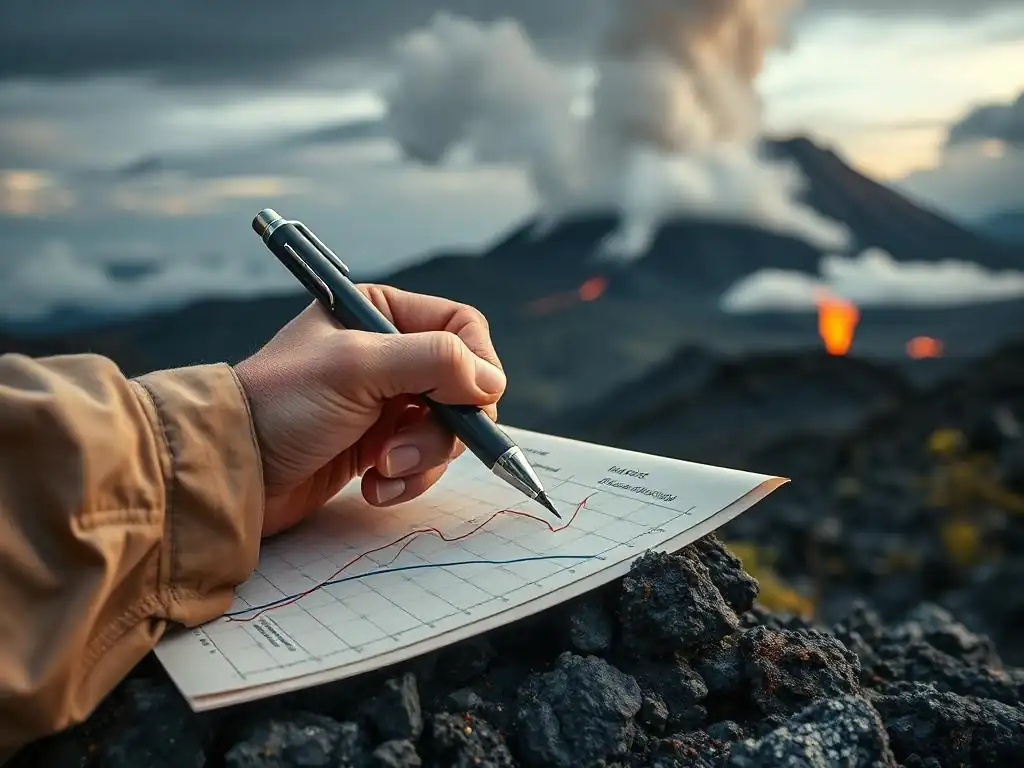
Official Sources for Real-Time Volcano Updates: USGS Volcano Hazards Program
During a volcano orange alert, relying on official and credible sources for information is paramount. The primary source for real-time volcano updates in the United States is the USGS Volcano Hazards Program. Their website, volcanos.usgs.gov, provides comprehensive information on volcanic activity across the country, including Mount Rainier. This website offers up-to-date alert levels, volcano monitoring data, maps of potential hazards, and official statements from volcanologists. It is the most reliable source for accurate and timely information regarding volcanic activity.
The USGS also utilizes social media platforms, such as Twitter, to disseminate rapid updates and announcements. Following the USGS Volcanoes account (@USGSVolcanoes) can provide immediate notifications of changes in alert levels or significant volcanic events. Local emergency management agencies, such as county and city emergency services, are also official sources of information during a volcano emergency. They often relay USGS information and provide localized guidance and instructions to residents. It is crucial to prioritize these official channels to avoid misinformation and ensure you are receiving accurate and actionable information during a volcano orange alert.
Understanding Volcanologist Reports and Predictions
Volcanologist reports and predictions are based on the interpretation of complex monitoring data and scientific understanding of volcanic processes. During an orange alert, the USGS will issue regular volcano activity updates, often including Volcano Observatory Notices for Aviation (VONA) and Volcano Activity Notices (VAN). These reports summarize the current state of the volcano, the data being observed, and the volcanologists' assessment of the situation. They may include interpretations of seismic activity patterns, ground deformation measurements, gas emission data, and any other relevant observations.
While these reports provide the best scientific understanding of the situation, it is important to recognize that volcano predictions are not always precise. Volcanoes are inherently complex and can exhibit unpredictable behavior. Volcanologists use probabilistic assessments to estimate the likelihood of an eruption within a given timeframe, but these are probabilities, not guarantees.
Pay attention to the trends and changes described in the reports. For instance, a report indicating an increasing rate of ground deformation or a sustained increase in seismicity would be more concerning than stable or slowly changing parameters. Understanding the context and the uncertainties inherent in volcano predictions is important for interpreting volcanologist reports effectively.
The USGS Volcano Hazards Program website offers a wealth of tools and resources for monitoring volcano activity. The website's interactive maps display the locations of active volcanoes and provide access to real-time monitoring data, including seismic plots, ground deformation graphs, and gas emission data. For Mount Rainier, you can specifically access the Cascades Volcano Observatory section for detailed information and data specific to this volcano. Explore the website to familiarize yourself with the different types of data presented and how they are interpreted.
Beyond the website, the USGS social media presence, particularly on Twitter (@USGSVolcanoes), provides rapid updates and links to more detailed information. Many local and regional emergency management agencies also utilize social media and websites to disseminate volcano-related information. Sign up for email alerts or SMS notifications from official sources, if available, to receive immediate warnings and updates directly. Familiarizing yourself with these online resources and tools beforehand will enable you to efficiently access and understand volcano monitoring information during an orange alert, allowing you to stay informed and make informed decisions about your safety.
Potential Hazards During an Orange Alert: Preparing for the Worst
Understanding Ashfall Hazards and Mitigation Strategies
Volcanic ashfall is a significant hazard during an eruption, and preparing for ashfall is crucial during a Mount Rainier orange alert. Volcanic ash is not like typical fireplace ash; it is composed of fine particles of rock, mineral, and volcanic glass. Ashfall can extend for hundreds of miles downwind from an erupting volcano, impacting areas far beyond the immediate vicinity. Even a relatively small ashfall event can cause significant disruptions and health concerns. Ash can irritate the eyes, nose, throat, and lungs, especially for individuals with respiratory conditions like asthma or bronchitis.
Mitigation strategies for ashfall include staying indoors if possible and closing windows and doors to minimize ash entry into buildings. If you must go outside, wear a properly fitted N95 respirator mask to protect your lungs and goggles to protect your eyes. Cover exposed skin to prevent irritation. Protect electronic equipment by covering computers and other sensitive devices.
Be prepared for potential power outages and disruptions to transportation. If you live in an area prone to heavy ashfall, consider reinforcing roofs of buildings, as accumulated ash can be surprisingly heavy. Stockpiling water and food is also important, as ashfall can contaminate water supplies and disrupt food distribution. Understanding ashfall hazards and implementing mitigation strategies are essential components of volcano orange alert preparation.
Preparing for Potential Lahars (Mudflows) in the Puyallup and Nisqually River Valleys
Lahars, or volcanic mudflows, are one of the most dangerous hazards associated with Mount Rainier, and preparing for them is critical, particularly for communities in the Puyallup and Nisqually River valleys. Lahars are rapid flows of water, rock, mud, and debris that can travel down river valleys at high speeds, destroying everything in their path. Mount Rainier's extensive glacial ice and steep slopes make it particularly prone to lahars, even from relatively small eruptions or heavy rainfall events. The Puyallup and Nisqually River valleys are historically lahar pathways and face significant risk.
Preparation for lahars during an orange alert involves understanding your location relative to potential lahar pathways and evacuation zones. Pierce and King Counties have designated lahar hazard zones, and residents in these areas should be particularly vigilant during an orange alert. Develop evacuation plans that account for lahar hazards, knowing your evacuation routes and designated safe zones outside of lahar pathways.
Listen for official warnings and alerts, which will be disseminated through emergency alert systems and local media. If a lahar warning is issued, evacuate immediately to higher ground outside of designated lahar zones. Raising your home off the ground or constructing lahar defenses may be considered for long-term mitigation in high-risk areas, but immediate evacuation is the primary safety measure during a lahar event.
Recognizing Signs of Pyroclastic Flows and Surges
Pyroclastic flows and surges are extremely dangerous volcanic hazards, though they are less likely to extend as far down valleys as lahars. Pyroclastic flows are ground-hugging avalanches of hot gas and volcanic debris that can travel at very high speeds, incinerating or burying everything in their path. Pyroclastic surges are similar but less dense, and can spread more widely, affecting areas beyond the immediate flow path. While Mount Rainier's eruption history suggests lahars are a more frequent and widespread hazard, understanding pyroclastic flow and surge risks is still important during an orange alert.
Recognizing signs of potential pyroclastic activity is crucial, although warnings may be very short-lived. Signs could include rapidly escalating explosive eruptions, the formation of eruption columns that collapse or become unstable, and the observation of billowing clouds of ash and gas descending the volcano's flanks. If you are close to Mount Rainier and observe these signs during an orange alert, seek immediate shelter inside a sturdy building, away from windows and exterior walls.
If outdoors and evacuation is possible, move perpendicular to the potential flow path, away from valleys and downslope areas. Pyroclastic flows and surges are incredibly destructive and fast-moving, emphasizing the importance of heeding official warnings and seeking robust shelter if these hazards become imminent.
Community Preparedness: Working Together During a Mount Rainier Orange Alert
Participating in Local Emergency Preparedness Drills
Community preparedness is vital for effectively responding to a Mount Rainier orange alert, and participating in local emergency preparedness drills is a key component. Many communities in the Puget Sound region conduct drills and exercises simulating various emergency scenarios, including volcanic events. These drills provide valuable opportunities to practice emergency plans, test communication systems, and build community resilience. Participating in these drills allows individuals and families to become familiar with evacuation routes, shelter locations, and emergency procedures in a non-stressful environment.
Drills also help identify weaknesses in emergency plans and response systems, allowing for improvements before a real event occurs. They foster coordination between emergency responders, local government agencies, community organizations, and residents. Look for announcements of emergency preparedness drills in your community, often publicized by local emergency management agencies, neighborhood associations, or community centers. Encourage your family and neighbors to participate. Active participation in drills enhances individual and community readiness, improving the overall response capacity during a volcano orange alert and potential eruption.
Communicating with Neighbors and Sharing Information
Effective communication within neighborhoods is essential during a Mount Rainier orange alert. Establish communication networks with your neighbors before an emergency occurs. This could involve creating a neighborhood contact list, using group messaging apps, or designating neighborhood meeting points. During an orange alert, share official information and updates with your neighbors, particularly those who may have limited access to official sources or who are elderly or have disabilities. Check on vulnerable neighbors to ensure they are aware of the alert and have the resources and support they need.
Share preparedness tips and best practices within your neighborhood. Coordinate assistance for neighbors who may require help with evacuation or acquiring supplies. However, be mindful of spreading rumors or unverified information. Always rely on official sources for accurate details and guidance. Neighborhood communication networks can significantly enhance community resilience by ensuring information reaches everyone, fostering mutual support, and facilitating coordinated responses at the local level during a volcano orange alert.
Supporting Local Emergency Response Teams
During a Mount Rainier orange alert, local emergency response teams, including fire departments, police, search and rescue, and emergency medical services, will be working diligently to protect the community. Supporting these teams is crucial for effective emergency response. The most important way to support emergency responders is to follow their instructions and heed evacuation orders promptly and safely. Avoid calling 911 for non-emergency inquiries, as this can overload emergency communication systems. Use designated non-emergency information lines or websites for general questions.
Volunteer opportunities may arise during or after a volcanic event. Check with local volunteer organizations or emergency management agencies for ways to assist with community support efforts, such as assisting at shelters or distributing supplies. If you have specific skills, such as medical training or communication expertise, consider registering with local volunteer organizations beforehand. Respect the authority of emergency responders and allow them to focus on their critical tasks. Community cooperation and support for emergency response teams are vital for ensuring effective and coordinated emergency management during a Mount Rainier orange alert.
Evacuation Procedures During an Orange Alert: Know Your Routes
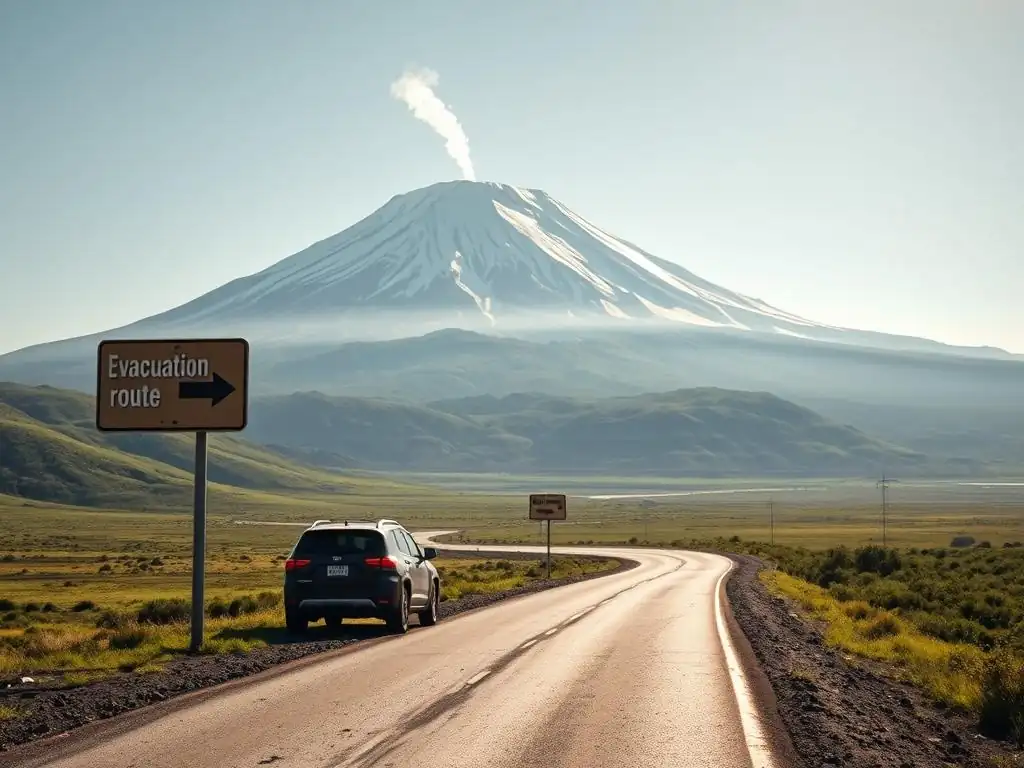
Understanding Evacuation Orders and Zones for Pierce and King Counties
During a Mount Rainier orange alert, understanding evacuation orders and zones for Pierce and King Counties is crucial, especially for residents living in designated hazard areas, particularly lahar zones. Emergency management agencies in these counties have pre-defined evacuation zones based on potential volcanic hazards. These zones are often categorized by risk level and may be designated with letters or numbers. Familiarize yourself with the evacuation zones in your area by consulting Pierce County and King County Emergency Management websites or contacting their offices directly.
Evacuation orders will be issued by county emergency management officials through various channels, including emergency alert systems, radio, television, and social media. Pay close attention to the specific evacuation orders for your zone. Evacuation orders may be voluntary or mandatory, depending on the assessed risk level and the evolving volcanic situation.
Understand the difference between "evacuate now" orders, which require immediate evacuation, and "prepare to evacuate" advisories, which signal the need to be ready to leave at short notice. Knowing your evacuation zone and understanding how evacuation orders are issued are essential for responding effectively during a Mount Rainier orange alert.
Pre-Planning Your Evacuation Route and Alternative Routes
Pre-planning your evacuation route and identifying alternative routes are critical components of volcano orange alert preparation. For residents in lahar hazard zones, evacuation routes will typically lead to higher ground outside of designated lahar pathways. Pierce and King County emergency management agencies provide maps of evacuation routes and safe zones. Study these maps and identify the primary and alternative evacuation routes from your home, workplace, and children's schools or daycare. Practice driving your evacuation routes, especially during different times of day to account for traffic variations.
Consider potential road closures due to lahars, ashfall, or other volcanic hazards when planning your routes. Identify alternative routes in case your primary route becomes blocked. Have paper maps available in your vehicle in case electronic navigation systems become unavailable due to power outages or network disruptions. Discuss evacuation routes with your family and ensure everyone knows the planned routes and meeting points. Pre-planning evacuation routes reduces confusion and delays during a volcano orange alert, facilitating a safer and more efficient evacuation if necessary.
Preparing Your Vehicle for Evacuation
If evacuation becomes necessary during a Mount Rainier orange alert, ensure your vehicle is prepared for potential challenges. Keep your vehicle's gas tank at least half full at all times, and consider filling it completely when an orange alert is issued. Check your vehicle's fluid levels, tire pressure, and overall mechanical condition to ensure it is in good working order. Assemble a vehicle emergency kit that includes items such as jumper cables, a first-aid kit, blankets, a flashlight, extra batteries, a tool kit, and a shovel.
During an orange alert, pack your go-bag and other essential supplies into your vehicle, ensuring they are easily accessible. If you have pets, secure them safely in carriers within the vehicle. When evacuating, drive cautiously and follow designated evacuation routes. Be prepared for potential traffic congestion and delays. Monitor radio traffic reports for updates on road conditions and traffic flow. A well-maintained and prepared vehicle, along with pre-planned evacuation routes, significantly enhances your ability to evacuate safely and efficiently during a Mount Rainier volcano orange alert.
Long-Term Preparedness: Living Near Mount Rainier
Building a Resilient Community: Investing in Infrastructure and Early Warning Systems
Long-term preparedness for living near Mount Rainier requires building a resilient community through sustained investment in infrastructure and early warning systems. Strengthening infrastructure includes improving roads and bridges, particularly evacuation routes in lahar hazard zones, to withstand volcanic hazards and ensure reliable transportation during emergencies. Investing in robust communication systems, including backup power for emergency communication networks and redundant communication pathways, is crucial for disseminating warnings and coordinating emergency response.
Enhancing early warning systems involves continuous improvement of volcano monitoring networks, including deploying more seismic sensors, GPS stations, and gas monitoring equipment around Mount Rainier. Developing and refining lahar detection systems in river valleys, capable of providing timely warnings of approaching lahars, is essential for communities at risk. Public education and outreach programs, promoting volcano awareness and preparedness, are also vital long-term investments. Building a resilient community requires ongoing commitment and collaboration between government agencies, scientific institutions, community organizations, and residents to mitigate volcanic risks effectively and ensure long-term safety.
Educating Future Generations About Volcano Safety
Educating future generations about volcano safety is a critical aspect of long-term preparedness for communities living near Mount Rainier. Integrating volcano science and safety education into school curricula, from elementary through high school levels, ensures that young people understand the volcanic risks and how to prepare for them. Educational programs should cover topics such as volcano types, eruption processes, volcanic hazards specific to Mount Rainier (ashfall, lahars, pyroclastic flows), volcano alert levels, and emergency preparedness measures.
Engaging youth through interactive activities, field trips to volcano observatories or volcanic landscapes, and presentations by volcanologists can enhance learning and interest. Community outreach programs targeting families and youth groups, such as workshops, presentations, and educational materials, can reinforce volcano safety messages beyond the school setting. By educating future generations, communities can ensure a long-term culture of volcano awareness and preparedness, empowering young people to become informed and responsible citizens capable of protecting themselves and their communities from volcanic hazards.
Understanding Volcanic Risk Assessments and Land Use Planning
Understanding volcanic risk assessments and incorporating them into land use planning is essential for long-term risk reduction in areas surrounding Mount Rainier. Volcanic risk assessments, conducted by the USGS and other scientific organizations, identify and map areas prone to different volcanic hazards, such as lahar inundation zones, ashfall zones, and areas potentially affected by pyroclastic flows. These risk assessments provide crucial information for informed land use planning decisions.
Land use planning should consider volcanic hazard zones when developing zoning regulations, building codes, and infrastructure development plans. Discouraging or restricting development in high-risk areas, particularly lahar inundation zones, can significantly reduce future vulnerability. Implementing building codes that require structures in ashfall zones to be more resistant to ash loading can minimize damage. Developing evacuation routes and safe zones outside of hazard areas, and ensuring these areas remain undeveloped, is also crucial. Integrating volcanic risk assessments into land use planning promotes safer and more sustainable development around Mount Rainier, reducing long-term vulnerability to volcanic hazards.
Staying Safe After Mount Rainier Returns to Lower Alert Levels
Assessing Damage and Returning Home Safely
Even after Mount Rainier returns to lower alert levels following a period of unrest or a minor eruption, caution and safety remain paramount. Before returning home after an evacuation, wait for official clearance from emergency management agencies. Authorities will need to assess the area for safety and ensure that it is safe for re-entry. When returning home, be aware of potential hazards that may still exist, such as structural damage to buildings, downed power lines, unstable ground, and lingering volcanic ash.
Inspect your home carefully for damage before entering. Check for gas leaks, electrical hazards, and structural weaknesses. If there is significant damage, do not enter until it has been assessed by qualified professionals. Use caution when moving debris, as it may contain sharp objects or hazardous materials. Document any damage for insurance purposes. Returning home safely after a volcano event requires patience, caution, and adherence to official guidance to minimize risks and ensure personal safety.
Dealing with Ashfall and Other Residual Hazards
Even after volcanic activity subsides and Mount Rainier returns to lower alert levels, communities may still face residual hazards, particularly ashfall. Volcanic ash can persist in the environment for extended periods and continue to pose health and infrastructure challenges. Continue to use dust masks and eye protection when outdoors in areas with significant ashfall, especially during windy conditions when ash can be resuspended. Clean ash from roofs and gutters to prevent structural damage and drainage problems, but do so carefully, using proper safety equipment and techniques to avoid falls.
Avoid driving in heavy ashfall if possible, as ash can reduce visibility and traction and damage vehicle engines. If driving is necessary, drive slowly and cautiously. Be aware of potential contamination of water supplies from ashfall. Follow official guidance on water safety and treatment. Clean up ash from outdoor areas, sidewalks, and roadways to prevent it from being tracked indoors and to minimize respiratory hazards. Dealing with ashfall and other residual hazards requires ongoing vigilance and community effort even after the immediate volcanic threat has diminished.
Supporting Community Recovery Efforts
The recovery process after a volcanic event, even one that does not result in a major eruption, can be lengthy and challenging for communities. Supporting community recovery efforts is crucial for long-term resilience. Volunteer your time and skills to assist with cleanup efforts, debris removal, and community rebuilding projects. Support local businesses and organizations that have been affected by the volcanic event. Donate to reputable disaster relief organizations that are assisting with recovery efforts in the affected areas.
Participate in community meetings and forums to contribute to recovery planning and decision-making processes. Be patient and understanding as individuals and communities work to rebuild and recover. Provide emotional support to neighbors and friends who may be struggling to cope with the aftermath of the volcanic event. Community recovery is a collective effort that requires sustained engagement, cooperation, and mutual support to ensure long-term healing and resilience after a volcano orange alert and potential volcanic impacts.
Frequently Asked Questions
What does a volcano orange alert signify?
An orange alert indicates increased volcanic activity and a heightened potential for eruption. This means the volcano is exhibiting signs of unrest beyond normal background levels, requiring increased monitoring and preparation.
What immediate actions should be taken when a volcano goes to orange alert?
Immediately, review your emergency plan and gather essential supplies. Stay informed about the latest updates from official sources, like local authorities and VolcanoExplorers.org.
How is an orange alert different from a red alert?
An orange alert signifies a high probability of eruption, while a red alert means an eruption is imminent or already occurring. The level of urgency and evacuation preparedness is significantly higher during a red alert.
What kind of volcanic activity might trigger an orange alert?
Increased activity such as intense steam or gas release, small explosions, or ground deformation can trigger an orange alert. These signs suggest magma is moving closer to the surface.
Where can I find reliable information about volcano orange alert preparation?
VolcanoExplorers.org offers safety guides and evacuation tips specifically designed for those living near active volcanoes. You can also find information from your local emergency management agencies.
Final Reflection: Embracing Uncertainty in the Face of Volcanic Threat
The preceding exploration of volcano orange alert preparation underscores a critical truth: nature's power is both awe-inspiring and unpredictable. While scientific advancements allow us to monitor volcanic activity with increasing precision, the inherent uncertainty surrounding eruptions necessitates proactive planning and community resilience. The lessons learned from understanding the implications of an orange alert are not merely academic; they are vital for safeguarding lives and livelihoods in vulnerable regions.
The ongoing influence of volcanic activity, and our preparedness for it, shapes not only the physical landscape but also the social fabric of communities living near these geological giants. My own understanding of the delicate balance between human life and natural forces has deepened through this exploration, highlighting the crucial role of education and communication in fostering a culture of preparedness. The only constant is change,
a sentiment that resonates deeply when considering the dynamic nature of volcanoes and the ever-evolving strategies for mitigating their risks.
As you reflect on the information presented, consider how you might apply these principles of preparedness in your own life, regardless of your proximity to a volcano. Cultivating a mindset of proactive planning, fostering community resilience, and embracing the importance of clear communication are valuable assets in navigating any unexpected challenge. Let us strive to be informed, prepared, and ultimately, respectful stewards of the planet we share, ready to face the unknown with knowledge and courage.
Okay, here's a CTA for the end of the article "What Happens When a Volcano Goes to Orange Alert? Preparing for the Unknown." for Volcano Explorers (volcanoexplorers.org):
Unearth Your Inner Volcano Preparedness!
Thanks for diving deep into the world of volcano alerts! We hope you now feel more informed about the crucial steps taken when a volcano shifts to orange and how to stay safe. Now it's time to transform that knowledge into action.
Here are a few things you can do right now:
- Boldly review your family's emergency preparedness plan, focusing specifically on volcanic hazards and evacuation routes. Make sure everyone understands it!
- Share this article with your friends and family who live in volcanic regions. Knowledge is power, especially when it comes to safety.
- Challenge yourself to research your local volcano's monitoring data and historical activity. Knowing its unique characteristics can help you better interpret future alerts.
What specific steps are you taking today to enhance your volcanic preparedness, and what resources do you find most helpful? Share your thoughts in the comments below!