
Phreatic Eruptions and Climate: The Unseen Impact of Steam Volcanoes

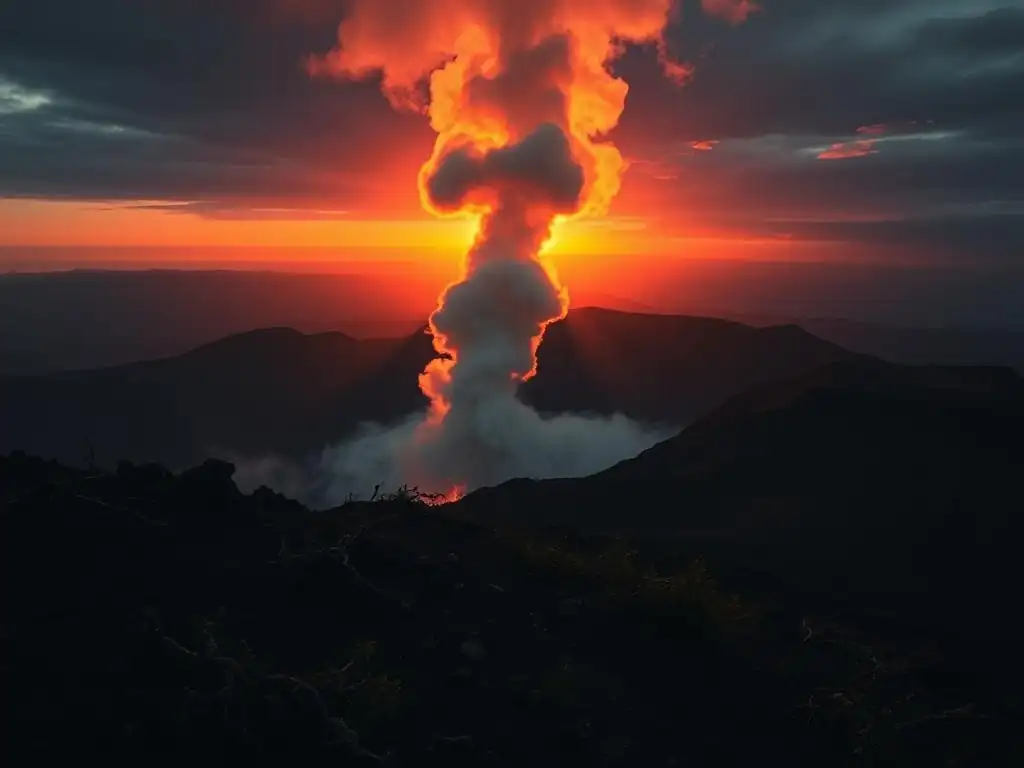
Welcome to Volcano Explorers, where the earth's fiery secrets are brought to light. But have you ever considered the unseen climate impact of phreatic eruptions, the steam-driven explosions that often go unnoticed? Journey with us as we delve into this fascinating and often overlooked aspect of volcanic science, uncovering the surprising ways these seemingly minor events can ripple through our atmosphere. Prepare to be amazed.
- Introduction: Understanding Phreatic Eruptions
- Phreatic Eruptions: A Deep Dive into the Science
- The Climate Impact of Phreatic Eruptions: Unveiling the Connection
- Analyzing the Climate Effects of Steam Volcanoes
- Phreatic Eruptions and Global Climate Change: A Complex Relationship
- Assessing the Risks of Phreatic Eruptions
- Conclusion: The Importance of Studying Phreatic Eruptions for Climate Understanding
-
Frequently Asked Questions
- What exactly is a phreatic eruption, and how does it differ from other types of volcanic eruptions?
- How do phreatic eruptions typically impact the climate, especially compared to larger, more explosive eruptions?
- What are the primary dangers associated with phreatic eruptions, particularly for communities living near active volcanoes?
- How do volcanologists monitor and predict phreatic eruptions, considering they often occur without obvious warning signs?
- Can phreatic eruptions have any long-term effects on local ecosystems, even if their global climate impact is minimal?
- Final Reflection: Unveiling the Silent Threat
- Unearth the Power Within: Become a Citizen Scientist!
Introduction: Understanding Phreatic Eruptions
What are Phreatic Eruptions? A Definition
Phreatic eruptions, often referred to as steam-blast eruptions, are a type of volcanic explosion resulting from the interaction of magma or hot volcanic rocks with water. Unlike magmatic eruptions, which involve the direct eruption of molten rock, phreatic eruptions are characterized by the ejection of steam, water, rocks, ash, and volcanic debris, without the emission of fresh lava.
The driving force behind these eruptions is the intense heating and flashing of water into steam, which rapidly expands and causes explosions. Essentially, a phreatic eruption is a hydrothermal explosion where water is the primary eruptive agent, superheated by volcanic heat sources beneath the surface.
These eruptions can range dramatically in scale, from minor, localized bursts of steam and ash to significant explosions capable of hurling rocks and debris over considerable distances. The materials ejected are typically fragments of pre-existing rock from the volcano's edifice, hydrothermal minerals, and condensed steam. Crucially, the lack of juvenile volcanic material (fresh magma) in the ejecta is a defining characteristic that distinguishes phreatic eruptions from other types of volcanic activity. This absence is key to understanding their often-underestimated impact and their specific relationship with climate.
The Role of Steam in Phreatic Volcanic Activity
Steam is the central player in phreatic volcanic activity. The process begins when groundwater, surface water (like lakes or rivers), or even snow and ice come into contact with hot volcanic materials beneath the Earth's surface. This heat source can be magma itself, hot solidified rock from previous eruptions, or even intensely heated ground in geothermal areas. The water, upon encountering these high temperatures, is rapidly heated beyond its boiling point. Confined under pressure within the subsurface, it transitions almost instantaneously into steam.
This rapid phase change from liquid water to gaseous steam results in a significant volume expansion. Water, when converted to steam, can increase in volume by over a thousand times at atmospheric pressure. This sudden expansion generates immense pressure within the surrounding rock and soil.
When the pressure exceeds the strength of the overlying materials, a violent explosion occurs. The steam, along with fragmented rocks and ash, is forcefully ejected into the atmosphere. The intensity of a phreatic eruption is directly related to the amount of water involved, the temperature of the heat source, and the confinement pressure within the volcanic system.
Why Phreatic Eruptions Are Often Overlooked
Phreatic eruptions are frequently overshadowed by their more dramatic and widely recognized counterparts, magmatic and explosive eruptions that spew lava, ash, and volcanic gases high into the atmosphere. One primary reason for this is their perceived scale. Phreatic eruptions are often smaller in magnitude and shorter in duration compared to Plinian or Strombolian eruptions, which can have global impacts and leave lasting geological records in the form of extensive ash deposits and lava flows. The lack of significant fresh magma emission also contributes to them being seen as less "volcanic" in the traditional sense.
Another factor is the less visually spectacular nature of many phreatic events. They often lack the towering ash plumes and glowing lava flows associated with other eruption types. Instead, they might manifest as sudden steam explosions, mudflows, or relatively low-altitude ejections of debris.
Furthermore, the scientific focus in volcanology has historically been heavily weighted towards understanding magmatic processes due to their direct link to the Earth's mantle and their more obvious and widespread impacts on geological and climatological systems. However, overlooking phreatic eruptions is a mistake, especially when considering their potential hazards in geothermal areas and their subtle, yet important, interactions with the local environment and climate.
Phreatic Eruptions: A Deep Dive into the Science
The Mechanics of Phreatic Explosions: Water Meets Magma or Hot Rock
The mechanics of phreatic explosions are fundamentally driven by heat transfer and phase change. Imagine a scenario where groundwater permeates through fractured rocks and encounters a body of hot magma residing beneath the surface, or even just intensely heated rocks from a recent, but not actively erupting, magmatic system. The temperature of this heat source can range from several hundred to over a thousand degrees Celsius, significantly exceeding the boiling point of water. As water comes into contact with these extremely hot materials, heat is rapidly transferred to the water.
This rapid heat transfer causes the water to superheat, meaning its temperature rises far above the standard boiling point of 100°C (212°F) at sea level, while still remaining in a liquid state due to the confining pressure of the surrounding rocks. However, this superheated state is inherently unstable. When the pressure is reduced, or when a nucleation point for boiling occurs (perhaps due to a fracture or impurity), the superheated water violently flashes into steam.
This process, known as explosive boiling or steam explosion, is extremely rapid, occurring in milliseconds. The resulting steam expands forcefully, shattering the surrounding rocks and propelling fragments, ash, and water into the air. The efficiency of this explosion is highly dependent on the rate of heat transfer, the pressure environment, and the volume of water involved.
Distinguishing Phreatic Eruptions from Other Volcanic Eruptions
Differentiating phreatic eruptions from other types of volcanic eruptions, particularly phreatomagmatic and magmatic eruptions, is crucial for hazard assessment and understanding volcanic processes. The key distinction lies in the erupted material. Phreatic eruptions, by definition, eject primarily non-juvenile material – that is, no fresh magma.
The ejecta consists of fragmented pre-existing rocks from the volcanic edifice, hydrothermal minerals altered by volcanic fluids, and steam. In contrast, magmatic eruptions involve the eruption of molten rock (lava or tephra) that originates directly from the magma chamber. Phreatomagmatic eruptions are a hybrid, involving the interaction of magma and water, resulting in the eruption of both juvenile magmatic material and non-juvenile debris, often characterized by finer ash particles due to the explosive fragmentation caused by magma-water interaction.
Another differentiating factor is the eruption plume composition. Magmatic eruptions typically release significant amounts of volcanic gases like sulfur dioxide (SO2), carbon dioxide (CO2), and water vapor directly from the magma. These gases can be detected by remote sensing instruments and are indicators of magma degassing. Phreatic eruptions, on the other hand, are characterized by plumes composed mainly of steam and entrained ash and rock fragments.
While they may contain some volcanic gases that were already present in the hydrothermal system, they lack the signature gas emissions directly from degassing magma. Geological deposits also differ. Magmatic eruptions leave behind lava flows, pumice deposits, and layers of volcanic ash containing volcanic glass shards. Phreatic eruption deposits are typically poorly sorted, consisting of angular rock fragments, mud, and hydrothermal alteration products, lacking the characteristic glassy texture of magmatic tephra.
Common Locations for Phreatic Activity: Geothermal Areas and Crater Lakes
Phreatic eruptions are particularly common in specific geological settings where water and volcanic heat sources are in close proximity. Geothermal areas are prime locations for phreatic activity. These regions are characterized by high heat flow from the Earth's interior, often associated with active or recently active volcanic systems.
Groundwater in geothermal areas is heated to high temperatures and circulates through fractured rocks, creating hydrothermal systems. Any sudden pressure change, influx of water, or increase in heat input can trigger phreatic explosions within these systems. Famous geothermal areas like Yellowstone National Park in the United States, and regions in Iceland and New Zealand, are known for frequent phreatic activity, ranging from geysers and hot springs to more energetic steam explosions and mud volcanoes.
Crater lakes situated within volcanic craters are another common setting for phreatic eruptions. These lakes accumulate water directly above or within the hydrothermal system of a volcano. The water in these lakes can be heated by volcanic gases and heat flow from below. Disturbances such as landslides into the lake, changes in hydrothermal activity, or even seismic events can destabilize the system and trigger phreatic explosions.
The crater lake itself provides a readily available source of water for interaction with volcanic heat. Examples include Poás Volcano in Costa Rica, known for its active crater lake and recurring phreatic eruptions, and Taal Volcano in the Philippines, where phreatic explosions from its crater lake have posed significant hazards. Furthermore, any area with shallow hydrothermal systems, such as fumarole fields and hot spring areas associated with volcanoes, is susceptible to phreatic eruptions.
The Climate Impact of Phreatic Eruptions: Unveiling the Connection
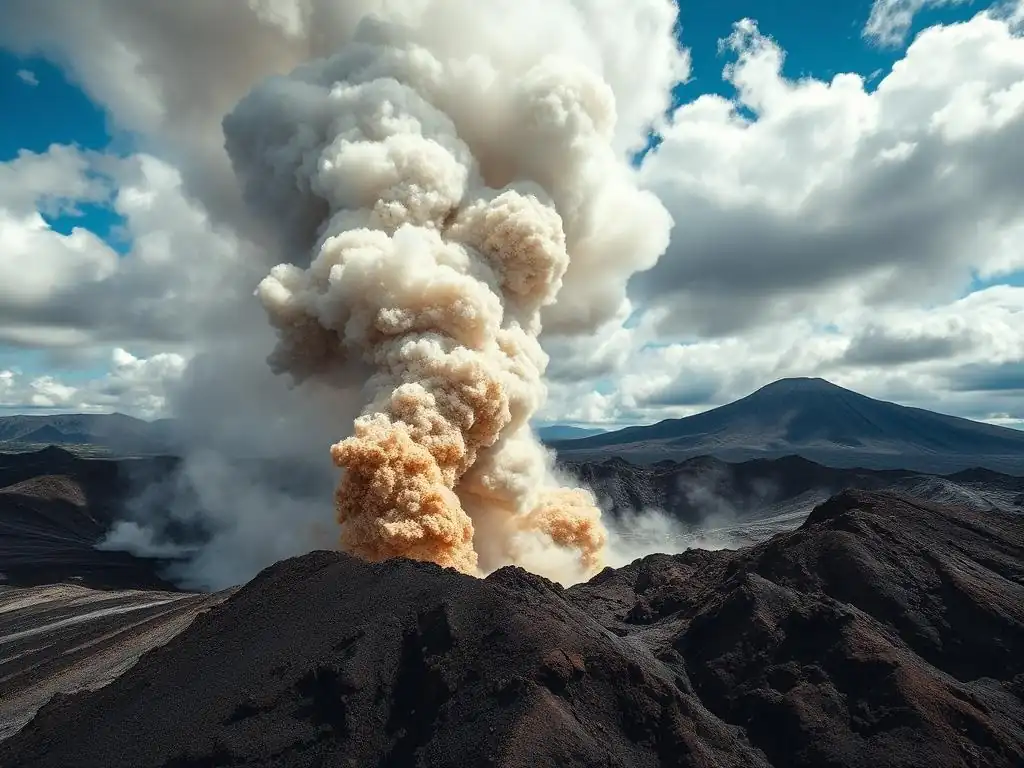
Do Phreatic Eruptions Affect Climate? Addressing the Misconceptions
The question of whether phreatic eruptions affect climate is complex and often misunderstood. Unlike large-scale explosive magmatic eruptions that inject massive quantities of volcanic gases and ash into the stratosphere, phreatic eruptions generally have a negligible direct impact on global climate. The key misconception arises from confusing phreatic eruptions with other types of volcanic events. While major volcanic eruptions can indeed alter global climate patterns by releasing sulfur dioxide, which forms sulfate aerosols that reflect sunlight and cool the planet, phreatic eruptions operate on a different principle and scale.
Phreatic eruptions primarily involve the explosive ejection of steam, water, and pre-existing rock fragments. They do not contribute significant amounts of volcanic gases directly from magma degassing into the atmosphere. Therefore, the mechanisms through which large magmatic eruptions influence global climate – stratospheric aerosol injection and radiative forcing changes – are largely absent in typical phreatic eruptions. However, this does not mean phreatic eruptions are entirely without environmental consequence. Their impact is primarily localized and manifests in different forms, affecting regional and local environments rather than the global climate system in the same way as major volcanic events.
Limited Atmospheric Emissions: A Key Difference from Magmatic Eruptions
The limited atmospheric emissions of phreatic eruptions are the primary reason for their minimal direct impact on global climate. Magmatic eruptions, particularly those with high explosivity, release vast quantities of volcanic gases, including sulfur dioxide (SO2), water vapor (H2O), carbon dioxide (CO2), and halogens, directly from the degassing magma. Sulfur dioxide is particularly important for climate because, upon reaching the stratosphere, it reacts to form sulfate aerosols.
These aerosols are highly reflective and can scatter incoming solar radiation back into space, leading to a temporary cooling effect on global temperatures. Large eruptions like the 1815 Tambora eruption in Indonesia caused a noticeable global cooling due to this mechanism.
In contrast, phreatic eruptions are driven by the flashing of water to steam. While they do eject water vapor into the atmosphere, this is essentially just recycled water from the hydrosphere. They do not introduce significant new volcanic gases from the Earth's mantle into the atmosphere.
Any gases present in a phreatic eruption are typically those already dissolved in the groundwater or hydrothermal system, which are often in much smaller quantities and different compositions compared to magmatic gases. Therefore, the crucial component for global climate impact – the injection of large amounts of sulfur dioxide into the stratosphere – is largely absent in phreatic eruptions. This fundamental difference in gas emission explains why phreatic eruptions are not considered major players in global climate regulation in the same way as large magmatic eruptions.
Localized Climate Effects: Rainfall, Mudflows, and Temperature Changes
While phreatic eruptions have a limited direct impact on global climate, they can induce significant localized environmental and climate effects. One notable effect is on local rainfall patterns. The sudden ejection of large volumes of steam and water vapor into the atmosphere can, under certain atmospheric conditions, contribute to increased local precipitation. The added moisture can enhance cloud formation and potentially lead to localized increases in rainfall downwind of the eruption site, at least in the short term immediately following the event.
Furthermore, phreatic eruptions are often associated with mudflows, also known as lahars. These are mixtures of volcanic debris, ash, rock fragments, and water that flow rapidly downhill. The water component in lahars can originate from the phreatic eruption itself, from melting snow and ice, or from heavy rainfall triggered by the eruption. Lahars can significantly alter local landscapes, river systems, and drainage patterns, indirectly affecting local hydrology and water availability.
In terms of temperature changes, phreatic eruptions can cause localized ground temperature variations. The removal of overlying material during an eruption can expose hotter subsurface rocks, leading to increased ground temperatures in the immediate vicinity. Conversely, the deposition of cool mud and debris can temporarily lower surface temperatures. These localized effects, while not globally significant, can have substantial impacts on the immediate environment, ecosystems, and human communities living near areas prone to phreatic activity.
Analyzing the Climate Effects of Steam Volcanoes
Case Studies: Examining Past Phreatic Eruptions and Their Environmental Impact
To understand the localized climate and environmental impacts of phreatic eruptions, examining specific case studies is crucial. While large datasets on the precise climate effects of individual phreatic eruptions are limited, analyzing past events provides valuable insights. It's important to note that "climate effects" in this context primarily refer to localized environmental changes rather than global climate shifts.
The Ontake Eruption (2014): A Case Study of Local Climate Effects
The 2014 phreatic eruption of Mount Ontake in Japan serves as a compelling case study for examining localized climate effects. This eruption, which occurred unexpectedly, was characterized by a sudden steam explosion that ejected ash, rocks, and hot gas. While the eruption was tragic due to the number of hikers caught off guard, its direct climate impact was minimal on a global scale.
However, locally, the eruption had several environmental consequences. The deposition of ash and volcanic debris significantly altered the landscape around the summit of Mount Ontake. Vegetation was covered, and soil properties were changed by the ashfall.
While not directly related to long-term climate, this deposition had short-term effects on local ecosystems and potentially influenced surface runoff and water infiltration in the affected area. Anecdotal reports also suggested localized increases in rainfall in the days following the eruption, possibly linked to the increased atmospheric moisture from the steam release, although detailed meteorological data directly attributing this to the eruption is scarce. The primary impact of Ontake on the environment was through the physical disruption and deposition of material, rather than through significant long-term alterations to local climate patterns.
The Whakaari/White Island Eruption (2019): A Deadly Phreatic Blast
The 2019 Whakaari/White Island eruption in New Zealand is another tragic example of a phreatic eruption with localized environmental consequences. This eruption, also sudden and unexpected, was a powerful steam-blast explosion from the volcano's active crater. Whakaari/White Island is a highly active hydrothermal system, and the eruption ejected hot steam, gas, ash, and rocks over a wide area.
Similar to Ontake, the global climate impact was negligible. However, the immediate local environment was drastically affected. The eruption blanketed the island and surrounding waters with ash and acidic volcanic materials.
The acidic nature of the volcanic fluids and ash released during phreatic eruptions can have detrimental effects on local water quality and ecosystems. In the case of Whakaari, the marine environment immediately surrounding the island was likely impacted by the influx of acidic materials. While precise measurements of rainfall changes directly attributable to the Whakaari eruption are not readily available, the event highlights the potential for phreatic eruptions to cause significant, albeit localized, environmental disruption through physical impact, ash deposition, and the release of chemically reactive volcanic materials into the immediate vicinity.
Short-Term vs. Long-Term Climate Consequences
The climate consequences of phreatic eruptions are overwhelmingly short-term and localized, especially when contrasted with the potential long-term and global effects of large magmatic eruptions. The primary reason for this is the nature of phreatic eruptions themselves – they are relatively short-lived events driven by steam explosions without significant injection of volcanic gases into the stratosphere. The localized effects, such as changes in rainfall, mudflows, and ground temperature, typically subside relatively quickly after the eruption ceases.
For instance, any increase in local rainfall due to enhanced atmospheric moisture from steam is likely to be transient, lasting only days or weeks at most. Mudflows, while potentially devastating in the short term, are also episodic events, and their long-term impact is more related to landscape modification and sediment deposition rather than sustained climate alteration.
In contrast, the climate effects of large magmatic eruptions, particularly those that inject sulfur dioxide into the stratosphere, can last for months to years. The sulfate aerosols formed in the stratosphere have a relatively long residence time and can persist for several years, reflecting sunlight and causing global cooling. There is no analogous long-term mechanism associated with phreatic eruptions.
Their environmental impacts are primarily felt in the immediate vicinity of the volcano and are related to the physical and chemical consequences of the eruption products, such as ashfall, mudflows, and hydrothermal fluid release. While these localized impacts can be severe and require mitigation efforts, they do not translate into long-lasting or widespread climate changes in the same way that major stratospheric-injecting volcanic eruptions do.
Phreatic Eruptions and Global Climate Change: A Complex Relationship
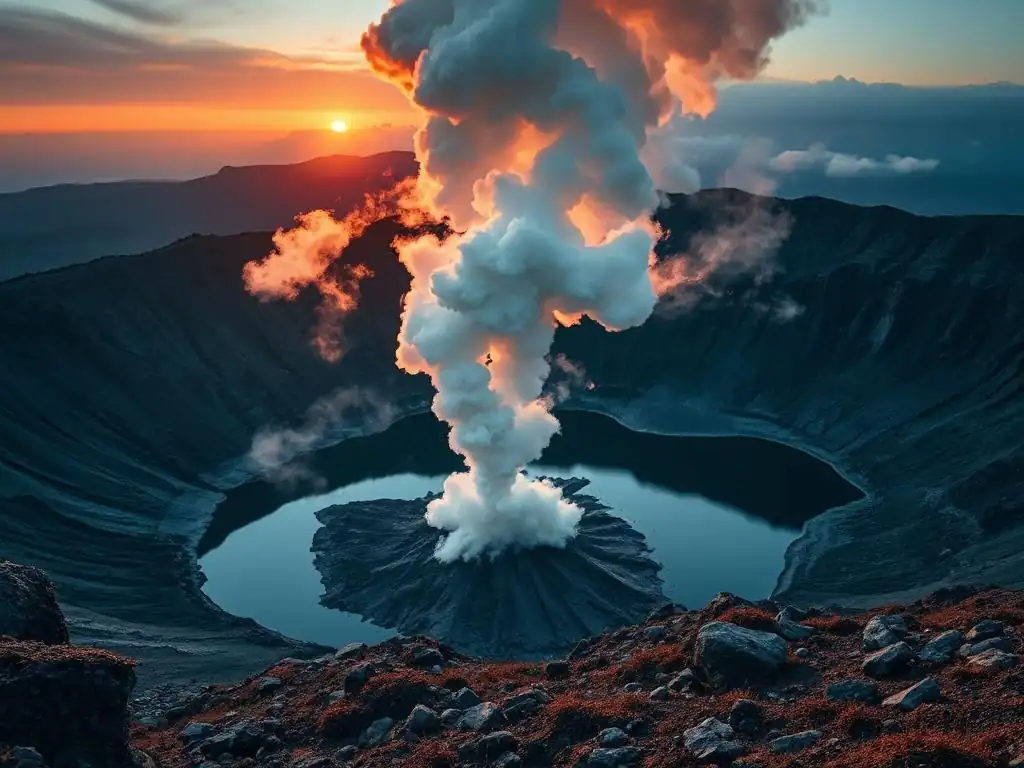
The Indirect Influence of Phreatic Activity on Climate
While phreatic eruptions themselves do not directly drive global climate change in the same way as large magmatic eruptions, they can have indirect influences and complex relationships with broader climate dynamics. One indirect influence is their potential to modify hydrothermal systems. Phreatic activity can alter the permeability and structure of hydrothermal systems within volcanoes and geothermal areas.
These systems play a role in the global geochemical cycling of various elements, including carbon and sulfur. Changes in hydrothermal activity, potentially triggered or influenced by phreatic eruptions, could subtly affect the release of these elements from the Earth's interior over longer timescales. However, the magnitude of this influence is likely to be small compared to other natural and anthropogenic drivers of global geochemical cycles.
Another indirect link is through their association with geothermal energy. Geothermal energy, a renewable energy source, harnesses the Earth's internal heat, often from hydrothermal systems that are also prone to phreatic activity. Increased understanding of phreatic eruption triggers and monitoring techniques in geothermal areas is crucial for the sustainable and safe development of geothermal energy resources. By contributing to safer and more efficient geothermal energy production, research into phreatic eruptions can indirectly support the transition to cleaner energy sources, which is a key factor in mitigating global climate change caused by greenhouse gas emissions from fossil fuels.
Phreatic Eruptions as Indicators of Volcanic Unrest and Potential Larger Eruptions
Phreatic eruptions, though often less dramatic than magmatic eruptions, can serve as important indicators of volcanic unrest and potential escalation towards larger, more impactful volcanic events. An increase in phreatic activity, especially in volcanoes with known magmatic systems, can signal changes in the underlying volcanic plumbing. It might indicate increased heat flow from magma at depth, changes in hydrothermal fluid pressure, or destabilization of the volcanic edifice.
Therefore, monitoring phreatic activity is a crucial component of volcano monitoring programs. Changes in the frequency, intensity, or location of phreatic eruptions can trigger heightened alert levels and further investigation into the volcano's state.
In some cases, phreatic eruptions can precede or accompany larger magmatic eruptions. The interaction of magma with water that drives phreatic explosions can also be a precursor to more explosive phreatomagmatic eruptions, where magma is directly involved in the eruption process. By carefully observing and analyzing phreatic activity, volcanologists can gain valuable insights into the evolving state of a volcano and potentially anticipate and prepare for more hazardous volcanic events, including those that could have more significant environmental and even climate impacts.
Monitoring Phreatic Activity: Improving Climate Models and Predictions
Monitoring phreatic activity, while not directly aimed at predicting global climate change, contributes to a broader understanding of volcanic processes and their interactions with the Earth's systems, which can indirectly improve climate models and predictions. Data collected from monitoring phreatic eruptions, such as seismic activity, gas emissions (even if limited), ground deformation, and thermal changes, provide valuable information about hydrothermal systems and the dynamics of magma-water interaction within volcanoes. This data can enhance our understanding of the subsurface processes that drive volcanic activity in general.
By improving our models of volcanic systems and eruption dynamics, we can better assess volcanic hazards and also refine our understanding of the role of volcanoes in the Earth's overall geochemical cycles. While phreatic eruptions themselves may not be major climate drivers, understanding them within the broader context of volcanic activity and hydrothermal systems contributes to a more complete picture of the Earth's natural systems.
More accurate models of volcanic processes, in turn, can be incorporated into Earth system models, which are used to simulate climate change and predict future climate scenarios. Therefore, while the link is indirect, the detailed study and monitoring of phreatic eruptions contribute to the overall advancement of Earth science knowledge, including climate modeling capabilities.
Assessing the Risks of Phreatic Eruptions
Identifying Areas Vulnerable to Phreatic Explosions
Identifying areas vulnerable to phreatic explosions is crucial for effective risk assessment and mitigation. Several geological and geographical factors contribute to the susceptibility of a region to phreatic activity. Firstly, areas with known geothermal activity are inherently prone to phreatic eruptions.
These include regions with hot springs, fumaroles, mud pools, and geysers, as these are surface manifestations of shallow hydrothermal systems where water is heated by subsurface volcanic or geothermal heat sources. Volcanic regions, particularly those with active or recently active volcanoes, are also at higher risk. Even volcanoes that are not currently erupting magma can still host hydrothermal systems capable of producing phreatic explosions.
Crater lakes within volcanoes are particularly hazardous locations. The presence of a lake provides a readily available source of water for interaction with volcanic heat, and crater lakes are known sites for frequent phreatic eruptions. Areas surrounding calderas and large volcanic depressions, which often contain extensive hydrothermal systems, are also vulnerable.
Furthermore, regions with fault systems and fractured rocks that allow for groundwater circulation in volcanically active areas increase the potential for water to interact with heat sources and trigger phreatic events. Detailed geological mapping, hydrothermal surveys, and monitoring of thermal activity are essential tools for identifying and delineating areas with elevated phreatic eruption risk.
Risk Mitigation Strategies: Early Warning Systems and Community Preparedness
Mitigating the risks associated with phreatic eruptions requires a multi-faceted approach, focusing on early warning systems, community preparedness, and land-use planning. Early warning systems for phreatic eruptions are challenging due to their often-sudden onset and lack of clear precursory signals compared to magmatic eruptions. However, continuous monitoring of key parameters can improve detection capabilities.
Seismic monitoring, even for subtle changes in seismicity, can indicate increased hydrothermal activity or pressure changes. Gas monitoring, particularly for changes in steam discharge or the presence of certain gases, can also provide warning signs, although gas emissions in phreatic eruptions are typically low. Ground deformation monitoring, using GPS and InSAR techniques, can detect subtle ground movements related to pressure changes in hydrothermal systems.
Thermal monitoring, using infrared cameras and satellite data, can identify changes in surface heat flow that might precede phreatic activity. Integrating these monitoring techniques into a comprehensive system and establishing clear alert levels and communication protocols are essential for effective early warning.
Community preparedness is equally vital. Public education programs should raise awareness about the nature of phreatic eruptions, their potential hazards, and appropriate safety measures. Evacuation plans should be in place for communities living in vulnerable areas, particularly around crater lakes and geothermal zones. Regular drills and exercises can improve community response during a phreatic eruption crisis. Land-use planning can also play a role in risk mitigation by restricting development in high-hazard zones and implementing building codes that consider potential impacts from ashfall and mudflows associated with phreatic eruptions.
The Future of Phreatic Eruption Research: Climate Implications and Beyond
The future of phreatic eruption research is critical for several reasons, extending beyond immediate hazard assessment to broader implications for climate understanding and geothermal energy sustainability. Further research is needed to improve our ability to forecast phreatic eruptions. Developing better precursory indicators and refining monitoring techniques are key priorities. This includes investigating subtle changes in hydrothermal systems, analyzing the role of seismic swarms and tremor in triggering phreatic events, and improving our understanding of the physics of steam explosions. Advanced numerical modeling of hydrothermal systems and phreatic eruption processes can also enhance forecasting capabilities.
In terms of climate implications, while phreatic eruptions are not major drivers of global climate change, further research can refine our understanding of their localized environmental effects and their potential indirect influences on geochemical cycles. Investigating the chemical composition of phreatic eruption plumes and deposits can provide insights into hydrothermal fluid chemistry and its evolution over time. Studying the long-term impacts of phreatic eruptions on local ecosystems and water resources is also important. Furthermore, research into phreatic eruptions is crucial for the sustainable development of geothermal energy. Understanding the triggers and dynamics of phreatic activity in geothermal areas is essential for mitigating risks associated with geothermal energy extraction and ensuring the long-term viability of this renewable energy source. Interdisciplinary research, combining volcanology, hydrology, geochemistry, and climate science, is essential to fully realize the benefits of phreatic eruption research for both hazard mitigation and a broader understanding of the Earth system.
Conclusion: The Importance of Studying Phreatic Eruptions for Climate Understanding
Phreatic Eruptions: A Vital Piece of the Volcanic Puzzle
Phreatic eruptions, though often less publicized than their magmatic counterparts, represent a vital piece of the volcanic puzzle. They highlight the powerful interaction between volcanic heat and water, a fundamental process in many volcanic and geothermal systems. While their direct impact on global climate is minimal, studying phreatic eruptions provides critical insights into the broader dynamics of volcanic activity, hydrothermal systems, and the Earth's geological processes. They serve as natural laboratories for understanding explosive phenomena driven by steam, a process relevant not only to volcanology but also to other fields like geothermal energy and even industrial safety.
Understanding phreatic eruptions is essential for a comprehensive view of volcanic hazards. They might not cause global cooling like stratospheric-injecting eruptions, but their sudden and often localized nature can pose significant risks to communities living near active volcanoes and geothermal areas. Their role as potential precursors to larger volcanic events further underscores the importance of their study in volcano monitoring and hazard assessment. By integrating the study of phreatic eruptions into broader volcanic research, we gain a more complete picture of the diverse ways in which volcanoes shape our planet and interact with its environment.
Protecting Communities and the Environment: The Ongoing Need for Research and Awareness
Protecting communities and the environment from the hazards of phreatic eruptions requires ongoing research and increased public awareness. Continued scientific investigation is crucial to improve our ability to forecast these eruptions, develop effective early warning systems, and refine risk mitigation strategies. Investing in volcano monitoring infrastructure, particularly in regions prone to phreatic activity, is essential. This includes seismic networks, gas monitoring stations, and ground deformation monitoring systems tailored to detect subtle changes associated with hydrothermal activity and potential steam explosions.
Raising public awareness about phreatic eruption hazards is equally important. Educating communities about the signs of volcanic unrest, evacuation procedures, and safety measures can significantly reduce the impact of these events. Clear communication channels between scientists, emergency responders, and the public are vital for effective risk management. Furthermore, integrating phreatic eruption hazards into land-use planning and infrastructure development in vulnerable areas can minimize long-term risks and build more resilient communities. The ongoing need for research and awareness reflects the continuous effort required to live safely alongside these dynamic and sometimes unpredictable natural phenomena.
Further Reading: Exploring Phreatic Eruptions
For those interested in delving deeper into the world of phreatic eruptions and their complexities, several resources offer valuable information. Scientific journals such as the Journal of Volcanology and Geothermal Research, Bulletin of Volcanology, and Geophysical Research Letters publish cutting-edge research on phreatic eruptions and related topics. Books on volcanology and volcanic hazards often dedicate chapters to phreatic and hydrothermal eruptions, providing comprehensive overviews.
Websites of volcano observatories, such as the USGS Volcano Hazards Program, the Smithsonian Institution's Global Volcanism Program, and various national geological surveys, offer accessible information, reports on recent phreatic activity, and educational materials. Searching online databases using keywords like "phreatic eruptions," "steam explosions," "hydrothermal eruptions," and "volcanic hazards" will lead to a wealth of scientific articles, reports, and educational resources for further exploration of this fascinating and important aspect of volcanology.
Frequently Asked Questions
What exactly is a phreatic eruption, and how does it differ from other types of volcanic eruptions?
A phreatic eruption is a type of volcanic explosion that occurs when magma heats groundwater or surface water. Unlike magmatic eruptions, it doesn't involve the direct eruption of magma, instead resulting in steam and fragmented rock.
How do phreatic eruptions typically impact the climate, especially compared to larger, more explosive eruptions?
While phreatic eruptions can cause local disruptions, they generally have a limited impact on global climate. This is because they release mostly steam and rock, with minimal amounts of volcanic gases like sulfur dioxide that can cool the atmosphere.
What are the primary dangers associated with phreatic eruptions, particularly for communities living near active volcanoes?
The main dangers include sudden explosions, the projection of hot rocks and debris, and the potential for lahars (mudflows) if the eruption mixes with water or snow. These can cause significant damage and pose a threat to human life.
How do volcanologists monitor and predict phreatic eruptions, considering they often occur without obvious warning signs?
Monitoring involves tracking changes in groundwater temperature, seismic activity, and gas emissions. However, predicting phreatic eruptions is challenging due to their sudden nature and the lack of clear precursors compared to magmatic eruptions.
Can phreatic eruptions have any long-term effects on local ecosystems, even if their global climate impact is minimal?
Yes, phreatic eruptions can alter local ecosystems by disturbing vegetation, changing water chemistry, and affecting soil composition. The impacts depend on the eruption's size and the specific environment.
Final Reflection: Unveiling the Silent Threat
The exploration of phreatic eruptions and their climate impact reveals a crucial, often overlooked, aspect of our planet's volatile relationship with water and heat. Understanding the subtle, yet significant, influence of these steam volcanoes is now more critical than ever, as climate change intensifies the conditions that can trigger them, demanding a reevaluation of our hazard assessments and climate models.
The unseen nature of phreatic eruptions belies their potential for widespread disruption, both locally and potentially globally. This underscores the importance of interdisciplinary research and public awareness campaigns to mitigate risks and foster resilience. The greatest threat to our planet is the belief that someone else will save it.
This quote resonates deeply when considering the proactive measures needed to understand and prepare for the increasing frequency and intensity of these events.
As we conclude this exploration, I urge you to reflect on the interconnectedness of our planet's systems. Consider how seemingly localized events, like phreatic eruptions, can ripple outwards, impacting global climate patterns and human societies. Let us strive to understand these complex interactions better and work together to build a more resilient and sustainable future, one informed by knowledge and driven by a commitment to planetary well-being.
Unearth the Power Within: Become a Citizen Scientist!
Thank you for exploring the surprising impact of phreatic eruptions on our climate! Now that you understand the vital role of steam volcanoes, let's take action.
- Join the Volcano Explorers community! Share your observations of local steam vents and geothermal activity on our forum.
- Learn more about volcano monitoring techniques using the educational resources on volcanoexplorers.org.
- Discuss this article with friends and family, raising awareness about the often-overlooked influence of steam volcanoes on our planet's climate.
How will you contribute to a better understanding and appreciation of these powerful, often unseen, volcanic forces? Share your thoughts in the comments below!