
Infrared Insights: Detecting Thermal Changes in Volcanoes with RealTime Sensors

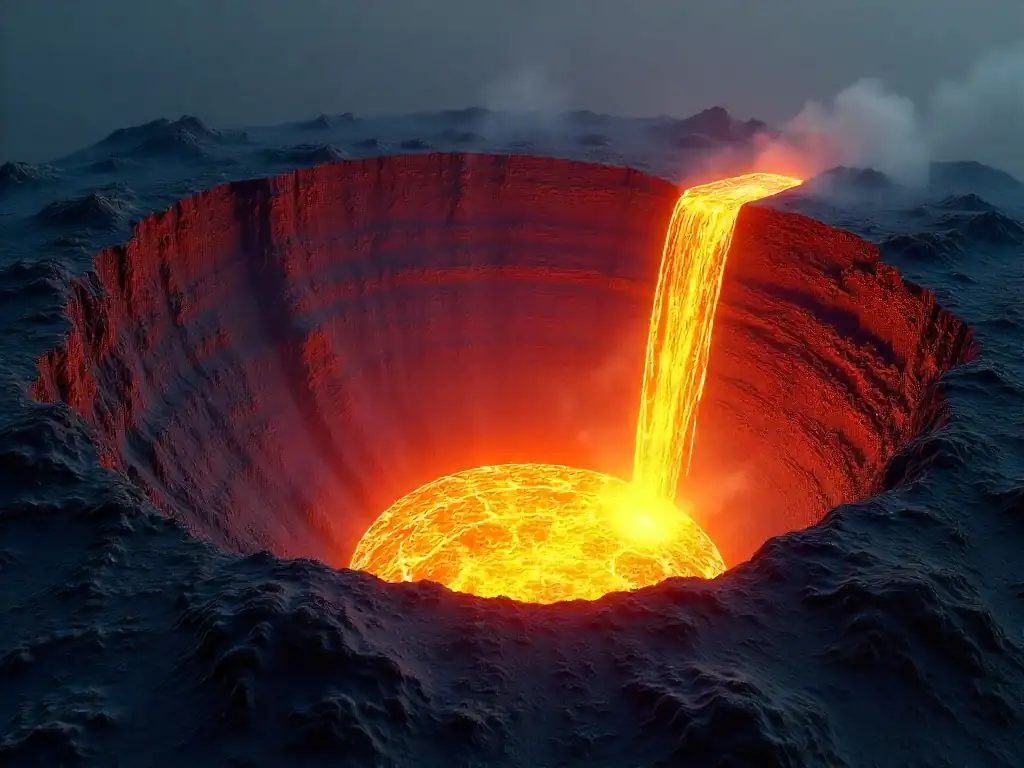
Welcome to Volcano Explorers, where the Earth's fiery secrets are unveiled. Ever wondered how scientists anticipate a volcanic eruption before it happens? Our latest article, "Infrared Insights: Detecting Thermal Changes in Volcanoes with Real-Time Sensors," plunges into the fascinating world of thermal monitoring of volcanoes.
Discover how cutting-edge technology allows us to read the Earth's hidden heat signals and what these readings reveal about impending volcanic activity. The deeper you delve, the more you'll understand the delicate balance between observation and prediction – a balance that could save lives. Are you ready to uncover the secrets hidden within the thermal footprint of a volcano?
- Introduction: Unveiling Volcanic Activity Through Thermal Monitoring
-
Frequently Asked Questions
- How does thermal monitoring help predict volcanic eruptions?
- What types of sensors are used in thermal monitoring of volcanoes?
- What are the limitations of using infrared technology for thermal monitoring?
- How often is thermal monitoring data collected and analyzed?
- What safety precautions should be taken when conducting thermal monitoring near an active volcano?
- Final Reflection: Unveiling Earth's Fiery Secrets
- Unearth Your Inner Volcanologist!
Introduction: Unveiling Volcanic Activity Through Thermal Monitoring
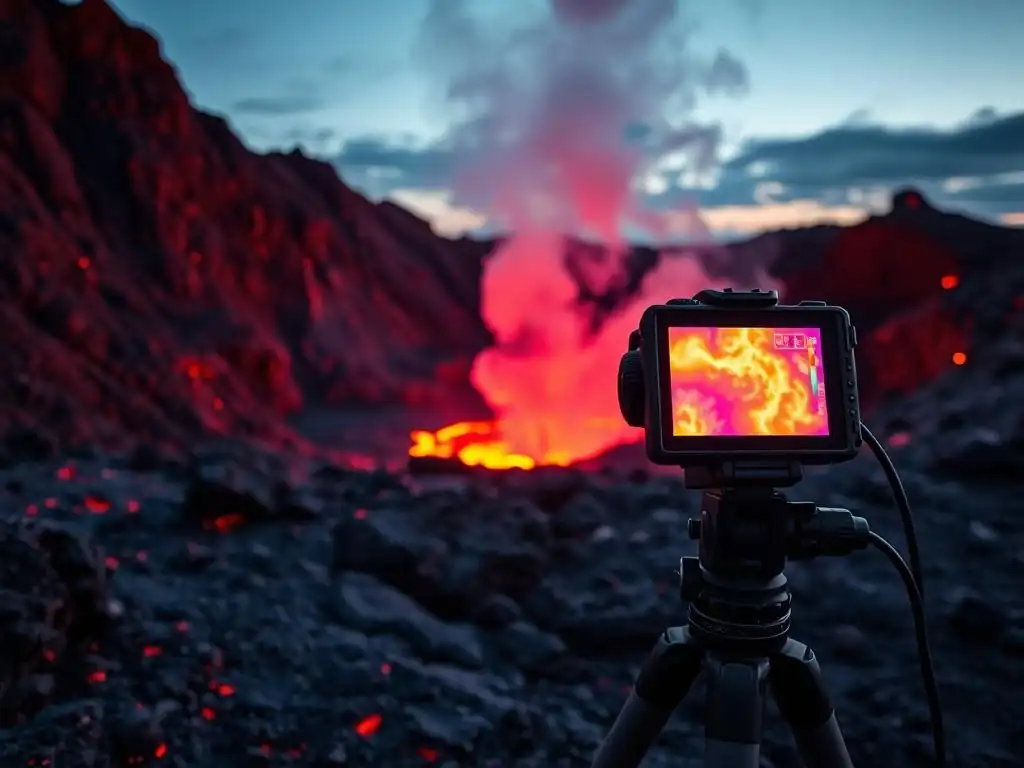
The Importance of Thermal Monitoring in Volcano Research
Volcanoes, dynamic and powerful geological features, constantly emit heat as a fundamental aspect of their activity. This thermal energy, often invisible to the naked eye, holds crucial clues about the volcano's internal state and potential for eruption. Thermal monitoring of volcanoes is therefore paramount in volcanology, providing a window into subsurface processes that precede volcanic events.
By meticulously tracking temperature variations on a volcano's surface and gas plumes, scientists can detect subtle changes that may indicate magma movement, gas build-up, or hydrothermal system alterations. These thermal precursors often precede more easily detectable signs like seismic activity or ground deformation, offering a valuable early warning system for potential eruptions. For instance, studies at volcanoes like Mount Ruapehu in New Zealand have demonstrated clear correlations between increased crater lake temperatures and subsequent volcanic unrest, highlighting the predictive power of thermal monitoring.
Furthermore, thermal data is not just about eruption forecasting. It is also instrumental in understanding the fundamental processes within volcanic systems. Analyzing thermal signatures helps researchers map out hydrothermal systems, track the movement of lava flows, and quantify gas emissions.
This information is vital for developing comprehensive models of volcanic behavior and improving our understanding of the complex interplay of factors leading to eruptions. For example, thermal imaging of lava domes, like those at Santiaguito volcano in Guatemala, allows for the estimation of lava effusion rates, a key parameter in assessing the dome's stability and potential for collapse or explosive activity. Thermal monitoring, therefore, serves as both a sentinel for impending hazards and a powerful tool for advancing our scientific understanding of these awe-inspiring natural phenomena.
VolcanoExplorers.org: Your Gateway to Understanding Volcanic Thermal Dynamics
VolcanoExplorers.org serves as an invaluable resource for anyone seeking to understand the fascinating world of volcanic thermal dynamics. Our platform is dedicated to demystifying the science behind volcano monitoring, particularly the crucial role of thermal measurements. We aim to make complex scientific concepts accessible to a broad audience, from students and enthusiasts to communities living near volcanoes.
Through detailed articles, educational resources, and real-world case studies, VolcanoExplorers.org illuminates how scientists use cutting-edge infrared technology to observe and interpret the thermal signals emanating from volcanoes. We believe that informed citizens are better prepared citizens, and by providing clear and accurate information about thermal monitoring techniques, we empower individuals to comprehend the efforts being made to ensure their safety and deepen their appreciation for these geological wonders.
On VolcanoExplorers.org, you can delve into the specifics of infrared radiation, explore the different types of sensors deployed in volcanic environments, and learn about the intricate networks that continuously monitor thermal activity around the globe. We showcase real examples of how thermal data has been instrumental in understanding volcanic processes and even predicting eruptions.
Whether you are curious about the fundamental physics behind infrared detection or interested in the practical applications of thermal monitoring in hazard mitigation, VolcanoExplorers.org is your comprehensive gateway. We strive to foster a greater understanding and respect for volcanoes by highlighting the critical role of thermal monitoring in unlocking their secrets and safeguarding communities.
Frequently Asked Questions
How does thermal monitoring help predict volcanic eruptions?
Thermal monitoring detects temperature changes in and around a volcano, which can indicate increased magma activity and a potential eruption. These changes often precede other signs, providing valuable early warning signals.
What types of sensors are used in thermal monitoring of volcanoes?
Infrared cameras and thermal sensors are commonly used to measure the heat radiating from a volcano's surface and gas plumes. These instruments can be deployed on the ground, in the air (drones/planes), or even on satellites in space.
What are the limitations of using infrared technology for thermal monitoring?
Weather conditions such as clouds and heavy rain can obstruct infrared readings. Also, the vegetation cover around a volcano can interfere with the accurate detection of thermal anomalies.
How often is thermal monitoring data collected and analyzed?
The frequency of data collection varies, but in areas with active volcanoes, monitoring can be continuous or near-real-time. Data is then analyzed by volcanologists to identify significant thermal variations and assess the potential for eruption.
What safety precautions should be taken when conducting thermal monitoring near an active volcano?
Volcanologists must follow strict safety protocols, including wearing protective gear, maintaining a safe distance from hazardous areas, and being aware of potential risks such as gas emissions and lahars.
Final Reflection: Unveiling Earth's Fiery Secrets
The ability to monitor volcanic activity in real-time using infrared sensors is no longer a futuristic dream, but a tangible reality. This advancement in thermal monitoring of volcanoes offers unprecedented opportunities to understand and predict eruptions, ultimately safeguarding communities living in their shadow. The data gleaned from these sensors provides crucial insights into the subtle thermal changes that precede volcanic events, allowing for timely warnings and potentially saving countless lives.
The impact of this technology extends far beyond scientific curiosity; it resonates deeply within the cultural and social fabric of volcanic regions. The ability to anticipate eruptions fosters a sense of security and empowers communities to make informed decisions about their safety. This is particularly crucial in areas where volcanoes are not just geological features, but integral parts of the landscape and cultural identity. Knowing is not enough; we must apply. Willing is not enough; we must do.
- Johann Wolfgang von Goethe. This quote perfectly encapsulates the urgency of translating scientific knowledge into practical action, ensuring that the benefits of thermal monitoring reach those who need it most.
As we stand on the precipice of a new era in volcanic hazard mitigation, let us reflect on the power of human ingenuity and our responsibility to protect vulnerable populations. Consider how you can support the continued development and implementation of these life-saving technologies. Whether through advocating for increased funding, raising awareness about the importance of volcanic monitoring, or simply educating yourself about the risks and realities of living near volcanoes, your contribution can make a difference. The future of volcanic hazard management depends on our collective commitment to understanding and mitigating these powerful forces of nature.
Unearth Your Inner Volcanologist!
Thanks for diving into the fascinating world of volcano monitoring with us! We hope you've gained a deeper appreciation for the incredible technology used to keep a watchful eye on these powerful forces of nature. Now, let's translate that knowledge into action!
- Take Action: Become a citizen scientist! Submit your own thermal images of volcanic regions to our community forum and compare your findings with real-time sensor data from Volcano Explorers.
- Explore Further: Delve deeper into the science by exploring our archive of research papers on infrared volcanology. You might just discover a groundbreaking study!
- Share Your Insights: Did you find this article insightful? Share it with your friends and fellow science enthusiasts to spread the word about volcano monitoring and the amazing technology behind it!
What fascinating thermal anomaly have YOU noticed lately, and how might real-time sensors help us understand it better?