
Decoding the Deposits: Microscopic Clues to Eruption Age


Welcome to Volcano Explorers!
Dare to venture into the heart of geological time? Discover the secrets whispered within volcanic rock, where each layer holds a clue to the past. Our latest article, " Decoding the Deposits: Microscopic Clues to Eruption Age," unveils cutting-edge techniques used to determine the age of ancient eruptions. But how accurate are these methods, and what can they tell us about the cycles of volcanic activity? Unearth the answers and ignite your curiosity about the forces that shape our planet. Dive in and explore!
Understanding Volcanic Eruptions Through Microscopic Analysis
Volcanic eruptions are powerful geological events that shape landscapes and influence climate. Understanding the timing of past eruptions is crucial for assessing future volcanic hazards and deciphering Earth's dynamic history. While macroscopic observations of volcanic deposits provide valuable information, microscopic analysis offers a deeper, more nuanced understanding of eruption age determination.
By examining volcanic materials at a microscopic level, scientists can unlock subtle clues within ash, pumice, and volcanic glass that reveal the timing of past volcanic events with remarkable precision. This approach, often overlooked, is a cornerstone of modern volcanology, allowing for the refinement of volcanic hazard assessments and a better understanding of long-term volcanic activity patterns.
Microscopic analysis in volcanology is akin to forensic science for the Earth. Just as detectives use microscopic evidence to reconstruct past events, volcanologists employ similar techniques to analyze volcanic deposits. Through powerful microscopes and advanced analytical tools, they can investigate the minute details of volcanic materials, such as the shape of glass shards, the composition of minerals, and the presence of microscopic textures.
These microscopic features act as fingerprints, each eruption leaving a unique signature in its deposits. By carefully decoding these microscopic clues, scientists can piece together the chronology of volcanic eruptions, building a detailed timeline of volcanic activity that extends back thousands, even millions, of years.
- How do scientists determine the age of volcanic eruptions?
- What role do microscopic clues play in dating volcanic eruptions?
- What is tephrochronology and how does it help with volcanic eruption age determination?
- Can the age of all volcanic eruptions be determined with equal accuracy?
- Why is knowing the age of volcanic eruptions important?
Introduction: The Importance of Determining Volcanic Eruption Age
Pinpointing Eruption Dates for Volcanic Hazard Assessment
Determining the age of volcanic eruptions is paramount for effective volcanic hazard assessment and mitigation. Understanding when a volcano last erupted and the frequency of its eruptions in the past provides critical insights into its potential for future activity. For communities living near active or potentially active volcanoes, this information is not just academic – it is a matter of safety and preparedness.
By accurately dating past eruptions, scientists can refine volcanic hazard maps, predict eruption probabilities, and inform land-use planning and emergency response strategies. For instance, if a volcano has a history of large eruptions occurring every few hundred years, and the last eruption was several centuries ago, it might indicate an increased potential for future activity.
The historical record of volcanic eruptions, while valuable, is often incomplete, especially for older events. Written accounts may be absent or unreliable, and erosion can obscure or destroy surface evidence of past eruptions. This is where the precise dating of volcanic deposits becomes indispensable.
By establishing a robust chronology of past eruptions, scientists can move beyond relying solely on historical records. For example, radiocarbon dating of charcoal found within volcanic ash layers can provide dates for relatively recent eruptions, while techniques like argon-argon dating can determine the age of much older volcanic rocks. This comprehensive approach allows for a more complete and accurate understanding of a volcano's eruptive history, which is essential for informed decision-making regarding volcanic risk management.
Dating Ancient Volcanic Events
The significance of volcanic eruption age determination extends far beyond immediate hazard assessment. Dating ancient volcanic events is crucial for understanding long-term geological processes and reconstructing Earth's history. Volcanic eruptions are not isolated events; they are integral parts of plate tectonics, mantle convection, and the evolution of Earth's crust.
By dating volcanic rocks from different geological periods, scientists can trace the movement of tectonic plates, study the evolution of volcanic arcs, and understand the interplay between volcanism and climate change over vast timescales. For example, dating massive flood basalt eruptions, like the Siberian Traps or the Deccan Traps, has revealed their potential link to major extinction events in Earth's history.
Furthermore, the age of volcanic deposits is vital for correlating geological strata across different regions. Volcanic ash layers, known as tephra, can be dispersed over vast areas during explosive eruptions. These ash layers act as time-stratigraphic markers, allowing geologists to correlate sedimentary sequences and understand the relative timing of geological events across continents.
For instance, a distinctive ash layer from a large eruption in North America might be found and dated in Europe, providing a precise time link between geological formations in both regions. This ability to correlate geological records globally is fundamental for building a comprehensive picture of Earth's past and understanding the interconnectedness of geological processes across the planet.
Microscopic Clues: A Powerful Tool for Volcanic Chronology
Tephrochronology: Linking Ash Layers to Specific Eruptions
Tephrochronology is a powerful dating technique that relies heavily on the microscopic analysis of volcanic ash, or tephra. This method uses the principle that each volcanic eruption produces ash with a unique chemical composition and physical characteristics. By meticulously analyzing the microscopic properties of ash layers found in sedimentary records, such as lake sediments, peat bogs, or ice cores, scientists can correlate these layers to specific eruptions and establish a chronological framework. The key to tephrochronology lies in the ability to differentiate between ash layers from different eruptions based on their unique "fingerprints" at a microscopic level.
The microscopic examination of tephra involves analyzing several key characteristics. These include the morphology of glass shards (their shape and texture), the mineral assemblage present in the ash, and the chemical composition of both the glass and the minerals. For example, ash from one eruption might contain angular, bubble-wall glass shards with a high silica content, while ash from another eruption might have blocky shards with a lower silica content and a distinctive suite of minerals like plagioclase and pyroxene.
By carefully comparing these microscopic features of tephra layers from different locations, scientists can link them back to the same source eruption and use the age of that eruption to date the surrounding geological strata. This technique has been instrumental in constructing detailed chronologies for volcanic regions around the world, including Iceland, Italy, and Japan.
Volcanic Ash Deposits in Dating Past Events
Volcanic ash deposits are exceptional archives of past volcanic activity and valuable tools for dating past events beyond just volcanic eruptions. The widespread dispersal of ash during explosive eruptions means that tephra layers can be found far from their volcanic source, often preserved in various sedimentary environments. These ash layers act as isochronous surfaces, meaning they represent a single point in time across a broad geographical area. When these ash layers are interbedded with other datable materials, such as organic matter suitable for radiocarbon dating, they provide crucial chronological control points for dating broader geological and archaeological records.
For example, if an archaeological site is found buried beneath a layer of volcanic ash, and that ash layer can be identified and dated using tephrochronology, then the age of the ash layer provides a maximum age for the archaeological site. Conversely, if artifacts are found above an ash layer, the ash layer provides a minimum age for the artifacts. This principle extends to dating paleoenvironmental records.
Ash layers found in lake sediments or peat bogs can be used to date changes in vegetation, climate, or animal populations recorded in those sediments. The presence and age of volcanic ash deposits, therefore, contribute significantly to our understanding of the timing and relationships between volcanic activity, environmental change, and human history.
Analyzing Volcanic Deposits: Key Microscopic Features

Glass Shard Morphology: Identifying Eruption Signatures
The morphology of volcanic glass shards, observable under a microscope, is a critical feature used in volcanic eruption age determination and tephrochronology. The shape and surface texture of glass shards are directly related to the eruption style and the cooling history of the magma. Explosive eruptions, characterized by rapid decompression and fragmentation of magma, produce a variety of glass shard morphologies. These morphologies are not random; they are systematically related to the eruption dynamics and can serve as unique identifiers for specific eruptions.
Common glass shard morphologies include bubble-wall shards, which are thin, curved fragments of bubble walls from the fragmented magma; pumice shards, which are highly vesicular and porous; and blocky shards, which are more equidimensional and less vesicular. The relative abundance and types of glass shard morphologies within an ash sample can provide clues about the explosivity of the eruption and the volatile content of the magma. For example, eruptions producing predominantly bubble-wall shards suggest highly explosive events with significant gas expansion, while eruptions yielding more blocky shards might indicate less explosive activity.
Furthermore, the surface texture of glass shards, such as the presence of vesicles or fractures, can also be diagnostic. By carefully documenting and comparing glass shard morphologies from different ash layers, volcanologists can differentiate between eruptions and establish correlations for dating purposes.
Mineral Composition Analysis: Geochemistry for Correlation
Mineral composition analysis, conducted at a microscopic scale using techniques like electron microprobe analysis (EMPA), is a cornerstone of geochemical fingerprinting in volcanic eruption age determination. Volcanic rocks and ash are composed of various minerals, each with a unique chemical composition. The types of minerals present, and their precise chemical compositions, are determined by the source magma and the processes it undergoes during ascent and eruption. This mineralogical and geochemical signature is often unique to a specific eruption or volcanic center, making it a powerful tool for correlating tephra layers and dating volcanic events.
Analyzing the chemical composition of minerals, particularly phenocrysts (larger crystals) within volcanic ash, provides a robust method for distinguishing between different eruptions. Common minerals analyzed include feldspars, pyroxenes, amphiboles, and oxides. Each mineral group can be characterized by its major and trace element composition. For instance, plagioclase feldspars from different eruptions might exhibit variations in their calcium, sodium, and trace element concentrations.
Similarly, pyroxenes can vary in their iron, magnesium, and calcium content. These subtle but consistent geochemical differences, measured with high precision using EMPA, allow scientists to confidently correlate tephra layers across vast distances and build detailed chronologies. This geochemical fingerprinting approach is essential for tephrochronology and for understanding the magmatic evolution of volcanic systems over time.
Examining Vesicularity: Linking Bubble Textures to Eruption Style
Vesicularity, the proportion of bubbles within volcanic rocks and glass shards, is another crucial microscopic feature that provides valuable insights into eruption style and can contribute to volcanic eruption age determination. The formation of vesicles (bubbles) in magma is driven by the exsolution of dissolved gases, primarily water vapor, as magma ascends and decompresses.
The size, shape, and distribution of vesicles, collectively referred to as vesicularity, are influenced by factors such as magma viscosity, gas content, and eruption rate. Analyzing vesicularity at a microscopic level can reveal information about the eruptive conditions and help differentiate between volcanic deposits from different eruptions.
Microscopic examination of vesicularity involves measuring parameters such as vesicle size, vesicle number density (number of vesicles per unit area), and vesicle shape. Highly explosive eruptions, driven by rapid gas expansion, tend to produce pumice and ash with high vesicularity and small, numerous vesicles. In contrast, less explosive eruptions, such as lava flows, typically result in rocks with lower vesicularity and larger, more irregular vesicles.
Furthermore, the texture of vesicles, such as whether they are spherical or elongated, can provide clues about the flow dynamics of the erupting magma. By quantifying and comparing vesicularity characteristics of volcanic deposits, scientists can gain a better understanding of past eruption styles and potentially use vesicularity as another parameter to distinguish between different eruptions, contributing to more refined dating and correlation efforts.
Methods for Volcanic Eruption Age Determination Through Microscopic Analysis
Electron Microprobe Analysis (EMPA): Geochemical Fingerprinting
Electron Microprobe Analysis (EMPA) is a sophisticated microscopic technique that plays a pivotal role in volcanic eruption age determination through geochemical fingerprinting. EMPA allows for the precise and non-destructive measurement of the elemental composition of microscopic areas within solid materials, including minerals and volcanic glass shards. In volcanology, EMPA is primarily used to determine the major and trace element composition of minerals and glass in volcanic ash and rocks. This detailed geochemical data is crucial for distinguishing between tephra layers from different eruptions and for correlating ash deposits across various locations, forming the basis of tephrochronology.
The EMPA instrument works by bombarding a polished sample surface with a focused beam of high-energy electrons. This electron bombardment causes the emission of characteristic X-rays from the sample. By analyzing the energy and intensity of these X-rays, the EMPA instrument can identify and quantify the elements present in the analyzed area.
For volcanic eruption age determination, EMPA is typically used to analyze individual mineral grains (like feldspars, pyroxenes, and oxides) and glass shards within tephra samples. The resulting compositional data, often expressed as oxide weight percentages or parts per million (ppm) for trace elements, provides a unique geochemical fingerprint for each eruption. By comparing these geochemical fingerprints from different tephra layers, volcanologists can establish correlations and build robust chronologies of volcanic activity.
Scanning Electron Microscopy (SEM): Visualizing Microscopic Textures
Scanning Electron Microscopy (SEM) is another powerful microscopic technique essential for volcanic eruption age determination, particularly for visualizing microscopic textures and morphologies of volcanic materials. While EMPA focuses on chemical composition, SEM excels at providing high-resolution images of sample surfaces at magnifications ranging from tens to hundreds of thousands of times. In volcanology, SEM is invaluable for studying the morphology of glass shards, the vesicularity of pumice and ash, and the surface textures of minerals. These visual characteristics, often directly related to eruption processes, contribute significantly to tephrochronology and the understanding of eruption dynamics.
SEM operates by scanning a focused beam of electrons across the surface of a sample. As the electron beam interacts with the sample, it generates various signals, including secondary electrons and backscattered electrons. Secondary electrons are used to create topographic images, revealing surface features and textures.
Backscattered electrons provide information about compositional variations within the sample, as heavier elements scatter electrons more strongly than lighter elements. For volcanic eruption age determination, SEM images are used to characterize glass shard morphologies (e.g., bubble-wall, blocky, pumiceous), assess vesicularity (vesicle size, shape, and distribution), and examine mineral surface textures (e.g., crystal growth features, alteration textures). These visual data, combined with geochemical data from EMPA, provide a comprehensive microscopic characterization of volcanic deposits, enhancing the accuracy and reliability of tephrochronological studies.
Fission Track Dating: Age of Volcanic Glass
Fission track dating is a radiometric dating method specifically applicable to volcanic glass and certain minerals, providing a direct means of determining the volcanic eruption age determination. This technique exploits the natural process of spontaneous fission of uranium-238 ( 238 U) atoms within the crystal structure of materials like volcanic glass (obsidian) and minerals like apatite and zircon. As 238 U atoms decay through fission, they create microscopic damage trails, or "fission tracks," within the material. The density of these fission tracks is directly proportional to the age of the material and its uranium content. By counting the number of fission tracks and measuring the uranium concentration, scientists can calculate the time elapsed since the volcanic glass or mineral cooled and solidified, effectively dating the eruption.
The fission track dating process involves carefully preparing a sample of volcanic glass or mineral and then etching its surface with a chemical etchant to enlarge and reveal the fission tracks under a microscope. The number of fission tracks is then counted under high magnification. To determine the uranium concentration, the sample is typically irradiated with thermal neutrons in a nuclear reactor, inducing fission in uranium-235 ( 235 U). The tracks produced by induced fission are also counted. By comparing the density of spontaneous fission tracks to the density of induced fission tracks, and knowing the decay constant of 238 U, the age of the sample can be calculated. Fission track dating is particularly useful for dating volcanic eruptions that occurred from thousands to millions of years ago, providing a valuable complement to other dating methods used in volcanology.
Case Studies: Examples of Dating Eruptions with Microscopic Analysis
Case Study 1: Dating the Mount St. Helens Eruption Using Glass Shard Analysis
The 1980 eruption of Mount St. Helens in Washington State, USA, serves as a compelling example of how glass shard analysis, a microscopic technique, can contribute to understanding volcanic eruption age determination, even for relatively recent events. While the date of the 1980 eruption is historically known, analyzing the glass shard morphology from its ash deposits provided valuable insights into the eruption dynamics and served as a modern analog for studying older eruptions where historical records are absent. Researchers meticulously examined ash samples collected from various locations surrounding Mount St. Helens after the eruption.
Microscopic analysis of the Mount St. Helens ash revealed a diverse range of glass shard morphologies, including bubble-wall shards, pumice shards, and blocky shards, reflecting the complex and highly explosive nature of the eruption. The dominant morphology was bubble-wall shards, indicative of the rapid fragmentation of gas-rich magma. The size distribution and surface textures of the glass shards also provided information about the fragmentation processes and transport mechanisms during the eruption.
This detailed microscopic characterization of the ash not only helped to understand the 1980 Mount St. Helens eruption but also established a baseline for comparing ash deposits from other volcanoes and older eruptions, demonstrating the power of glass shard analysis in deciphering eruption histories. Furthermore, the geochemical composition of the glass shards, determined using EMPA, provided a unique fingerprint for the 1980 eruption, allowing for its differentiation from other volcanic ash layers in the region.
Case Study 2: Determining the Age of the Bishop Tuff Through Mineral Composition
The Bishop Tuff, a massive volcanic deposit in eastern California, USA, is a classic example of how mineral composition analysis, a microscopic geochemical technique, has been crucial in determining the volcanic eruption age determination of large-scale eruptions. The Bishop Tuff was formed by the cataclysmic eruption of the Long Valley caldera approximately 760,000 years ago. Dating this eruption accurately has been essential for understanding the volcanic history of the Long Valley region and for assessing potential future volcanic hazards. Mineral composition analysis, particularly using EMPA, played a key role in refining the age determination of the Bishop Tuff.
Researchers analyzed the chemical composition of various minerals, including feldspars and biotite, from different layers within the Bishop Tuff. EMPA revealed subtle but significant variations in the trace element concentrations of these minerals across the tuff deposit. These geochemical variations, reflecting magma evolution processes within the Long Valley magma chamber prior to the eruption, helped to correlate different sections of the Bishop Tuff and to distinguish it from other volcanic deposits in the region.
Furthermore, the mineral composition data was used in conjunction with radiometric dating methods, such as argon-argon dating, to obtain a precise age for the Bishop Tuff eruption. The combined approach, utilizing microscopic mineral composition analysis and radiometric dating, provided a robust and reliable age for this major volcanic event, highlighting the importance of geochemical fingerprinting in dating large eruptions.
Case Study 3: Reconstructing the Eruption History of the Taupo Volcanic Zone with Tephrochronology
The Taupo Volcanic Zone (TVZ) in New Zealand is one of the most active and productive volcanic regions in the world. Reconstructing its complex eruption history, essential for volcanic hazard assessment, has heavily relied on tephrochronology, a dating technique fundamentally based on the microscopic analysis of volcanic ash. The TVZ has experienced numerous explosive eruptions over the past few million years, depositing thick sequences of tephra layers across the North Island of New Zealand. Tephrochronological studies, employing microscopic analysis of tephra, have been instrumental in unraveling the eruption history of the TVZ and establishing a detailed chronological framework.
Researchers have collected and analyzed thousands of tephra samples from various locations within and surrounding the TVZ. Microscopic analysis, including glass shard morphology and mineral composition analysis using SEM and EMPA, has been applied to characterize each tephra layer. By identifying unique geochemical and physical fingerprints for each eruption, scientists have been able to correlate tephra layers across wide areas and construct a comprehensive tephrochronological framework for the TVZ.
This framework has allowed for the dating of numerous eruptions, including the massive Oruanui eruption about 25,400 years ago and the Taupo eruption around 1,800 years ago. Tephrochronology, underpinned by microscopic analysis, has proven to be an indispensable tool for understanding the eruptive frequency and magnitudes of past eruptions in the TVZ, providing crucial information for volcanic hazard assessment and long-term volcanic risk management in New Zealand.
Limitations and Challenges of Microscopic Dating Techniques
Alteration of Volcanic Glass: Impact on Geochemical Analysis
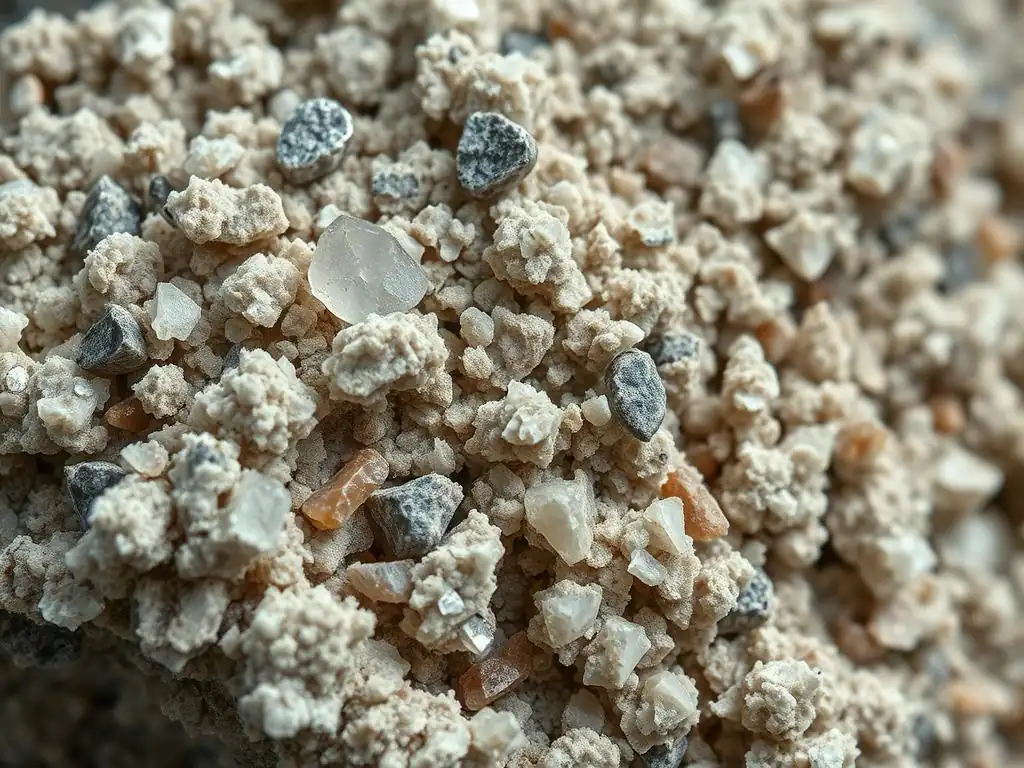
Alteration of volcanic glass, a common process in geological environments, presents a significant limitation and challenge to microscopic dating techniques, particularly those relying on geochemical analysis like EMPA. Volcanic glass, being chemically reactive, is susceptible to alteration by water and other fluids over time. This alteration process, known as hydration or devitrification, can change the chemical composition of the glass, potentially compromising the accuracy of geochemical fingerprinting and tephrochronological correlations. Hydration involves the incorporation of water into the glass structure, while devitrification involves the crystallization of glass into secondary minerals.
The alteration of volcanic glass can affect the concentrations of various elements, particularly mobile elements like sodium and potassium, which are commonly used in geochemical fingerprinting. Hydration, for example, can leach sodium from the glass, altering its original composition. Devitrification can lead to the formation of secondary minerals that may not be representative of the original magma composition.
These alteration effects can make it difficult to accurately compare the geochemical signatures of altered tephra layers with fresh, unaltered samples, potentially leading to miscorrelations and inaccurate age determinations. Therefore, careful assessment of glass alteration is crucial when applying microscopic geochemical techniques for volcanic eruption age determination. Researchers often employ various methods to identify and mitigate the effects of alteration, such as selecting only the freshest glass shards for analysis or using geochemical proxies that are less susceptible to alteration.
Contamination of Samples: Ensuring Accurate Dating Results
Contamination of samples is another significant challenge that can compromise the accuracy of microscopic dating techniques used for volcanic eruption age determination. Contamination can occur at various stages, from sample collection in the field to laboratory processing and analysis. It can introduce foreign materials into the sample, altering its original composition or isotopic ratios, leading to erroneous dating results. Sources of contamination can include windblown dust, soil particles, rootlets, and laboratory contaminants.
For tephrochronology, contamination can lead to the mixing of ash from different eruptions within a sample, making it difficult to isolate and characterize a single eruption deposit. For radiometric dating methods like fission track dating, contamination with uranium-bearing minerals can artificially inflate the apparent age of the sample. To minimize contamination, rigorous sample collection and preparation procedures are essential.
This includes collecting samples from clean exposures, carefully removing any visible contaminants in the lab, and using clean laboratoryware and reagents. In some cases, physical separation techniques, such as heavy liquid separation or magnetic separation, may be used to isolate pure volcanic glass or mineral fractions from contaminated samples. Furthermore, careful microscopic examination of samples before analysis can help identify and remove any remaining contaminants, ensuring more accurate and reliable dating results.
Multi-Proxy Approaches: Combining Microscopic Analysis with Other Dating Methods
To overcome the limitations and challenges associated with individual microscopic dating techniques, and to enhance the robustness and accuracy of volcanic eruption age determination, multi-proxy approaches are increasingly employed. These approaches involve combining microscopic analysis techniques with other independent dating methods, such as radiocarbon dating, argon-argon dating, and paleomagnetism. By integrating data from multiple proxies, scientists can cross-validate dating results, reduce uncertainties, and build more comprehensive and reliable chronologies of volcanic activity.
For example, tephrochronology, based on microscopic ash analysis, can be effectively combined with radiocarbon dating of organic material found associated with tephra layers. Radiocarbon dating provides independent age constraints for relatively recent eruptions (up to ~50,000 years ago), while tephrochronology allows for the correlation of these dated layers with tephra deposits across wider regions. For older eruptions, argon-argon dating of volcanic minerals, such as sanidine or plagioclase, can provide precise radiometric ages, which can be used to calibrate tephrochronological frameworks.
Paleomagnetic dating, which relies on changes in Earth's magnetic field over time recorded in volcanic rocks, offers another independent dating method that can be integrated with microscopic analysis. By combining these diverse dating approaches, scientists can develop more robust and well-constrained chronologies of volcanic eruptions, improving our understanding of volcanic history and hazard assessment.
Future Directions in Volcanic Eruption Age Determination
Advancements in Microscopic Imaging and Analysis
Future directions in volcanic eruption age determination are closely tied to ongoing advancements in microscopic imaging and analysis technologies. Developments in high-resolution microscopy, such as improved Scanning Electron Microscopy (SEM) and Transmission Electron Microscopy (TEM), are enabling more detailed characterization of volcanic materials at ever-smaller scales.
These advancements allow for the visualization of nanoscale features in volcanic glass and minerals, potentially revealing new textural and compositional proxies for eruption age determination. For example, advanced TEM techniques can be used to study the hydration state of volcanic glass at the nanometer level, providing insights into alteration processes and potentially developing correction methods for geochemical analysis.
Furthermore, advancements in automated mineralogy and image analysis software are accelerating the processing and analysis of microscopic data. Automated SEM-based mineralogy systems can rapidly acquire and analyze large datasets of mineral compositions and textures, significantly increasing the efficiency of tephrochronological studies and geochemical fingerprinting.
Machine learning algorithms are being developed to automatically classify glass shard morphologies and identify subtle geochemical variations in mineral compositions, further enhancing the speed and accuracy of microscopic analysis. These technological advancements are paving the way for more detailed and comprehensive microscopic studies of volcanic deposits, leading to improved volcanic eruption age determination and a deeper understanding of volcanic processes.
Developing Geochemical Proxies for Dating
Future research in volcanic eruption age determination is also focused on developing new geochemical proxies specifically designed for dating volcanic deposits. Current geochemical fingerprinting methods often rely on major and trace element compositions of minerals and glass. However, exploring isotope geochemistry and other trace element ratios holds promise for developing more sensitive and robust proxies for distinguishing between eruptions and for dating volcanic events. For instance, isotopic ratios of elements like strontium, neodymium, and lead can provide additional geochemical fingerprints that are less susceptible to alteration than major element compositions.
Furthermore, research is ongoing to explore the potential of using volatile elements, such as water and halogens, in volcanic glass as dating proxies. The concentration and isotopic composition of volatiles in volcanic glass can be influenced by degassing processes during eruption and post-eruption hydration.
Developing methods to accurately measure and interpret these volatile signatures could provide new avenues for dating volcanic eruptions and understanding eruption dynamics. The development of novel geochemical proxies, coupled with advancements in analytical techniques, will expand the toolkit for volcanic eruption age determination and improve the accuracy and precision of dating volcanic events across different timescales.
Integrating Microscopic Data with Volcanic Hazard Models
A crucial future direction in volcanic eruption age determination is the improved integration of microscopic data with volcanic hazard models. Accurate dating of past eruptions, obtained through microscopic analysis and other dating techniques, is essential for refining volcanic hazard assessments and developing more realistic eruption scenarios. Volcanic hazard models rely on statistical analyses of past eruption frequencies and magnitudes to estimate future eruption probabilities. Microscopic dating techniques provide the data needed to build robust eruption histories, which are fundamental inputs for these hazard models.
Integrating microscopic data with hazard models involves not only providing accurate eruption ages but also incorporating information about eruption styles, magnitudes, and deposit characteristics derived from microscopic analysis. For example, understanding the vesicularity and glass shard morphology of past eruption deposits can provide insights into the explosivity and dispersal potential of future eruptions.
Geochemical fingerprinting of tephra layers can help identify the source volcanoes and magma systems responsible for past eruptions, aiding in the assessment of potential hazards from specific volcanic centers. By effectively integrating microscopic data into volcanic hazard models, scientists can improve the accuracy and reliability of volcanic hazard assessments, leading to better informed decision-making for volcanic risk management and community preparedness.
Conclusion: Microscopic Clues in Understanding Volcanic History
Continued Research in Volcanic Chronology
Continued research in volcanic chronology, particularly utilizing microscopic techniques, is essential for advancing our understanding of volcanic history and improving volcanic hazard assessments. Microscopic analysis of volcanic deposits provides a wealth of information about eruption processes, magma evolution, and the timing of past volcanic events. Ongoing research is focused on refining existing microscopic dating techniques, developing new geochemical proxies, and integrating microscopic data with other dating methods and volcanic hazard models. These efforts are crucial for building more complete and accurate chronologies of volcanic activity around the world.
Future research directions include further exploration of nanoscale features in volcanic materials using advanced microscopy, development of automated analysis techniques to handle large datasets, and investigation of novel geochemical and isotopic proxies for dating. Interdisciplinary approaches, combining volcanology with geochemistry, geochronology, and statistical modeling, are increasingly important for addressing the complex challenges of volcanic eruption age determination. Continued investment in research and development in these areas will significantly enhance our ability to decipher volcanic history and mitigate volcanic risks.
Improved Volcanic Hazard Assessments Based on Accurate Dating
Improved volcanic hazard assessments are a direct and vital outcome of accurate volcanic eruption age determination through microscopic and other dating techniques. Precise dating of past eruptions provides the foundation for understanding the frequency and magnitudes of volcanic activity at specific volcanoes. This information is crucial for forecasting future eruption probabilities, delineating volcanic hazard zones, and developing effective mitigation strategies. By refining volcanic hazard assessments based on accurate dating, communities living near volcanoes can be better prepared for potential eruptions, reducing risks to life and property.
The advancements in microscopic dating techniques and the ongoing efforts to build more comprehensive volcanic chronologies are directly contributing to improved volcanic hazard assessments globally. More accurate eruption age data allows for the refinement of volcanic hazard maps, the development of more realistic eruption scenarios, and the implementation of more effective early warning systems. Ultimately, the microscopic clues unlocked from volcanic deposits are not just academic curiosities; they are essential pieces of information that contribute to a safer and more resilient future for communities living in volcanic regions.
Frequently Asked Questions
How do scientists determine the age of volcanic eruptions?
Scientists use a variety of methods, including radiometric dating of volcanic rocks and ash layers. They also analyze tephrochronology, which involves matching ash layers from different locations. Additionally, historical records can provide valuable eruption dates.
What role do microscopic clues play in dating volcanic eruptions?
Microscopic analysis of volcanic deposits, like ash and pumice, reveals information about their chemical composition and mineral content. This data helps scientists correlate layers across different areas and determine their relative age.
What is tephrochronology and how does it help with volcanic eruption age determination?
Tephrochronology is a dating technique that uses volcanic ash layers (tephra) as time markers. By matching the chemical fingerprint of ash layers from different sites, scientists can establish a timeline of past eruptions.
Can the age of all volcanic eruptions be determined with equal accuracy?
No, the accuracy of age determination varies depending on the availability of suitable materials for dating and the preservation of the volcanic deposits. Older eruptions and those with limited evidence can be more challenging to date precisely.
Why is knowing the age of volcanic eruptions important?
Determining the age of past eruptions helps us understand volcanic recurrence intervals and assess future hazards. This information is crucial for risk assessment and community preparedness in areas near active volcanoes.
Final Reflection: Echoes of Ancient Fire
The ability to pinpoint the age of past volcanic eruptions, as explored in this article, is not merely an academic exercise; it's a crucial tool for understanding and mitigating future risks. Understanding the past is undeniably the key to preparing for the future when it comes to volcanic hazards. By decoding the microscopic stories etched within volcanic deposits, we gain invaluable insights into eruption frequency, magnitude, and potential impact, allowing us to better protect vulnerable communities.
The impact of volcanic eruptions, both historically and in the present day, is undeniable. The study of these events has profoundly shaped our understanding of Earth's dynamic processes and our place within them. The ability to accurately determine eruption ages allows us to build more robust predictive models and implement more effective disaster preparedness strategies. As the Roman philosopher Seneca the Younger wisely stated, Every new beginning comes from some other beginning's end.
This sentiment perfectly encapsulates the cyclical nature of volcanic activity and the importance of learning from past events to safeguard our future.
Now, consider the implications of this knowledge in your own life. Think about the power of understanding the past to shape the future, not just in the context of volcanic eruptions, but in all aspects of your existence. Let the insights gained from "Decoding the Deposits" inspire you to seek knowledge, embrace preparedness, and appreciate the delicate balance of our planet. Let us all strive to be informed citizens, ready to face the challenges of a dynamic world with wisdom and resilience.
Unlock the Secrets of Ancient Eruptions!
Thanks for diving into the fascinating world of volcanic deposit dating with us! We hope you've gained valuable insights into how microscopic clues can unlock the age of past eruptions. Ready to put your newfound knowledge into action?
Here are a few ways to keep exploring:
- Dig Deeper: Start a personal research project by examining geological maps and reports for your local area to identify potentially datable volcanic deposits. Look for layers of ash or tephra that might be suitable for analysis.
- Share Your Discovery: Connect with local geological societies or universities to discuss your findings and potentially collaborate on sample collection and analysis.
- Fuel the Debate: Share this article with fellow volcano enthusiasts and discuss which dating methods you find most compelling and why!
What's the oldest volcanic deposit you're now curious to learn the age of?