
Volcano Alert Level Drills: Practicing for a Real Eruption Scenario

Welcome to Volcano Explorers!
Ever wondered what it really feels like to prepare for the raw power of a volcanic eruption? This isn't just about reading textbooks; it's about survival. Let's dive into the critical practice of volcano emergency preparedness drills. Are you truly ready if the mountain awakens? Uncover the vital steps and real-world scenarios that could save lives. Read on, because knowing what to do can make all the difference.
- Volcano Alert Level Drills: Practicing for Real Eruption Scenarios
- Planning and Executing Effective Volcano Emergency Drills
- Simulating Real Eruption Scenarios in Drills
- Evaluating and Improving Volcano Emergency Preparedness Drills
- Real-World Examples of Successful Volcano Preparedness Drills
- Staying Informed and Prepared for Future Volcanic Activity
-
Frequently Asked Questions
- What is a volcano emergency preparedness drill?
- Why are volcano emergency preparedness drills important?
- What are some key elements of a volcano emergency preparedness drill?
- How often should volcano emergency preparedness drills be conducted?
- Where can I find information about upcoming volcano emergency preparedness drills in my area?
- Final Reflection: Embracing Preparedness in the Shadow of Giants
- Unleash Your Inner Volcano Preparedness!
Volcano Alert Level Drills: Practicing for Real Eruption Scenarios
The Importance of Volcano Emergency Preparedness Drills
Volcano emergency preparedness drills are critical exercises designed to prepare communities living near active volcanoes for potential eruptions. These drills are not mere simulations; they are proactive measures that can significantly reduce casualties and confusion when a real volcanic event occurs. By practicing response procedures in a controlled environment, individuals and communities become more familiar with evacuation routes, communication protocols, and emergency resources.
This familiarity translates into faster, more efficient, and potentially life-saving responses during an actual eruption. The chaotic nature of volcanic eruptions, coupled with the speed at which they can escalate, demands a well-rehearsed community response. Drills help to identify weaknesses in emergency plans and communication strategies, allowing for necessary adjustments before a crisis strikes.
The benefits of volcano emergency preparedness drills extend beyond the immediate safety of individuals. They foster a sense of community resilience and empower residents to take an active role in their own safety. When people understand the risks and know how to respond, fear and panic are reduced, leading to more rational decision-making during a crisis.
Moreover, regular drills help to reinforce the importance of volcano monitoring and early warning systems, ensuring that communities are not only aware of potential threats but also prepared to act upon them effectively. Ultimately, investing in volcano emergency preparedness drills is an investment in community safety and well-being, building a culture of preparedness that can mitigate the devastating impacts of volcanic eruptions.
Decoding Volcano Alert Level Systems: A Guide for Residents and Explorers
Volcano alert level systems are standardized frameworks used by volcanological observatories worldwide to communicate the status of volcanic activity to the public and emergency responders. These systems typically employ a color-coded or numerical scale, with each level representing a different stage of volcanic unrest and associated hazards.
Understanding these alert levels is paramount for residents living near volcanoes and for anyone exploring volcanic regions, as they provide crucial information for making informed decisions about safety and evacuation. These systems are not arbitrary; they are based on scientific monitoring data, including seismic activity, gas emissions, ground deformation, and visual observations of volcanic behavior.
For example, the United States Geological Survey (USGS) Volcano Hazards Program utilizes a color-coded system ranging from Green (normal, background activity) to Red (eruption is imminent or underway, significant ash emission into the atmosphere). Similarly, many countries in Latin America, such as Ecuador and Colombia, employ alert level systems that include levels like "Verde" (Green), "Amarillo" (Yellow), "Naranja" (Orange), and "Rojo" (Red), each corresponding to escalating levels of volcanic unrest and potential eruption risk.
In Japan, the Japan Meteorological Agency (JMA) uses a 5-level alert system for specific volcanoes, indicating the proximity to the crater that is considered dangerous and the recommended actions. These systems, while varying in specifics, share a common goal: to provide clear, concise, and actionable information to protect lives and property by translating complex scientific data into understandable public warnings.
How Volcano Observatories Communicate Alert Levels
Volcano observatories employ a multi-faceted approach to communicate alert levels to ensure that information reaches the widest possible audience quickly and effectively. In today's digital age, websites and social media platforms are primary channels for disseminating official volcano alerts and updates.
Observatories like the USGS Volcano Hazards Program and the Smithsonian's Global Volcanism Program maintain websites that are regularly updated with the latest volcano activity reports, alert level changes, and monitoring data. Social media platforms such as Twitter and Facebook are also used for rapid dissemination of alerts and to engage with the public, providing real-time updates and answering questions.
Beyond digital channels, traditional methods remain vital, especially in areas with limited internet access or during power outages that can accompany volcanic eruptions. Partnerships with local and national emergency management agencies are crucial for cascading alerts through established emergency communication networks. This often involves radio broadcasts, television announcements, and even direct communication with community leaders and emergency responders in affected areas.
In some regions, siren systems may be in place to signal changes in volcano alert levels. Furthermore, community outreach programs, workshops, and public meetings are essential for educating residents about volcano hazards, alert level systems, and appropriate response actions, ensuring that communication is not just top-down but also involves active engagement and feedback from the communities at risk.
Planning and Executing Effective Volcano Emergency Drills
Key Steps in Organizing a Volcano Preparedness Drill
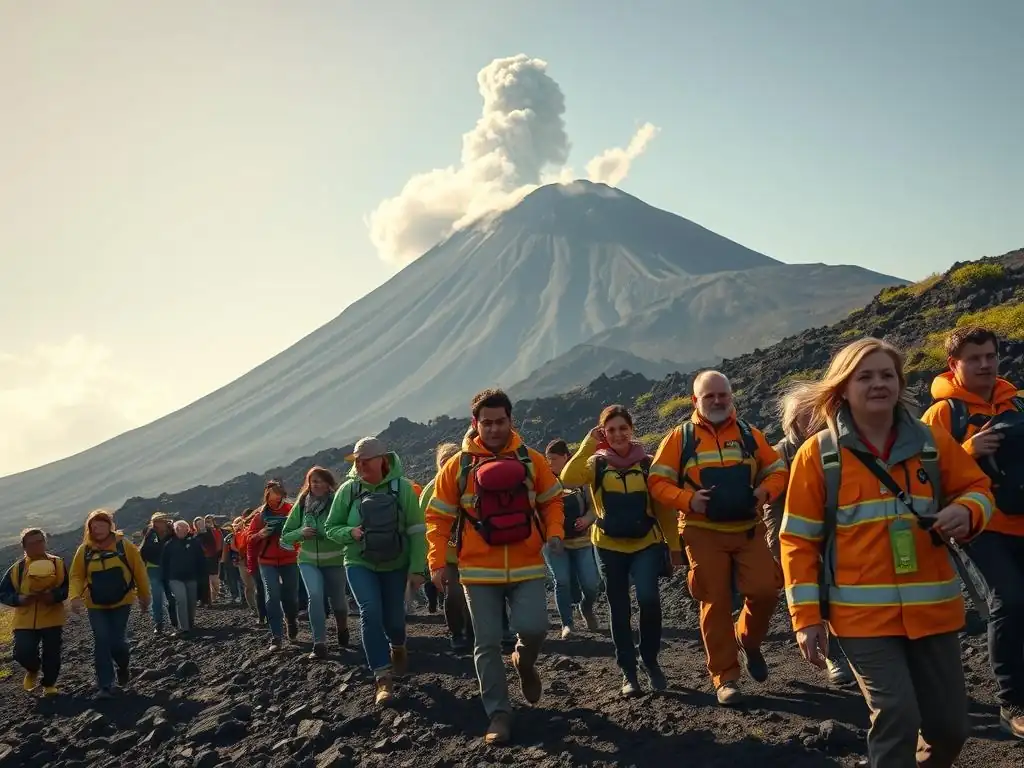
Organizing a successful volcano preparedness drill requires careful planning and coordination, involving several key steps to ensure effectiveness and community participation. The initial step is to define clear objectives for the drill. What specific skills or procedures are you aiming to test?
This could range from practicing evacuation routes to testing communication protocols or assessing the readiness of emergency kits. Once objectives are established, a planning team should be formed, comprising representatives from local authorities, emergency services, community leaders, and volcano experts. This team will be responsible for developing the drill scenario, outlining the timeline, assigning roles and responsibilities, and securing necessary resources.
Next, a realistic and relevant drill scenario must be designed. This scenario should be based on the specific volcanic hazards present in the area and consider different eruption types and potential impacts. For instance, if the volcano is known for producing lahars, the scenario should incorporate a lahar warning and evacuation procedures. The drill should also simulate realistic conditions as much as possible, including time constraints and potential challenges like road closures or communication disruptions.
Prior to the drill, extensive community outreach and education are crucial. Residents need to be informed about the drill's purpose, date, time, and what is expected of them. This can be achieved through public meetings, flyers, local media announcements, and online platforms. Finally, a post-drill evaluation plan should be in place to assess the drill's effectiveness, identify areas for improvement, and refine emergency plans based on the lessons learned.
Developing a Comprehensive Evacuation Plan for Volcanic Eruptions
A comprehensive evacuation plan is the cornerstone of volcano emergency preparedness, providing a structured framework for safely moving people away from hazardous areas during an eruption. Developing such a plan requires a thorough understanding of potential volcanic hazards, population distribution, transportation infrastructure, and available resources. The plan must clearly define evacuation zones based on risk assessments, delineating areas most vulnerable to different volcanic hazards like pyroclastic flows, lahars, and ashfall. These zones should be communicated clearly to the public through maps and easily understandable descriptions.
The evacuation plan needs to specify primary and secondary evacuation routes, taking into account road capacity, potential bottlenecks, and alternative routes in case of road closures due to volcanic activity. Designated assembly points or evacuation shelters should be identified in safe locations outside the hazard zones, equipped with necessary supplies and capable of accommodating the evacuating population. The plan must also address the needs of vulnerable populations, including the elderly, people with disabilities, and those without personal transportation, ensuring equitable access to evacuation assistance.
Furthermore, the plan should outline communication protocols for disseminating evacuation orders, providing real-time updates, and coordinating evacuation efforts among different agencies and organizations. Regular review and updates of the evacuation plan are essential to reflect changes in population, infrastructure, and scientific understanding of volcanic hazards.
Assembling a Volcano Emergency Kit: Essential Supplies and Checklist
Assembling a volcano emergency kit is a proactive and essential step for individuals and families living in volcanic hazard zones, ensuring they have the necessary supplies to cope during and immediately after an eruption. This kit should be readily accessible and portable, allowing for quick evacuation if necessary. A fundamental component is a supply of fresh water, aiming for at least one gallon per person per day for several days, considering both drinking and sanitation needs. Non-perishable food items are equally crucial, such as canned goods, energy bars, dried fruits, and ready-to-eat meals, sufficient for at least three days.
The emergency kit should also include essential safety and medical supplies. A first-aid kit with bandages, antiseptic wipes, pain relievers, and any personal medications is vital. Respiratory protection is critical during ashfall events; therefore, N95 respirators or dust masks should be included for each family member. Eye protection, such as goggles or glasses, is also important to shield against volcanic ash and irritants.
A battery-powered or hand-crank radio is essential for receiving emergency broadcasts and updates in case of power outages. Flashlights and extra batteries are necessary for visibility during power outages and in ash-darkened environments. Other important items include a whistle to signal for help, a multi-tool or knife, a local map, a cell phone charger, cash, and personal hygiene items. Regularly checking and replenishing the kit's contents, especially food and water, is crucial to ensure its readiness when needed.
Simulating Real Eruption Scenarios in Drills
Incorporating Different Eruption Types into Drill Scenarios: Lahar, Pyroclastic Flow, and Ashfall
To maximize the effectiveness of volcano emergency preparedness drills, it is crucial to incorporate simulations of different eruption types and their associated hazards. Volcanoes are diverse, and the threats they pose vary greatly depending on their geological characteristics and eruption styles. Drills should not be limited to generic eruption scenarios; instead, they should be tailored to the specific hazards of the volcano in question.
For volcanoes prone to lahar flows, the drill scenario should simulate a lahar warning, triggering evacuation to higher ground and practicing lahar safety procedures. This might involve simulated heavy rainfall as a trigger for lahar initiation and practicing evacuation routes away from river valleys.
Similarly, for volcanoes known for pyroclastic flows, the drill scenario should focus on rapid evacuation from areas vulnerable to these fast-moving, hot gas and rock flows. This requires emphasizing speed and efficiency in evacuation procedures and practicing sheltering in place in designated safe zones if evacuation is not possible. In regions where ashfall is a primary concern, the drill should simulate a significant ashfall event, prompting participants to practice sheltering indoors, sealing buildings against ash intrusion, and using respiratory and eye protection.
The scenario could include simulated power outages and disruptions to transportation caused by heavy ashfall. By incorporating these diverse eruption types into drills, communities can be better prepared for the range of hazards a specific volcano might present, rather than just a generalized volcanic eruption.
Practicing Communication Protocols During a Simulated Volcanic Crisis
Effective communication is paramount during a volcanic crisis, and emergency preparedness drills provide an invaluable opportunity to test and refine communication protocols. The drill scenario should incorporate realistic communication challenges, simulating potential disruptions to communication infrastructure, such as power outages or damage to communication lines. Participants should practice using various communication methods, including radio communication (both two-way radios and receiving emergency broadcasts), mobile phone communication (recognizing potential network overload), and even low-tech methods like using runners to deliver messages in simulated communication blackouts.
The drill should also test the flow of information from volcano observatories to emergency management agencies and then to the public. This involves simulating the dissemination of alert level changes, evacuation orders, and hazard updates through different channels, such as websites, social media, radio, and public address systems. Feedback mechanisms should be incorporated to assess how effectively information is being received and understood by the public.
Furthermore, the drill should practice inter-agency communication, ensuring smooth coordination and information sharing between volcano observatories, emergency responders, local authorities, and relevant organizations like hospitals and shelters. Identifying communication bottlenecks and gaps during the drill allows for adjustments to protocols and the implementation of redundant communication systems to ensure effective information flow during a real volcanic crisis.
Successful volcano emergency preparedness drills necessitate strong coordination with local authorities and emergency services. These entities are crucial partners in planning, executing, and evaluating drills, as they play leading roles in responding to actual volcanic eruptions. Early engagement of local authorities, including police, fire departments, ambulance services, and local government officials, is essential during the drill planning phase. Their expertise and resources are vital for developing realistic scenarios, securing necessary permits and logistical support, and ensuring that the drill aligns with local emergency response plans.
During the drill, local authorities and emergency services should actively participate, taking on their respective roles as they would in a real eruption scenario. This includes practicing traffic management during simulated evacuations, deploying emergency responders to simulated affected areas, and activating emergency operations centers. The drill provides an opportunity to test the interoperability of different emergency services and identify any coordination challenges.
Post-drill debriefings should involve all participating agencies to assess the effectiveness of inter-agency coordination, identify areas for improvement in communication and response protocols, and strengthen working relationships. Regular drills and joint exercises foster a culture of collaboration and preparedness, ensuring that local authorities and emergency services are well-prepared to work together seamlessly during a real volcanic emergency.
Evaluating and Improving Volcano Emergency Preparedness Drills
Post-Drill Assessment: Identifying Strengths and Weaknesses
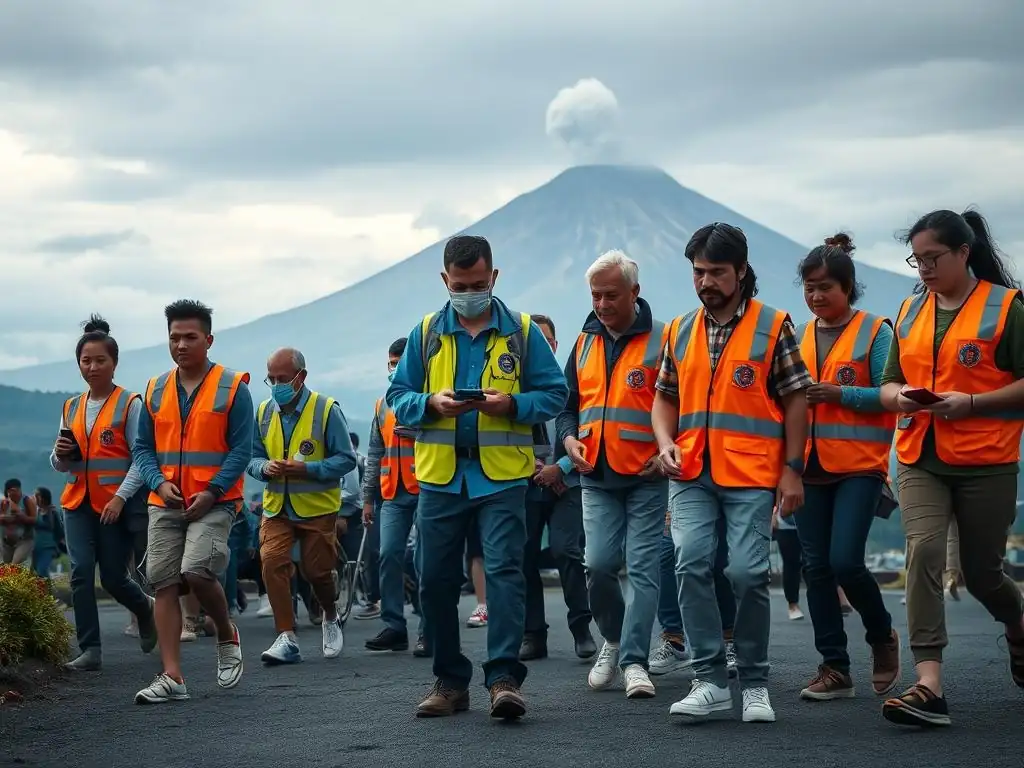
A post-drill assessment is a critical step in the volcano emergency preparedness drill cycle, transforming the exercise from a simple practice run into a valuable learning experience. Immediately after the drill, a debriefing session should be conducted, bringing together all participants, including community members, emergency responders, local authorities, and drill organizers. This session provides an opportunity to gather immediate feedback, capture initial impressions, and identify any significant issues or successes observed during the drill. More formally, a structured post-drill evaluation should be undertaken, using pre-defined metrics and evaluation forms to systematically assess the drill's effectiveness against its objectives.
The evaluation should focus on identifying both strengths and weaknesses in the emergency preparedness plan and its execution. Strengths might include effective communication protocols, well-executed evacuation procedures in certain areas, or strong community participation. Weaknesses could include communication breakdowns in specific zones, bottlenecks in evacuation routes, inadequate resource allocation, or gaps in public awareness.
Data should be collected from various sources, including participant feedback, observer reports, and performance metrics such as evacuation times and communication response rates. Analyzing this data allows for a comprehensive understanding of what worked well and what needs improvement, providing a foundation for refining emergency plans and future drills.
Refining Evacuation Routes and Procedures Based on Drill Outcomes
The outcomes of a volcano emergency preparedness drill provide valuable insights for refining evacuation routes and procedures, enhancing the overall effectiveness of the community's response plan. If the post-drill assessment reveals bottlenecks or inefficiencies in evacuation routes, such as traffic congestion at specific intersections or inadequate signage, adjustments must be made.
This could involve identifying alternative routes, improving traffic management strategies, or enhancing signage to guide evacuees more effectively. For example, if a drill reveals that a primary evacuation route is vulnerable to a specific volcanic hazard like a lahar path, alternative routes further away from the hazard should be prioritized and clearly communicated.
Drill outcomes might also highlight the need to refine evacuation procedures themselves. If the drill reveals confusion about assembly points, shelter locations, or evacuation protocols, these procedures need to be clarified and simplified. This could involve improving public information materials, conducting more targeted community education campaigns, or simplifying evacuation instructions.
If the drill indicates that certain vulnerable populations, such as the elderly or people with disabilities, face particular challenges during evacuation, specific procedures and resources need to be developed to address their needs. The refinement process should be iterative, with changes to evacuation routes and procedures being tested in subsequent drills to ensure their effectiveness and continuous improvement of the evacuation plan.
Community Feedback and Ongoing Improvement of Emergency Plans
Community feedback is an indispensable component of the ongoing improvement of volcano emergency plans and preparedness efforts. Residents living in volcanic hazard zones are the most directly affected by volcanic eruptions, and their experiences and perspectives are invaluable for identifying gaps in emergency plans and ensuring their relevance and effectiveness. After each volcano emergency preparedness drill, and even outside of drill exercises, mechanisms should be established to actively solicit and collect community feedback. This can be done through surveys, public meetings, online forums, or community liaison groups.
Feedback should be sought on all aspects of the emergency plan, including the clarity of alert level communications, the practicality of evacuation routes, the accessibility of shelters, and the effectiveness of community education initiatives. Residents may identify issues that were not apparent to planners, such as local traffic patterns, challenges faced by specific neighborhoods, or unmet needs within the community.
This feedback should be carefully considered and integrated into revisions of the emergency plan. Emergency planning should not be a static process; it should be a dynamic and iterative cycle of planning, drilling, evaluating, and improving, with community feedback serving as a vital compass guiding the continuous enhancement of volcano emergency preparedness.
Real-World Examples of Successful Volcano Preparedness Drills
Case Study: Mount Rainier - Lessons Learned from Recent Preparedness Exercises
Mount Rainier, a potentially active volcano in Washington State, USA, poses significant volcanic hazards to surrounding communities, including the densely populated Puget Sound region. Recognizing this risk, extensive volcano preparedness efforts are underway, including regular and comprehensive emergency preparedness drills. Recent drills around Mount Rainier have focused on simulating lahar events, which are considered one of the most significant and rapid-onset hazards associated with this volcano. These drills have involved practicing evacuation procedures in communities located in lahar inundation zones, testing warning systems, and coordinating responses among various agencies and organizations.
One key lesson learned from Mount Rainier drills is the importance of community-specific evacuation planning. Different communities around the volcano face varying levels of lahar risk and have unique geographical characteristics and infrastructure. Drills have highlighted the need for tailored evacuation plans that consider local road networks, population distribution, and community resources. Another crucial lesson has been the necessity of redundant and reliable warning systems.
Drills have tested various warning methods, including siren systems, radio broadcasts, and mobile alerts, revealing the strengths and limitations of each and emphasizing the need for a multi-layered approach to ensure warnings reach everyone in a timely manner. Furthermore, Mount Rainier drills have underscored the importance of public education and community engagement. Active community participation in drills and ongoing public awareness campaigns are vital for building a culture of preparedness and ensuring that residents understand the risks and know how to respond effectively.
Best Practices for Volcano Emergency Response from Around the World
Examining volcano emergency response practices from around the world reveals valuable best practices that can be adapted and implemented in different volcanic regions. Japan, a country with numerous active volcanoes and a long history of volcanic eruptions, emphasizes proactive volcano monitoring and robust early warning systems. The Japan Meteorological Agency (JMA) operates a sophisticated volcano monitoring network and provides detailed, multi-level alert systems to the public.
Japanese preparedness drills often incorporate scenarios based on specific volcano types and eruption histories, focusing on rapid evacuation and community-based response. Their approach highlights the importance of investing in advanced monitoring technology and clear, actionable public warnings.
In Latin America, countries like Colombia and Ecuador, situated along the Andes volcanic belt, have developed strong community-based volcano preparedness programs. These programs emphasize community education, participatory risk assessments, and the development of local emergency response teams. Community drills in these regions often involve training local volunteers in first aid, search and rescue, and communication, empowering communities to be active participants in their own safety. This approach underscores the value of grassroots preparedness efforts and building local capacity.
From Iceland, a country with frequent volcanic activity, a best practice is the integration of real-time volcano monitoring data into emergency response decision-making. Icelandic authorities utilize detailed monitoring data to assess eruption risks dynamically and adjust response strategies accordingly. This highlights the importance of data-driven decision-making and flexible response plans that can adapt to the evolving nature of volcanic eruptions.
Staying Informed and Prepared for Future Volcanic Activity
Accessing Real-Time Volcano Monitoring Data and Alerts
Staying informed about volcanic activity is crucial for residents and explorers in volcanic regions, and accessing real-time volcano monitoring data and alerts is a key component of preparedness. Volcano observatories worldwide provide publicly accessible data and alerts through various online platforms. The USGS Volcano Hazards Program website (www.usgs.gov/volcanoes) is a primary source of information for volcanoes in the United States, offering real-time monitoring data, alert level updates, and volcano activity reports. Similarly, the Smithsonian Institution's Global Volcanism Program (volcano.si.edu) provides a global overview of volcanic activity, including eruption reports and volcano information.
Many national volcano observatories maintain their own websites and social media channels, providing localized information and alerts. For example, the Instituto Geofísico of Ecuador (www.igepn.edu.ec) offers real-time monitoring data and alerts for Ecuadorian volcanoes. Mobile apps and alert services are also increasingly available, delivering volcano alerts directly to smartphones.
The USGS Volcanoes app, for instance, provides alerts and information for US volcanoes. It is essential for individuals living near volcanoes to identify the official sources of volcano information for their region and to regularly check these sources for updates. Understanding how to interpret volcano monitoring data and alert levels empowers individuals to make informed decisions about their safety and preparedness.
Participating in Community Volcano Preparedness Initiatives
Active participation in community volcano preparedness initiatives is a vital step for individuals and families living in volcanic hazard zones. These initiatives, often organized by local emergency management agencies, community organizations, and volcano observatories, provide valuable opportunities to learn about volcano hazards, emergency procedures, and how to prepare effectively. Community workshops and training sessions offer hands-on learning experiences, covering topics such as volcano alert levels, evacuation routes, emergency kit assembly, and first aid. These sessions often provide opportunities to ask questions and interact with volcano experts and emergency responders.
Volcano preparedness drills are a central component of community initiatives, allowing residents to practice evacuation procedures and test their preparedness plans in a simulated environment. Participating in drills not only enhances individual preparedness but also strengthens community resilience as a whole. Volunteering with local emergency response teams or community preparedness groups is another way to actively contribute to community safety.
These groups often play a crucial role in disseminating information, assisting with evacuation efforts, and providing support to affected communities during a volcanic crisis. Engaging in community initiatives fosters a culture of preparedness, ensuring that residents are not just individually prepared but also collectively ready to respond effectively to volcanic activity.
The Role of Education in Mitigating Volcanic Risk
Education plays a fundamental role in mitigating volcanic risk, empowering individuals and communities to understand volcano hazards, make informed decisions, and take appropriate preparedness actions. Public education campaigns are essential for raising awareness about volcano risks, communicating alert level systems, and promoting preparedness measures. These campaigns should utilize various channels, including schools, community centers, public meetings, and online platforms, to reach diverse audiences. Educational materials should be tailored to different age groups and literacy levels, using clear, concise, and culturally appropriate language.
School curricula can incorporate volcano science and hazard education, starting from primary school levels, to instill a culture of preparedness from a young age. Community workshops and training programs should be offered regularly to provide more in-depth knowledge and practical skills related to volcano safety. Collaboration between volcano observatories, emergency management agencies, and educational institutions is crucial for developing and delivering effective educational programs.
Furthermore, risk communication strategies should be refined to ensure that volcano information and alerts are communicated clearly, consistently, and accessibly to the public. Investing in education and risk communication is a long-term strategy that builds community resilience and reduces vulnerability to volcanic hazards by fostering a well-informed and prepared population.
Frequently Asked Questions
What is a volcano emergency preparedness drill?
A volcano emergency preparedness drill is a practice exercise designed to simulate a real volcanic eruption scenario. It helps communities near volcanoes prepare for evacuation, understand alert levels, and learn safety procedures.
Why are volcano emergency preparedness drills important?
These drills are vital because they familiarize residents with evacuation routes, communication protocols, and emergency response procedures. This increased preparedness can significantly reduce casualties and confusion during an actual eruption.
What are some key elements of a volcano emergency preparedness drill?
Key elements often include simulated evacuation, testing of communication systems (sirens, alerts), and practice using emergency kits. Drills also reinforce the importance of following official instructions from authorities.
How often should volcano emergency preparedness drills be conducted?
The frequency of drills depends on the volcano's activity level and the community's needs. However, experts generally recommend conducting drills at least annually to maintain preparedness.
Where can I find information about upcoming volcano emergency preparedness drills in my area?
Information is usually disseminated by local government agencies, emergency management offices, and organizations like VolcanoExplorers.org. Look for announcements in local news outlets and on official websites.
Final Reflection: Embracing Preparedness in the Shadow of Giants
The preceding exploration of volcano emergency preparedness drills underscores a crucial reality: proactive planning is the cornerstone of resilience in the face of natural disasters. While the raw power of a volcanic eruption can seem insurmountable, the knowledge and skills gained through these drills empower communities to mitigate risk and protect lives, transforming potential victims into active participants in their own safety.
The impact of these drills extends far beyond the immediate vicinity of a volcano. They foster a culture of preparedness, not just for volcanic events, but for any unforeseen crisis that may arise. This collective awareness and readiness are invaluable assets, strengthening community bonds and building a more resilient society. By failing to prepare, you are preparing to fail.
- Benjamin Franklin. This quote resonates deeply when considering the potential devastation of a volcanic eruption and the critical role that preparedness plays in minimizing its impact.
Now, as you reflect on the importance of volcano emergency preparedness drills, consider how you can apply the principles of proactive planning and community engagement to your own life. Are you prepared for potential emergencies in your area? Are you actively contributing to a culture of preparedness within your community? Let us all strive to be informed, engaged, and ready, transforming fear into informed action and building a safer, more resilient future for ourselves and generations to come.
Unleash Your Inner Volcano Preparedness!
Thanks for taking the time to learn about volcano alert level drills and their importance. We hope this article has empowered you with valuable insights into staying safe in volcanic regions. Now, let's put that knowledge into action!
Here are a few things you can do right now:
- Immediately check your local emergency preparedness guidelines. This is the single most important thing you can do to protect yourself and your family.
- Share this article with friends and family who live near volcanic areas or are interested in volcanic preparedness. Spreading awareness can save lives!
- Think about assembling a "go-bag" specifically tailored for volcanic emergencies. What unique items, beyond the standard supplies, would you include?
What specific steps are you going to take this week to increase your volcano preparedness, and what innovative items will you add to your emergency kit? Let us know in the comments below!