
Andes Volcanoes: South America's Fiery Spine Revealed

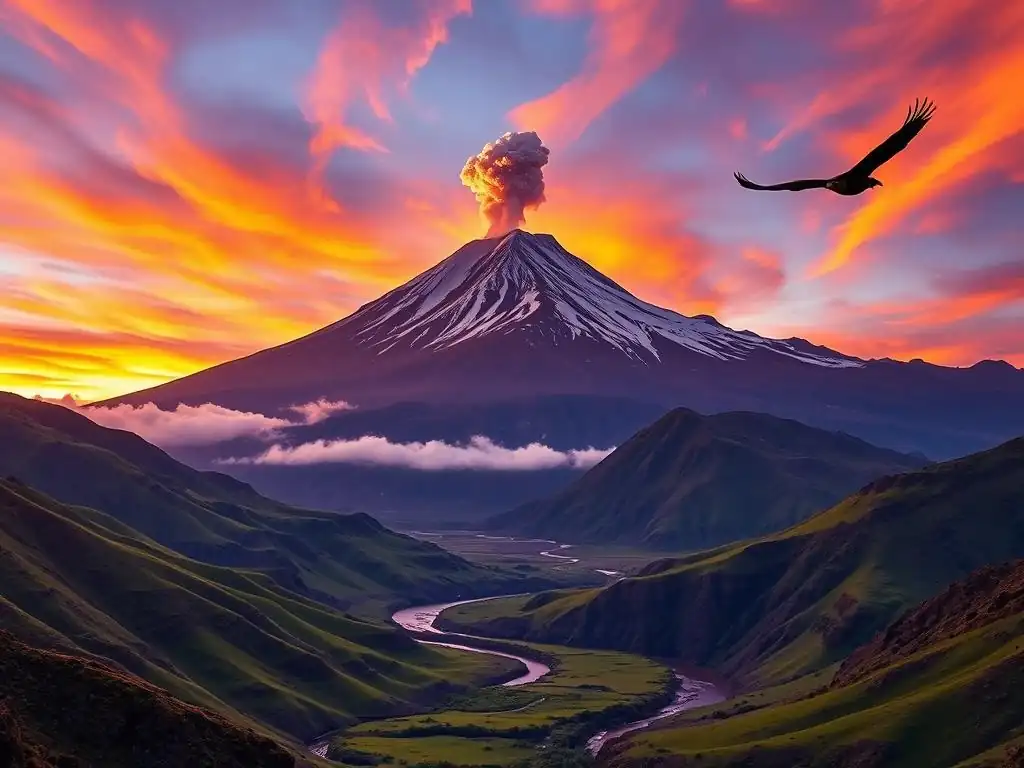
Welcome to Volcano Explorers!
Prepare to journey to the heart of South America's fiery spine. Are you ready to uncover the secrets hidden within the majestic Andes volcanoes? This Andes volcanoes travel guide will ignite your wanderlust and reveal the breathtaking, yet perilous, beauty of these colossal peaks. But that's just the beginning... Dare to delve deeper and discover the forces that forged these wonders and the stories they hold.
- Exploring the Andes Volcanoes: A South American Volcanic Adventure
- Understanding the Andes Volcanic Belt: Formation and Geology
- Planning Your Andes Volcanoes Travel: A Comprehensive Guide
-
Top Andes Volcanoes to Visit: A Volcanic Travel Itinerary
- Cotopaxi, Ecuador: Climbing the Iconic Andean Volcano
- Villarrica, Chile: Witnessing Volcanic Activity Up Close
- Nevados Ojos del Salado, Argentina/Chile: Reaching the Heights of the World's Highest Active Volcano
- Nevado del Ruiz, Colombia: A Volcanic Landscape of Beauty and History
- Exploring the Atacama Desert Volcanoes: A Unique Andean Experience
- Andes Volcanoes and Local Culture: Traditions and Beliefs
- Andes Volcanoes Photography: Capturing the Beauty of Volcanic Landscapes
- The Future of Andes Volcanoes: Research and Conservation
-
Frequently Asked Questions
- What makes the Andes volcanoes so unique compared to other volcanic regions?
- What are some of the most famous Andes volcanoes that travelers should consider visiting?
- Is it safe to travel near active Andes volcanoes, and what precautions should be taken?
- What kind of volcanic activity can be expected when visiting the Andes volcanoes?
- What is the cultural significance of volcanoes to the communities living near the Andes?
- Final Reflection: Embracing the Andes' Volcanic Majesty
- Ignite Your Inner Explorer: Journey Deeper into the Andes!
Exploring the Andes Volcanoes: A South American Volcanic Adventure
The Andes Mountains, stretching over 7,000 kilometers along the western edge of South America, are not just a mountain range; they are a dynamic volcanic arc, a fiery spine punctuated by hundreds of volcanoes. This region offers an unparalleled adventure for volcano enthusiasts and travelers alike, promising breathtaking landscapes, thrilling experiences, and a deep dive into the Earth's geological forces.
From the snow-capped peaks of Patagonia to the arid heights of the Atacama Desert, the Andes volcanoes present a diverse tapestry of volcanic wonders waiting to be explored. Imagine trekking through lunar-like terrains, witnessing steaming fumaroles, or even summiting a colossal volcano – the Andes offer all this and more for the adventurous spirit.
Embarking on an Andes volcanoes travel journey is more than just sightseeing; it's an immersion into a world where the raw power of nature is palpable. The sheer scale of the Andes volcanic belt is staggering, encompassing countries like Colombia, Ecuador, Peru, Bolivia, Chile, and Argentina. Each nation offers unique access points and perspectives on these geological giants.
Whether you are a seasoned mountaineer seeking a challenging ascent, a nature lover captivated by dramatic scenery, or a curious mind eager to learn about volcanic processes, the Andes volcanoes provide a rich and rewarding experience. Prepare to be awestruck by the majestic beauty and humbled by the immense power of these South American volcanoes.
Understanding the Andes Volcanic Belt: Formation and Geology
The Tectonic Origins of Andes Volcanoes: Subduction Zones Explained
The Andes volcanoes owe their existence to the dynamic process of plate tectonics, specifically the subduction of the Nazca Plate beneath the South American Plate. This colossal collision occurs along the Peru-Chile Trench, a deep oceanic trench running parallel to the Andes coastline. As the denser Nazca Plate dives beneath the lighter South American Plate, it descends into the Earth's mantle.
This descent isn't a smooth slide; rather, it's a process that generates immense friction, heat, and pressure. The subducting plate releases water and other volatiles into the overlying mantle wedge, lowering the melting point of the mantle rocks and triggering the formation of magma.
This magma, less dense than the surrounding solid rock, begins to rise towards the surface. Over millions of years, repeated eruptions and the accumulation of volcanic materials have built up the towering Andes Mountains and their iconic volcanoes. The type of subduction occurring in this region, characterized by a relatively shallow angle of descent, influences the location and characteristics of the volcanic arc.
The Andes volcanic belt is a prime example of a subduction zone volcano system, showcasing the powerful interplay between tectonic plates and the dramatic volcanic activity they create. Understanding subduction is key to appreciating the geological forces that have sculpted this remarkable landscape, a crucial aspect for any Andes volcanoes travel guide.
The Diverse Geology of Andes Volcanoes: From Stratovolcanoes to Calderas
The Andes volcanic belt is not monolithic; it exhibits a remarkable diversity in volcanic structures and compositions. Stratovolcanoes, also known as composite volcanoes, are perhaps the most iconic and numerous type found here. These are characterized by their steep, conical shapes, formed by layers of lava flows, volcanic ash, and pyroclastic deposits. Examples like Cotopaxi in Ecuador and Villarrica in Chile exemplify this classic volcanic form. Their explosive eruption styles and majestic profiles make them popular destinations for Andes volcanoes travel.
However, the Andes also host other fascinating volcanic features. Calderas, large basin-shaped depressions formed after massive eruptions empty a volcano's magma chamber, are present in regions like the Altiplano-Puna Volcanic Complex. These can be vast and often contain stunning lakes, like Laguna Quilotoa in Ecuador, which sits within a caldera. Furthermore, different magma compositions across the Andes result in variations in eruption styles and rock types, ranging from andesitic to rhyolitic. This geological diversity ensures that exploring the Andes volcanoes offers a constantly evolving and enriching experience, revealing different facets of volcanic activity at every turn.
Active Volcanoes in the Andes: Monitoring and Research Efforts
The Andes volcanic belt is one of the most volcanically active regions on Earth. Numerous volcanoes are considered active, meaning they have erupted in recent history or show signs of unrest, such as increased seismicity, gas emissions, or ground deformation. Volcanic activity in the Andes poses significant hazards to nearby populations and infrastructure, making monitoring and research efforts critically important. Countries along the Andes have established sophisticated volcano monitoring networks, employing seismometers, GPS stations, gas sensors, and satellite imagery to track volcanic activity in real-time.
For instance, the Volcanological and Seismological Observatory of Costa Rica (OVSICORI-UNA) actively monitors volcanoes in Costa Rica, which, although not strictly in the Andes, is part of the broader Central American Volcanic Arc, sharing similar tectonic origins. Similarly, agencies in Chile, Ecuador, Colombia, and Peru maintain extensive monitoring programs. These efforts are crucial for providing early warnings of potential eruptions, allowing for timely evacuations and mitigating the impact of volcanic hazards.
Research volcanologists play a vital role in interpreting monitoring data, studying past eruptions to understand future behavior, and developing hazard assessments for communities living near Andes volcanoes. This ongoing scientific endeavor is fundamental for safe Andes volcanoes travel and coexisting with these powerful natural forces.
Planning Your Andes Volcanoes Travel: A Comprehensive Guide
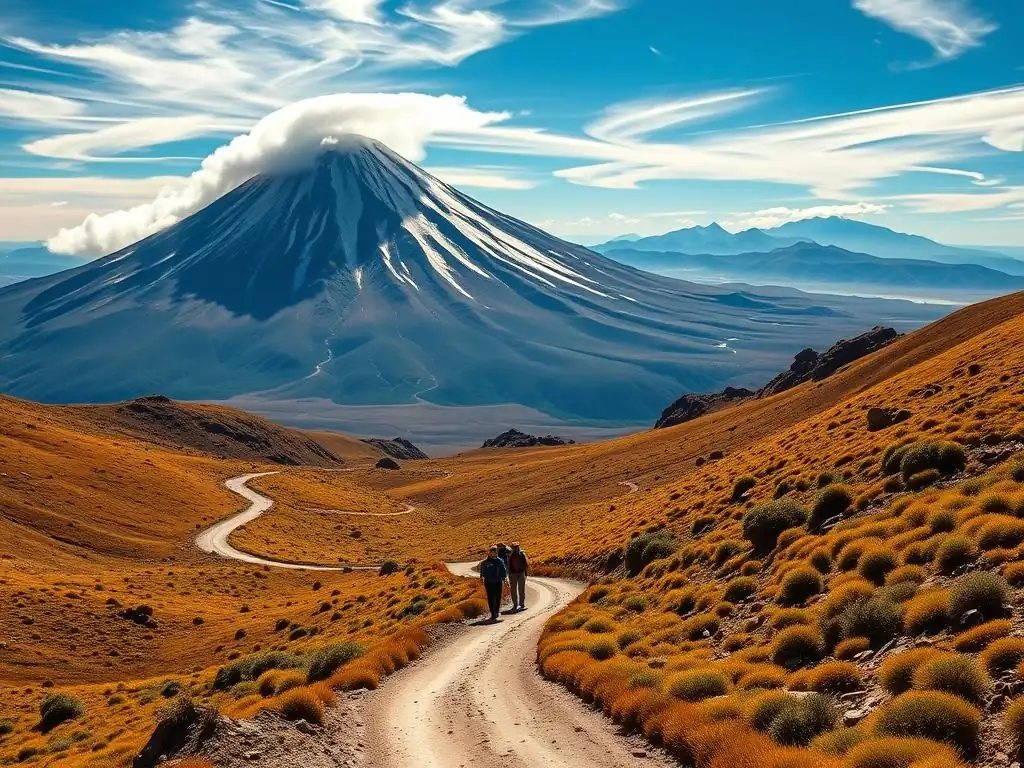
Best Time to Visit Andes Volcanoes: Seasonal Considerations
The best time to plan your Andes volcanoes travel largely depends on the specific region and your intended activities. The Andes span a vast latitudinal range, resulting in diverse climates. Generally, the dry season, which typically falls between May and September, is considered the most favorable time to visit for trekking and mountaineering in many Andean regions, including Ecuador, Peru, and Bolivia. During this period, you can expect clearer skies, less rainfall, and more stable weather conditions, crucial for activities at high altitudes and around volcanoes.
However, it's essential to consider regional variations. For example, in the southern Andes of Chile and Argentina (Patagonia), the summer months (December to March) offer the most pleasant weather, although conditions can still be unpredictable. Conversely, the dry season in the Atacama Desert, known for its volcanoes, is also during the Southern Hemisphere winter, providing sunny days and cold nights.
For those interested in wildlife viewing or specific cultural festivals, other times of the year might be more suitable. Always research the specific climate patterns and weather forecasts for your chosen destination within the Andes before finalizing your Andes volcanoes travel plans.
Essential Gear for Andes Volcano Exploration: What to Pack
Packing for an Andes volcanoes travel adventure requires careful consideration of the varied environments and potential altitudes. Layering is key, as temperatures can fluctuate dramatically, especially at higher elevations. Essential clothing items include moisture-wicking base layers, insulating mid-layers (fleece or down), and a waterproof and windproof outer shell. Sturdy hiking boots with ankle support are crucial for navigating volcanic terrains, which can be uneven and rocky. Don't forget warm socks, gloves, and a hat to protect against cold and sun.
Sun protection is paramount, even on cloudy days at high altitude. Pack high SPF sunscreen, sunglasses with UV protection, and a wide-brimmed hat. Other essential gear includes a reusable water bottle or hydration pack to stay hydrated, a headlamp or flashlight, a first-aid kit with altitude sickness medication (if necessary), and a map and compass or GPS device.
If you plan on camping or trekking at higher altitudes, you'll need appropriate camping gear, including a tent, sleeping bag rated for cold temperatures, and cooking equipment. For volcano photography enthusiasts, bring your camera gear, including extra batteries and memory cards, and consider a tripod for capturing stunning volcanic landscapes. Remember to check specific gear recommendations based on your planned activities and the altitude you'll be reaching on your Andes volcanoes travel.
Safety Precautions for Visiting Active Volcanoes in the Andes: Minimizing Risks
Visiting active volcanoes is an inherently adventurous activity, but it's crucial to prioritize safety and minimize risks. Always heed warnings and advisories issued by local authorities and volcano observatories. Before embarking on any Andes volcanoes travel, research the current activity level of the volcanoes you plan to visit. Check for any recent alerts, eruption updates, or restricted areas. Engage reputable tour operators and guides who are experienced in volcano tourism and knowledgeable about safety protocols.
Altitude sickness is a significant concern at the high elevations common in the Andes. Acclimatize gradually to the altitude, ascend slowly, stay hydrated, avoid alcohol and caffeine, and be aware of the symptoms of altitude sickness (headache, nausea, fatigue). If symptoms develop, descend to a lower altitude immediately. When near active volcanic areas, be mindful of potential hazards such as volcanic gases (sulfur dioxide, carbon dioxide), which can be toxic or asphyxiating.
Avoid areas with strong sulfur smells or visible gas plumes. Be prepared for potential volcanic eruptions, even if they are considered low probability. Familiarize yourself with evacuation routes and emergency procedures. Wearing sturdy footwear, protective clothing, and carrying a first-aid kit are essential safety measures for any Andes volcanoes travel experience.
Top Andes Volcanoes to Visit: A Volcanic Travel Itinerary
Cotopaxi, Ecuador: Climbing the Iconic Andean Volcano
Cotopaxi, standing at a majestic 5,897 meters (19,347 feet), is one of the world's highest active volcanoes and a true icon of the Andes. Located in Ecuador's Cotopaxi National Park, its perfectly conical snow-capped peak dominates the landscape. Climbing Cotopaxi is a popular but challenging endeavor, typically requiring two days with an overnight stay in a refuge at around 4,800 meters. The ascent involves glacier travel, demanding mountaineering experience or hiring a certified guide. The reward for reaching the summit is breathtaking panoramic views of the Ecuadorian Andes, including other volcanoes like Antisana and Cayambe.
Even for those not aiming to summit, Cotopaxi National Park offers incredible opportunities for exploration. Hiking trails wind through páramo grasslands and volcanic landscapes, offering views of the volcano and diverse flora and fauna. Lake Limpiopungo, located within the park, is a beautiful spot for birdwatching and enjoying the scenery. Visiting Cotopaxi provides a quintessential Andes volcanoes travel experience, combining stunning natural beauty with the thrill of exploring an active volcanic environment. It's a must-see destination for anyone venturing into the Ecuadorian Andes.
Villarrica, Chile: Witnessing Volcanic Activity Up Close
Villarrica volcano, located near the town of Pucón in Chile, is renowned for its near-constant activity, often featuring a glowing lava lake in its summit crater. This stratovolcano, rising to 2,847 meters (9,340 feet), is a popular destination for volcano tourism, offering the unique opportunity to witness volcanic activity up close. Guided tours are available to climb Villarrica, even in winter for skiing on its slopes. The ascent, while challenging, is generally considered less technically demanding than Cotopaxi, making it accessible to fit hikers with proper gear and guidance.
Reaching the crater rim of Villarrica allows for spectacular views into the active crater, where molten lava can often be seen bubbling and glowing, especially at night. The experience is both awe-inspiring and humbling, providing a visceral connection to the Earth's dynamic processes. Beyond climbing, the Villarrica area offers a wealth of outdoor activities, including hot springs, kayaking on lakes, and exploring national parks. Visiting Villarrica is a highlight for any Andes volcanoes travel itinerary, offering a thrilling and unforgettable encounter with an actively erupting volcano.
Nevados Ojos del Salado, Argentina/Chile: Reaching the Heights of the World's Highest Active Volcano
Nevados Ojos del Salado, straddling the border between Argentina and Chile, holds the title of the world's highest active volcano, reaching an astounding altitude of 6,893 meters (22,615 feet). Located in the Atacama Desert, its ascent is a serious mountaineering expedition, requiring significant acclimatization, technical skills, and logistical planning. Despite its extreme altitude, Ojos del Salado is considered a non-technical climb in good weather conditions, primarily involving high-altitude trekking and some scrambling.
Reaching the summit of Ojos del Salado is an extraordinary achievement, offering unparalleled views of the vast Atacama Desert and the surrounding Andean peaks. The environment is stark and otherworldly, characterized by extreme aridity, high UV radiation, and thin air. Due to its remote location and challenging conditions, Ojos del Salado is less frequently visited than other Andean volcanoes, making it a destination for experienced mountaineers seeking a truly unique and demanding Andes volcanoes travel experience. Conquering Ojos del Salado is a testament to human endurance and a chance to stand atop the highest volcanic point on Earth.
Nevado del Ruiz, Colombia: A Volcanic Landscape of Beauty and History
Nevado del Ruiz, located in the central Colombian Andes, is a volcano steeped in both natural beauty and tragic history. Rising to 5,321 meters (17,457 feet), it's part of Los Nevados National Natural Park, a protected area showcasing stunning Andean landscapes and diverse ecosystems. While Nevado del Ruiz is still active and monitored, it offers opportunities for hiking and exploration around its flanks and in the surrounding park. The park is known for its páramo vegetation, glacial lakes, and hot springs.
Nevado del Ruiz is unfortunately also infamous for its devastating 1985 eruption, which triggered a massive lahar (volcanic mudflow) that tragically buried the town of Armero, resulting in over 25,000 fatalities. Visiting the Armero tragedy memorial site provides a somber but important reminder of the destructive power of volcanoes and the importance of volcanic hazard awareness. Despite this history, Nevado del Ruiz and Los Nevados National Park remain a captivating destination for Andes volcanoes travel, offering a blend of scenic beauty, historical significance, and a powerful lesson in living with volcanic risk.
Exploring the Atacama Desert Volcanoes: A Unique Andean Experience
The Atacama Desert, stretching across northern Chile, parts of Peru, Bolivia, and Argentina, is home to a remarkable collection of volcanoes, many of which are exceptionally high and strikingly beautiful. This hyper-arid environment creates a unique setting for volcano exploration, with stark landscapes, clear skies, and otherworldly scenery. Volcanoes like Licancabur, Parinacota, and Guallatiri rise dramatically from the desert floor, creating stunning visual contrasts.
Exploring the Atacama Desert volcanoes offers a different kind of Andes volcanoes travel experience compared to the wetter, more vegetated regions further north and south. The focus here is on high-altitude desert landscapes, often combined with stargazing due to the exceptionally clear night skies and minimal light pollution. Many Atacama volcanoes are accessible for hiking and climbing, although altitude acclimatization is crucial.
The region also offers opportunities to visit geothermal areas, salt flats, and unique desert ecosystems, making it a multifaceted and unforgettable volcanic adventure. The Atacama Desert volcanoes showcase the adaptability of life and the dramatic beauty of volcanic landscapes in extreme environments.
Andes Volcanoes and Local Culture: Traditions and Beliefs
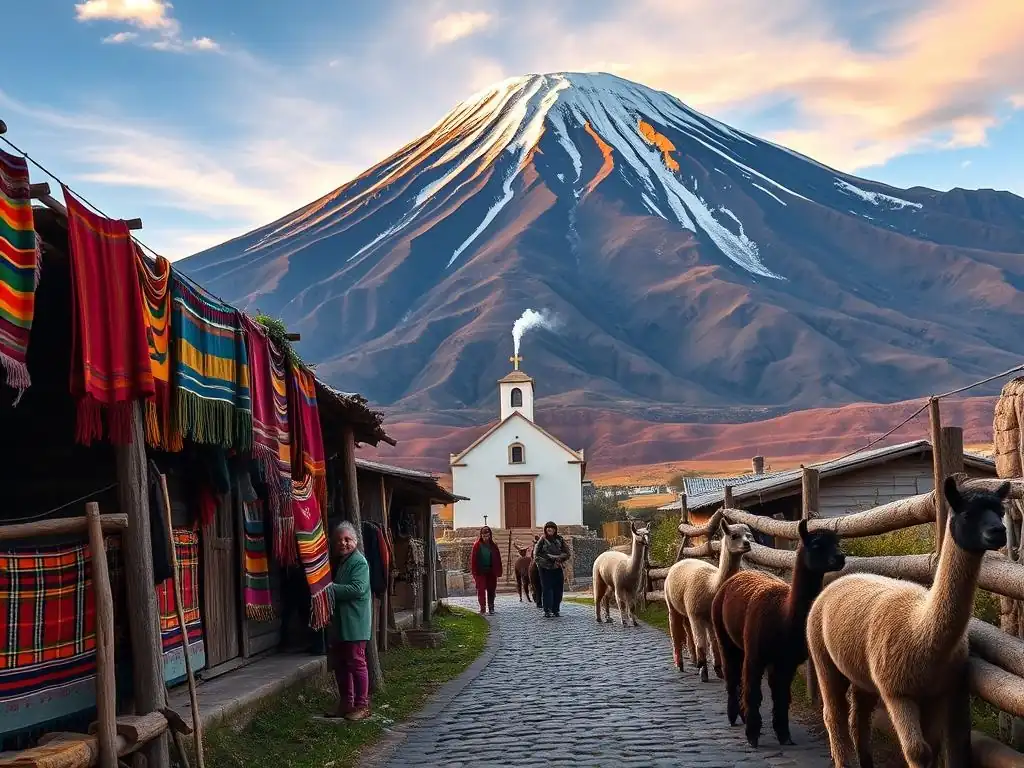
The Cultural Significance of Volcanoes to Andean Communities
Volcanoes have held profound cultural and spiritual significance for Andean communities for millennia. In many indigenous cultures, volcanoes are not merely geological features but are revered as sacred mountains, deities, or ancestral spirits. They are often seen as powerful forces of nature, capable of both destruction and creation, embodying the duality of life itself. This deep connection is reflected in Andean mythology, rituals, and daily life.
For example, mountains, including volcanoes, are often referred to as "Apus" in Quechua and Aymara languages, signifying their sacred status and their role as protectors of communities. Offerings and ceremonies are often performed at volcanic peaks to appease the spirits, ensure good harvests, and seek protection from natural disasters. Volcanic landscapes are woven into the cultural fabric of Andean societies, influencing agricultural practices, social structures, and artistic expressions. Understanding this cultural dimension adds a deeper layer of appreciation to any Andes volcanoes travel experience, revealing the intricate relationship between people and their volcanic environment.
Indigenous Legends and Myths Surrounding Andes Volcanoes
Andean folklore is rich with legends and myths that personify volcanoes and explain their origins and behaviors. Many stories depict volcanoes as powerful beings engaged in eternal conflicts or romantic relationships. For instance, some legends tell of volcanoes as warring brothers or jealous lovers, their eruptions reflecting their anger or passion. These narratives often serve to explain natural phenomena, instill moral lessons, and transmit cultural values across generations.
The legend of Popocatépetl and Iztaccíhuatl in Mexico, though not strictly Andean, shares thematic similarities with Andean volcano myths. It tells the story of two lovers transformed into volcanoes, their eternal slumber symbolizing their enduring love and the majestic presence of these mountains in the landscape. Similarly, Andean myths often imbue volcanoes with human-like qualities, emotions, and motivations, making them integral characters in the cosmic drama of the Andes. Exploring these indigenous legends during your Andes volcanoes travel can provide fascinating insights into the cultural imagination and the deep respect for the power of nature.
Sustainable Tourism and Responsible Volcano Exploration in the Andes
As interest in Andes volcanoes travel grows, it's crucial to promote sustainable tourism practices that respect both the environment and local communities. Responsible volcano exploration involves minimizing our impact on fragile volcanic ecosystems, supporting local economies, and respecting cultural sensitivities. Choosing eco-friendly tour operators who prioritize conservation and community benefits is a key step. Following Leave No Trace principles, such as packing out all trash, staying on marked trails, and minimizing disturbance to wildlife and vegetation, is essential in these sensitive environments.
Respecting local cultures and traditions is equally important. Engage with local communities respectfully, learn about their customs, and support local businesses. Avoid activities that could be disrespectful to sacred sites or cultural practices. Consider the environmental impact of your travel choices, such as choosing public transportation or carpooling, and opting for accommodations that have sustainable practices. By practicing responsible tourism, we can ensure that Andes volcanoes travel benefits both visitors and the communities who call these volcanic landscapes home, preserving these natural and cultural treasures for future generations.
Andes Volcanoes Photography: Capturing the Beauty of Volcanic Landscapes
Tips for Photographing Andes Volcanoes: Lighting and Composition
Photographing Andes volcanoes presents unique challenges and opportunities. The dramatic landscapes, often characterized by high altitudes, stark contrasts, and dynamic weather conditions, demand careful planning and technique. Golden hour, the hour after sunrise and before sunset, is particularly magical for volcano photography, casting warm, soft light that accentuates textures and shapes. Sunrise and sunset can paint the snow-capped peaks in vibrant hues, creating stunning images.
Composition is key to capturing the grandeur of Andes volcanoes. Use leading lines, such as roads, rivers, or ridgelines, to draw the viewer's eye towards the volcano. Incorporate foreground elements, like rocks, vegetation, or people, to provide scale and context. Experiment with different perspectives, shooting from low angles to emphasize the volcano's height or from higher vantage points to capture panoramic views.
Consider using a polarizing filter to reduce glare, enhance colors, and cut through haze, especially in bright sunlight. A telephoto lens can compress perspective and bring distant volcanoes closer, while a wide-angle lens can capture expansive landscapes. Mastering these techniques will elevate your Andes volcanoes travel photography and help you capture the true essence of these majestic mountains.
Best Locations for Andes Volcano Photography: Scenic Viewpoints
The Andes offer countless breathtaking viewpoints for photographing volcanoes. Cotopaxi National Park in Ecuador provides numerous vantage points for capturing the iconic Cotopaxi volcano, including Lake Limpiopungo and various hiking trails. The area around Pucón in Chile offers stunning views of Villarrica volcano, especially from the shores of Lake Villarrica or during the ascent of the volcano itself.
The Atacama Desert in Chile and Bolivia is a photographer's paradise, with volcanoes like Licancabur, Parinacota, and Ojos del Salado offering dramatic subjects against the stark desert backdrop. The Salar de Uyuni in Bolivia, the world's largest salt flat, provides surreal reflective surfaces that can create incredible volcano reflections, particularly of volcanoes in the distance like Tunupa.
In Peru, the Colca Canyon offers views of the active Sabancaya volcano, while the region around Arequipa provides vistas of El Misti volcano. Exploring national parks, scenic overlooks, and trekking routes in the Andes will reveal countless photographic opportunities. Researching specific locations and viewpoints beforehand, using online resources and photography guides, can help you plan your Andes volcanoes travel photography itinerary and ensure you capture the most stunning perspectives.
Sharing your Andes volcanoes photos is a powerful way to inspire others to explore these incredible landscapes and learn about the wonders of volcanology. Online platforms like Instagram, Flickr, and 500px are excellent for showcasing your photography and reaching a global audience. Use relevant hashtags, such as #AndesVolcanoes, #VolcanoExplorers, #SouthAmericaTravel, and #VolcanoPhotography, to increase the visibility of your photos. Engage with other photographers and travelers, share your experiences, and build a community around your passion for volcano exploration.
Consider creating a blog or website to showcase your Andes volcanoes travel photography in more detail, sharing stories, tips, and information about the locations you visited. Submitting your photos to travel magazines, photography contests, or online publications can further expand your reach and recognition.
By sharing your images and experiences, you can contribute to raising awareness about the beauty and importance of Andes volcanoes, encouraging responsible tourism and fostering a deeper appreciation for these natural wonders. Your photography can become a powerful tool for inspiring others to embark on their own Andes volcanoes travel adventures and to connect with the Earth's dynamic processes.
The Future of Andes Volcanoes: Research and Conservation
Monitoring Climate Change Impacts on Andes Volcanoes
Climate change is posing significant threats to the fragile ecosystems and glacial environments of the Andes volcanoes. Rising temperatures are accelerating glacier melt, impacting water resources, increasing the risk of glacial lake outburst floods (GLOFs), and altering volcanic activity patterns. Monitoring these climate change impacts on Andes volcanoes is crucial for understanding and mitigating these risks. Scientists are using various techniques, including satellite imagery, ground-based measurements, and climate models, to track glacier retreat, changes in snowpack, and shifts in volcanic activity.
For example, studies have shown accelerated glacier melt on volcanoes like Cotopaxi and Chimborazo in Ecuador, with significant implications for water availability for downstream communities. Changes in ice cover can also affect volcanic stability and eruption dynamics. Understanding the complex interplay between climate change and volcanic processes in the Andes is essential for developing adaptation strategies and ensuring the long-term sustainability of these regions. Continued research and monitoring are vital for informing policy decisions and protecting both human populations and volcanic ecosystems in the face of a changing climate.
Conservation Efforts to Protect Andes Volcanic Ecosystems
Andes volcanic ecosystems are biodiversity hotspots, harboring unique flora and fauna adapted to extreme high-altitude environments. These ecosystems are increasingly threatened by climate change, tourism development, mining activities, and habitat degradation. Conservation efforts are crucial to protect these valuable natural resources. Establishing protected areas, such as national parks and reserves, is a key strategy for safeguarding volcanic landscapes and their biodiversity.
Effective management of these protected areas involves implementing regulations to control tourism impacts, prevent illegal activities, and promote sustainable resource use. Community-based conservation initiatives, involving local communities in conservation planning and management, are also essential for long-term success. Research into the unique biodiversity of Andes volcanic ecosystems is vital for informing conservation strategies and prioritizing conservation actions. Raising public awareness about the importance of these ecosystems and promoting responsible tourism are crucial for fostering a culture of conservation and ensuring the preservation of Andes volcanic ecosystems for future generations.
The Role of Volcanologists in Understanding and Mitigating Volcanic Hazards in the Andes
Volcanologists play a critical role in understanding and mitigating volcanic hazards in the Andes, one of the most volcanically active regions in the world. Their work involves monitoring active volcanoes, studying past eruptions, assessing volcanic hazards, and communicating risks to communities and authorities. Real-time monitoring networks, using seismometers, gas sensors, and GPS stations, provide crucial data for detecting volcanic unrest and forecasting potential eruptions.
Volcanologists conduct field research to study volcanic deposits, reconstruct past eruption histories, and develop hazard maps that delineate areas at risk from different volcanic hazards, such as lava flows, pyroclastic flows, ashfall, and lahars. Effective communication of volcanic risks to the public and decision-makers is paramount for preparedness and mitigation.
Volcanologists work with emergency management agencies, local governments, and communities to develop evacuation plans, implement early warning systems, and educate the public about volcanic hazards and safety measures. Their expertise is indispensable for reducing the vulnerability of Andean communities to volcanic eruptions and ensuring safer Andes volcanoes travel and living around these powerful natural forces.
Frequently Asked Questions
What makes the Andes volcanoes so unique compared to other volcanic regions?
The Andes volcanoes are unique due to their formation at a subduction zone where the Nazca Plate dives under the South American Plate. This creates a chain of volcanoes known for their high altitude and often explosive eruptions.
What are some of the most famous Andes volcanoes that travelers should consider visiting?
Consider visiting Cotopaxi in Ecuador, known for its iconic cone shape, or Villarrica in Chile, famous for its active lava lake. Aconcagua, though technically a volcanic peak, is the highest mountain in the Americas.
Is it safe to travel near active Andes volcanoes, and what precautions should be taken?
While traveling near active volcanoes can be exciting, it's crucial to monitor volcanic activity updates and heed local warnings. Always follow the instructions of guides and authorities, and be aware of evacuation routes.
What kind of volcanic activity can be expected when visiting the Andes volcanoes?
Volcanic activity varies, ranging from gentle lava flows to explosive eruptions with ash and gas emissions. Some volcanoes also exhibit fumarolic activity, releasing steam and gases from vents called fumaroles.
What is the cultural significance of volcanoes to the communities living near the Andes?
Volcanoes often hold spiritual significance for indigenous communities, representing powerful deities or ancestral spirits. They also influence local economies through tourism and agriculture, with fertile volcanic soils supporting farming.
Final Reflection: Embracing the Andes' Volcanic Majesty
The journey through the Andes, as we've explored, is more than just a geographical traverse; it's an immersion into a landscape sculpted by fire and time. The raw power and breathtaking beauty of the Andes volcanoes, once a distant spectacle, are now increasingly accessible to the adventurous traveler, demanding a responsible and respectful approach. This guide, we hope, has illuminated the path towards experiencing these majestic giants safely and sustainably.
The allure of the Andes volcanoes extends beyond mere sightseeing; it's a connection to the Earth's primal forces and a humbling reminder of our place within the grand tapestry of nature. My own fascination with these peaks stems from a deep-seated belief that confronting the immensity of nature allows us to better understand ourselves. The mountains are calling and I must go.
- John Muir. This quote encapsulates the irresistible pull these volcanic landscapes exert, a call to explore, to challenge, and to connect with something far greater than ourselves.
Now, as you stand on the precipice of your own Andean adventure, I urge you to carry the spirit of this guide with you. Let curiosity be your compass, respect be your guide, and sustainability be your mantra. Embrace the challenge, marvel at the beauty, and return with stories that inspire others to tread lightly and appreciate the fiery spine of South America. The Andes await, not just as a destination, but as a transformative experience.
Ignite Your Inner Explorer: Journey Deeper into the Andes!
Thank you for exploring the fiery spine of South America with us! Now that you've uncovered the secrets of the Andes volcanoes, it's time to take your exploration to the next level. Let's turn knowledge into action!
- Plan Your Virtual Expedition: Use our interactive map on VolcanoExplorers.org to choose an Andes volcano and research its specific history, eruption style, and current activity. This is the perfect starting point for your deeper dive.
- Share your most fascinating volcano fact with a friend or family member, sparking their curiosity about these geological wonders!
- Suggest a topic related to volcanoes for us to cover in a future article. Your questions can shape our exploration!
Which Andes volcano are you most eager to virtually "visit," and what mysteries do you hope to uncover during your research? Share your choice in the comments below!