
The Economic Impact of Volcano Alerts: Balancing Safety and Livelihoods

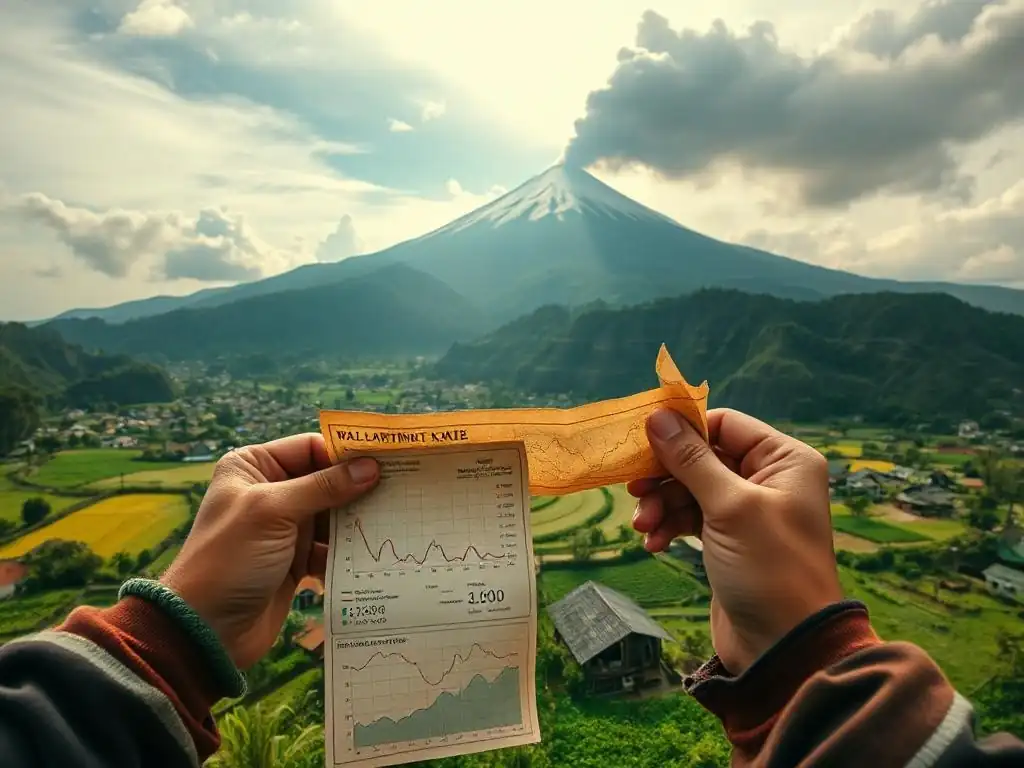
Welcome to Volcano Explorers.
Imagine a world where the earth trembles and the sky glows with fiery potential. Are we truly prepared for the ripple effect that unfolds when a volcano awakens? Dive into our latest article and uncover the surprising economic effects of volcano alerts, a crucial balance between safeguarding lives and preserving livelihoods. What price is too high for safety? The answers may surprise you... Read on to explore the complex interplay of risk, resilience, and the realities of living in the shadow of giants.
- Introduction: Understanding the Economic Ripple Effects of Volcano Alerts
- Volcano Early Warning Systems and Alert Levels: A Brief Overview
- The Direct Economic Effects of Volcano Alerts on Local Communities
- Indirect Economic Consequences of Volcano Alerts
- The Cost of Volcano Alerts vs. the Cost of Inaction
- Mitigation Strategies: Minimizing Economic Disruption During Volcano Alerts
- The Role of Government and International Organizations in Economic Recovery
- Balancing Safety and Livelihoods: A Sustainable Approach to Volcano Risk Management
- Conclusion: Investing in Resilience for a Safer and More Prosperous Future Near Volcanoes
-
Frequently Asked Questions
- What are the economic effects of issuing a volcano alert?
- How do volcano alerts affect the tourism industry near active volcanoes?
- What types of government assistance are typically available to communities affected by volcano alerts?
- How can communities balance the need for volcano safety with the desire to maintain economic activity?
- What role does accurate and timely communication play in minimizing the economic impact of volcano alerts?
- Final Reflection: Navigating the Volcanic Landscape of Economy and Safety
- Empower Communities: Act on Volcano Insights!
Introduction: Understanding the Economic Ripple Effects of Volcano Alerts
Volcano alerts are critical communication tools designed to safeguard lives and property in regions threatened by volcanic activity. These alerts, issued by volcanological agencies, are triggered by scientific monitoring that detects changes indicating an increased likelihood of an eruption. While the primary focus is on public safety, the issuance of a volcano alert initiates a complex chain of events that extends far beyond immediate evacuation procedures.
The "economic effects of volcano alerts" are substantial and multifaceted, impacting local communities, regional economies, and even global sectors. Understanding these economic ripples is crucial for developing effective mitigation strategies and ensuring sustainable development in volcano-prone areas.
The implementation of volcano alerts inevitably leads to economic disruptions. Businesses may be forced to close, tourism grinds to a halt, agricultural activities are suspended, and supply chains face significant interruptions. However, these immediate economic costs must be weighed against the potentially catastrophic economic consequences of inaction.
A major eruption without prior warning can result in widespread destruction, loss of life, and long-term economic devastation that dwarfs the costs associated with proactive alert responses. Therefore, a nuanced approach is required—one that balances the imperative of safety with the need to minimize economic hardship and foster resilient communities capable of thriving in the shadow of these powerful natural forces.
Volcano Early Warning Systems and Alert Levels: A Brief Overview
The Purpose of Volcano Alert Systems
Volcano early warning systems (VEWS) are sophisticated networks of monitoring instruments and protocols designed to detect and interpret signs of impending volcanic eruptions. The fundamental purpose of these systems is to provide timely and accurate warnings to populations at risk, enabling effective evacuation and mitigation measures. By continuously monitoring parameters such as seismic activity, ground deformation, gas emissions, and thermal changes, volcanologists can identify shifts in volcanic behavior that may precede an eruption. These systems act as a crucial bridge between scientific observation and public safety, translating complex data into actionable information for decision-makers and communities.
Beyond saving lives, VEWS serve to minimize the broader societal and economic impacts of volcanic eruptions. Effective warnings allow for the pre-emptive safeguarding of critical infrastructure, such as power plants, transportation networks, and communication systems. Businesses can implement contingency plans, securing assets and relocating operations to minimize losses.
Farmers can take steps to protect livestock and crops where possible. Ultimately, the goal of a VEWS is to reduce the vulnerability of communities to volcanic hazards, fostering resilience and enabling a quicker and more effective recovery in the aftermath of an eruption. The "economic effects of volcano alerts" are intrinsically linked to the effectiveness of these early warning systems.
Different Volcano Alert Levels Explained
Volcano alert levels are standardized systems used to communicate the current status of a volcano and the associated level of risk to the public. These systems typically employ a tiered approach, often using colors or numbers to represent increasing levels of volcanic unrest. For example, the United States Geological Survey (USGS) utilizes a color-coded system ranging from Green (Normal), indicating typical background activity, to Red (Warning), signifying a major eruption is imminent or underway. Intermediate levels, such as Yellow (Advisory) and Orange (Watch), indicate increasing levels of unrest that warrant heightened awareness and preparedness.
Each alert level is associated with specific guidelines and recommended actions for both authorities and the public. A Green level implies no immediate threat, while a Yellow level might suggest increased monitoring and public information dissemination. An Orange level often triggers enhanced preparedness measures, including reviewing evacuation plans and securing emergency supplies.
A Red level necessitates immediate evacuation from designated high-risk zones. These alert levels are not arbitrary; they are based on a synthesis of scientific data and expert interpretation, aiming to provide clear and actionable guidance proportional to the evolving volcanic threat. Understanding these levels is paramount for communities to respond appropriately and mitigate the potential "economic effects of volcano alerts" at each stage.
How Volcano Alert Levels are Communicated
Effective communication of volcano alert levels is as crucial as the scientific monitoring itself. Alerts must reach at-risk populations in a timely, clear, and understandable manner to ensure appropriate responses. A multi-faceted approach is typically employed, utilizing a range of communication channels to maximize reach and effectiveness. Official channels, such as government websites and agency social media accounts, serve as primary sources of information, providing detailed updates and guidance. Mass media, including television, radio, and newspapers, play a vital role in disseminating alerts to a wider audience.
In many volcano-prone regions, particularly in developing countries, community-based communication networks are essential. These can include local radio stations, community leaders, and designated emergency responders who directly communicate alerts to residents, especially in areas with limited access to digital media. Sirens, public address systems, and even traditional methods like church bells or drumbeats may be used in areas where technology access is limited.
The key to effective communication is redundancy and tailoring the approach to the specific context of the community, considering factors like literacy levels, language diversity, and access to technology. This ensures that the critical information about "economic effects of volcano alerts" and safety measures reaches everyone who needs it.
The Direct Economic Effects of Volcano Alerts on Local Communities
Impact on Tourism and Hospitality Industries
Volcano alerts can deliver a swift and significant blow to tourism and hospitality industries, particularly in regions where volcanic landscapes are a major attraction. These sectors are highly sensitive to perceived risk, and a volcano alert, even at lower levels, can trigger widespread cancellations and a sharp decline in visitor numbers.
For example, during periods of heightened activity at volcanoes like Popocatépetl in Mexico or Mount Agung in Bali, tourist arrivals to surrounding areas have plummeted, leading to substantial revenue losses for hotels, restaurants, tour operators, and related businesses. A study following the 2010 eruption of Eyjafjallajökull in Iceland, while focusing on air travel disruption, also highlighted the immediate downturn in Icelandic tourism in the immediate aftermath, despite the eruption not directly impacting tourist areas in the south.
The economic impact extends beyond immediate cancellations. Volcano alerts can create a lingering perception of danger, deterring future bookings and impacting long-term tourism prospects. Small businesses, often heavily reliant on tourism income, are particularly vulnerable. Consider a family-run hotel near a volcano; even a short-term alert requiring evacuation can lead to weeks or months of lost income, potentially jeopardizing their financial stability. The "economic effects of volcano alerts" in the tourism sector are not just about immediate losses but also about the long-term damage to a region's reputation as a safe and desirable destination.
Agricultural Losses Due to Volcanic Activity and Alert Responses
Agriculture, often a cornerstone of local economies in volcano-prone areas, is directly vulnerable to both volcanic activity and the responses triggered by volcano alerts. Volcanic ashfall, even from relatively minor eruptions, can blanket farmland, damaging crops, contaminating water sources, and harming livestock. The eruption of Mount Pinatubo in the Philippines in 1991, for instance, resulted in extensive ashfall that devastated agricultural lands, leading to widespread crop failures and livestock losses, impacting the livelihoods of thousands of farmers. Furthermore, volcanic gases can cause acid rain, further damaging vegetation and soil fertility.
Volcano alerts, while intended to protect lives, can also contribute to agricultural losses. Evacuation orders may force farmers to abandon crops and livestock, leading to spoilage and death. Restrictions on access to farmland during alert periods can disrupt planting and harvesting cycles. Even if an eruption does not materialize, prolonged alerts can create uncertainty and prevent farmers from carrying out essential agricultural activities. The "economic effects of volcano alerts" on agriculture are felt not only in immediate crop losses but also in long-term soil degradation, reduced agricultural productivity, and food security concerns for affected communities.
Disruption to Local Businesses and Supply Chains
Beyond tourism and agriculture, volcano alerts can significantly disrupt a wide range of local businesses and supply chains. Evacuation orders necessitate the closure of businesses in affected areas, leading to lost revenue, spoiled inventory, and disrupted operations. Retail stores, service providers, and small industries all face temporary shutdowns, impacting their ability to generate income and meet customer demands. For businesses with perishable goods, such as restaurants and grocery stores, the losses can be particularly severe.
Supply chains are also vulnerable. Road closures, ashfall accumulation, and transportation disruptions caused by volcano alerts can impede the movement of goods and services. Businesses reliant on just-in-time delivery systems can face significant challenges, leading to production delays and shortages. Even businesses located outside the immediate hazard zone may experience indirect impacts as supply chains are disrupted and consumer spending declines due to economic uncertainty. The "economic effects of volcano alerts" cascade through local economies, impacting businesses of all sizes and sectors, highlighting the interconnectedness of economic activities in volcano-prone regions.
Indirect Economic Consequences of Volcano Alerts
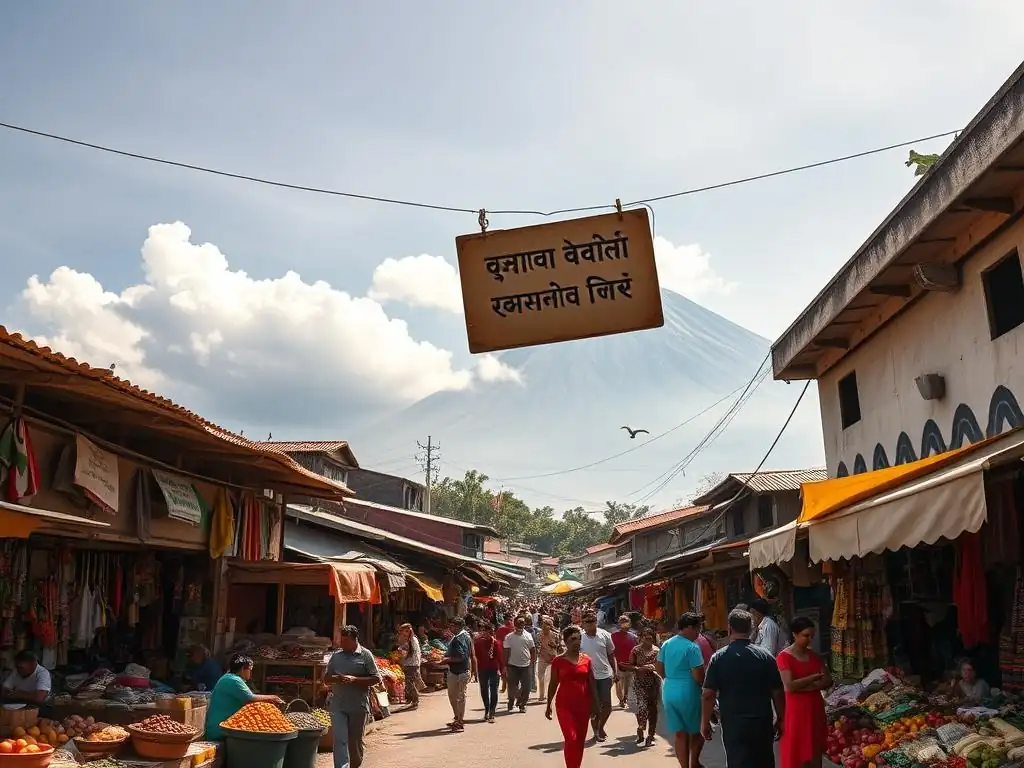
Reduced Investment and Economic Growth
The issuance of volcano alerts, and the underlying volcanic risk they represent, can have significant long-term consequences for investment and economic growth in affected regions. Businesses and investors may become hesitant to commit capital to areas perceived as volcanically hazardous, fearing potential disruptions, property damage, and liability issues.
This reluctance can lead to a slowdown in economic development, reduced job creation, and limited opportunities for local communities. For example, regions near frequently active volcanoes may struggle to attract new industries or expand existing businesses due to the perceived risk, even if the actual probability of a catastrophic eruption remains relatively low.
The uncertainty associated with volcanic activity can also deter long-term infrastructure projects. Investments in roads, utilities, and public facilities may be postponed or scaled back in areas under volcanic threat, hindering overall economic development. This creates a cycle of vulnerability, where reduced investment limits economic diversification and makes communities more reliant on sectors that are directly exposed to volcanic hazards. The "economic effects of volcano alerts" extend beyond immediate disruptions, shaping the long-term economic trajectory of volcano-prone regions by influencing investment decisions and overall economic growth potential.
Property Value Depreciation in Volcano Hazard Zones
Volcanic risk, and the associated volcano alerts, can lead to a significant depreciation of property values in hazard zones. The perceived danger and potential for damage from volcanic eruptions make properties in these areas less desirable to buyers, driving down market prices. This depreciation affects homeowners, businesses, and local governments, reducing wealth, limiting access to credit, and impacting property tax revenues. In areas with frequent volcanic activity, property values may remain consistently lower than comparable areas without such risks, creating a long-term economic disadvantage for residents and communities.
Furthermore, obtaining mortgages and insurance for properties in high-risk volcano zones can become more difficult and expensive. Lenders may be reluctant to finance properties with uncertain resale values, and insurance companies may charge higher premiums or even exclude volcanic hazards from coverage. This further depresses property values and limits the ability of residents to build wealth and secure their financial futures. The "economic effects of volcano alerts" manifest in the real estate market through property value depreciation, creating long-term financial challenges for property owners in volcano-prone areas.
Increased Insurance Costs and Availability
Volcanic risk directly impacts the insurance industry, leading to increased costs and potentially reduced availability of coverage in volcano-prone areas. Insurance companies assess volcanic hazards as a significant risk factor, particularly for property and business insurance. As a result, premiums in these regions are typically higher to reflect the increased likelihood of claims related to volcanic eruptions, ashfall, and other volcanic hazards. In some high-risk areas, insurance companies may limit coverage or exclude volcanic events altogether, making it difficult or impossible for residents and businesses to obtain adequate protection.
The increased cost and reduced availability of insurance can create a significant economic burden for communities living near volcanoes. Higher premiums reduce disposable income and increase operating costs for businesses. Lack of insurance coverage exposes individuals and businesses to potentially devastating financial losses in the event of a volcanic eruption. This can hinder economic recovery after an eruption and exacerbate existing vulnerabilities. The "economic effects of volcano alerts" are intertwined with the insurance market, as alerts highlight the ongoing volcanic risk and contribute to the dynamics of insurance costs and availability in affected regions.
The Cost of Volcano Alerts vs. the Cost of Inaction
Analyzing the Economic Benefits of Evacuation and Preparedness
While volcano alerts and subsequent evacuations incur immediate economic costs, it is crucial to analyze these costs in relation to the far greater economic consequences of inaction in the face of an impending eruption. Evacuation, despite its disruptive nature, is a primary measure to save lives and minimize injuries, thereby preventing the immense human and economic costs associated with casualties.
Beyond saving lives, evacuation also protects property by removing people and movable assets from harm's way, reducing potential damage to homes, businesses, and infrastructure. Preparedness measures, such as investing in early warning systems, developing evacuation plans, and conducting public education campaigns, represent upfront costs but yield significant economic benefits in the long run by mitigating the impact of volcanic eruptions.
The economic benefits of evacuation and preparedness are often quantified through cost-benefit analyses, comparing the costs of these measures against the estimated costs of volcanic disasters without them. These analyses demonstrate that investing in volcano monitoring, alert systems, and preparedness programs is highly cost-effective. The avoided costs of casualties, property damage, and long-term economic disruption far outweigh the expenses associated with proactive risk management. Failing to issue timely alerts and implement evacuation plans would result in significantly higher economic losses, making the costs of inaction demonstrably greater than the "economic effects of volcano alerts" and preparedness measures.
Case Studies: Mount St. Helens (1980) and Eyjafjallajökull (2010) Eruptions
Examining case studies of past volcanic eruptions provides valuable insights into the economic consequences of both preparedness and unpreparedness. The 1980 eruption of Mount St. Helens in the United States, while causing significant localized damage, also demonstrated the effectiveness of early warnings and evacuation in minimizing casualties. Despite the eruption's magnitude, the death toll was relatively low (57 fatalities), largely attributed to the timely warnings and evacuations implemented by authorities.
The direct economic losses were estimated at over $1 billion (in 1980 dollars), primarily due to timber losses, infrastructure damage, and agricultural impacts. However, these losses could have been far greater without the proactive measures taken.
In contrast, the 2010 eruption of Eyjafjallajökull in Iceland, while relatively small in terms of direct damage in Iceland, had a massive global economic impact due to the widespread disruption of air travel. The volcanic ash plume grounded flights across Europe for several days, causing billions of dollars in losses to airlines, tourism industries, and businesses reliant on air freight. This eruption highlighted the interconnectedness of the global economy and the potential for even moderate eruptions to have far-reaching economic consequences.
While Iceland's preparedness minimized direct casualties and damage within the country, the global economic fallout underscores the need for international cooperation and preparedness for volcanic events that can transcend national borders. Both case studies illustrate different facets of the "economic effects of volcano alerts" and volcanic eruptions, emphasizing the importance of both local and global preparedness.
Calculating the Return on Investment (ROI) for Volcano Monitoring and Alert Systems
Calculating the Return on Investment (ROI) for volcano monitoring and alert systems provides a compelling economic justification for investing in these critical infrastructure components. ROI calculations involve comparing the costs of establishing and maintaining VEWS with the economic benefits derived from reduced losses and damages due to volcanic eruptions. The costs include the initial investment in monitoring equipment (seismometers, GPS stations, gas sensors, etc.
), ongoing operational expenses (personnel, data analysis, maintenance), and the costs associated with issuing alerts and implementing preparedness measures. The benefits are primarily measured in terms of avoided losses, including reduced casualties, property damage, infrastructure disruptions, and economic downturns.
Several studies have attempted to quantify the ROI for VEWS, often demonstrating a substantial return on investment. For example, a study analyzing the VEWS in the Auckland Volcanic Field in New Zealand estimated an ROI of approximately 20:1, meaning that for every dollar invested in the system, $20 in economic losses are avoided. These high ROI figures underscore the cost-effectiveness of investing in volcano monitoring and alert systems.
By preventing or mitigating the devastating economic consequences of volcanic eruptions, VEWS contribute significantly to long-term economic stability and sustainable development in volcano-prone regions. The "economic effects of volcano alerts" are thus not just costs, but also represent a significant return on investment in safety and resilience.
Mitigation Strategies: Minimizing Economic Disruption During Volcano Alerts
Diversifying Local Economies to Reduce Dependence on Vulnerable Sectors
One key strategy to mitigate the economic disruption caused by volcano alerts is to diversify local economies, reducing over-reliance on sectors that are highly vulnerable to volcanic activity, such as tourism and agriculture. Economic diversification involves promoting a broader range of industries and economic activities, making the local economy more resilient to shocks and disruptions. For example, regions heavily dependent on tourism could invest in developing alternative sectors like manufacturing, technology, or renewable energy. Agricultural diversification, shifting away from monoculture farming to a wider variety of crops and livestock, can also enhance resilience to volcanic impacts like ashfall.
Diversification strategies require long-term planning and investment in education, infrastructure, and business development. Governments and local authorities can play a crucial role in fostering diversification by providing incentives for new industries, supporting small and medium-sized enterprises (SMEs) in diverse sectors, and investing in skills training to equip the workforce for a broader range of jobs. By reducing economic dependence on vulnerable sectors, communities can lessen the "economic effects of volcano alerts" and build more robust and adaptable economies.
Implementing Financial Assistance Programs for Affected Businesses and Residents
Financial assistance programs are essential to cushion the economic blow of volcano alerts and support the recovery of affected businesses and residents. These programs can provide immediate relief during alert periods and longer-term support for rebuilding and economic revitalization. Types of financial assistance can include direct cash transfers to households, unemployment benefits for displaced workers, grants and low-interest loans for businesses to cover losses and restart operations, and tax relief measures to ease financial burdens.
Effective financial assistance programs should be designed to be quickly accessible and targeted to those most in need. Streamlined application processes, efficient disbursement mechanisms, and clear eligibility criteria are crucial. Collaboration between government agencies, financial institutions, and community organizations is essential to ensure that assistance reaches affected populations promptly and effectively. These programs play a vital role in mitigating the immediate "economic effects of volcano alerts" and fostering a faster and more equitable recovery process.
Developing Effective Communication Strategies to Manage Public Perception and Panic
Effective communication strategies are paramount not only for disseminating volcano alerts but also for managing public perception and preventing panic, which can exacerbate economic disruption. Clear, consistent, and timely communication from trusted sources is essential to build public confidence and ensure that people respond appropriately to alerts. Communication should be tailored to different audiences, using plain language and avoiding technical jargon. Multiple communication channels should be utilized to reach all segments of the population, including vulnerable groups.
Proactive public education campaigns are crucial to enhance volcano awareness, preparedness, and risk perception. These campaigns should explain volcano alert levels, evacuation procedures, and safety measures, empowering communities to take informed actions. Addressing misinformation and rumors is also critical to prevent panic and maintain public order. By fostering informed public understanding and trust, effective communication strategies can minimize panic-driven economic disruptions and ensure a more coordinated and rational response to volcano alerts, thereby lessening the negative "economic effects of volcano alerts" caused by public misperception or panic.
The Role of Government and International Organizations in Economic Recovery

Providing Disaster Relief and Financial Aid
Government and international organizations play a critical role in providing disaster relief and financial aid in the aftermath of volcanic eruptions and during prolonged volcano alert periods. Immediate disaster relief focuses on meeting basic needs such as shelter, food, water, medical care, and sanitation for affected populations. Financial aid provides crucial resources for longer-term recovery and reconstruction efforts. This aid can come in the form of grants, loans, technical assistance, and in-kind support.
Governments typically take the lead in coordinating disaster relief and recovery efforts, often working in partnership with international organizations like the United Nations, the World Bank, and regional development banks. International aid can supplement national resources and expertise, particularly in developing countries with limited capacity to respond to large-scale disasters. Effective coordination and transparent allocation of aid are essential to ensure that resources are used efficiently and reach those most in need, facilitating a quicker and more equitable economic recovery from the "economic effects of volcano alerts" and eruptions.
Investing in Infrastructure Resilience
Investing in infrastructure resilience is crucial for minimizing the long-term economic impacts of volcanic eruptions and volcano alerts. Resilient infrastructure is designed and built to withstand volcanic hazards, minimizing damage and disruption during eruptions. This includes strengthening critical infrastructure such as transportation networks (roads, bridges), communication systems (telecommunications, internet), energy infrastructure (power plants, grids), and water and sanitation systems. Building codes in volcano-prone areas should incorporate volcanic hazard considerations, ensuring that buildings are constructed to withstand ashfall, seismic activity, and other volcanic impacts.
Investing in resilient infrastructure not only reduces direct damage from eruptions but also minimizes economic disruption by ensuring the continued functioning of essential services and facilitating faster recovery. For example, roads and bridges designed to withstand ashfall can maintain transportation links, enabling the delivery of aid and the resumption of economic activities more quickly. Resilient infrastructure is a long-term investment that reduces vulnerability to volcanic hazards and enhances the overall economic resilience of volcano-prone regions, mitigating the long-term "economic effects of volcano alerts" and eruptions.
Supporting Long-Term Economic Development in Volcano-Prone Areas
Beyond immediate relief and infrastructure resilience, supporting long-term economic development in volcano-prone areas is essential for creating sustainable and prosperous communities. This involves implementing strategies to diversify economies, promote sustainable tourism, foster entrepreneurship, and enhance human capital. Governments and international organizations can play a catalytic role in supporting long-term development through investments in education, skills training, technology transfer, and access to finance.
Promoting sustainable tourism that respects the environment and benefits local communities can be a viable economic strategy in volcano-prone areas, leveraging the unique natural attractions of volcanic landscapes. Supporting local businesses and entrepreneurship can create new economic opportunities and reduce reliance on vulnerable sectors. Long-term economic development initiatives should be integrated with volcano risk management strategies, creating a holistic approach to building resilient and thriving communities that can coexist with volcanic hazards. This approach aims to transform the "economic effects of volcano alerts" from solely negative impacts to opportunities for building stronger, more diversified, and sustainable economies.
Balancing Safety and Livelihoods: A Sustainable Approach to Volcano Risk Management
Integrating Economic Considerations into Volcano Alert Decision-Making
A sustainable approach to volcano risk management requires integrating economic considerations into volcano alert decision-making processes. While public safety must remain the paramount priority, the economic consequences of alerts cannot be ignored. Decision-makers need to carefully weigh the potential economic disruptions of alerts and evacuations against the risks of inaction. This involves conducting risk assessments that consider both volcanic hazards and economic vulnerabilities, allowing for informed decisions that balance safety and livelihoods.
Integrating economic considerations does not mean compromising safety. Instead, it involves seeking strategies to minimize economic disruption while ensuring effective risk mitigation. This can include refining alert levels to be more nuanced and geographically specific, implementing phased evacuations where possible, and providing targeted financial assistance to businesses and residents affected by alerts. A balanced approach recognizes that long-term community well-being depends on both safety and economic prosperity, aiming to minimize the negative "economic effects of volcano alerts" without sacrificing public safety.
Empowering Local Communities to Participate in Risk Assessment and Mitigation
Empowering local communities to actively participate in volcano risk assessment and mitigation is crucial for building resilience and ensuring that strategies are tailored to local needs and contexts. Community participation involves engaging residents in the development of evacuation plans, preparedness programs, and economic diversification strategies. Local knowledge and perspectives are invaluable in understanding vulnerabilities and identifying effective solutions. Community-based risk assessments can complement scientific assessments, providing a more holistic understanding of local risks and capacities.
Empowerment also involves building local capacity for volcano monitoring, alert dissemination, and emergency response. Training local volunteers as community responders, establishing community-based early warning systems, and providing resources for local preparedness initiatives can enhance community ownership and resilience. By actively involving communities in risk management processes, we can foster a sense of shared responsibility and ensure that strategies are both effective and sustainable, minimizing the adverse "economic effects of volcano alerts" and building community resilience from the ground up.
Promoting Sustainable Tourism and Development Practices
Promoting sustainable tourism and development practices in volcano-prone areas is essential for balancing economic opportunities with risk management. Sustainable tourism can be a valuable economic driver, but it must be managed in a way that minimizes environmental impacts and respects local cultures. Volcano tourism, if developed responsibly, can generate revenue for local communities while raising awareness about volcanic hazards and the importance of preparedness. Sustainable development practices involve integrating risk reduction measures into all aspects of economic planning and development, ensuring that new infrastructure and economic activities are resilient to volcanic hazards.
This includes promoting building codes that account for volcanic risks, land-use planning that avoids high-hazard zones, and environmental protection measures to minimize the impacts of volcanic activity on ecosystems. Sustainable development aims to create long-term economic prosperity while reducing vulnerability to volcanic hazards and preserving the natural environment. By integrating sustainability principles into tourism and development, we can create a more resilient and prosperous future for communities living near volcanoes, transforming the potential "economic effects of volcano alerts" into opportunities for sustainable growth and development.
Conclusion: Investing in Resilience for a Safer and More Prosperous Future Near Volcanoes
The Long-Term Economic Benefits of Proactive Volcano Risk Management
Proactive volcano risk management, encompassing volcano monitoring, early warning systems, preparedness measures, and mitigation strategies, yields significant long-term economic benefits. Investing in these measures is not just a cost but a strategic investment in the future prosperity and stability of volcano-prone regions. By reducing the impacts of volcanic eruptions, proactive risk management minimizes economic losses, protects livelihoods, and fosters a more resilient and attractive environment for investment and development. The long-term economic benefits of proactive risk management far outweigh the upfront costs, creating a positive cycle of resilience and prosperity.
Furthermore, proactive risk management enhances a region's reputation as a safe and responsible place to live, work, and invest. This can attract new businesses, skilled workers, and tourists, boosting economic growth and creating new opportunities. Communities that demonstrate a commitment to volcano safety and preparedness are better positioned to thrive in the long run, attracting investment and building sustainable economies. The "economic effects of volcano alerts" and the systems behind them, when viewed strategically, become drivers of long-term economic stability and growth, rather than just costs to be borne.
Future Research and Innovation in Volcano Early Warning Systems and Economic Impact Assessment
Future research and innovation are crucial for further enhancing volcano early warning systems and improving our understanding of the economic impact of volcano alerts. Continued advancements in volcano monitoring technologies, such as improved sensor networks, satellite-based monitoring, and AI-powered data analysis, can lead to more accurate and timely eruption predictions. Research into eruption forecasting and hazard modeling can refine our ability to assess volcanic risks and tailor alerts to specific threats.
Further research is also needed to better quantify the economic impacts of volcano alerts and eruptions. This includes developing more sophisticated economic models that capture the direct and indirect costs of volcanic events, as well as the benefits of risk mitigation measures.
Innovation in communication technologies and strategies is essential to ensure that alerts reach all at-risk populations effectively and that public perception and response are optimized. By continuing to invest in research and innovation, we can further enhance the effectiveness of volcano early warning systems, minimize the "economic effects of volcano alerts", and build a safer and more prosperous future for communities living near volcanoes.
Frequently Asked Questions
What are the economic effects of issuing a volcano alert?
Volcano alerts can significantly impact local economies. They often lead to business closures and disrupted tourism, causing financial strain for residents and businesses in the affected areas.
How do volcano alerts affect the tourism industry near active volcanoes?
Tourism is often the first sector to suffer. Alerts can cause cancellations, reduced bookings, and a general decline in tourist activity, leading to substantial revenue losses for local businesses.
What types of government assistance are typically available to communities affected by volcano alerts?
Governments may offer financial aid, loans, and disaster relief programs to help businesses and individuals recover from the economic impacts of volcano alerts and potential eruptions.
How can communities balance the need for volcano safety with the desire to maintain economic activity?
Implementing early warning systems, developing diversified economies not solely reliant on tourism, and creating robust emergency preparedness plans can help mitigate economic damage.
What role does accurate and timely communication play in minimizing the economic impact of volcano alerts?
Clear and transparent communication about the level of risk and potential impacts is crucial. It allows businesses and residents to make informed decisions, reducing panic and potentially minimizing economic disruption.
The preceding analysis has illuminated the complex interplay between volcanic activity, alert systems, and economic stability, demonstrating that effective volcano alert systems are not merely safety measures, but crucial economic safeguards. The ability to anticipate and mitigate the economic effects of volcanic eruptions is paramount, especially for communities whose livelihoods are intrinsically linked to the land surrounding these powerful geological forces. Ignoring this intricate relationship risks not only lives, but also the long-term economic viability of vulnerable regions.
This exploration has underscored how deeply interwoven human societies are with the natural world, and how crucial proactive planning is in the face of unpredictable events. Witnessing the resilience of communities adapting to the constant threat of volcanic activity is truly inspiring, yet it also highlights the urgent need for continued investment in research, infrastructure, and education. The only way to do great work is to love what you do,
a sentiment that resonates deeply when considering the dedication of volcanologists and emergency responders working tirelessly to protect lives and livelihoods.
As we conclude this examination of the economic effects of volcano alerts, I invite you to consider your own role in fostering resilience and preparedness. How can you support initiatives that promote sustainable development in volcanic regions? How can you advocate for policies that prioritize both safety and economic well-being? Let us all strive to be informed, engaged citizens, working together to build a future where communities can thrive, even in the shadow of volcanoes.
Empower Communities: Act on Volcano Insights!
Thank you for exploring the complex interplay between volcano alerts and their economic consequences. We hope this article has highlighted the crucial need to balance safety and livelihoods in volcanic regions. Now, let's translate this understanding into action.
Here's how you can make a difference:
- Become a citizen scientist by reporting your observations of volcanic activity through the Volcano Explorers website (volcanoexplorers.org). Your contributions can directly improve alert systems and protect vulnerable communities.
- Share this article to raise awareness about the economic challenges faced by communities near volcanoes and the importance of effective alert systems.
- Support local organizations in volcanic regions through donations or volunteering. Help fund sustainable development initiatives that lessen the economic impact of volcanic activity.
What actions will you take to help create safer and more prosperous communities near volcanoes? Share your ideas in the comments below!