
The Soul of the Earth in Stone: HandCarved Volcano Sculptures with Deep Meaning

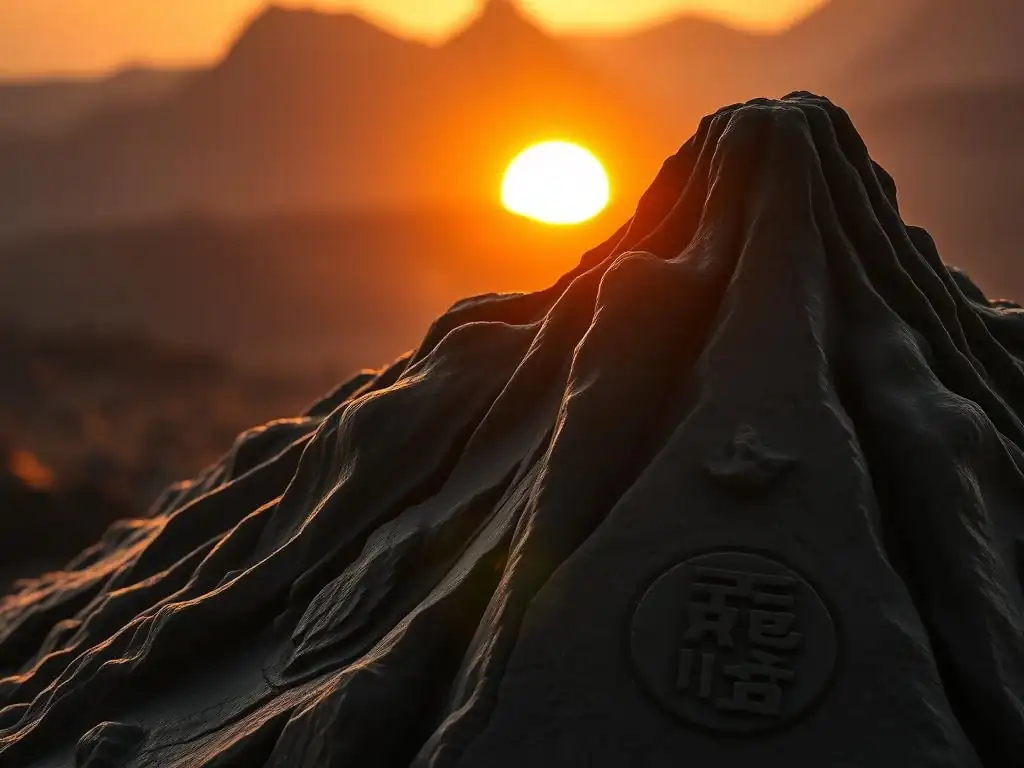
Welcome to Volcano Explorers. Dare to uncover the secrets simmering beneath the surface? Before you journey further into the heart of volcanic science and lore, prepare to be captivated by a unique expression of Earth's raw power: Hand-Carved Volcano Stone Art. These aren't just sculptures; they are tangible whispers of molten rock and ancient energy. Discover the deep meaning imbued within each piece and begin your exploration now...
- Discover the Power of Hand-Carved Volcano Stone Art
- Why Choose Hand-Carved Volcano Stone Art? Understanding the Appeal
- Factors to Consider When Buying Hand-Carved Volcano Stone Art
- Top Hand-Carved Volcano Stone Art Pieces: Our Recommendations
- Caring for Your Hand-Carved Volcano Stone Art
-
Frequently Asked Questions
- What is Hand-Carved Volcano Stone Art?
- Where does the stone for Hand-Carved Volcano Stone Art typically come from?
- What makes Hand-Carved Volcano Stone Art unique compared to other stone carvings?
- What kind of meanings or symbolism are often associated with Hand-Carved Volcano Stone Art?
- How can I care for my Hand-Carved Volcano Stone Art piece?
- Final Reflection: Echoes of Fire and Earth
- Unearth Your Connection: Feel the Volcano's Heart!
Discover the Power of Hand-Carved Volcano Stone Art
Hand-carved volcano stone art is more than just decoration; it's a tangible connection to the Earth's raw power and creative energy. These unique sculptures, crafted from stones born in the heart of volcanic activity, carry within them the story of geological forces and human artistry. Each piece, meticulously shaped by skilled hands, transforms inert rock into objects of beauty and profound meaning. Owning a hand-carved volcano stone artwork is akin to possessing a fragment of the planet's fiery core, brought to life through artistic vision and painstaking craftsmanship.
These sculptures offer a compelling contrast: the formidable strength and ancient origins of volcanic stone are softened and refined by the delicate touch of the artisan. The process of carving itself is a testament to patience and dedication, where each chip and groove reveals the hidden potential within the stone. From abstract forms evoking the dynamic energy of eruptions to figurative representations of volcanic deities or landscapes, hand-carved volcano stone art captures the essence of these geological wonders in a way that mass-produced items simply cannot replicate.
Why Choose Hand-Carved Volcano Stone Art? Understanding the Appeal
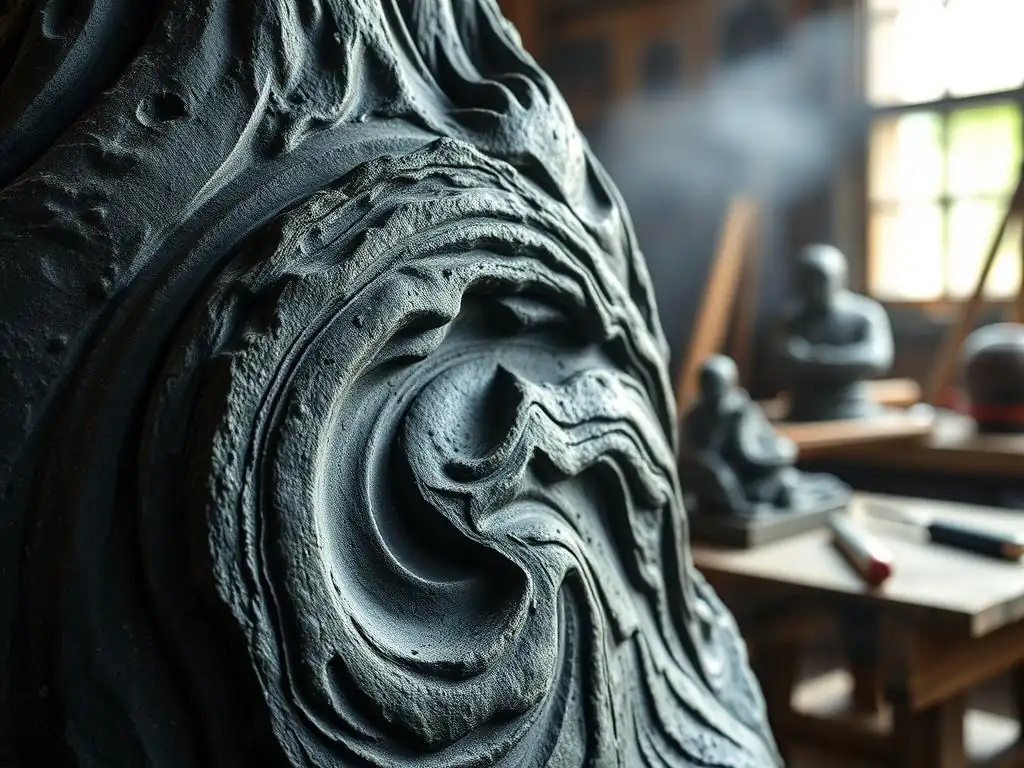
The Intrinsic Value of Hand-Carved Pieces
The allure of hand-carved volcano stone art extends far beyond mere aesthetics; it's rooted in the inherent value of handcrafted objects. In a world increasingly dominated by mass production and digital replication, the unique character of hand-carved art stands out as a beacon of individuality and human skill. Each sculpture is a one-of-a-kind creation, bearing the marks of the artisan's hand and the natural variations of the stone itself. This inherent uniqueness provides a sense of exclusivity and personal connection that is absent in factory-produced items.
Furthermore, hand-carved pieces often appreciate in value over time, not just monetarily but also in terms of their cultural and artistic significance. The dedication and time invested in creating these sculptures, combined with the rarity of skilled artisans specializing in volcanic stone carving, contribute to their enduring appeal.
Consider the intricate carvings found in ancient cultures that utilized volcanic rock, such as the basalt statues of Easter Island or obsidian tools and artifacts from Mesoamerica. These historical examples demonstrate the lasting legacy and intrinsic worth associated with art crafted from volcanic materials, a tradition that continues to resonate in contemporary hand-carved volcano stone art.
The Spiritual and Symbolic Significance of Volcano Sculptures
Volcanoes have held profound spiritual and symbolic meaning for cultures around the world for millennia. They are often seen as embodiments of creation and destruction, representing the raw power of nature, transformation, and rebirth. Hand-carved volcano sculptures, therefore, inherit this rich symbolism, becoming more than just decorative objects; they become potent talismans and reminders of life's cyclical nature. For some, a volcano sculpture may symbolize strength and resilience, echoing the unyielding force of volcanic eruptions that reshape landscapes.
In many indigenous cultures, volcanoes are considered sacred mountains, abodes of deities, or gateways to the underworld. Art derived from volcanic stone can tap into these ancient beliefs, offering a tangible connection to ancestral wisdom and spiritual energies. For instance, in Hawaiian culture, Pele, the goddess of volcanoes, is deeply revered, and volcanic rock is considered sacred.
Owning a hand-carved sculpture from volcanic stone can be seen as an act of reverence for these powerful natural forces and the spiritual traditions associated with them. The weight and texture of the stone itself can ground and center, providing a tactile link to the Earth's primal energies and fostering a sense of connection to something larger than oneself.
Factors to Consider When Buying Hand-Carved Volcano Stone Art
Material Matters: Types of Volcanic Stone Used in Sculptures
The type of volcanic stone used in hand-carved art significantly impacts its aesthetic, durability, and symbolic resonance. Each stone possesses unique properties that artisans leverage to create distinct effects.
-
Basalt: Durable, dark-colored stone
Basalt, a common extrusive volcanic rock, is prized for its strength and fine-grained texture, making it ideal for detailed carvings that are meant to last. Its dark grey to black coloration lends a sense of solidity and grounding to sculptures. Historically, basalt has been used in monumental architecture and sculpture across various cultures.
For example, the Olmec civilization in Mesoamerica famously carved colossal heads from basalt boulders, showcasing the stone's capacity to withstand time and the elements. Modern basalt sculptures often evoke a sense of permanence and stability, perfect for pieces intended for outdoor display or to convey a feeling of unwavering strength.
-
Obsidian: Volcanic glass, often black and glossy
Obsidian, formed from rapidly cooled lava, is volcanic glass known for its striking glossy black appearance and sharp edges. While more brittle than basalt, obsidian’s unique visual qualities make it highly sought after for decorative carvings. Historically, obsidian was used to create sharp tools and weapons, but its beauty was also recognized in ornamental objects.
Ancient Mesoamerican cultures, such as the Aztecs, crafted intricate mirrors and ritual objects from obsidian. In contemporary hand-carved volcano stone art, obsidian is often used to create pieces that are both elegant and mysterious, its reflective surface adding a captivating dimension to sculptures, particularly those designed for indoor display where light can play upon its glassy sheen.
-
Pumice: Lightweight, porous stone
Pumice, a highly porous and lightweight volcanic rock, offers a textural contrast to basalt and obsidian. Its airy nature, formed from gas-rich lava, makes it surprisingly easy to carve, although it is less durable than denser volcanic stones. Pumice sculptures often possess a delicate, almost ethereal quality.
While not as commonly used for intricate carvings due to its porous nature, pumice is excellent for creating sculptures that emphasize form and texture over fine detail. Its light weight makes it suitable for larger pieces that need to be easily moved. Think of garden sculptures or abstract forms where the porous surface and pale coloration of pumice can create a visually interesting and tactile experience, evoking a sense of lightness and airiness.
Size and Design: Finding the Perfect Fit for Your Space
When selecting hand-carved volcano stone art, considering the size and design in relation to your intended space is crucial. A large, imposing basalt sculpture might be ideal as a garden centerpiece, commanding attention and grounding the outdoor environment. Conversely, a smaller, intricately carved obsidian piece might be better suited for an indoor display, perhaps on a mantelpiece or desk, where its details can be appreciated up close and its reflective surface can interact with interior lighting. Think about the scale of your space and the visual impact you wish to create.
The design of the sculpture should also resonate with your personal aesthetic and the overall décor of the space. Do you prefer abstract forms that evoke the raw energy of volcanic eruptions, or more representational pieces depicting volcanic landscapes or mythological figures associated with volcanoes?
Consider the style of carving – is it rough-hewn and rustic, emphasizing the natural texture of the stone, or finely polished and detailed, showcasing the artisan's precision? Matching the design to your personal taste and the surrounding environment will ensure that the hand-carved volcano stone art piece not only fits physically but also harmonizes aesthetically with its surroundings, becoming a cherished element of your space.
Authenticity and Provenance: Ensuring You're Getting Genuine Hand-Carved Volcano Stone Art
Ensuring the authenticity and provenance of hand-carved volcano stone art is vital, particularly for valuable or symbolically significant pieces. Genuine hand-carved art will exhibit the subtle irregularities and unique characteristics inherent in handcrafted items. Look for slight variations in texture, tool marks, and the natural patterns within the stone itself.
Mass-produced imitations, often made from resin or concrete, will typically lack these nuances and may appear overly uniform or artificial. Examining the piece closely and, if possible, feeling its weight and texture can provide clues to its authenticity. Volcanic stone is generally dense and cool to the touch, unlike lighter, warmer synthetic materials.
Provenance, or the history of ownership and creation, adds another layer of assurance. When purchasing hand-carved volcano stone art, especially from galleries or online marketplaces, inquire about the artist or workshop that created the piece and the origin of the volcanic stone. Reputable sellers should be able to provide information about the materials used and the carving process.
In some cases, particularly with higher-value pieces, certificates of authenticity may be available, documenting the artwork's origin and craftsmanship. While not always available, any information regarding the artist, the region where the stone was sourced, or the carving techniques employed can contribute to verifying the authenticity and enhancing the value and meaning of your hand-carved volcano stone art.
Top Hand-Carved Volcano Stone Art Pieces: Our Recommendations
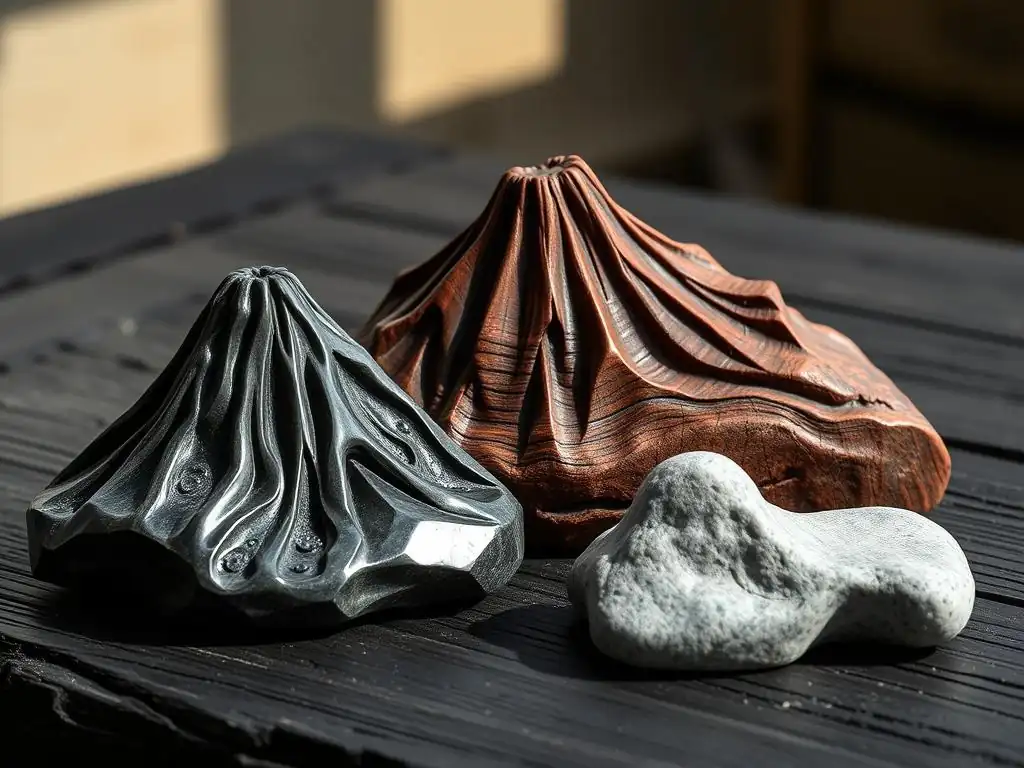
Best Basalt Sculptures for Strength and Stability
For those seeking sculptures that embody strength and stability, hand-carved basalt pieces are an excellent choice. Consider a Basalt Guardian Figure, inspired by ancient sentinel statues found near volcanic regions. Imagine a powerfully built figure, perhaps stylized with geometric forms and a stoic expression, carved from dark grey basalt. Such a piece would exude a sense of protection and unwavering presence, ideal for an entryway or garden.
Another compelling option is a Basalt Mountain Peak Sculpture, a miniature representation of a volcanic mountain range, carved with textured surfaces to mimic the rugged terrain. This type of sculpture would serve as a potent symbol of resilience and enduring strength, a striking addition to a study or living room. Basalt's inherent density and dark color amplify these themes, making these sculptures feel grounded and substantial.
Best Obsidian Sculptures for Protection and Transformation
Obsidian sculptures, with their glossy black sheen, are often associated with protection and transformation. A Hand-Carved Obsidian Raven, for instance, could symbolize mystery, insight, and change. The raven, a creature often linked to both shadow and light, carved from reflective obsidian, would create a captivating interplay of darkness and illumination.
Alternatively, an Obsidian Flame Sculpture, depicting stylized flames rising upwards, could represent transformation and passion. The sharp, reflective edges of obsidian would mimic the flickering nature of fire, creating a dynamic and visually arresting piece. Obsidian’s historical use in protective amulets and its association with introspection and shadow work further enhance the symbolic depth of these sculptures, making them meaningful and visually striking additions to any space.
Best Pumice Sculptures for Lightness and Airiness
If you desire sculptures that evoke lightness and airiness, hand-carved pumice pieces are uniquely suited. A Pumice Cloud Sculpture, perhaps an abstract form suggesting billowing clouds or volcanic plumes, would capture a sense of ethereal beauty. The porous texture of pumice would enhance the cloud-like effect, creating a sculpture that feels light and almost weightless.
Another intriguing option is a Pumice Bird in Flight, depicting a stylized bird with outstretched wings, carved from the pale, porous stone. The lightness of pumice would perfectly complement the theme of flight and freedom, making it an uplifting and visually delicate piece. Pumice sculptures, due to their porous nature and light color, bring a sense of airiness and gentle beauty to any setting, offering a contrast to the denser, darker volcanic stones.
Caring for Your Hand-Carved Volcano Stone Art
Cleaning and Maintenance Tips
Maintaining the beauty of your hand-carved volcano stone art is generally straightforward, as volcanic stones are naturally durable. For most pieces, regular dusting with a soft, dry cloth is sufficient to remove surface dirt and maintain their luster. Avoid using abrasive cleaners or harsh chemicals, as these can potentially damage the stone's surface or any applied finishes.
For basalt and obsidian sculptures, you can occasionally use a slightly damp cloth to gently wipe away more stubborn dust or grime. Ensure the cloth is only slightly damp and not dripping wet, as excessive moisture can be detrimental, especially to porous stones like pumice over prolonged exposure.
For pumice sculptures, due to their porous nature, be extra cautious with moisture. Dust them regularly with a soft brush or compressed air to avoid dirt accumulating in the pores. If cleaning with a damp cloth becomes necessary, use a barely damp cloth and allow the pumice to air dry completely afterwards to prevent moisture retention.
For outdoor sculptures made of basalt, occasional rinsing with water from a garden hose can help remove accumulated dirt and debris. Ensure proper drainage around the sculpture to prevent water from pooling and potentially causing issues over time, especially in freezing climates. With basic care and gentle cleaning, your hand-carved volcano stone art will retain its beauty and presence for years to come, serving as a lasting connection to the Earth's volcanic soul.
Frequently Asked Questions
What is Hand-Carved Volcano Stone Art?
It's art created by shaping volcanic rock, often basalt or other igneous stones, through carving. These pieces often aim to capture the essence and power of volcanoes, both physically and symbolically.
Where does the stone for Hand-Carved Volcano Stone Art typically come from?
The stone is usually sourced from areas near volcanoes, where volcanic activity has deposited suitable rock. This can include cooled lava flows and volcanic ash deposits.
What makes Hand-Carved Volcano Stone Art unique compared to other stone carvings?
Its unique qualities come from the inherent properties of volcanic stone, such as its dark color and texture. Also, the artistic connection to volcanic themes distinguishes it.
What kind of meanings or symbolism are often associated with Hand-Carved Volcano Stone Art?
Common meanings include creation, destruction, power, and resilience. Many artists also draw inspiration from cultural myths and legends surrounding volcanoes.
How can I care for my Hand-Carved Volcano Stone Art piece?
Generally, cleaning with a soft brush and water is sufficient. Avoid harsh chemicals or abrasive cleaners that could damage the stone surface.
Final Reflection: Echoes of Fire and Earth
The journey through the creation and meaning of hand-carved volcano stone art reveals more than just aesthetic beauty; it underscores the profound connection between humanity and the raw power of the Earth. These sculptures, born from the heart of volcanoes, serve as potent reminders of the planet's dynamic forces and our own fragile existence within its embrace.
This art form, deeply rooted in ancient traditions and fueled by the Earth's fiery breath, continues to resonate powerfully in our modern world. It reminds us that art can be more than decoration; it can be a tangible link to our planet's history and a catalyst for environmental awareness. We are part of the Earth and it is part of us.
This simple truth, often forgotten in our fast-paced lives, is eloquently expressed in each carefully carved curve and textured surface of these volcanic masterpieces.
Now, as you contemplate the enduring soul of the Earth captured in these stone sculptures, consider your own relationship with the natural world. How can you, in your own life, foster a deeper appreciation for the planet's power and beauty? Let the echoes of fire and earth inspire you to create, to connect, and to protect the very source of our being.
Unearth Your Connection: Feel the Volcano's Heart!
Thank you for joining us on this journey into the powerful symbolism and artistry of hand-carved volcano sculptures. We hope you now appreciate the deep connection between these stunning pieces and the Earth's fiery spirit. It's time to bring that connection into your own life.
Here are a few ways you can continue your exploration:
- Find a hand-carved volcano sculpture that speaks to you. Explore online marketplaces or local artisan shops – let the perfect piece find you.
- Share this article with friends and family who appreciate art, geology, or the raw power of nature. Spread the word!
- Learn more about the mythology and symbolism associated with volcanoes in different cultures. You might be surprised by what you discover!
What stories will your chosen sculpture tell? Share your thoughts and experiences in the comments below!