
The Science of Steam Volcanoes: Delving into Phreatic Eruption Mechanisms

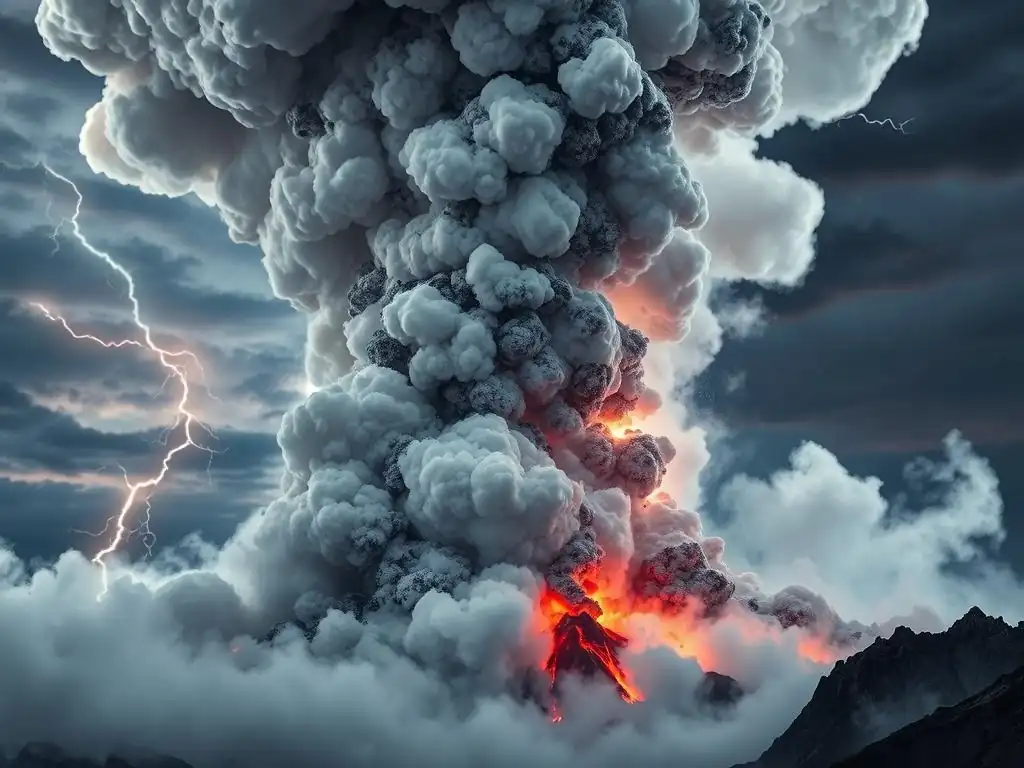
Welcome to Volcano Explorers, where the Earth whispers its fiery secrets! Ever wondered how a volcano can erupt without magma? Prepare to be captivated as we delve into the intriguing world of Steam Volcano Eruption Mechanisms. Uncover the science behind these phreatic explosions and discover what makes them so unpredictable – and often, so dangerous. Ready to explore the power of superheated water and its explosive dance with the Earth? Let's begin!
- Phreatic Eruptions: Mechanisms, Hazards, and Monitoring
- Understanding Phreatic Eruptions
- Mechanisms Driving Phreatic Eruptions
- Factors Influencing Eruption Intensity
- Monitoring Potential Phreatic Eruption Sites
- Case Studies of Phreatic Eruptions
- Phreatic vs. Phreatomagmatic Eruptions
- Hazards Associated with Phreatic Eruptions
- Predicting and Mitigating Phreatic Eruption Risks
-
Frequently Asked Questions
- What exactly is a phreatic eruption, and how does it differ from other volcanic eruptions?
- What are the main mechanisms that trigger a steam volcano eruption?
- Is a steam volcano eruption always a sign of an impending larger, magmatic eruption?
- What are the primary hazards associated with steam volcano eruptions?
- How do volcanologists monitor volcanoes for potential steam volcano eruptions?
- Final Reflection: Unveiling Earth's Fiery Breath
- Unleash Your Inner Volcanologist!
Phreatic Eruptions: Mechanisms, Hazards, and Monitoring
Understanding Phreatic Eruptions
Definition and Characteristics of Phreatic Eruptions
Phreatic eruptions, often referred to as steam-blast eruptions, are a type of volcanic explosion driven by the superheating of water. Unlike magmatic eruptions that involve the direct ascent of magma, phreatic eruptions are characterized by the forceful ejection of steam, water, rock fragments, and ash without the direct involvement of molten lava.
These eruptions are typically short-lived and can range in intensity from relatively minor steam bursts to powerful explosions capable of throwing debris hundreds of meters away. They are often unpredictable and can occur with little to no warning, even from volcanoes that are not considered actively erupting magma.
The key characteristic of phreatic eruptions is the absence of juvenile volcanic material, meaning newly erupted magma. The ejected material consists primarily of pre-existing rock from the volcano's edifice, hydrothermal minerals, and condensed steam. These eruptions are often associated with hydrothermal systems within volcanoes, where hot rocks heat groundwater or surface water.
The rapid conversion of water to steam, and its subsequent expansion, is the primary driving force behind these explosive events. The steam plume produced can sometimes resemble that of a magmatic eruption, but the lack of heat signature and sulfurous gases typical of magma degassing can help in distinguishing them.
Distinguishing Phreatic Eruptions from Other Volcanic Eruptions
Differentiating phreatic eruptions from other types of volcanic eruptions, especially phreatomagmatic and magmatic eruptions, is crucial for hazard assessment and risk management. While all these eruption types involve explosive activity, their driving mechanisms and erupted materials differ significantly. Magmatic eruptions are driven by the pressure of gas within magma, resulting in the eruption of lava, pyroclastic flows, and volcanic gases. Phreatomagmatic eruptions, on the other hand, involve the interaction of magma with water, leading to more energetic explosions due to the rapid steam generation, and typically eject a mixture of juvenile volcanic material and fragmented country rock.
The primary distinction lies in the erupted products. Phreatic eruptions are characterized by the absence of fresh lava or pumice. The ejecta are composed of older, altered rocks from the volcanic edifice, hydrothermal minerals, and fragmented conduit material. In contrast, magmatic and phreatomagmatic eruptions will contain varying amounts of newly erupted volcanic rock.
Observational differences can also include the color and composition of the eruption plume. Phreatic plumes are often whiter and steam-dominated, lacking the darker ash and sulfurous gases often associated with magmatic eruptions. However, this visual distinction is not always definitive, especially in cases where phreatic eruptions mobilize pre-existing ash deposits. Detailed analysis of erupted materials is often required to definitively classify an eruption as phreatic.
Mechanisms Driving Phreatic Eruptions
Groundwater/Shallow Water Interaction with Heat Sources
The fundamental mechanism behind phreatic eruptions is the interaction of groundwater or shallow surface water with a heat source within the volcano. This heat source is typically provided by hot rocks associated with a magmatic system, although it doesn't necessarily require an active magma chamber close to the surface. Residual heat from past magmatic intrusions, cooling lava flows, or even deep-seated hydrothermal systems can serve as sufficient heat sources. The water involved can originate from various sources, including rainfall percolating into the ground, crater lakes, snowmelt, or geothermal aquifers.
The interaction occurs when water comes into contact with rocks at temperatures significantly above the boiling point of water at the prevailing pressure. This contact can be triggered by various events, such as changes in the hydrothermal system, seismic activity that fractures rocks and allows water to penetrate deeper, or even heavy rainfall that increases groundwater levels. The efficiency of heat transfer from the rocks to the water is a critical factor. Fractured and permeable rocks facilitate greater contact area and more rapid heat transfer, increasing the likelihood and intensity of steam generation.
Steam Generation and Expansion
Once water comes into contact with the heat source, it is rapidly heated and undergoes a phase change from liquid to steam. Water, when heated to boiling point, experiences a dramatic increase in volume as it transforms into steam. This volumetric expansion is substantial; at atmospheric pressure, one volume of liquid water becomes approximately 1,600 volumes of steam at the same temperature. In the confined environment within a volcano's hydrothermal system or conduit, this rapid expansion is constrained, leading to a buildup of pressure.
The rate of steam generation is crucial in determining the explosivity of a phreatic eruption. Factors controlling this rate include the temperature difference between the heat source and the water, the surface area of contact between them, and the pressure within the system. If the heat transfer is very rapid, a large volume of steam can be generated almost instantaneously. This rapid steam generation and expansion are the primary drivers of the explosive force in phreatic eruptions.
Overpressure and Eruption Dynamics
The confined and rapid steam generation leads to a significant increase in pressure within the volcanic conduit or hydrothermal system. This pressure buildup, known as overpressure, eventually overcomes the strength of the surrounding rocks. When the pressure exceeds the confining pressure and the tensile strength of the rock, a sudden rupture occurs. This rupture releases the pent-up steam explosively, fragmenting the surrounding rocks and ejecting them along with the steam.
The dynamics of a phreatic eruption are characterized by this rapid pressure release and the subsequent ejection of material. The eruption can manifest as a single, powerful explosion or as a series of smaller bursts. The intensity and duration of the eruption are influenced by the volume of steam generated, the confining pressure, and the efficiency of the pressure release. The ejected material, ranging from fine ash to large blocks of rock, is propelled outwards by the expanding steam, creating a volcanic plume that can rise to varying heights depending on the eruption's energy.
Factors Influencing Eruption Intensity
Water Volume and Availability
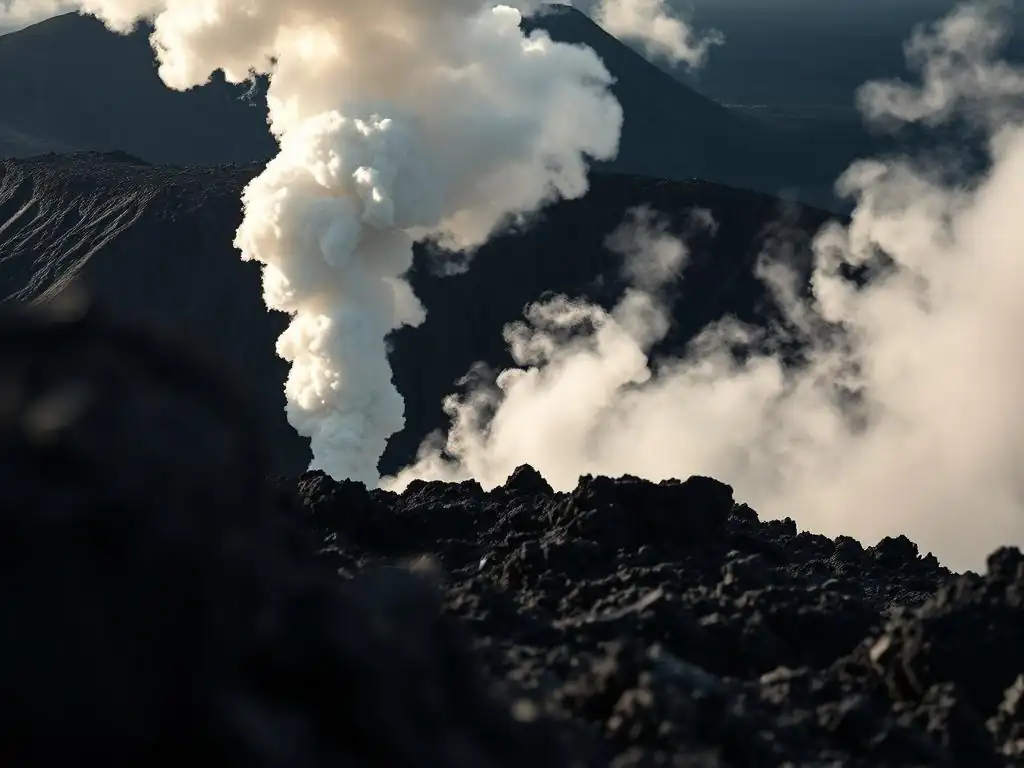
The volume of water available to interact with the heat source is a primary factor controlling the intensity of a phreatic eruption. A larger volume of water, when rapidly converted to steam, can generate a more powerful explosion due to the greater amount of expanding gas. The availability of water can vary depending on the geological setting of the volcano, the local climate, and the hydrological conditions. Volcanoes located in areas with high rainfall or significant groundwater reservoirs are more prone to phreatic eruptions and potentially more intense ones.
For instance, crater lakes, like those found at Ruapehu volcano in New Zealand, provide a readily available source of water directly overlying hydrothermal systems. Changes in lake level or hydrothermal activity can directly influence the likelihood and intensity of steam-driven eruptions. Similarly, volcanoes in geothermal areas with extensive groundwater systems are susceptible to phreatic activity.
The depth and saturation of the ground surrounding the heat source play a crucial role. Shallow water tables can lead to more frequent but potentially less intense eruptions, while deeper, confined aquifers might result in less frequent but more powerful events if a large volume of water is suddenly heated.
Geological Structure and Confinement
The geological structure of the volcano and the surrounding rock formations significantly influence the intensity and style of phreatic eruptions. The presence of faults, fractures, and permeable layers controls the pathways for water to reach the heat source and also affects the confinement of steam pressure. Highly fractured and permeable volcanic edifices can allow for rapid water infiltration and heat transfer, but they might also provide pathways for pressure release, potentially leading to less intense, more diffuse eruptions.
Conversely, areas with impermeable layers overlying aquifers can create more confined systems. In these scenarios, steam pressure can build up to higher levels before rupture, resulting in more explosive and focused eruptions. The geometry of the conduit or the hydrothermal system also plays a role.
Narrow conduits can act as nozzles, focusing the explosive energy and increasing the ejection velocity of materials. The strength and integrity of the surrounding rocks also determine the confining pressure that can be sustained before failure. Weaker or highly altered rocks are more prone to fracturing and may lead to smaller, more frequent releases of pressure, while stronger rocks can withstand higher pressure buildup, potentially resulting in more powerful, less frequent eruptions.
Heat Source Characteristics
The characteristics of the heat source are crucial in determining the intensity and nature of phreatic eruptions. The temperature, size, and depth of the heat source, as well as its ability to transfer heat to the surrounding water, are all important factors. A hotter heat source will lead to more rapid and voluminous steam generation, potentially resulting in more intense eruptions. Similarly, a larger heat source can sustain a longer period of steam production, potentially leading to more prolonged eruptive activity or multiple pulses.
The depth of the heat source also influences the eruption dynamics. Shallower heat sources might interact with shallower water tables, leading to smaller, more localized eruptions. Deeper heat sources, interacting with confined aquifers, may result in more powerful eruptions as the pressure buildup can be greater at depth. The nature of the heat source itself is also relevant.
While often associated with magmatic intrusions, heat can also be provided by cooling lava flows or deep-seated geothermal systems. The rate at which the heat source can replenish heat also plays a role in the frequency and duration of phreatic activity. Systems with continuous heat input might be more prone to repeated phreatic eruptions compared to systems where the heat source is gradually cooling down.
Monitoring Potential Phreatic Eruption Sites
Seismic Monitoring Techniques
Seismic monitoring is a crucial tool for detecting and understanding activity at volcanoes prone to phreatic eruptions. While phreatic eruptions themselves may not always be preceded by significant magmatic unrest, subtle changes in seismicity can indicate alterations in the hydrothermal system or increased pressure that might precede or accompany steam-driven explosions. Volcano seismometers, deployed around and on the flanks of volcanoes, record ground vibrations caused by various processes, including rock fracturing, fluid movement, and explosions.
Analysis of seismic data can reveal several indicators relevant to phreatic eruption potential. Increased frequency of low-frequency earthquakes, often associated with fluid movement within hydrothermal systems, can signal changes in pressure or fluid pathways. The occurrence of volcanic tremor, a continuous seismic signal often linked to magma or fluid flow, might also be observed, although tremor associated with phreatic activity may be weaker and less distinct than that associated with magmatic unrest.
Furthermore, specific types of seismic signals, such as explosion quakes, can directly indicate the occurrence of phreatic eruptions, even small ones that might not be visually observed. Real-time seismic monitoring allows for the detection of changes in seismic activity patterns, which can inform hazard assessments and potentially provide early warning of escalating phreatic eruption risks.
Ground Deformation Monitoring
Ground deformation monitoring is another essential technique for tracking changes at volcanoes that could precede phreatic eruptions. Deformation, or changes in the shape of the volcano's surface, can be caused by various subsurface processes, including magma movement, changes in hydrothermal pressure, and inflation or deflation of the volcanic edifice. Techniques like GPS (Global Positioning System) and InSAR (Interferometric Synthetic Aperture Radar) are used to precisely measure ground movements, often at millimeter-level accuracy.
Inflation, or swelling of the ground, can indicate pressure buildup within the volcanic system, which might be related to increased steam pressure in a hydrothermal system, potentially preceding a phreatic eruption. Conversely, deflation might indicate a decrease in pressure after an eruption or a change in fluid pathways. InSAR, particularly, is valuable for monitoring broad areas of deformation and can detect subtle changes over time, even in remote or inaccessible locations.
By continuously monitoring ground deformation patterns, volcanologists can detect trends that might suggest increasing phreatic eruption risk and assess the potential intensity of such events. Combining ground deformation data with seismic data provides a more comprehensive understanding of volcanic activity and improves the accuracy of hazard assessments.
Gas Emission Monitoring
Monitoring gas emissions from volcanoes is vital for understanding the state of the volcanic system and for detecting changes that could indicate an increased risk of phreatic eruptions. While phreatic eruptions are characterized by steam, changes in the composition and flux of other volcanic gases, even in relatively small amounts, can provide valuable insights into subsurface processes. Gas monitoring techniques include direct sampling of fumaroles and plumes, as well as remote sensing methods that can measure gas concentrations in volcanic plumes from a distance.
Changes in the flux of gases like carbon dioxide (CO2) and hydrogen sulfide (H2S), which are common in volcanic hydrothermal systems, can indicate alterations in the system's activity. An increase in gas flux might suggest increased heat input or changes in fluid pathways that could lead to increased steam generation and phreatic eruption potential.
Monitoring the isotopic composition of water vapor in fumaroles can also provide information about the source of the water involved in the hydrothermal system and potential changes in the mixing of different water sources, which could influence phreatic eruption dynamics. Furthermore, detecting even trace amounts of magmatic gases, like sulfur dioxide (SO2), might indicate a subtle magmatic contribution to the heat source, even if the eruption itself remains phreatic.
Continuous gas monitoring, coupled with seismic and deformation data, provides a more complete picture of volcanic activity and improves the ability to assess and potentially forecast phreatic eruption hazards.
Case Studies of Phreatic Eruptions
Whakaari/White Island 2019: A Fatal Phreatic Eruption
The Whakaari/White Island eruption in New Zealand on December 9, 2019, serves as a tragic example of the sudden and deadly nature of phreatic eruptions. Despite being monitored, the eruption occurred with very little precursory warning detectable by standard monitoring techniques. The eruption was relatively small in volume but highly energetic, ejecting hot steam, gas, mud, and rocks across the crater area, tragically killing 22 people and severely injuring many others who were visiting the island at the time.
Prior to the eruption, GeoNet, New Zealand's geological hazard monitoring agency, had noted increased levels of volcanic unrest at Whakaari/White Island in the weeks leading up to the event. This included increased gas emissions and some minor seismic activity, leading to an elevated alert level, but not to a level that would typically trigger a full evacuation of the island, particularly for daytime visits. The eruption itself was characterized by a rapid onset, with eyewitness accounts describing a sudden and powerful explosion with little to no preceding signals immediately noticeable to visitors on the island.
The event highlighted the challenges in predicting phreatic eruptions, even at well-monitored volcanoes, and underscored the significant hazards they pose, particularly in areas accessible to the public. Post-eruption analysis revealed that the eruption was indeed phreatic, driven by the rapid heating of groundwater within the active hydrothermal system of the volcano.
Ruapehu Crater Lake Eruptions: Hydrothermal System Dynamics
Mount Ruapehu, also in New Zealand, provides numerous examples of phreatic eruptions linked to its active crater lake. The crater lake, situated within the volcano's summit caldera, directly overlies an active hydrothermal system. Interactions between the hot hydrothermal fluids and the lake water frequently result in phreatic eruptions of varying intensities. Ruapehu has experienced numerous crater lake eruptions throughout the 20th and 21st centuries, some of which have ejected ash and debris beyond the crater rim and generated lahars (volcanic mudflows).
These eruptions at Ruapehu are often triggered by changes in the hydrothermal system beneath the crater lake. Fluctuations in heat input from the underlying magmatic system, changes in lake level, and even weather events can influence the stability of the hydrothermal system and trigger steam explosions. Monitoring of Ruapehu's crater lake includes temperature measurements, gas sampling, and visual observations of lake conditions, in addition to standard seismic and deformation monitoring.
These multi-parameter monitoring efforts help volcanologists to understand the dynamics of the hydrothermal system and to assess the potential for future phreatic eruptions. Ruapehu serves as a valuable natural laboratory for studying phreatic eruption mechanisms in a context where the water source is readily identifiable and continuously interacts with the volcanic heat source.
Lessons Learned from Case Studies
Analyzing case studies like Whakaari/White Island and Ruapehu provides crucial lessons for understanding and mitigating the hazards of phreatic eruptions. One key lesson is the inherent unpredictability of these events. While some precursory signals might be observed, phreatic eruptions can occur with very short warning times, or even seemingly without any clear precursors detectable by current monitoring techniques, as exemplified by Whakaari/White Island. This highlights the need for caution and conservative risk assessments, particularly in areas where people are exposed to potential phreatic eruption hazards.
Another important lesson is the significance of hydrothermal system dynamics. Changes in hydrothermal activity, even subtle ones, can be critical triggers for phreatic eruptions. Therefore, monitoring hydrothermal systems, including gas emissions, thermal activity, and hydrological conditions, is crucial, in addition to traditional seismic and deformation monitoring.
Case studies also underscore the importance of public education and awareness. Given the sudden onset and potential lethality of phreatic eruptions, especially in areas frequented by tourists or residents, clear communication of risks and appropriate safety measures are essential. Finally, continued research into phreatic eruption mechanisms, improved monitoring techniques, and development of more sophisticated forecasting models are necessary to enhance our ability to predict and mitigate the hazards associated with these often-overlooked volcanic phenomena.
Phreatic vs. Phreatomagmatic Eruptions
Role of Magma in Phreatomagmatic Eruptions
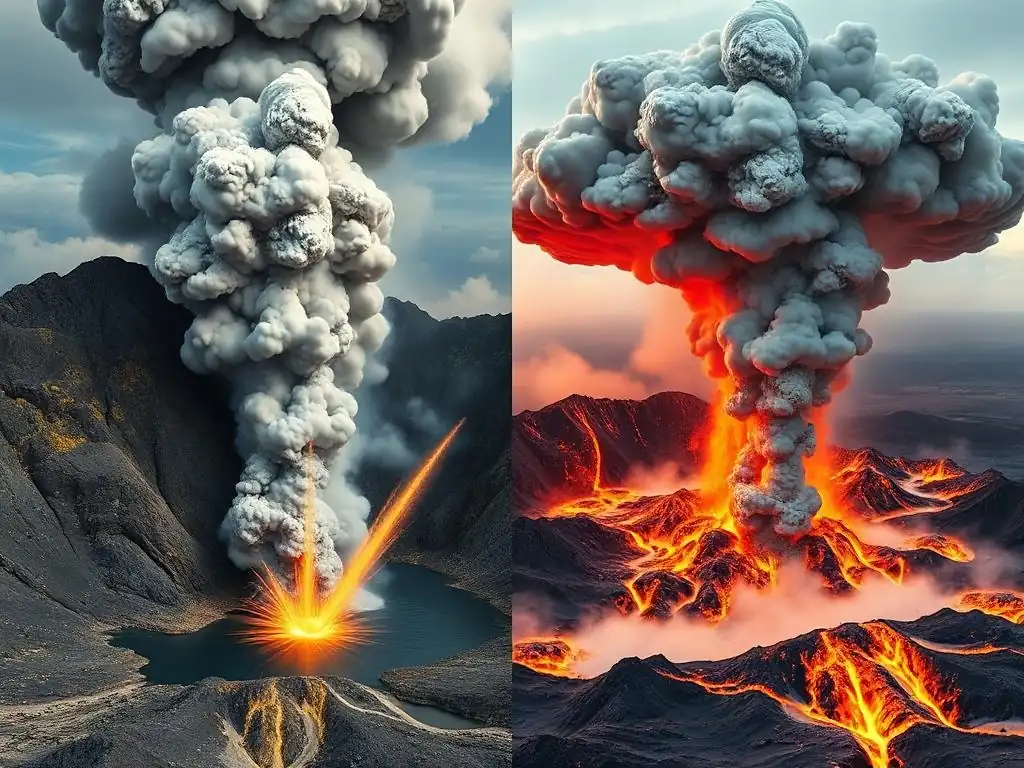
While phreatic eruptions are driven by the heat of rocks without direct magma involvement, phreatomagmatic eruptions are fundamentally different due to the crucial role of magma. Phreatomagmatic eruptions occur when magma directly interacts with water, either groundwater, surface water (like lakes or rivers), or seawater. This interaction is far more energetic than in phreatic eruptions because the magma itself is at a much higher temperature than the surrounding rocks, typically ranging from 700°C to over 1200°C depending on the magma composition.
When magma encounters water, the heat transfer is extremely rapid and efficient. The water is instantly superheated and vaporizes explosively. This rapid vaporization and expansion are significantly more forceful than in phreatic eruptions driven by rock heat alone. Furthermore, the fragmentation of magma itself is enhanced by the interaction with water.
The rapid cooling and pressure changes induce thermal stresses in the magma, causing it to fracture into fine particles. This process, known as fuel-coolant interaction, contributes to the highly explosive nature of phreatomagmatic eruptions. Therefore, the presence of magma as the primary heat source is the defining characteristic that distinguishes phreatomagmatic eruptions from phreatic eruptions, leading to differences in eruption style, intensity, and erupted products.
Eruption Products and Identification
The eruption products of phreatic and phreatomagmatic eruptions offer key indicators for distinguishing between these two types of steam-driven explosions. As previously discussed, phreatic eruption ejecta primarily consist of fragmented country rock, hydrothermal minerals, and condensed steam, lacking juvenile volcanic material (fresh lava or pumice). In contrast, phreatomagmatic eruption products are characterized by the presence of juvenile volcanic material mixed with fragmented country rock and hydrothermal alteration products.
The texture and morphology of the erupted particles also differ. Phreatomagmatic eruptions often produce fine-grained ash particles with blocky or angular shapes, reflecting the brittle fragmentation of magma due to rapid cooling and thermal stress. These ash particles may also exhibit features indicative of magma-water interaction, such as glassy rims or vesicularity.
Furthermore, phreatomagmatic eruptions can produce distinctive volcanic landforms like maars and tuff rings, which are formed by the dispersal and deposition of ash and pyroclastic debris around the vent. The presence of these juvenile components and characteristic ash textures in the eruption deposits provides strong evidence for a phreatomagmatic origin, distinguishing them from the purely steam-driven ejecta of phreatic eruptions. Laboratory analysis of ash samples is often necessary for definitive classification, particularly in cases where visual observation alone is insufficient.
Implications for Hazard Assessment
The distinction between phreatic and phreatomagmatic eruptions has significant implications for hazard assessment and risk management at volcanoes. Phreatomagmatic eruptions are generally more hazardous than phreatic eruptions due to their greater explosivity, wider dispersal of ash and pyroclastic debris, and potential for transitioning into more sustained magmatic eruptions. The involvement of magma means that phreatomagmatic eruptions can introduce additional hazards associated with magmatic activity, such as lava flows (though less common in purely phreatomagmatic events) and volcanic gases directly sourced from magma degassing.
Hazard assessments for volcanoes must therefore consider the potential for both phreatic and phreatomagmatic eruptions. Areas proximal to vents prone to phreatomagmatic activity will typically require larger exclusion zones due to the greater range of ballistic projectiles and the wider extent of ashfall. Furthermore, the potential for escalation from a phreatomagmatic eruption to a more sustained magmatic eruption needs to be evaluated and factored into long-term hazard planning.
Monitoring strategies might also differ slightly, with increased emphasis on detecting signs of magma ascent and degassing in volcanoes with a history of phreatomagmatic activity. Accurately differentiating between these eruption types, both in real-time during an event and in post-eruption analysis, is crucial for effective hazard mitigation and for informing appropriate public safety measures.
Hazards Associated with Phreatic Eruptions
Ballistic Projectiles and Ash Clouds
Phreatic eruptions, despite lacking direct magma involvement, pose significant hazards, primarily from ballistic projectiles and ash clouds. Ballistic projectiles are rock fragments ejected at high velocities from the vent during the explosion. These fragments can range in size from small pebbles to large blocks weighing several tons, and they can be propelled hundreds of meters, or even kilometers, from the eruption source. The trajectory and range of ballistic projectiles depend on the intensity of the eruption, the vent geometry, and the density of the ejected rocks.
Ballistic projectiles are a major cause of injury and fatalities in phreatic eruptions, as demonstrated by the Whakaari/White Island tragedy. Even relatively small projectiles can cause serious injury or death due to their high velocity and impact force. Ash clouds, while typically less voluminous and less widespread than those from magmatic eruptions, are also a hazard. Phreatic ash is composed of finely fragmented rock and hydrothermal minerals, which can be inhaled and cause respiratory irritation.
Ash clouds can also reduce visibility, disrupt air travel, and contaminate water supplies. The extent and density of ash clouds depend on the eruption intensity and wind conditions. While phreatic ash clouds may dissipate relatively quickly compared to magmatic ash plumes, they still represent a significant hazard in the immediate vicinity of the eruption vent.
Lahars and Debris Flows
Phreatic eruptions can trigger secondary hazards such as lahars and debris flows, particularly in volcanoes covered in snow, ice, or loose unconsolidated material. Lahars are volcanic mudflows or debris flows composed of a mixture of water, rock fragments, ash, and other volcanic debris. Phreatic eruptions can generate lahars in several ways. The explosive ejection of hot material can melt snow and ice, creating a slurry that mixes with loose volcanic deposits on the volcano's flanks. Alternatively, the eruption can destabilize crater walls or surrounding slopes, triggering landslides that transform into debris flows as they incorporate water and sediment.
Lahars and debris flows are extremely dangerous due to their high density, rapid flow velocities, and ability to travel long distances down valleys. They can destroy infrastructure, bury landscapes, and cause widespread devastation. Even relatively small phreatic eruptions can generate lahars if they occur in areas with sufficient water and loose volcanic material. The hazard is particularly pronounced at volcanoes with crater lakes or extensive snow and ice cover. The pathways of lahars and debris flows are typically confined to valleys and drainage channels, making these areas particularly vulnerable to these secondary hazards following phreatic eruptions.
Health Impacts of Ash Exposure
Exposure to volcanic ash, even from phreatic eruptions, can have various health impacts. While phreatic ash is generally composed of less hazardous materials compared to ash from magmatic eruptions that may contain fresh volcanic glass and adsorbed gases, it still poses respiratory and other health risks. Inhalation of fine ash particles can irritate the respiratory system, exacerbating pre-existing conditions like asthma and bronchitis. Prolonged or heavy exposure can lead to silicosis and other lung diseases over time, although this is less commonly associated with phreatic ash compared to ash from highly silicic magmatic eruptions.
Eye irritation is another common health effect of ash exposure. Ash particles can scratch the cornea and cause conjunctivitis. Skin irritation and allergic reactions can also occur due to contact with ash. Furthermore, ashfall can contaminate water supplies, potentially leading to gastrointestinal illnesses if contaminated water is consumed.
The health impacts of ash exposure are influenced by the particle size distribution, mineralogical composition, and concentration of ash in the air. Vulnerable populations, such as children, the elderly, and individuals with pre-existing respiratory conditions, are particularly susceptible to the health effects of ash exposure from phreatic eruptions. Public health advisories during and after phreatic eruptions should include recommendations for minimizing ash exposure, such as wearing masks, eye protection, and staying indoors.
Predicting and Mitigating Phreatic Eruption Risks
Early Warning Systems
Developing effective early warning systems for phreatic eruptions is a significant challenge due to their often-sudden onset and limited precursory signals. However, integrating multi-parameter monitoring data and developing sophisticated analytical techniques can improve early warning capabilities. Early warning systems typically rely on real-time monitoring of seismic activity, ground deformation, gas emissions, and hydrothermal system parameters like crater lake temperature and water chemistry.
Automated analysis of seismic data can detect changes in seismicity patterns, such as increased frequency of low-frequency earthquakes or volcanic tremor, that might precede phreatic activity. Real-time ground deformation monitoring can detect inflation or deflation that could indicate pressure changes in the hydrothermal system. Changes in gas flux and composition, particularly increases in steam or CO2 emissions, might also serve as precursors.
Integrated analysis of these diverse datasets, using statistical models and machine learning algorithms, can help to identify subtle patterns and anomalies that might signal an increasing probability of phreatic eruption. Early warning systems should also incorporate rapid dissemination of alerts to at-risk populations, using multiple communication channels to ensure timely and effective warnings. However, it is crucial to acknowledge the inherent uncertainties in predicting phreatic eruptions and to communicate these limitations clearly to the public.
Community Preparedness and Evacuation
Community preparedness and effective evacuation plans are essential components of mitigating the risks associated with phreatic eruptions, especially given their potential for sudden onset and limited warning times. Preparedness efforts should focus on educating communities living near volcanoes about the hazards of phreatic eruptions, including ballistic projectiles, ashfall, and lahars. Public education programs should emphasize the importance of heeding official warnings and evacuation orders, and provide guidance on appropriate protective measures, such as seeking shelter indoors, wearing masks and eye protection during ashfall, and avoiding valleys and drainage channels during heavy rainfall due to lahar risks.
Evacuation plans need to be tailored to the specific hazards of phreatic eruptions at each volcano. Pre-identified evacuation routes and assembly areas should be established and regularly practiced through drills and exercises. Clear communication protocols are crucial to ensure that warnings and evacuation orders reach all at-risk populations in a timely manner.
Given the rapid onset of phreatic eruptions, evacuation plans should prioritize rapid evacuation of areas closest to potential eruption vents, particularly areas accessible to tourists or recreational activities. Furthermore, long-term land-use planning and zoning regulations can help to minimize exposure to phreatic eruption hazards by restricting development in high-risk areas and promoting safer land use practices.
Research and Mitigation Strategies
Continued research into phreatic eruption mechanisms, improved monitoring techniques, and development of effective mitigation strategies are crucial for reducing the risks associated with these volcanic events. Research efforts should focus on improving our understanding of the processes that trigger phreatic eruptions, including the dynamics of hydrothermal systems, heat transfer mechanisms, and the role of external factors like rainfall or seismic activity. Developing more sensitive and robust monitoring techniques is essential for detecting subtle precursory signals and improving early warning capabilities. This includes exploring new sensor technologies, advanced data analysis methods, and improved volcano monitoring networks.
Mitigation strategies should encompass a range of approaches, including engineering solutions, risk communication, and land-use planning. Engineering measures might include constructing barriers or diversion structures to protect critical infrastructure from lahars and debris flows. Improving risk communication strategies is vital for enhancing public awareness, promoting preparedness, and ensuring effective response to eruption warnings.
This requires clear, concise, and culturally appropriate communication materials, as well as community engagement and participatory approaches to risk management. Long-term mitigation strategies should also consider land-use planning and zoning regulations to reduce vulnerability and build more resilient communities in volcanic areas. International collaboration and knowledge sharing are also essential for advancing research and improving mitigation efforts for phreatic eruption hazards globally.
Frequently Asked Questions
What exactly is a phreatic eruption, and how does it differ from other volcanic eruptions?
A phreatic eruption, also known as a steam volcano eruption, is a type of volcanic eruption driven by the explosive heating of groundwater. Unlike magmatic eruptions, it doesn't involve the direct eruption of magma.
What are the main mechanisms that trigger a steam volcano eruption?
The primary mechanism involves magma or hot rocks heating subsurface water, creating steam under pressure. When the pressure exceeds the strength of the overlying rocks, a violent steam explosion occurs, ejecting rock and ash.
Is a steam volcano eruption always a sign of an impending larger, magmatic eruption?
Not necessarily. While a phreatic eruption can sometimes precede a magmatic eruption, it's often an isolated event. The presence of water near a heat source is the main driver, not necessarily rising magma.
What are the primary hazards associated with steam volcano eruptions?
The main hazards include explosions, flying rocks, and ashfall. The explosions can be unpredictable and dangerous, while the ash can cause respiratory problems and disrupt infrastructure.
How do volcanologists monitor volcanoes for potential steam volcano eruptions?
Volcanologists monitor for changes in groundwater temperature, gas emissions, and ground deformation. Increased steam venting or changes in seismic activity can indicate an increased risk of a phreatic eruption.
Final Reflection: Unveiling Earth's Fiery Breath
The exploration of steam volcano eruption mechanisms, as detailed in this article, isn't just an academic exercise; it's a crucial endeavor for safeguarding communities living near these volatile giants. Understanding the intricate dance of water, heat, and pressure beneath the Earth's surface is paramount to predicting and mitigating the devastating impacts of phreatic eruptions. The science we've discussed here directly translates into improved monitoring techniques, more accurate risk assessments, and ultimately, lives saved.
The unpredictable nature of steam volcanoes, driven by internal processes often invisible to the naked eye, has always held a certain mystique and, unfortunately, a tragic potential. This research underscores the importance of continuous learning and adaptation in the face of natural hazards, reminding us that our understanding of the planet is constantly evolving. The only constant is change,
a sentiment that rings especially true when considering the dynamic and often surprising behavior of our planet's volcanic systems.
As we conclude this exploration of steam volcano eruption mechanisms, I invite you to consider the power of knowledge and the responsibility that comes with it. Let this understanding fuel your curiosity, inspire your support for scientific research, and empower you to advocate for informed decision-making in communities vulnerable to these natural phenomena. The Earth speaks to us through its eruptions; let us listen, learn, and act to protect ourselves and future generations.
Unleash Your Inner Volcanologist!
Thanks for joining us on this fascinating journey into the heart of steam volcanoes! We hope you’ve gained a new appreciation for the powerful forces at play in phreatic eruptions and the intricate science behind them. Now, it's time to put that knowledge into action!
Here's how you can continue your exploration:
- Become a Volcano Observer: Record and share any unusual steam activity you observe near volcanic areas in your region, contributing to a greater understanding of potential phreatic events. Share your observations (text & pictures) on social media (using a dedicated hashtag, example #VolcanoWatchers) and tag Volcano Explorers.
- Explore Local Volcanic History: Research the past steam eruptions in your area and share your findings with friends and family to raise awareness of these often-underestimated volcanic hazards.
- Spread the Word: Share this article with fellow science enthusiasts and spark a conversation about the fascinating (and sometimes dangerous) world of steam volcanoes!
What surprising fact about phreatic eruptions will you be sharing with others today?