
The Challenge of Dating Old Volcanoes: Techniques for Ancient Eruptions

Welcome to Volcano Explorers, where the Earth's fiery heart is revealed! Ever wondered how scientists unlock the secrets of eruptions long past? Prepare to journey back in time as we explore the fascinating—and often challenging—techniques used for dating ancient volcanic eruptions. The answers lie hidden within layers of ash and rock, waiting to be uncovered. Are you ready to dig in?
- Introduction: Unveiling the Secrets of Past Volcanic Activity
- Why Date Ancient Volcanic Eruptions? Understanding Earth's Volcanic History
- Challenges in Dating Ancient Volcanic Events: A Geochronological Puzzle
-
Radiometric Dating Techniques for Ancient Volcanic Rocks: A Deep Dive
- Potassium-Argon (K-Ar) Dating: Fundamentals and Applications to Volcanic Rocks
- Argon-Argon ( 40 Ar/ 39 Ar) Dating: Precision and Accuracy in Volcanic Geochronology
- Uranium-Lead (U-Pb) Dating of Zircons in Volcanic Ash: High-Resolution Geochronology
- Carbon-14 Dating of Buried Organic Material in Volcanic Deposits: Dating Recent Ancient Eruptions
- Tephrochronology: Using Volcanic Ash Layers as Time Markers
- Relative Dating Methods in Volcanic Stratigraphy: Establishing a Chronological Sequence
- Case Studies: Examples of Dating Ancient Volcanic Eruptions
- Future Directions in Dating Ancient Volcanic Eruptions
- Conclusion: The Ongoing Quest to Understand Earth's Volcanic Past
-
Frequently Asked Questions
- How do scientists date ancient volcanic eruptions?
- What are some common radiometric dating methods used for dating ancient volcanic eruptions?
- Why is dating ancient volcanic eruptions important?
- What challenges do scientists face when dating very old volcanic eruptions?
- Besides radiometric dating, what other methods can be used to estimate the age of ancient volcanic eruptions?
- Final Reflection: Unearthing Time's Secrets
- Unearth the Secrets Yourself!
Introduction: Unveiling the Secrets of Past Volcanic Activity
Volcanoes, with their awe-inspiring power and dramatic eruptions, have shaped our planet for billions of years. Understanding the history of volcanic activity is crucial for comprehending Earth's dynamic processes, predicting future eruptions, and mitigating volcanic hazards. Dating ancient volcanic eruptions is a formidable challenge, demanding sophisticated techniques and meticulous analysis to unlock the secrets hidden within solidified lava flows, ash deposits, and volcanic rocks. This article explores the fascinating world of volcanic geochronology, delving into the methods scientists use to unravel the timeline of past eruptions and reconstruct Earth's fiery past.
From the cataclysmic supereruptions that have reshaped continents to the more frequent, yet still impactful, eruptions of stratovolcanoes, each volcanic event leaves behind a geological fingerprint. Decoding these fingerprints allows us to not only understand the frequency and magnitude of past eruptions but also provides valuable insights into the long-term evolution of volcanic systems. By accurately dating ancient volcanic eruptions, we gain a deeper appreciation for the Earth's geological history and improve our ability to anticipate and prepare for future volcanic activity.
Why Date Ancient Volcanic Eruptions? Understanding Earth's Volcanic History
Dating ancient volcanic eruptions is not merely an academic exercise; it's a fundamental endeavor with far-reaching implications for various scientific disciplines and societal concerns. The ability to accurately determine the age of volcanic events allows us to build a comprehensive timeline of Earth's volcanic history, revealing patterns, trends, and potential triggers of volcanic activity over geological timescales. This knowledge is essential for understanding the dynamic nature of our planet and its ongoing evolution.
Furthermore, understanding the temporal distribution of volcanic eruptions is crucial for assessing volcanic hazards in specific regions. By identifying past eruption frequencies and magnitudes, scientists can better estimate the probability of future eruptions and the potential risks they pose to human populations and infrastructure. This information is vital for developing effective volcanic hazard mitigation strategies, including land-use planning, early warning systems, and emergency preparedness protocols.
Reconstructing Past Volcanic Events: Importance for Hazard Assessment
Reconstructing past volcanic events through precise dating techniques is paramount for accurate volcanic hazard assessments. Volcanoes often exhibit cyclical behavior, with periods of activity followed by quiescence. By establishing a detailed eruption history, we can identify patterns in volcanic activity, such as recurrence intervals between eruptions of specific magnitudes. For instance, studies dating ancient eruptions at Mount Rainier in Washington State have revealed a history of large explosive eruptions occurring roughly every 500 to 1,000 years, informing hazard assessments for the densely populated Puget Sound region.
The geological record preserved in volcanic deposits holds vital clues about the style, magnitude, and extent of past eruptions. Dating these deposits allows volcanologists to determine not only when eruptions occurred but also to reconstruct the sequence of events during an eruption, including the types of volcanic products erupted (lava flows, ashfall, pyroclastic flows), their distribution, and their impact on the surrounding environment. This detailed understanding of past eruptions is crucial for anticipating the potential impacts of future eruptions at the same volcano or in similar volcanic settings.
Climate Change and Volcanic Eruptions: A Temporal Correlation
The relationship between climate change and volcanic eruptions is a complex and actively researched area. While volcanic eruptions can themselves influence climate through the injection of gases and aerosols into the atmosphere, climate change may also impact volcanic activity in various ways. Dating ancient volcanic eruptions plays a crucial role in investigating potential temporal correlations between climate shifts and changes in volcanic eruption frequency or style.
For example, some studies suggest that deglaciation, the melting of large ice sheets, can trigger increased volcanic activity by reducing the pressure on the underlying mantle, leading to increased magma production and eruption rates. By precisely dating volcanic eruptions that occurred during periods of significant climate change in the past, such as the end of the last ice age, scientists can investigate these potential links and gain a better understanding of the feedback mechanisms between the Earth's climate system and its volcanic activity. This knowledge is increasingly relevant in the context of ongoing anthropogenic climate change.
Understanding Magma Evolution Through Time: Insights from Dated Eruptions
Dating volcanic eruptions is not only about understanding the timing of events but also about gaining insights into the processes occurring beneath the Earth's surface. Each volcanic eruption brings to the surface magma that has been generated and evolved within the Earth's mantle and crust. By dating volcanic rocks from different eruptions at the same volcano or volcanic field, geologists can track changes in magma composition and characteristics over time.
This temporal perspective on magma evolution allows us to understand the processes of magma generation, storage, and ascent beneath volcanoes. For instance, by dating lava flows from different eruptive episodes of Kilauea volcano in Hawaii, scientists have been able to track changes in the composition of the magma source in the mantle and the processes of magma differentiation and mixing within the volcano's plumbing system. Such studies provide crucial information about the long-term behavior of volcanic systems and the factors that control eruption styles and magma compositions.
Challenges in Dating Ancient Volcanic Events: A Geochronological Puzzle
Dating ancient volcanic eruptions presents a unique set of challenges that distinguishes it from dating other geological events. Volcanic rocks and deposits are often subjected to extreme temperatures and pressures during and after eruption, which can alter the materials used for dating. Furthermore, the very nature of volcanic processes, involving rapid cooling and crystallization, and the subsequent weathering and alteration of volcanic materials over time, can complicate the geochronological record.
Securing suitable samples for dating from ancient volcanic eruptions can also be challenging. Older volcanic deposits may be deeply buried, eroded, or altered, making it difficult to find fresh, unaltered material that is ideal for radiometric dating techniques. These challenges require specialized expertise, meticulous sample selection, and the application of appropriate dating methods to obtain reliable and accurate ages for ancient volcanic eruptions.
The Degradation of Datable Materials Over Time
The fundamental principle behind most radiometric dating techniques is the decay of radioactive isotopes within minerals. However, over geological timescales, the very minerals used for dating can undergo degradation and alteration, affecting the accuracy of the age determination. Volcanic rocks, particularly those exposed at the surface, are susceptible to weathering, hydration, and metamorphism, processes that can alter the isotopic ratios within minerals and potentially lead to inaccurate ages.
For example, potassium-bearing minerals, commonly used in potassium-argon (K-Ar) dating, can be affected by argon loss due to heating or alteration. Similarly, uranium-bearing minerals like zircon, used in uranium-lead (U-Pb) dating, can experience lead loss due to chemical weathering or metamorphism. These processes can lead to underestimation of the true age of the volcanic rock. Geochronologists must carefully assess the degree of alteration in volcanic samples and employ techniques to mitigate the effects of degradation on dating results.
Limited Sample Availability from Old Volcanic Deposits
As we delve further back in time, the availability of well-preserved volcanic deposits diminishes. Erosion, burial, and tectonic processes progressively remove or obscure older geological records. Ancient volcanic eruptions, especially those occurring millions or billions of years ago, may be represented by only small, fragmented, or highly altered remnants. This limited sample availability poses a significant challenge for dating ancient volcanic eruptions.
In many cases, geochronologists may have to work with small sample sizes or less-than-ideal materials to obtain age estimates for very old volcanic events. This necessitates the use of highly sensitive analytical techniques and careful consideration of potential sources of error. Sometimes, dating ancient volcanic eruptions relies on indirect methods or correlations with other dated geological units due to the scarcity of directly datable volcanic material.
Contamination Issues in Ancient Volcanic Rock Samples
Contamination is a pervasive issue in geochronology, particularly when dating ancient volcanic rocks. Contamination can occur in various forms, including the incorporation of older or younger material into the sample, the presence of atmospheric argon in K-Ar dating, or the introduction of common lead in U-Pb dating. Such contamination can skew the isotopic ratios and lead to erroneous age determinations.
For instance, in K-Ar dating, the presence of excess argon, argon that is not radiogenic but was trapped within the mineral during crystallization or introduced later, can lead to overestimation of the age. In U-Pb dating, the presence of common lead, lead that is not radiogenic but was incorporated into the mineral at the time of formation, can also affect the accuracy of the age. Geochronologists employ rigorous sample preparation procedures, blank corrections, and isochron methods to minimize and correct for contamination effects when dating ancient volcanic rocks.
Radiometric Dating Techniques for Ancient Volcanic Rocks: A Deep Dive
Radiometric dating techniques are the cornerstone of dating ancient volcanic eruptions. These methods rely on the predictable decay of radioactive isotopes within minerals to determine the time elapsed since the mineral crystallized. Several radiometric dating methods are particularly well-suited for dating volcanic rocks, each with its own strengths, limitations, and applicable age range. Choosing the appropriate method depends on the age of the volcanic rock, the minerals present, and the degree of alteration.
For dating ancient volcanic eruptions spanning millions to billions of years, methods like potassium-argon (K-Ar), argon-argon ( 40 Ar/ 39 Ar), and uranium-lead (U-Pb) dating are commonly employed. For more recent ancient eruptions, extending back tens of thousands of years, carbon-14 dating can be used to date organic material buried within volcanic deposits. Each of these methods provides valuable insights into the timeline of volcanic activity, contributing to our understanding of Earth's volcanic history.
Potassium-Argon (K-Ar) Dating: Fundamentals and Applications to Volcanic Rocks
Potassium-argon (K-Ar) dating is a widely used radiometric technique for dating volcanic rocks, particularly those older than a few hundred thousand years. The method is based on the radioactive decay of potassium-40 ( 40 K) to argon-40 ( 40 Ar). Potassium is a common element in many rock-forming minerals, including feldspars, micas, and amphiboles, which are frequently found in volcanic rocks. When these minerals crystallize from magma, they incorporate potassium but initially contain no argon. Over time, 40 K decays to 40 Ar, which accumulates within the mineral structure.
By measuring the ratio of 40 Ar to 40 K in a volcanic rock sample and knowing the decay rate of 40 K, geochronologists can calculate the time elapsed since the mineral crystallized, which is assumed to be the time of the volcanic eruption. K-Ar dating has been instrumental in establishing the geological timescale and dating numerous volcanic events throughout Earth's history. It is particularly useful for dating relatively potassium-rich volcanic rocks like basalts and andesites.
Limitations of K-Ar Dating in Highly Altered Volcanic Materials
Despite its widespread application, K-Ar dating has limitations, especially when applied to highly altered volcanic materials. One significant limitation is the potential for argon loss or gain due to subsequent heating, metamorphism, or alteration of the volcanic rock. Argon is a noble gas and can diffuse out of minerals at elevated temperatures. If a volcanic rock has been subjected to thermal events after its initial crystallization, some of the accumulated 40 Ar may have been lost, leading to an underestimation of the true age.
Conversely, in some cases, volcanic rocks can incorporate excess argon, argon that is not radiogenic but was present in the magma or surrounding environment during crystallization. Excess argon can lead to overestimation of the age. Highly altered volcanic rocks, which have undergone significant weathering or hydrothermal alteration, are more prone to argon loss or gain, making K-Ar dating less reliable in such cases. Geochronologists often employ careful sample selection and analytical techniques to minimize the impact of alteration on K-Ar dating results.
Argon-Argon ( 40 Ar/ 39 Ar) Dating: Precision and Accuracy in Volcanic Geochronology
Argon-argon ( 40 Ar/ 39 Ar) dating is a refinement of the K-Ar method that offers improved precision and accuracy, particularly for dating volcanic rocks. The 40 Ar/ 39 Ar technique overcomes some of the limitations of conventional K-Ar dating by using a single sample irradiation step and measuring argon isotopes ratios, rather than absolute amounts of potassium and argon. In 40 Ar/ 39 Ar dating, the volcanic rock sample is irradiated with neutrons in a nuclear reactor. This irradiation converts a known fraction of potassium-39 ( 39 K) to argon-39 ( 39 Ar).
By measuring the ratios of 40 Ar/ 39 Ar, 37 Ar/ 39 Ar, and 36 Ar/ 39 Ar isotopes after irradiation and step-heating the sample, geochronologists can determine the age of the volcanic rock and also assess the argon release characteristics of the mineral. The 40 Ar/ 39 Ar method is less susceptible to errors caused by variations in potassium concentration within the sample and can provide more robust age determinations, especially for complex volcanic rocks and altered materials.
Step-Heating Techniques for Improved 40 Ar/ 39 Ar Dating Results
Step-heating is a crucial aspect of 40 Ar/ 39 Ar dating that enhances the reliability of the age determination. In step-heating, the volcanic rock sample is heated incrementally to progressively higher temperatures, and the argon released at each temperature step is analyzed. This technique allows geochronologists to examine the argon release patterns from different mineral phases within the sample and to identify and potentially eliminate the effects of alteration or argon loss.
By plotting the age versus the fraction of argon released at each temperature step, known as an age spectrum, geochronologists can assess the presence of multiple argon components or argon loss. A flat, or plateau, age spectrum, where the age remains constant over a significant portion of the argon release, is generally considered to indicate a reliable age. Step-heating and age spectrum analysis are essential for obtaining accurate and precise 40 Ar/ 39 Ar ages, particularly for complex volcanic samples.
Uranium-Lead (U-Pb) Dating of Zircons in Volcanic Ash: High-Resolution Geochronology
Uranium-lead (U-Pb) dating is another powerful radiometric technique, particularly well-suited for dating zircons, a robust mineral commonly found in volcanic ash and some volcanic rocks. Zircon is highly resistant to chemical and thermal alteration and incorporates uranium but excludes lead when it crystallizes from magma. The U-Pb method relies on the radioactive decay of two uranium isotopes, uranium-238 ( 238 U) to lead-206 ( 206 Pb) and uranium-235 ( 235 U) to lead-207 ( 207 Pb).
By measuring the ratios of uranium and lead isotopes in zircon crystals separated from volcanic ash or rock samples, geochronologists can determine the crystallization age of the zircon, which is interpreted as the age of the volcanic eruption. U-Pb dating of zircons offers high precision and accuracy, particularly for older volcanic rocks and ash layers. It is often used to date volcanic ash layers interbedded with sedimentary sequences, providing crucial time markers for stratigraphy and geological correlation.
Addressing Common Lead Loss in U-Pb Dating of Volcanic Materials
While zircon is highly resistant to alteration, it can still experience lead loss over geological time, particularly in volcanic environments where hydrothermal activity or metamorphism may occur. Lead loss can lead to underestimation of the true age of the zircon and the volcanic eruption. Geochronologists employ various techniques to address the issue of common lead and lead loss in U-Pb dating.
One common approach is to analyze multiple zircon crystals from the same sample and plot the data on a concordia diagram. Concordia diagrams are graphical tools used to assess the degree of concordance or discordance in U-Pb data. Discordant data, deviating from the concordia curve, may indicate lead loss. By using regression techniques and analyzing multiple fractions of zircon with varying degrees of lead loss, geochronologists can extrapolate back to the concordia curve and obtain more accurate age estimates, even in the presence of lead loss.
Carbon-14 Dating of Buried Organic Material in Volcanic Deposits: Dating Recent Ancient Eruptions
Carbon-14 dating ( 14 C dating) is a radiometric technique specifically used for dating organic materials, such as charcoal, wood, or plant remains, up to around 50,000 years old. While not directly dating the volcanic rock itself, 14 C dating is invaluable for dating relatively recent ancient volcanic eruptions by dating organic material buried within volcanic deposits, such as ashfall or pyroclastic flows. Carbon-14 is a radioactive isotope of carbon that is continuously produced in the atmosphere by cosmic ray interactions. Living organisms incorporate 14 C from the atmosphere, maintaining a constant ratio of 14 C to stable carbon isotopes.
When an organism dies, it no longer exchanges carbon with the atmosphere, and the 14 C in its remains begins to decay back to nitrogen-14 ( 14 N) with a half-life of approximately 5,730 years. By measuring the remaining 14 C content in organic material found within volcanic deposits, geochronologists can estimate the time since the organism died, which provides a maximum age for the volcanic eruption that buried it. 14 C dating is particularly useful for dating Holocene volcanic eruptions and for correlating volcanic events with human history and archaeological records.
Calibration Issues and Limitations of Carbon-14 Dating in Volcanic Environments
While 14 C dating is a powerful tool for dating recent ancient volcanic eruptions, it has limitations and requires careful consideration of calibration issues, particularly in volcanic environments. One important limitation is the " 14 C reservoir effect." Organisms living in aquatic environments or volcanic lakes can incorporate "old" carbon, carbon that is depleted in 14 C, from dissolved bicarbonate or volcanic gases. Dating such organisms directly can lead to overestimation of the true age.
Calibration of 14 C dates is also crucial. The atmospheric 14 C concentration has not been constant over time due to variations in cosmic ray flux and changes in the Earth's carbon cycle. Therefore, raw 14 C ages need to be calibrated using calibration curves derived from tree rings, corals, or other independently dated archives to obtain calendar ages. In volcanic environments, factors like volcanic degassing and changes in local carbon reservoirs can further complicate 14 C calibration and require careful interpretation of 14 C dates.
Tephrochronology: Using Volcanic Ash Layers as Time Markers
Tephrochronology is a powerful dating and correlation technique that utilizes volcanic ash layers, known as tephra, as time markers in geological and archaeological records. Volcanic ash, ejected during explosive eruptions, can be dispersed over vast areas and deposited as distinct layers in sediments, soils, and ice cores. These tephra layers represent isochronous surfaces, meaning they were deposited essentially instantaneously over a wide region, providing valuable time horizons for correlating geological and archaeological sequences across different locations.
Tephrochronology involves identifying, characterizing, and correlating tephra layers based on their physical and chemical properties. By dating a tephra layer at one location, its age can be transferred to other locations where the same tephra layer is found, allowing for the synchronization of different records and the construction of regional chronostratigraphic frameworks. Tephrochronology is particularly useful in volcanic regions and areas downwind of major volcanoes, where tephra layers are frequently preserved in sedimentary archives.
Identifying and Correlating Tephra Layers: A Regional Chronostratigraphic Framework
Identifying and correlating tephra layers is the core of tephrochronology. Tephra layers are typically recognized in the field by their distinctive color, texture, and mineralogical composition. They often form sharp boundaries within sedimentary sequences and can be traced laterally across different exposures. Correlation of tephra layers between different sites relies on matching their unique characteristics, including macroscopic properties like color and grain size, and microscopic properties like mineral assemblage and glass shard morphology.
For regional correlations, chemical fingerprinting of volcanic glass shards within tephra layers is essential. The chemical composition of volcanic glass is highly sensitive to the magma source and eruption conditions, providing a unique fingerprint for each eruption. By analyzing the major and trace element composition of glass shards using techniques like electron microprobe or inductively coupled plasma mass spectrometry (ICP-MS), geochronologists can precisely match tephra layers from different locations to the same eruption, establishing a regional chronostratigraphic framework.
Chemical Fingerprinting of Volcanic Ash: Matching Eruptions to Source Volcanoes
Chemical fingerprinting of volcanic ash is a crucial aspect of tephrochronology, enabling not only the correlation of tephra layers but also the identification of the source volcano for a particular eruption. Different volcanoes often erupt magmas with distinct chemical compositions, reflecting variations in their mantle sources and crustal processes. The chemical composition of volcanic glass shards preserves this source signature, allowing for the discrimination between tephra layers from different volcanoes.
By comparing the chemical composition of glass shards from a tephra layer to the known compositions of volcanic rocks from potential source volcanoes in the region, geochronologists can often pinpoint the volcano responsible for the eruption. This source identification is important for understanding the spatial distribution of volcanic hazards and for reconstructing the eruptive history of individual volcanoes and volcanic fields. Chemical fingerprinting of tephra is a powerful tool for tracing volcanic eruptions across vast distances and linking distal tephra deposits to their volcanic sources.
Using Tephra Layers to Date Other Geological Events
Once a tephra layer has been dated using radiometric methods, it can be used as a time marker to date other geological events or archaeological horizons that are stratigraphically associated with it. If a tephra layer is found interbedded with sedimentary layers containing fossils or archaeological artifacts, the age of the tephra layer provides a chronological constraint for the age of the fossils or artifacts. Tephra layers can thus serve as "tie points" in geological and archaeological chronologies, allowing for the dating of sequences that are otherwise difficult to date directly.
For example, tephra layers interbedded with lake sediments can be used to date changes in lake level, vegetation, or climate recorded in the sediments. In archaeological contexts, tephra layers can date occupation layers or artifacts buried beneath or above them. The widespread distribution and isochronous nature of tephra layers make them invaluable tools for establishing precise chronological relationships between different geological and archaeological records across regional and even continental scales.
Relative Dating Methods in Volcanic Stratigraphy: Establishing a Chronological Sequence
While radiometric dating techniques provide absolute ages for volcanic eruptions, relative dating methods are also crucial for establishing the chronological sequence of volcanic events, particularly in complex volcanic terrains. Relative dating methods rely on geological principles and field observations to determine the order in which volcanic deposits were formed, without necessarily providing numerical ages. These methods are essential for constructing detailed volcanic stratigraphies and understanding the eruptive history of volcanoes, even in areas where radiometric dating is challenging or unavailable.
Relative dating methods are based on fundamental geological principles such as the law of superposition, cross-cutting relationships, and the analysis of weathering and soil development. Applying these principles to volcanic deposits allows geologists to determine the relative ages of lava flows, ash layers, pyroclastic flows, and other volcanic units, building a chronological framework for the volcanic history of a region. Relative dating methods are often used in conjunction with radiometric dating to provide a comprehensive understanding of volcanic timelines.
Law of Superposition and Its Application to Volcanic Deposits
The law of superposition is a fundamental principle of stratigraphy stating that in undisturbed sedimentary or volcanic sequences, the oldest layers are at the bottom, and the youngest layers are at the top. This principle is directly applicable to volcanic deposits, where successive lava flows, ash layers, and pyroclastic flows accumulate over time. By observing the vertical sequence of volcanic units in outcrops or geological sections, geologists can establish their relative ages based on their stratigraphic position.
For example, in a volcanic sequence, a lava flow overlying another lava flow is younger than the underlying flow. Similarly, an ash layer deposited on top of a lava flow is younger than the lava flow. The law of superposition provides a straightforward method for determining the relative ages of volcanic units in many field situations. However, it is important to consider the possibility of tectonic deformation or volcanic processes like faulting or folding, which can disrupt the original stratigraphic order.
Cross-Cutting Relationships in Volcanic Terrain
The principle of cross-cutting relationships states that a geological feature that cuts across another feature is younger than the feature it cuts. This principle is particularly useful in volcanic terrains for determining the relative ages of volcanic intrusions, faults, and other geological structures relative to volcanic flows and deposits. For example, a volcanic dike, a vertical intrusion of magma, cutting across a series of lava flows is younger than the lava flows it intrudes.
Similarly, a fault that displaces volcanic layers is younger than the layers it offsets. Cross-cutting relationships provide valuable information for establishing the sequence of volcanic and tectonic events in a region. By carefully observing the intersections and relationships between different geological features in volcanic terrains, geologists can build a relative chronology of volcanic activity and structural deformation.
Using Paleosols and Weathering Horizons to Constrain Eruption Ages
Paleosols, or buried soils, and weathering horizons developed on volcanic surfaces can provide valuable constraints on the relative ages of volcanic deposits. Soil formation and weathering are time-dependent processes. The degree of soil development or weathering on a volcanic surface generally increases with time. By comparing the characteristics of paleosols or weathering horizons developed on different volcanic units, geologists can infer their relative ages.
For example, a lava flow with a well-developed soil profile on its surface is likely older than an adjacent lava flow with little or no soil development. Similarly, the thickness and maturity of weathering rinds on volcanic rocks can be used as relative age indicators. Paleosols and weathering horizons can provide valuable time markers in volcanic stratigraphy, particularly in areas where radiometric dating is limited or where volcanic sequences are complex and discontinuous. They represent periods of volcanic quiescence and landscape stability between eruptive episodes.
Case Studies: Examples of Dating Ancient Volcanic Eruptions
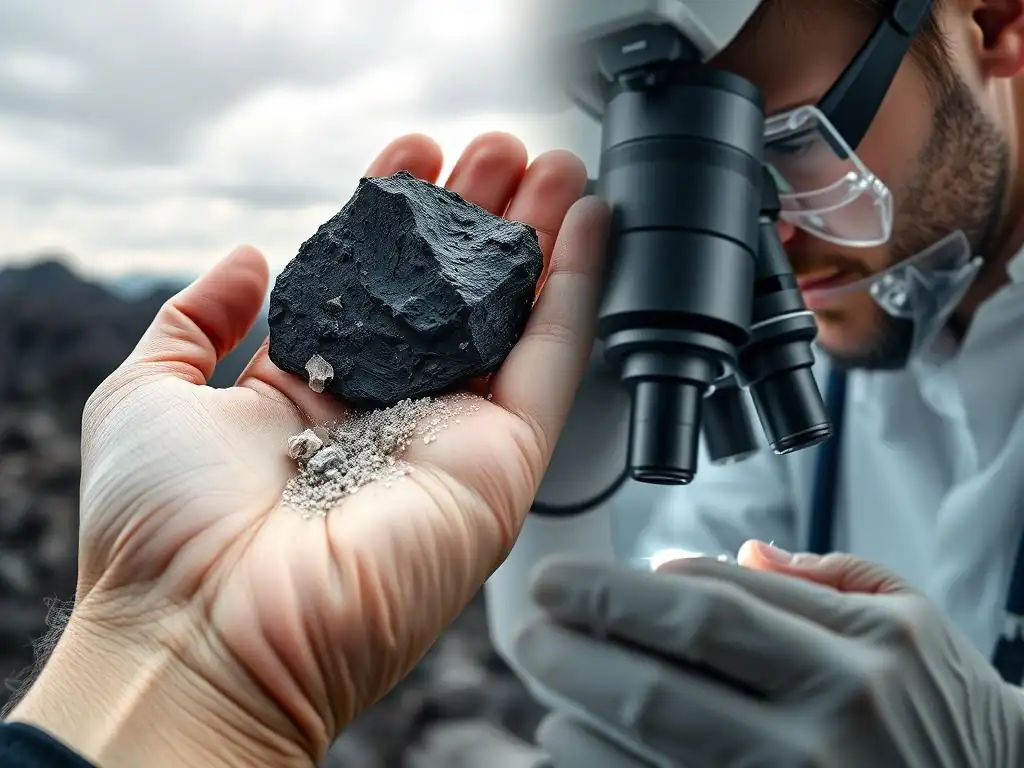
The techniques for dating ancient volcanic eruptions have been applied to volcanoes around the world, providing crucial insights into their eruptive histories and volcanic hazards. Case studies from different volcanic settings illustrate the diverse approaches and challenges involved in dating volcanic events and reconstructing volcanic timelines. These examples highlight the importance of using a combination of dating methods and geological evidence to unravel the complex history of volcanic activity.
From dating the massive Yellowstone supereruptions to reconstructing the eruptive history of Mount Vesuvius and understanding the evolution of Hawaiian volcanoes, geochronological studies have significantly advanced our knowledge of volcanic processes and hazard assessment. These case studies demonstrate the power of dating ancient volcanic eruptions to illuminate Earth's dynamic past and inform our understanding of future volcanic activity.
Dating the Yellowstone Supereruptions: A Multi-Method Approach
The Yellowstone volcanic system in Wyoming, USA, is renowned for its history of massive supereruptions, some of the largest volcanic events on Earth. Dating these supereruptions is crucial for understanding the recurrence interval of such cataclysmic events and assessing the long-term volcanic hazard posed by Yellowstone. Geochronologists have employed a multi-method approach, combining 40 Ar/ 39 Ar dating, U-Pb dating of zircons, and tephrochronology to date the major Yellowstone supereruptions.
40 Ar/ 39 Ar dating of volcanic rocks from the Lava Creek Tuff, Huckleberry Ridge Tuff, and Mesa Falls Tuff, the deposits of the three major Yellowstone supereruptions, has provided precise ages for these events. U-Pb dating of zircons from these tuffs has confirmed and refined these ages. Tephrochronology has been used to trace these ash layers across vast areas of North America, correlating them with other geological and archaeological records. The combined geochronological and tephrochronological data indicate that the three major Yellowstone supereruptions occurred at approximately 2.1 million years ago (Huckleberry Ridge), 1.3 million years ago (Mesa Falls), and 630,000 years ago (Lava Creek), revealing a recurrence interval of roughly 600,000 to 800,000 years for these massive events.
Reconstructing the Eruption History of Mount Vesuvius: Insights from Archaeological and Geochronological Data
Mount Vesuvius, infamous for its eruption in 79 AD that destroyed Pompeii and Herculaneum, has a long and complex eruptive history extending back tens of thousands of years. Reconstructing this history is essential for understanding the volcano's behavior and assessing the volcanic hazard to the densely populated surrounding region, including the modern city of Naples. Dating ancient eruptions of Vesuvius has involved a combination of archaeological evidence, historical accounts, and geochronological methods, including 14 C dating and 40 Ar/ 39 Ar dating.
Archaeological excavations at Pompeii and Herculaneum provide a precise time marker for the 79 AD eruption. Historical accounts from Roman writers also document this event. 14 C dating of charcoal and organic material buried in older volcanic deposits around Vesuvius has helped to date pre-79 AD eruptions, extending back several thousand years. 40 Ar/ 39 Ar dating of volcanic rocks from Vesuvius has provided ages for even older eruptions, revealing a history of both explosive and effusive activity spanning tens of thousands of years. The combined evidence shows that Vesuvius has experienced numerous eruptions throughout the Holocene, with periods of both frequent and less frequent activity, highlighting the ongoing volcanic hazard in the region.
Dating Ancient Hawaiian Volcanoes: Challenges and Successes
The Hawaiian Islands are formed by a chain of volcanoes created by a mantle plume, a hotspot of upwelling magma in the Earth's mantle. Dating ancient Hawaiian volcanoes is crucial for understanding the processes of volcano growth, island formation, and the evolution of the Hawaiian hotspot. Dating Hawaiian volcanoes presents unique challenges due to the submarine nature of much of the volcanic edifice and the alteration of volcanic rocks by seawater. However, geochronologists have successfully applied K-Ar and 40 Ar/ 39 Ar dating to date Hawaiian volcanoes, both on land and from submarine samples.
K-Ar and 40 Ar/ 39 Ar dating of lava flows from the islands of Hawaii, Maui, Oahu, and Kauai, among others, have revealed a systematic age progression along the Hawaiian chain, consistent with the plate tectonic theory of hotspot volcanism. The oldest volcanoes are located in the northwest, and the youngest, most active volcanoes are in the southeast, on the island of Hawaii. Dating submarine volcanic rocks recovered from deep-sea drilling has extended the Hawaiian volcanic record back tens of millions of years, providing a long-term perspective on hotspot volcanism and plate motion. These dating efforts have been instrumental in understanding the dynamics of the Hawaiian plume and the processes that have shaped the Hawaiian Islands.
Future Directions in Dating Ancient Volcanic Eruptions
The field of dating ancient volcanic eruptions is continuously evolving, driven by advancements in analytical techniques, improved understanding of geochronological systems, and the increasing need for precise volcanic chronologies for hazard assessment and geological research. Future directions in volcanic geochronology include the development of more precise and accurate dating methods, the integration of multiple dating techniques, and the construction of comprehensive volcanic chronologies for specific regions and volcanoes.
These advancements will further refine our understanding of volcanic processes, improve our ability to predict future eruptions, and enhance our knowledge of Earth's dynamic history. The ongoing quest to unravel the timeline of volcanic activity will continue to rely on innovative geochronological approaches and collaborative efforts between geochronologists, volcanologists, and other Earth scientists.
Advancements in Analytical Techniques for Radiometric Dating
Advancements in analytical techniques are constantly pushing the boundaries of radiometric dating, enabling more precise and accurate age determinations for ancient volcanic eruptions. New generations of mass spectrometers offer improved sensitivity, resolution, and automation, allowing for the analysis of smaller samples, faster measurements, and more precise isotopic ratio determinations. Techniques like laser ablation ICP-MS and secondary ion mass spectrometry (SIMS) allow for in-situ dating of minerals within thin sections or polished samples, providing spatial resolution and detailed age zoning information.
Development of new isotopic systems and refinements of existing methods are also expanding the range of datable materials and the time scales that can be accessed. For example, ongoing research is exploring the application of new isotopic systems like uranium-thorium-helium (U-Th-He) dating and lutetium-hafnium (Lu-Hf) dating to volcanic rocks. These analytical advancements will continue to improve the precision, accuracy, and versatility of radiometric dating techniques for dating ancient volcanic eruptions.
Integration of Multiple Dating Methods for Improved Accuracy
Integrating multiple dating methods is becoming increasingly common practice in volcanic geochronology to improve the accuracy and robustness of age determinations. Different dating methods have different strengths and limitations, and by combining the results from multiple methods, geochronologists can cross-validate age estimates and reduce uncertainties. For example, combining 40 Ar/ 39 Ar dating with U-Pb dating on the same volcanic sample can provide complementary age information and help to identify and mitigate potential systematic errors.
Integration of radiometric dating with other dating techniques, such as tephrochronology and paleomagnetism, can also enhance the reliability of volcanic chronologies. Tephrochronology provides a stratigraphic framework and allows for correlation of volcanic events across regions, while paleomagnetism can provide independent age constraints based on the Earth's magnetic field reversals. The multi-method approach to dating ancient volcanic eruptions leads to more robust and comprehensive volcanic timelines.
Developing Comprehensive Volcanic Chronologies for Specific Regions
A major future direction in volcanic geochronology is the development of comprehensive volcanic chronologies for specific regions and volcanoes. Detailed volcanic chronologies are essential for understanding the eruptive history, volcanic hazards, and long-term evolution of volcanic systems. This involves systematic dating of volcanic rocks and deposits from a specific region, using a combination of radiometric dating, tephrochronology, and relative dating methods.
Comprehensive volcanic chronologies require multidisciplinary approaches, integrating geological mapping, stratigraphic analysis, geochemical characterization, and geochronological dating. The goal is to build detailed timelines of volcanic activity, including eruption frequencies, magnitudes, styles, and magma compositions, for individual volcanoes and volcanic fields. These comprehensive chronologies are crucial for improving volcanic hazard assessments, understanding volcanic processes, and reconstructing the geological history of volcanic regions around the world.
Conclusion: The Ongoing Quest to Understand Earth's Volcanic Past
Dating ancient volcanic eruptions is a challenging but crucial endeavor that unlocks the secrets of Earth's fiery past. Through the application of sophisticated radiometric dating techniques, tephrochronology, and relative dating methods, geochronologists are continuously refining our understanding of volcanic timelines and the dynamic processes shaping our planet. The ongoing quest to date ancient volcanic eruptions is driven by the need to improve volcanic hazard assessments, understand the relationship between volcanism and climate change, and unravel the long-term evolution of volcanic systems.
As analytical techniques advance and new dating methods emerge, we can expect even more precise and comprehensive volcanic chronologies to be developed. These chronologies will provide valuable insights into the Earth's volcanic history, enhance our ability to anticipate future eruptions, and deepen our appreciation for the power and beauty of volcanoes as fundamental forces in shaping our world. The study of dating ancient volcanic eruptions remains a vibrant and essential field of research, contributing significantly to our understanding of Earth's dynamic and ever-changing nature.
Frequently Asked Questions
How do scientists date ancient volcanic eruptions?
Scientists use a variety of techniques, including radiometric dating of volcanic rocks. This relies on the decay of radioactive isotopes to determine the age of the rock. Furthermore, they examine surrounding sediment layers.
What are some common radiometric dating methods used for dating ancient volcanic eruptions?
Common methods include potassium-argon dating and argon-argon dating. These methods are useful for dating rocks millions of years old that contain potassium or argon.
Why is dating ancient volcanic eruptions important?
Dating eruptions helps us understand volcanic history and patterns of activity. This knowledge is crucial for hazard assessment and predicting future eruptions, even those far in the future.
What challenges do scientists face when dating very old volcanic eruptions?
Over extremely long periods, rock samples can be altered, affecting dating accuracy. Also, finding suitable samples that haven't been contaminated can be difficult.
Besides radiometric dating, what other methods can be used to estimate the age of ancient volcanic eruptions?
Scientists can also analyze tephra layers (volcanic ash deposits) found in sediment cores or ice cores. By correlating tephra layers with known events or other dated materials, they can estimate the eruption's age.
Final Reflection: Unearthing Time's Secrets
The intricate dance of radiometric dating, stratigraphic analysis, and tephrochronology, as explored in this article, isn't just about rocks and eruptions; it's about deciphering Earth's memory. Understanding the timing of ancient volcanic events provides crucial insights into our planet's dynamic past and, more importantly, informs our understanding of potential future hazards. The ability to accurately date these eruptions is not merely an academic exercise, but a vital tool for safeguarding communities and infrastructure in volcanically active regions.
The quest to accurately date ancient volcanic eruptions has profoundly shaped our understanding of geological processes and their impact on the environment. This pursuit, driven by scientific curiosity and a deep respect for the power of nature, underscores the interconnectedness of past, present, and future. The past is never dead. It's not even past.
- William Faulkner. This quote resonates deeply when considering the long-term implications of volcanic activity and the importance of learning from the geological record.
As we conclude this exploration of dating ancient volcanic eruptions, I invite you to consider the profound implications of this knowledge. How can we, as individuals and as a society, better utilize this understanding to mitigate risks, protect vulnerable populations, and foster a more sustainable relationship with our planet? Let us embrace the challenge of unraveling Earth's secrets, not just for the sake of knowledge, but for the betterment of humanity and the preservation of our shared future.
Unearth the Secrets Yourself!
Thank you for exploring the fascinating world of dating ancient volcanoes! You've gained insight into the meticulous research that unveils Earth's fiery past. Ready to apply this knowledge?
Here are a few ways to delve deeper:
- Investigate local geology! Use online resources to research volcanic activity or intriguing geological formations in your area. You might be amazed by your discoveries!
- Learn more about radiometric dating methods! Explore the science and understand the complexities of different dating techniques.
- Share this article with fellow geology enthusiasts! Help spread the word and spark discussions about Earth's history.
What geological mystery near you are you now inspired to investigate?